

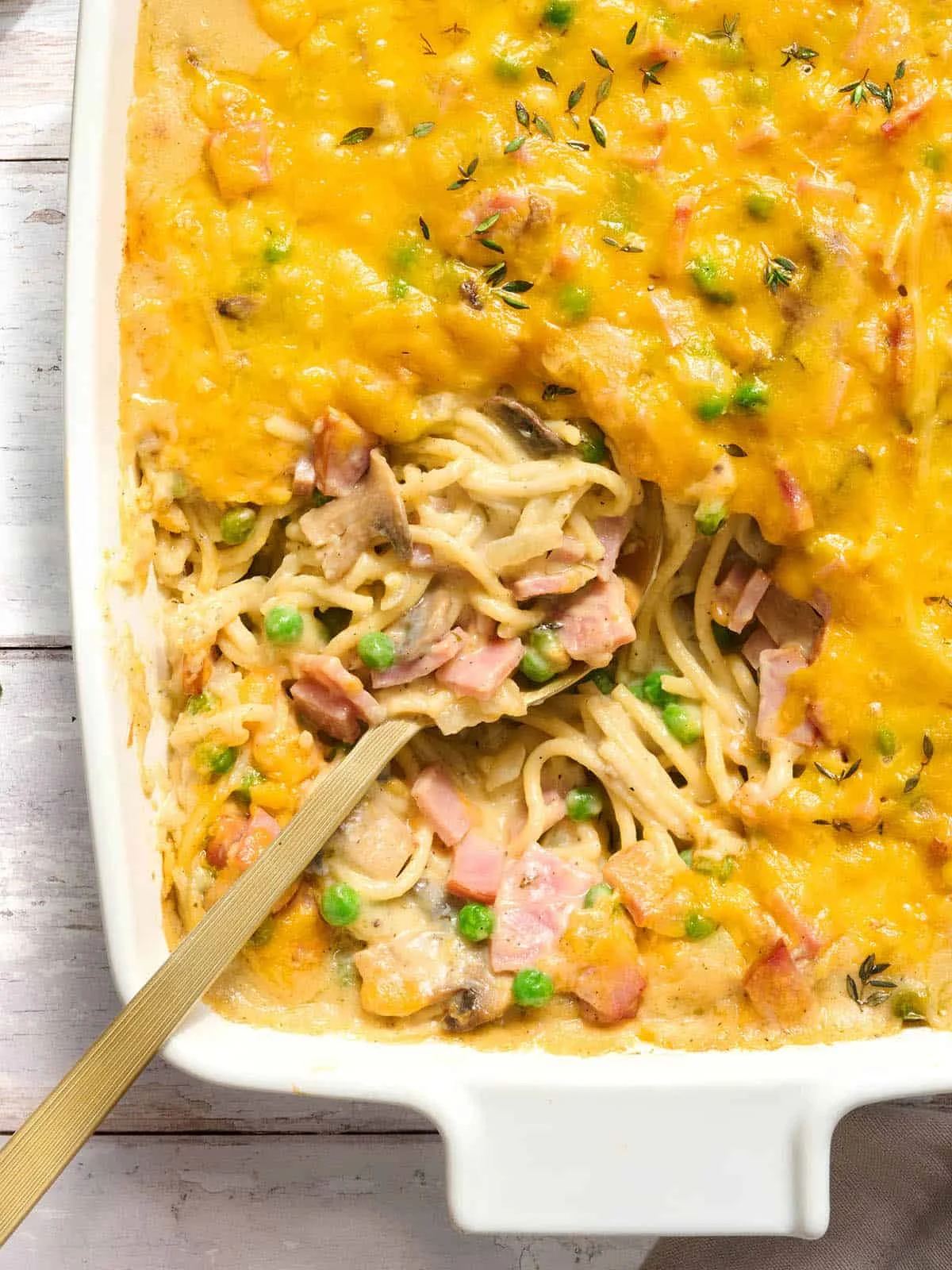
The strategic utilization of post-holiday food resources remains a critical component of domestic economic management, particularly following major observances such as Easter and Christmas. Among the various methodologies employed to repurpose surplus proteins, the preparation of Ham Tetrazzini has emerged as a primary solution for households seeking to balance fiscal responsibility with nutritional density. Modern iterations of this classic Italian-American casserole have shifted away from the mid-century reliance on processed convenience foods toward sophisticated, scratch-made components that offer improved flavor profiles and greater control over ingredient quality.

The Historical Context and Culinary Origins of Tetrazzini
The dish known as Tetrazzini carries a storied history that reflects the intersection of high culture and domestic adaptation. Named after the celebrated Italian opera soprano Luisa Tetrazzini (1871–1940), the recipe is widely believed to have been invented in the early 20th century, with various culinary historians attributing its creation to either the Palace Hotel in San Francisco or the Knickerbocker Hotel in New York City. Traditionally, the dish consists of poultry or seafood served in a rich cream sauce with mushrooms and pasta.
Over the decades, the recipe underwent a significant "democratization" during the mid-20th century. As processed food manufacturers rose to prominence in the 1950s and 60s, the labor-intensive Béchamel or Velouté sauces of the original dish were largely replaced by condensed "cream of" soups. This shift allowed the dish to become a staple of the American suburban kitchen, prized for its ease of assembly and its ability to incorporate various leftover meats, most notably ham and turkey. Today, culinary experts are seeing a resurgence of the "from-scratch" methodology, which restores the dish’s original textural integrity while maintaining its status as a budget-friendly household staple.

Economic Analysis of Modern Casserole Production
In the current economic climate, characterized by fluctuating consumer price indices for food at home, the cost-efficiency of Ham Tetrazzini provides a compelling case for its continued relevance. Data-driven analysis of the current recipe indicates a total production cost of approximately $7.65, resulting in a per-serving cost of $1.28. This represents a significant value proposition when compared to the average cost of a fast-casual meal, which currently ranges between $12.00 and $18.00 per person in the United States.
The affordability of the dish is achieved through the strategic combination of high-volume pantry staples—such as dried spaghetti and all-purpose flour—and the utilization of "sunk costs" in the form of leftover ham. By repurposing a protein that has already been purchased for a primary holiday event, the marginal cost of the meal is substantially reduced. Furthermore, the inclusion of frozen vegetables, specifically peas, provides a shelf-stable and inexpensive source of fiber and vitamins without the waste associated with fresh produce that may spoil before use.

Technical Methodology and Systematic Preparation
The production of high-quality Ham Tetrazzini requires a systematic approach to heat management and emulsion stability. The process is divided into several distinct phases, each critical to the final structural integrity of the casserole.
Phase I: Preparatory Infrastructure
Initial steps involve the calibration of thermal equipment and the preparation of the vessel. The oven is preheated to 375°F (190°C), a temperature optimized for the Maillard reaction in the cheese topping while ensuring the internal moisture of the sauce is maintained. A 9×10-inch casserole dish is treated with nonstick agents to facilitate post-consumption cleaning and ensure ease of service.

Phase II: Starch Hydration and Textural Management
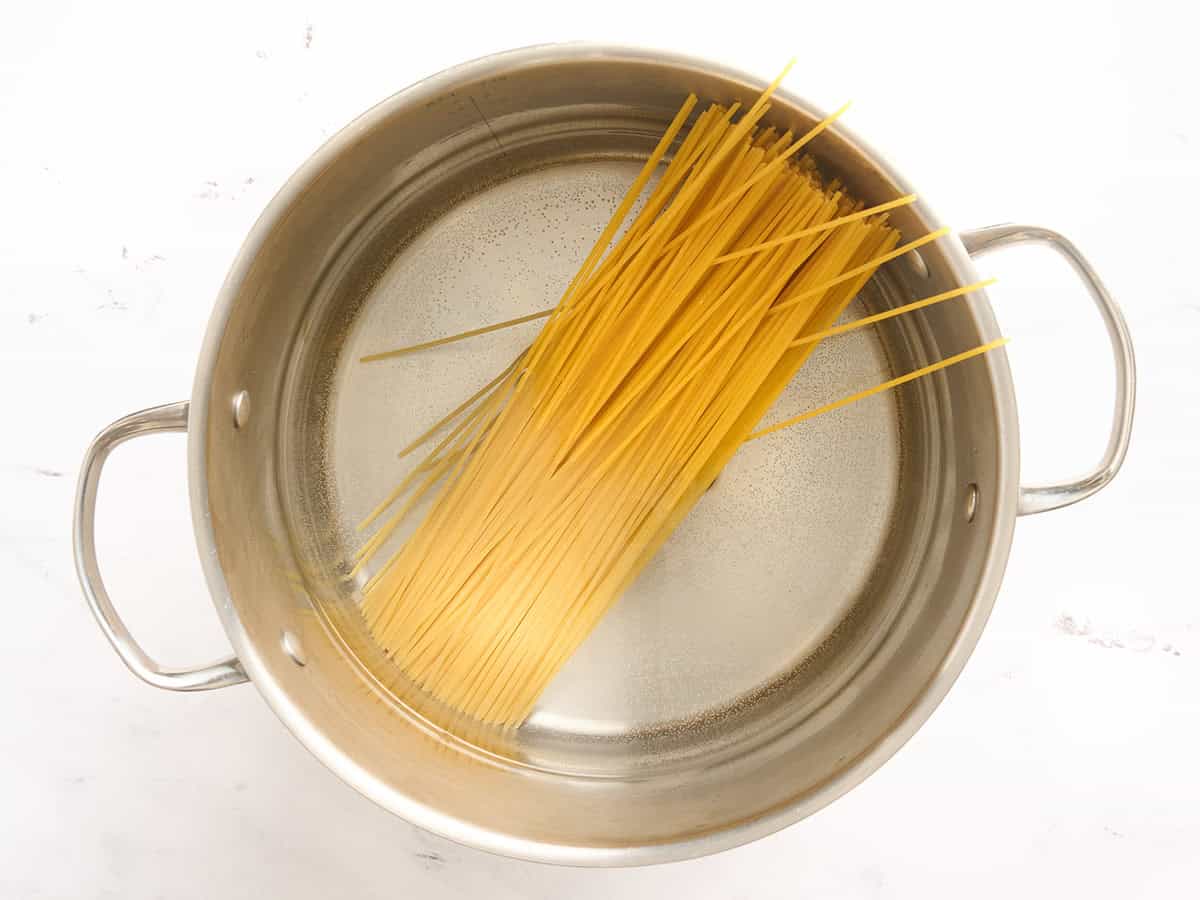
The selection of spaghetti as the primary starch provides a robust framework for the heavy sauce. Eight ounces of uncooked pasta are boiled until "just tender," a state slightly firmer than al dente. This is a deliberate technical choice; because the pasta will undergo a secondary cooking phase during the 25-to-30-minute baking period, initial undercooking prevents the noodles from reaching a state of structural collapse or "mushiness" in the final product.
Phase III: The Roux-Based Emulsion
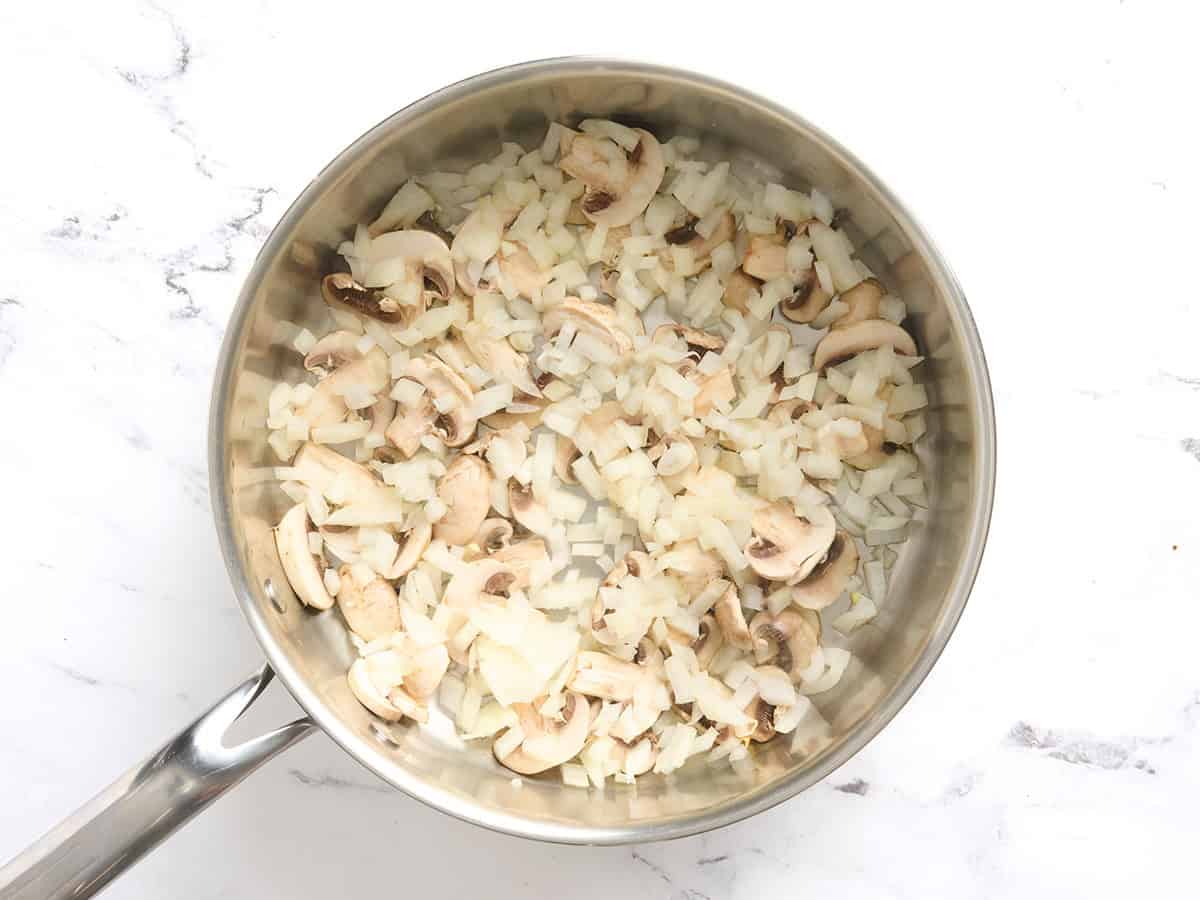
The core of the modern Tetrazzini evolution lies in the rejection of canned stabilizers in favor of a traditional roux. This process begins with the sautéing of aromatics—diced onions and sliced mushrooms—in vegetable oil. Once the cellular structure of the vegetables has softened, butter and flour are introduced in equal parts by volume to create a thickening agent.
The introduction of 1.5 cups of chicken broth and 1.5 cups of milk must be performed incrementally. This gradual hydration allows the flour’s starch granules to swell and trap liquid evenly, resulting in a velvety, cohesive sauce. The seasoning profile—comprising salt, black pepper, garlic powder, and dried thyme—is integrated at this stage to ensure even distribution throughout the emulsion.
Phase IV: Integration and Thermal Finalization
The final assembly involves the folding of two cups of diced ham and one cup of frozen peas into the sauce, followed by the hydrated spaghetti. The mixture is transferred to the prepared dish and topped with 1.5 cups of shredded cheddar cheese. While traditional Tetrazzini often utilizes Parmesan or mozzarella, the use of cheddar is a recognized regional variation that provides a sharper flavor profile and a superior melt-point for a bubbly, golden crust.
Nutritional Profile and Dietary Implications
A quantitative assessment of the dish’s nutritional value reveals a substantial caloric and macronutrient density. Each serving contains approximately:
- Calories: 494 kcal
- Protein: 24g
- Total Fat: 25g
- Carbohydrates: 43g
- Sodium: 1314mg
The high protein content, primarily derived from the ham and dairy components, makes the dish a satiating option for active households. However, the sodium levels—representing approximately 57% of the recommended daily intake—reflect the cured nature of the ham and the use of chicken bouillon. Analysts suggest that consumers monitoring sodium intake may substitute low-sodium broths or rinse the leftover ham to mitigate these levels. The inclusion of 3g of fiber per serving, while modest, is bolstered by the presence of peas and mushrooms, contributing to the dish’s overall micronutrient profile.

Institutional Validation and Quality Control
The current standardized recipe for Ham Tetrazzini has undergone rigorous testing within specialized environments, such as the Nashville Test Kitchen. These facilities serve as centers for culinary quality control, ensuring that recipes are not only delicious but also reproducible across varying kitchen environments and skill levels. The testing protocols emphasize affordability, ease of execution, and the reliability of the "from-scratch" sauce as a replacement for commercial alternatives.
Culinary developers, including Melissa Nolan, a chef instructor with experience at high-profile institutions like Per Se in New York City, have contributed to the refinement of these household classics. Their involvement signals a broader trend in the food industry: the application of professional culinary techniques (such as roux-making and proper starch management) to everyday, budget-conscious cooking.

Sustainability and Environmental Impact
Beyond the immediate financial benefits, the preparation of Ham Tetrazzini aligns with global initiatives to reduce food waste. According to the USDA, approximately 30-40% of the food supply in the United States is wasted, with a significant portion of that waste occurring at the retail and consumer levels. Large-format meats like holiday hams are frequent contributors to this statistic due to their size.
By providing a structured framework for the consumption of leftovers, the Tetrazzini model functions as a form of "circular culinary economy." It extends the lifecycle of the primary protein, reduces the carbon footprint associated with food disposal, and minimizes the need for additional grocery procurement.

Storage, Reheating, and Future Implications
The structural stability of the Tetrazzini casserole allows for effective long-term storage, further enhancing its utility for meal-prepping households. The dish remains viable in a refrigerated state for 3-4 days and can be frozen for up to four months.
Technical experts note that upon reheating, the pasta may continue to absorb moisture, potentially leading to a drier consistency. To counteract this, the addition of a small volume of milk or broth during the reheating process is recommended to restore the sauce’s original viscosity.

Conclusion: The Resilient Casserole
The Ham Tetrazzini remains a cornerstone of American comfort food not merely because of nostalgia, but because it successfully navigates the complexities of modern household management. By combining historical culinary techniques with contemporary economic needs, the dish represents a sophisticated approach to resourcefulness. As households continue to face inflationary pressures and a growing desire for "cleaner" ingredient labels, the move toward scratch-made, budget-friendly staples like this version of Tetrazzini is expected to accelerate. It stands as a testament to the idea that culinary excellence and fiscal prudence are not mutually exclusive, but rather complementary goals in the modern kitchen.
