

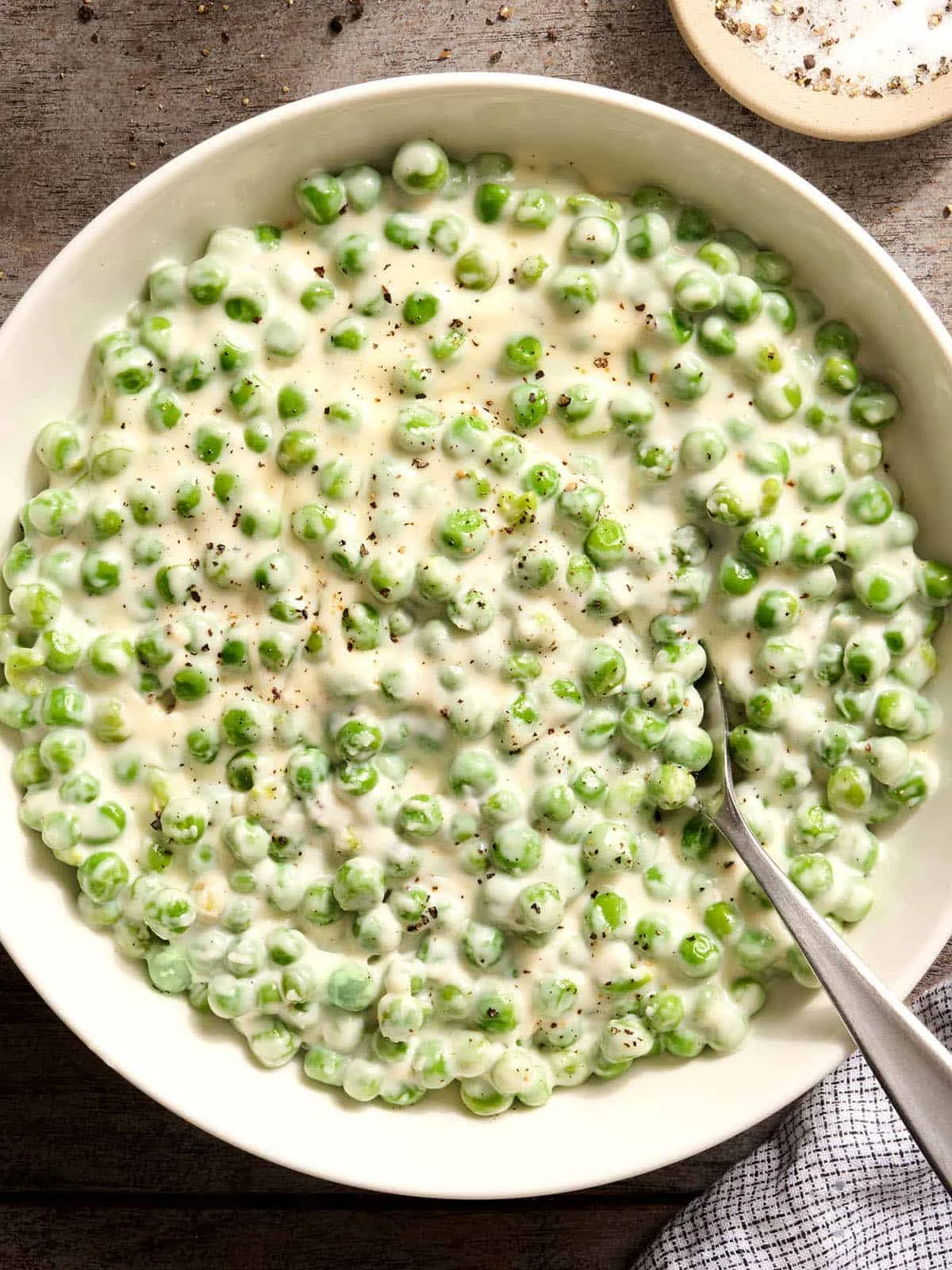
The resurgence of traditional American side dishes has brought renewed focus to the culinary and economic significance of creamed peas, a staple of Southern and Midwestern holiday tables. Long considered a fundamental component of the Easter dinner circuit, this dish represents a intersection of agricultural history, domestic economy, and nutritional science. Recent analysis from the Nashville Test Kitchen, spearheaded by culinary expert Jess Rice, highlights how this humble vegetable preparation serves as a benchmark for affordable, nutrient-dense home cooking. By examining the preparation methods, cost-efficiency, and cultural heritage of creamed peas, food historians and nutritionists are identifying the dish as a resilient survivor in an era of rapidly fluctuating food costs and shifting dietary preferences.
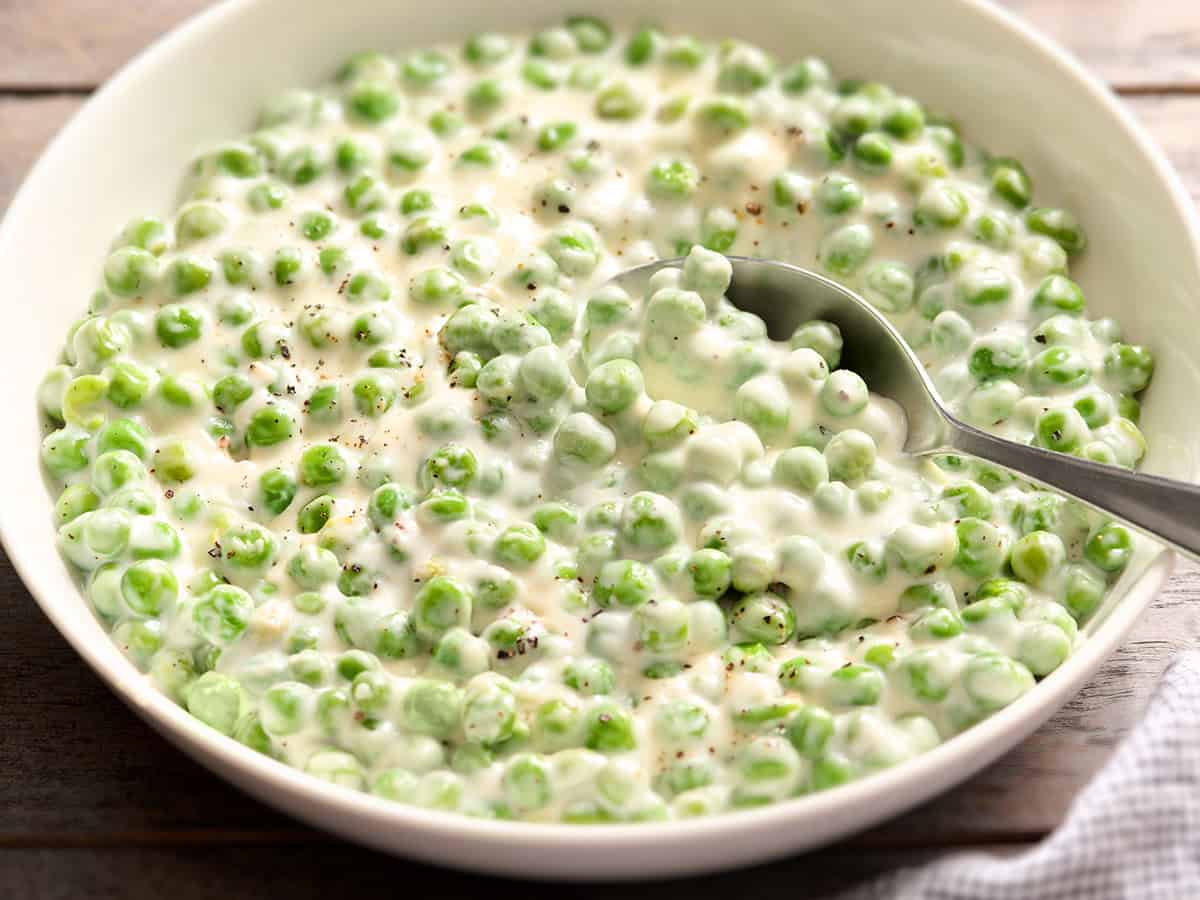
Historical and Regional Context of Creamed Peas
The history of creamed peas is deeply rooted in the agrarian traditions of the American South and Midwest. In states like Tennessee, green peas (Pisum sativum) are among the first crops planted in late winter and harvested in early spring. This timing naturally aligned the vegetable’s peak freshness with the Easter holiday, cementing its place as a seasonal celebration of the coming warmer months. Historically, the "creaming" of vegetables served a dual purpose: it enhanced the caloric density of a meal and provided a way to stretch limited resources by using a roux-based sauce to add volume and satiety.
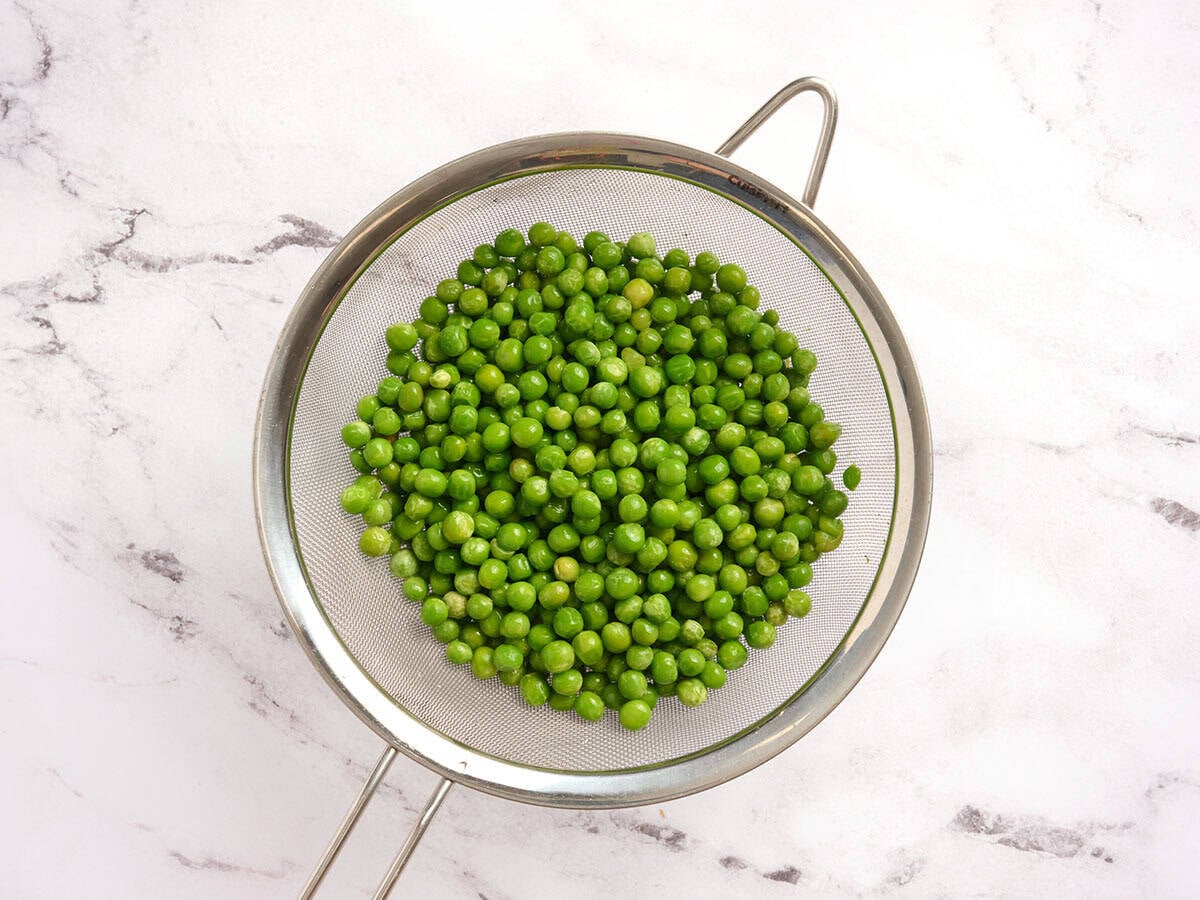
While fresh peas remain the gold standard for some purists, the mid-20th century rise of frozen food technology revolutionized the dish’s accessibility. The flash-freezing process, perfected by Clarence Birdseye in the 1920s, allowed peas to retain their vibrant green color and nutritional integrity far better than canning methods. Today, the use of frozen peas in creamed pea recipes is regarded by culinary professionals as a practical compromise that maintains high quality while ensuring year-round availability.
The Culinary Mechanics of the Modern Roux
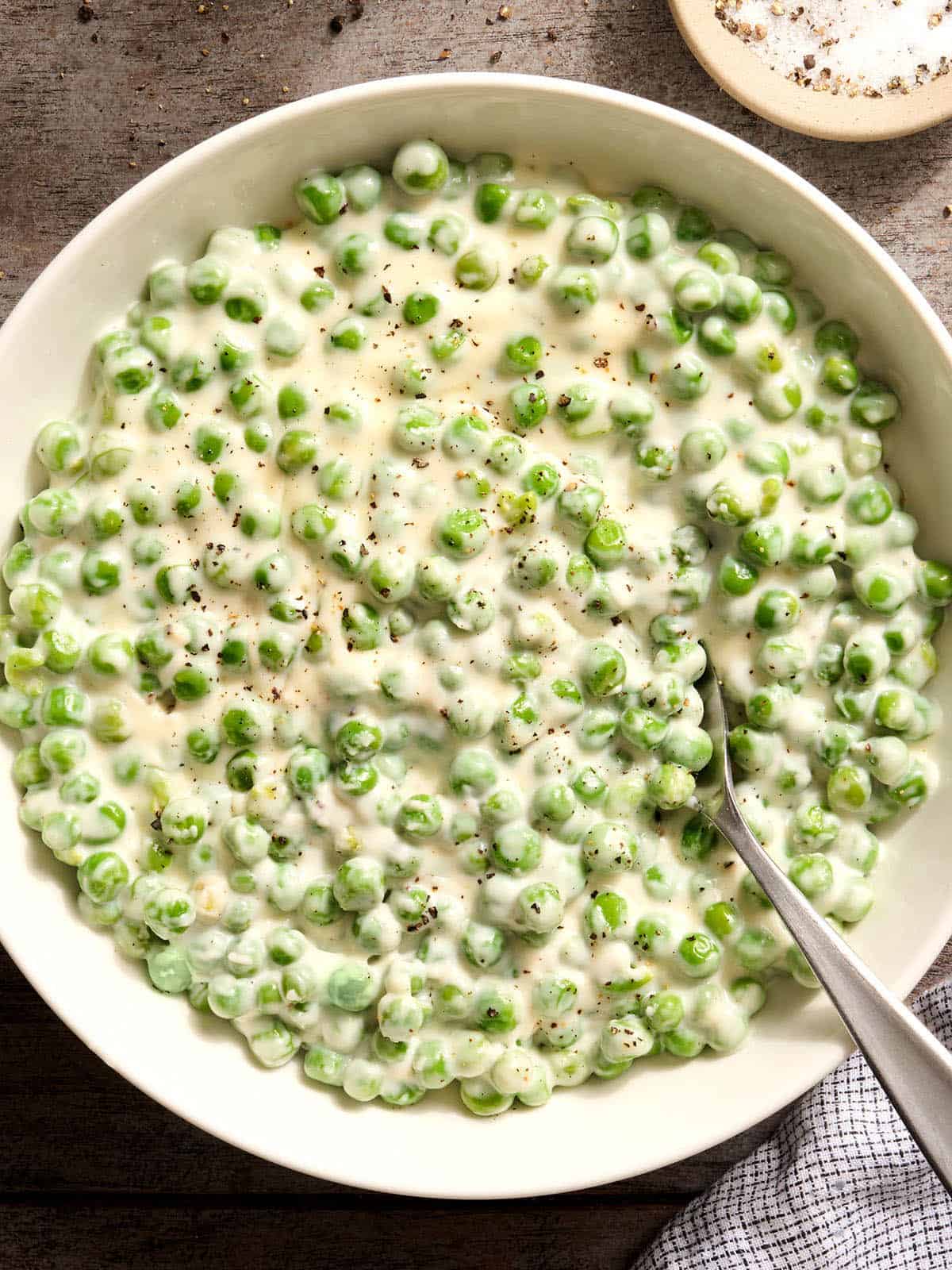
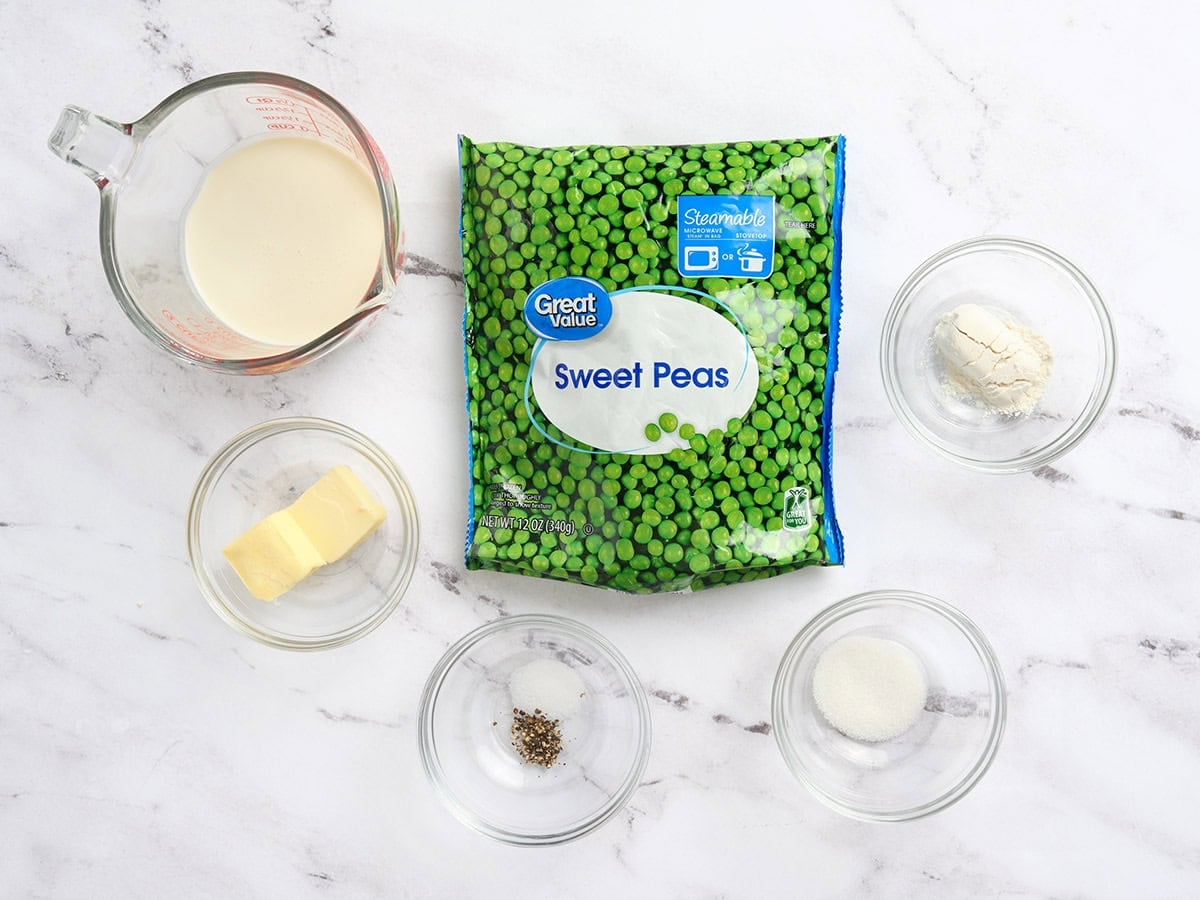
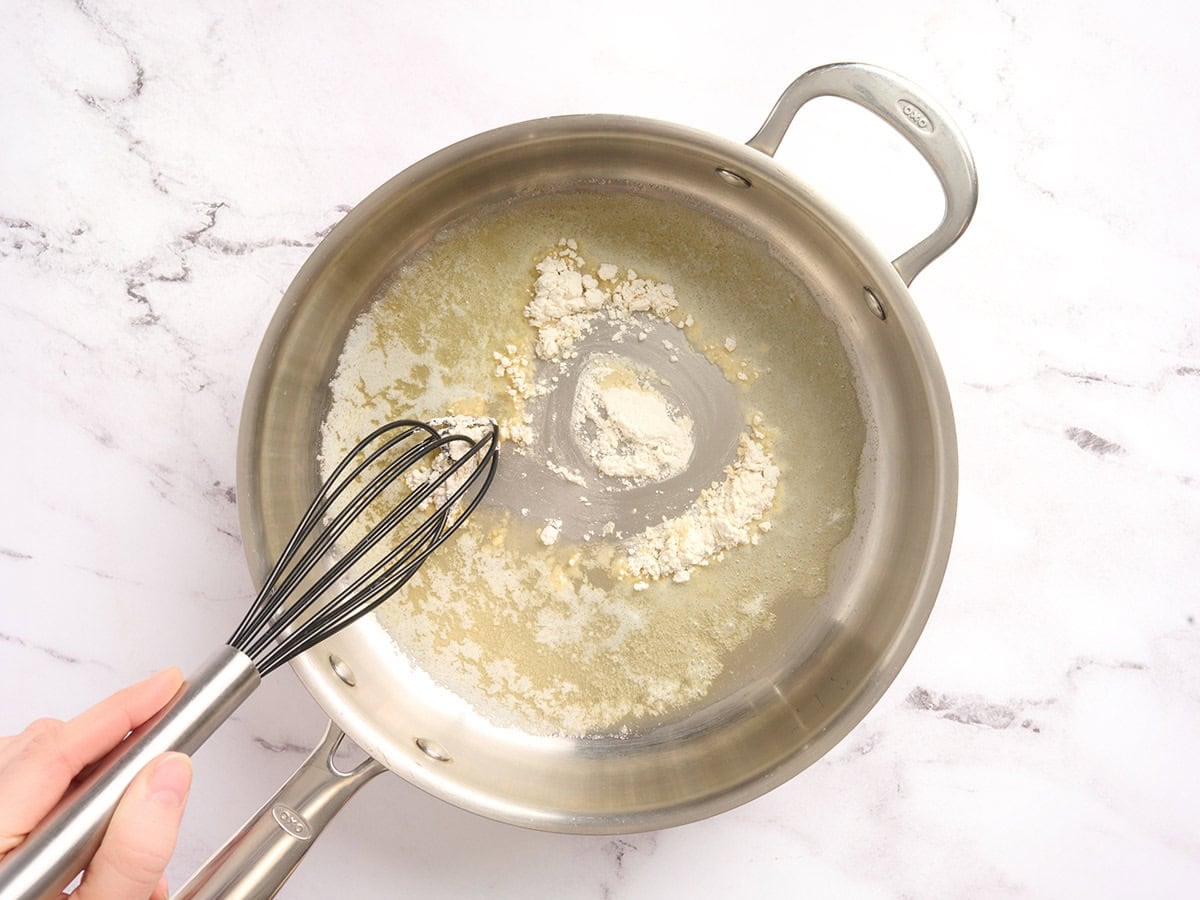
At the heart of the creamed pea preparation is the white sauce, or Béchamel, which is one of the five mother sauces of French cuisine. The process begins with a roux—a cooked mixture of equal parts fat and flour. In the standardized version tested by Chef Jess Rice, salted butter is melted and combined with all-purpose flour. The chemical process involved here is critical: the flour must be cooked for two to three minutes to neutralize the "raw" starch taste while allowing the starch granules to prepare for gelatinization.
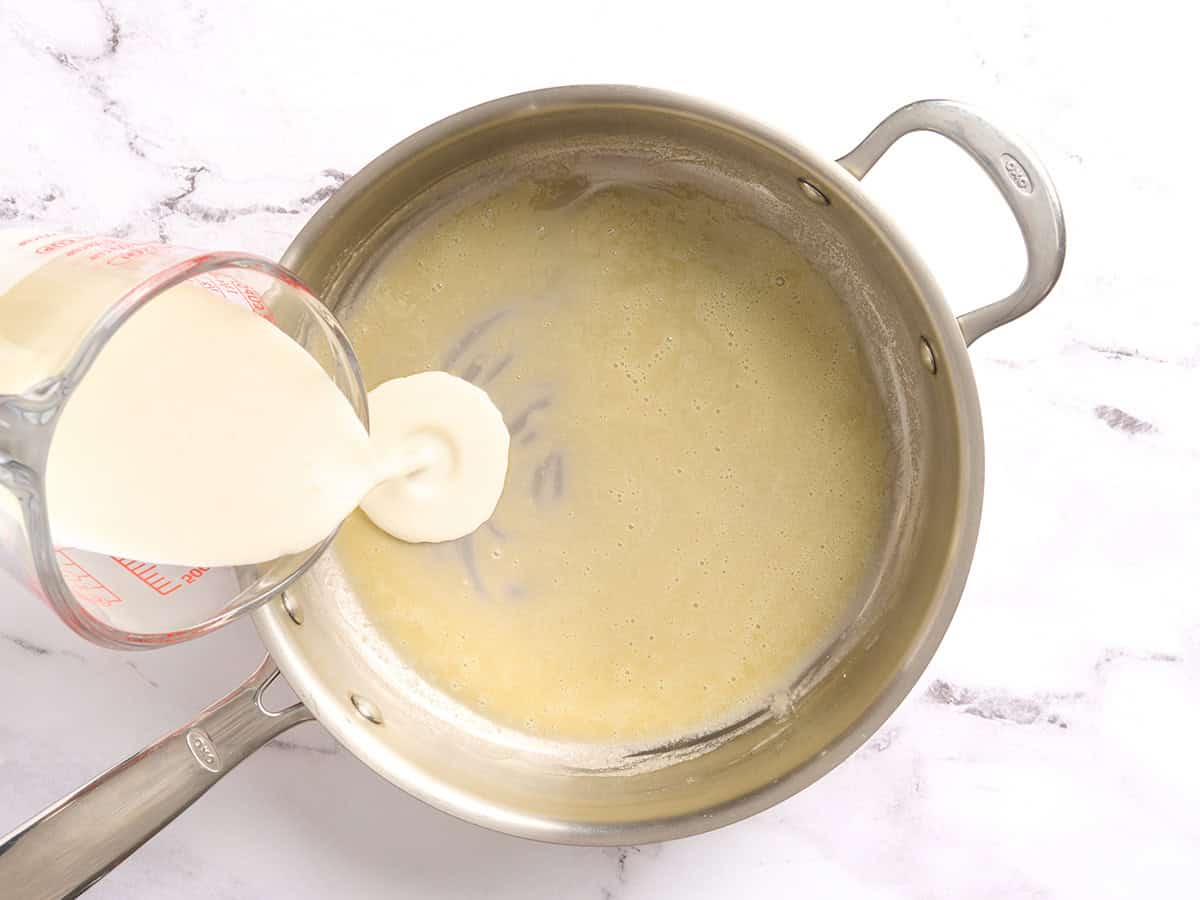
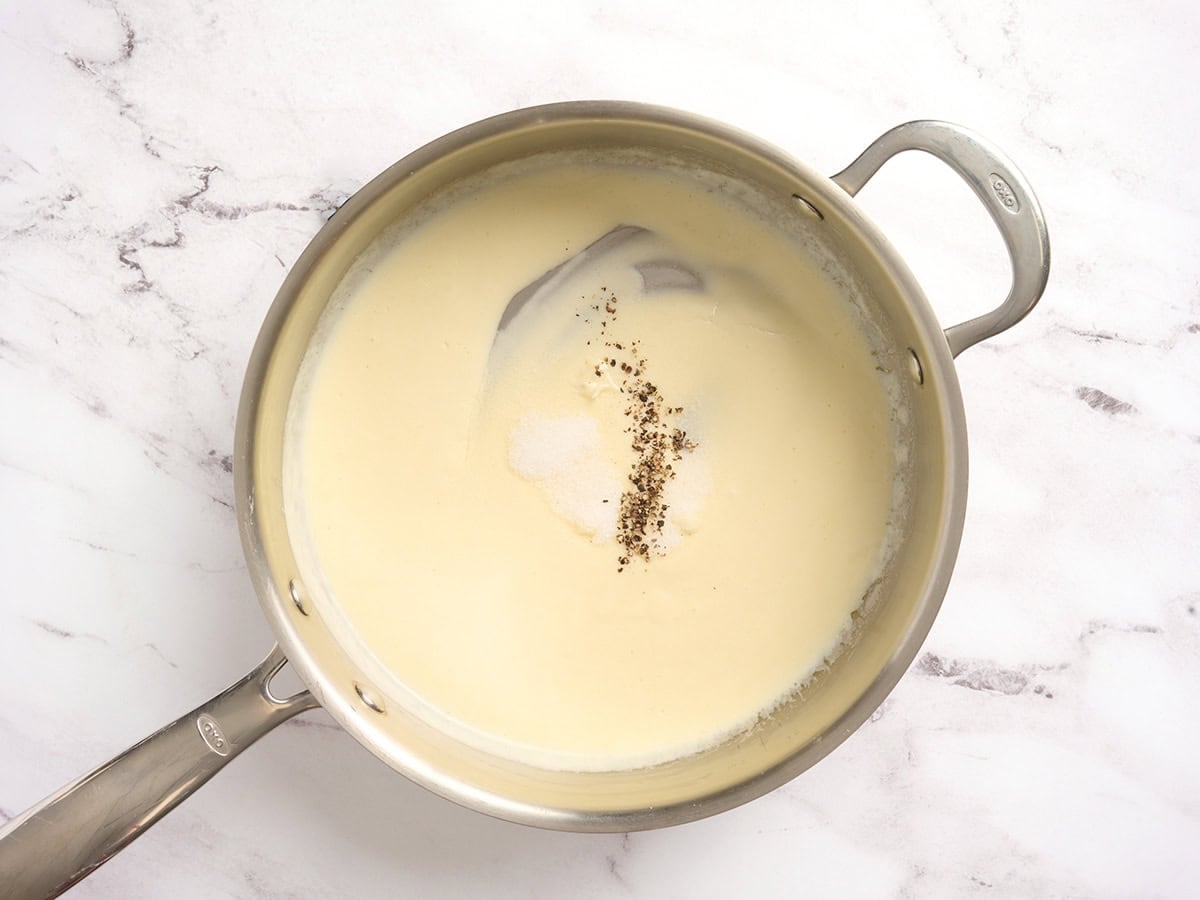
Once the roux is established, heavy cream is introduced. The high fat content of heavy cream (typically 36% to 40% milkfat) provides a stable emulsion that resists breaking when heated. This creates a luxurious mouthfeel that contrasts with the slight "pop" of the pea’s skin. For health-conscious or budget-restricted households, culinary data suggests that half-and-half or whole milk can be substituted, though these alternatives yield a thinner consistency. The addition of a small amount of granulated sugar (approximately one teaspoon per 12-ounce serving of peas) is a traditional technique used to enhance the natural sweetness of the legumes, particularly when using frozen varieties that may have lost some of their natural sugars during storage.
Economic Analysis: The $0.55 Serving Model
In the current economic climate, characterized by significant inflation in the grocery sector, the cost-effectiveness of home-cooked side dishes has become a primary concern for American households. Data provided by the Budget Bytes research team indicates that a standard four-serving batch of homemade creamed peas costs approximately $2.21 to produce. This breaks down to an average of $0.55 per serving, positioning the dish as one of the most affordable vegetable options available.
Comparatively, pre-packaged or restaurant-quality side dishes often retail for three to five times this amount. The affordability is largely driven by the reliance on frozen peas, which are frequently sold in bulk and have a long shelf life, reducing food waste. Furthermore, the pantry staples required for the sauce—flour, butter, and seasonings—are low-cost items with high utility across various recipes. This economic efficiency does not come at the expense of quality, as the Nashville Test Kitchen’s rigorous testing protocols ensure that the final product meets professional standards for flavor and texture.
Nutritional Density and Public Health Implications
Beyond its economic value, the nutritional profile of creamed peas offers significant public health benefits. Green peas are a dense source of plant-based protein, providing approximately 6 grams per serving in this specific preparation. They are also an excellent source of dietary fiber, which is essential for gastrointestinal health and blood sugar regulation.
From a micronutrient perspective, peas are rich in:
- Vitamin K: Vital for bone metabolism and blood clotting.
- Vitamin C: A powerful antioxidant that supports immune function and collagen production.
- Folate (Vitamin B9): Crucial for DNA synthesis and repair, particularly important for pregnant women and developing children.
The inclusion of heavy cream and butter increases the caloric and fat content, which, while beneficial for those needing nutrient density, has led modern chefs to offer modifications. For instance, the substitution of full-fat canned coconut milk and dairy-free butter allows the dish to be adapted for vegan or dairy-free diets without sacrificing the essential vitamins and minerals provided by the peas themselves.
The Nashville Test Kitchen Standards and Methodology
The reliability of modern recipes often hinges on the rigor of the testing process. The Nashville Test Kitchen utilizes a standardized methodology to ensure that recipes are "easy, affordable, and delicious." This involves multiple iterations of the dish to determine the precise cooking times for the roux and the optimal ratio of liquid to solids.
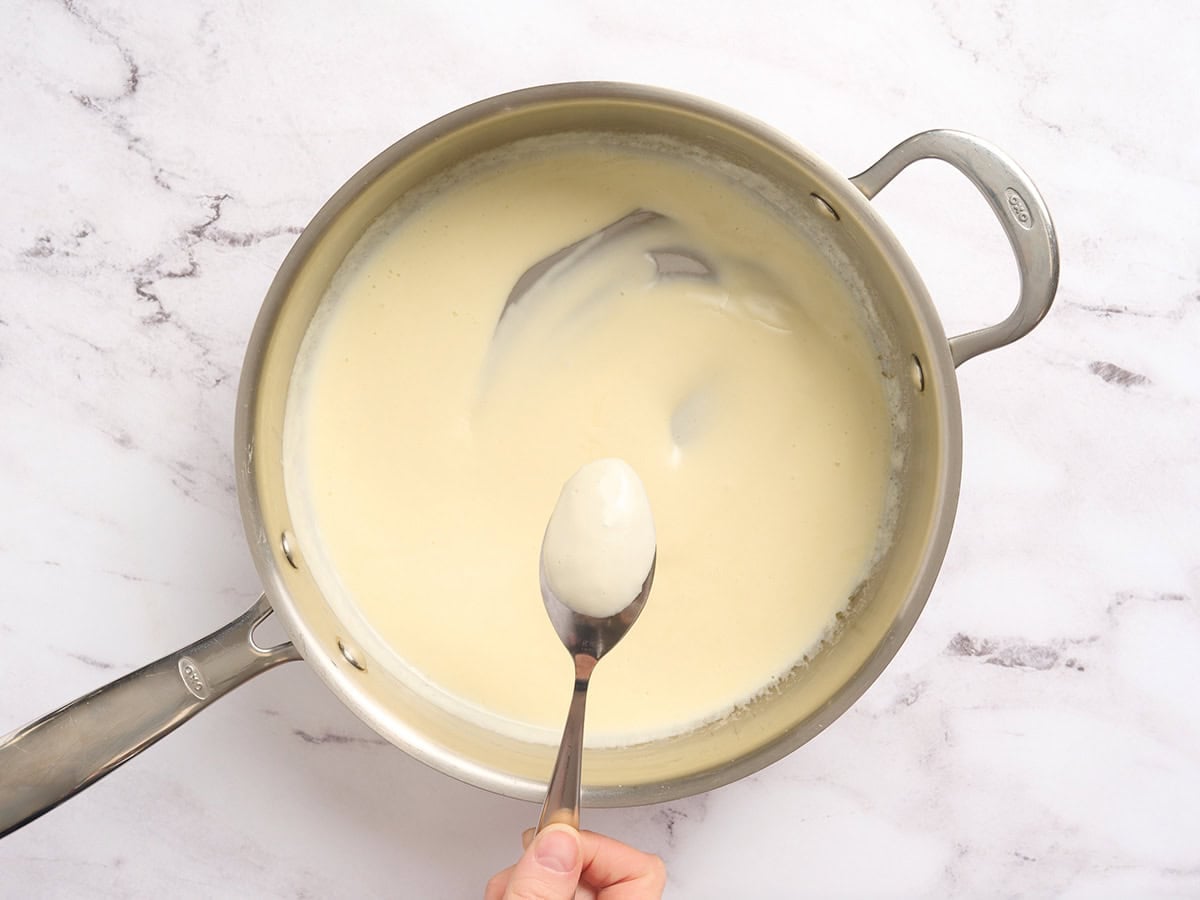
Chef Jess Rice, a former Chef Professor at Niagara College and an experienced restaurateur, emphasizes that professional-grade results at home are achieved through technique rather than expensive ingredients. The testing for creamed peas specifically focused on the "nappe" consistency of the sauce—the point at which the liquid is thick enough to coat the back of a spoon without running. This attention to detail ensures that the dish remains cohesive when plated alongside other holiday favorites like baked ham or roasted chicken.
Adaptability and Global Variations
While the core recipe for creamed peas remains consistent, culinary data shows a trend toward customization. In recent years, home cooks have begun incorporating various "add-ins" to modernize the flavor profile. Common additions include:
- Aromatics: Sautéed onions, shallots, or garlic added to the butter before the flour.
- Proteins: Crispy bacon bits or diced ham, which add a smoky, salty element.
- Herbs: Fresh dill, parsley, or chives added just before serving to provide a bright, fresh finish.
- Mushrooms: Sautéed mushrooms are often included to add an earthy "umami" depth to the creamy base.
These variations reflect a broader shift in American cooking toward "elevated comfort food," where traditional recipes are treated as templates for individual creativity.
Broader Socio-Economic Impact and Consumer Trends
The continued popularity of dishes like creamed peas reflects a larger consumer trend toward nostalgia and simplicity. In times of social or economic uncertainty, there is a documented increase in the consumption of "comfort foods"—dishes that evoke memories of family gatherings and childhood. Creamed peas, with their soft texture and mild, sweet-savory flavor, fit perfectly into this category.
Furthermore, the rise of digital platforms like Budget Bytes has democratized culinary education. By providing clear, step-by-step instructions and transparent cost breakdowns, these resources empower low-to-middle-income families to maintain high standards of nutrition and taste. The success of the creamed peas recipe, as evidenced by its high engagement rates and positive user feedback, suggests that there is a robust market for content that prioritizes practicality over extravagance.
Storage, Reheating, and Waste Reduction
Food waste is a significant contributor to household expenses and environmental degradation. The creamed peas recipe addresses this through its storage potential. Leftovers can be refrigerated for up to three days, though the cream-based sauce will naturally thicken when chilled. Culinary experts recommend reheating the dish gently on a stovetop with a splash of milk or cream to restore its original consistency.
However, it is noted that cream-based dishes do not freeze well, as the emulsion tends to separate upon thawing. This factual limitation encourages home cooks to prepare only what is needed, further aligning the dish with sustainable consumption practices.
Conclusion: The Enduring Legacy of the Humble Pea
Creamed peas represent more than just a side dish; they are a testament to the enduring appeal of simple, well-executed cooking. Through the lens of the Nashville Test Kitchen and the professional expertise of figures like Jess Rice, the dish has been validated as a nutritionally sound, economically viable, and culturally significant component of the American diet. As households continue to navigate the complexities of modern food sourcing and budgeting, the reliance on such time-tested recipes provides a sense of stability and satisfaction at the dinner table. Whether served at a formal Easter dinner or a quick Tuesday night meal, creamed peas remain a quintessential example of culinary efficiency and domestic tradition.
