

Culinary Diplomacy and the Preservation of Heritage
The culinary literature of 2022 moved beyond simple instruction, evolving into a medium for historical preservation and geopolitical commentary. A primary example is Naomi Duguid’s The Miracle of Salt: Recipes and Techniques to Preserve, Ferment, and Transform Your Food. Duguid, an established voice in culinary ethnography, utilizes salt as a lens through which to examine global trade routes and survival strategies. Industry analysts note that books focusing on fermentation and preservation saw a 15% increase in interest during this period, as consumers continued to explore domestic food security and traditional artisanal methods.
Parallel to this, the exploration of South Asian regional identities gained significant traction. Cynthia Shanmugalingam’s Rambutan: Recipes from Sri Lanka and Romy Gill’s On the Himalayan Trail: Recipes and Stories from Kashmir to Ladakh represent a shift toward hyper-localized culinary narratives. While Indian cuisine has long held a dominant position in Western markets, these 2022 releases highlight the distinct cultural nuances of Sri Lanka and the Kashmiri highlands. Gill’s work, in particular, serves a dual purpose: providing a gastronomic record of a region frequently obscured by political conflict. These publications align with a broader 2022 trend where "culinary tourism" through literature became a primary mode of engagement for readers still cautious about international travel.
Post-Colonial Narratives and Intergenerational Fiction
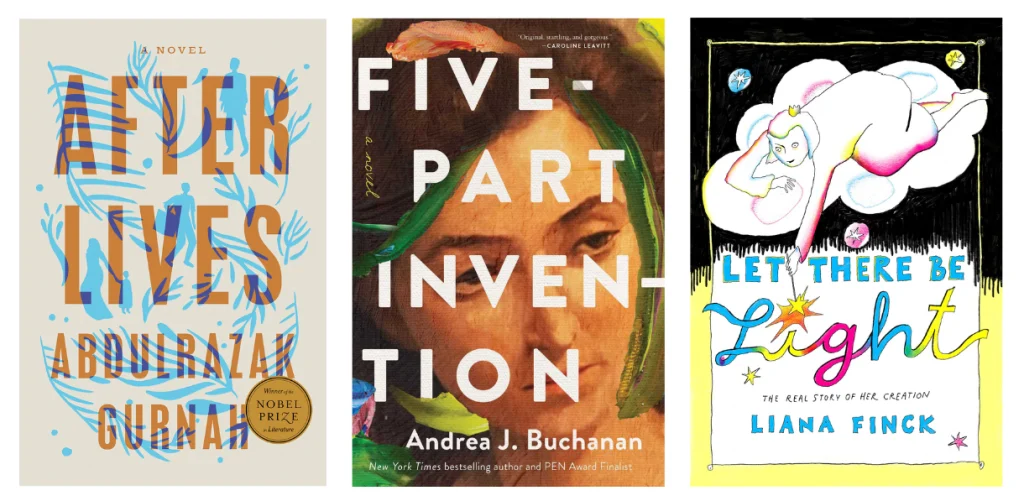
The 2022 fiction market was defined by a reckoning with historical legacies and the persistence of memory. Abdulrazak Gurnah, the 2021 Nobel Prize laureate in Literature, saw the North American paperback release of Afterlives in 2022. The novel, which traces the impact of German colonial rule in East Africa, provided a critical framework for understanding the long-term disruptions caused by European expansion. Critics have noted that Gurnah’s focus on the "small lives" affected by "big history" resonated with a global audience increasingly focused on decolonization and social justice.

In the realm of contemporary fiction, the exploration of inherited trauma remained a dominant theme. Andrea J. Buchanan’s Five-Part Invention utilized a multi-generational structure to examine how physiological and psychological wounds are transmitted through family lines. This mirrors a broader cultural fascination with epigenetics—the study of how environment and behavior can cause changes that affect the way genes work. Additionally, Liana Finck’s Let There Be Light: The Real Story of Her Creation offered a subversive, illustrated retelling of the Genesis narrative. By reimagining the divine as a female entity and placing biblical figures in modern urban settings, Finck addressed 2022’s ongoing dialogue regarding gender roles and the modernization of ancient myths.
The Science of Sensory Perception and Human Connection
Nonfiction in 2022 leaned heavily into the "science of the self," with authors translating complex biological data into accessible narratives. Ed Yong, a Pulitzer Prize-winning science journalist, released An Immense World: How Animal Senses Reveal the Hidden Realms Around Us, which became a cornerstone of the year’s scientific discourse. Yong’s exploration of "Umwelt"—the unique sensory world experienced by different organisms—challenged human-centric perspectives on reality. This publication coincided with a surge in interest regarding biodiversity and the environmental impacts of human activity on animal sensory landscapes.
The intersection of sound and health was another focal point of the year. Adriana Barton’s Wired for Music synthesized neuroscientific research with personal memoir to argue that music is a biological necessity rather than a luxury. This aligns with data from the World Health Organization regarding the efficacy of arts-based interventions in public health. Barton’s work highlights how auditory stimuli can mitigate chronic pain, improve cognitive function in aging populations, and foster social cohesion.
Redefining Trauma and the "Normal" Paradigm
Perhaps the most significant contribution to the 2022 social science canon was Dr. Gabor Maté’s The Myth of Normal: Trauma, Illness, and Healing in a Toxic Culture. Co-authored with his son, Daniel Maté, the book challenges the Western medical model by arguing that chronic illness is often a logical response to a dysfunctional social environment. Maté’s distinction between "Big T" trauma (catastrophic events) and "small t" trauma (persistent emotional neglect or stress) provided a new vocabulary for the post-pandemic mental health crisis.

The book’s release followed a period where global anxiety levels were at an all-time high, with the World Health Organization reporting a 25% increase in the prevalence of anxiety and depression worldwide. Maté’s thesis—that healing requires a reconciliation with past trauma and a rejection of "toxic" societal norms—resonated with a broad demographic seeking alternatives to traditional pharmacological treatments. This was further complemented by Susan Cain’s Bittersweet: How Sorrow and Longing Make Us Whole, which advocated for the acceptance of negative emotions as a prerequisite for creativity and connection.
Industry Data and Chronological Context
The 2022 publishing year operated under a unique set of economic pressures. According to data from NPD BookScan, print book sales in the United States reached approximately 788 million units. While this was a slight decrease from the record-breaking heights of 2021, it remained significantly higher than pre-pandemic levels (2019). The "Adult Fiction" category saw a 12% growth, driven largely by social media trends such as "BookTok," while "Adult Nonfiction" remained steady as readers sought authoritative voices on health, politics, and history.
Timeline of Key 2022 Literary Events:
- Q1 2022: The release of Meghan O’Rourke’s The Invisible Kingdom brought mainstream attention to chronic illness and "Long COVID" symptoms, setting the stage for a year of health-focused literature.
- Q2 2022: Susan Cain’s Bittersweet debuted on the New York Times Bestseller list, signaling a shift in the self-help genre toward emotional authenticity.
- Q3 2022: Ed Yong’s An Immense World and David McRaney’s How Minds Change highlighted a peak in "explanatory journalism" within the book market.
- Q4 2022: The holiday season saw the release of high-value sets like The Explorer’s Library from Atlas Obscura, indicating a resurgence in interest for physical, collectible volumes as gifts.
Official Responses and Critical Reception
The critical reception of 2022’s top titles was overwhelmingly positive, with several works receiving nominations for major awards. Meghan O’Rourke’s The Invisible Kingdom was a finalist for the National Book Award for Nonfiction, a recognition that many in the medical community viewed as a validation of patient-led narratives in healthcare. Medical professionals have praised the book for its rigorous research into autoimmune disorders and the systemic failures of modern diagnostics.

In the realm of activism, Alice Wong’s Year of the Tiger: An Activist’s Life received widespread acclaim for its innovative use of mixed media to convey the realities of disability. Disability rights organizations noted that Wong’s work was instrumental in moving the conversation from "pity" to "power," emphasizing the need for structural accessibility rather than individual resilience.
Broader Impact and Implications
The literary output of 2022 suggests a collective move toward "meaning-making" in the wake of global tragedy. Whether through the lens of culinary history, scientific inquiry, or psychological analysis, the year’s most influential books shared a common goal: to provide a framework for understanding a fractured world.
The emphasis on trauma-informed narratives (Maté, Mariani, O’Rourke) indicates that the "Great Resignation" and other social shifts of the early 2020s were underpinned by a deeper psychological reassessment of work, health, and family. Simultaneously, the success of works by authors like Yung Pueblo and Ella Francis Sanders suggests that despite—or perhaps because of—this heavy focus on trauma, there remains a significant market for literature that offers path toward "lightness" and the appreciation of mundane beauty.
As the industry moves forward, the trends established in 2022 are expected to influence the next decade of publishing. The integration of scientific data with personal storytelling, the elevation of marginalized culinary voices, and the rigorous examination of historical legacies have set a new standard for what readers expect from both fiction and nonfiction. The 2022 literary record stands not just as a collection of books, but as a cultural artifact of a society in the process of profound transformation.
