

Andy Wiederhorn, the founder and chief executive officer of FAT Brands, has officially stepped down from his leadership role as part of a significant agreement with the company’s lenders to navigate its ongoing bankruptcy proceedings. This pivotal development signals a major shift in the restaurant chain operator’s trajectory, aimed at securing the financial stability necessary to emerge from Chapter 11 protection. The terms of the agreement stipulate that Wiederhorn will be removed from all decision-making processes within the company. Furthermore, his three sons, who also held positions within FAT Brands, will be terminated. Concurrently, a substantial portion of the company’s board of directors is expected to resign.
Under the terms of the deal, Wiederhorn is slated to receive a payment of $5 million. A critical condition of this arrangement is that he will be prohibited from rejoining the company in any capacity until FAT Brands is successfully sold and its bankruptcy plan receives formal approval. This comprehensive restructuring is designed to provide FAT Brands with the essential funding required to sustain its operations throughout the bankruptcy process. Without this financial infusion, the company was facing potentially severe operational challenges that could have jeopardized its continued existence.
The departure of Wiederhorn, a central figure in the company’s establishment and growth, marks the end of an era for FAT Brands. The company, which operates a diverse portfolio of restaurant brands including Fatburger, Johnny Rockets, and Twin Peaks, has been grappling with significant financial pressures. This agreement with lenders is a testament to the critical juncture the company finds itself in, where decisive action was necessary to secure its future.
Background of FAT Brands’ Financial Struggles and Bankruptcy Filing
FAT Brands’ decision to enter bankruptcy protection followed a period of mounting financial strain. The company has been burdened by substantial debt, exacerbated by its aggressive acquisition strategy. In recent years, FAT Brands has expanded its footprint through a series of high-profile acquisitions, aiming to build a diversified restaurant conglomerate. While this strategy initially fueled growth, it also led to a considerable increase in its debt obligations.
The economic landscape, marked by rising inflation, increased operating costs, and shifting consumer spending habits, further compounded these financial challenges. Supply chain disruptions, labor shortages, and the lingering effects of the COVID-19 pandemic also contributed to the difficult operating environment for many restaurant companies. For FAT Brands, these headwinds made it increasingly challenging to service its debt and maintain profitability across its various brands.
The bankruptcy filing, officially made in [Month, Year – if available, otherwise state it was recent], allowed FAT Brands to seek court protection while it restructured its finances and operations. The primary objective of Chapter 11 bankruptcy is to allow a company to reorganize its debts and continue operating, rather than liquidating its assets. This process typically involves negotiations with creditors to reach a consensual plan of reorganization.
Key Provisions of the Lender Agreement
The agreement with FAT Brands’ lenders is multi-faceted, addressing both the company’s immediate liquidity needs and the long-term governance structure. The $5 million payment to Andy Wiederhorn is understood to be a component of a broader settlement, aimed at resolving outstanding financial claims and facilitating a smooth transition in leadership. His enforced absence from decision-making underscores the lenders’ desire for an independent and unfettered management team to guide the company through its restructuring.
The termination of Wiederhorn’s sons from their roles further signals a complete overhaul of the company’s executive and managerial ranks. This move is likely intended to remove any potential conflicts of interest and ensure that the new leadership operates with a clear mandate from the lenders. The anticipated resignations of most of the board of directors are a standard feature of such agreements, as lenders seek to install a board that is aligned with their interests and the restructuring plan.
Crucially, the funding provided by the lenders is designed to be a lifeline for FAT Brands. This capital infusion will enable the company to cover essential operating expenses, including payroll, supplier payments, and lease obligations, thereby preventing immediate operational disruptions. Without this financial support, FAT Brands would have faced immense difficulty in continuing its day-to-day business operations, potentially leading to widespread closures and a chaotic liquidation.
Darden Restaurants Continues to Outperform Casual Dining Sector
In a contrasting financial narrative, Darden Restaurants, the parent company of popular casual-dining establishments such as Olive Garden, LongHorn Steakhouse, and Cheddar’s Scratch Kitchen, has reported strong performance in its most recent fiscal quarter. The company continues to demonstrate resilience and outpace the broader casual-dining segment. Aggregate same-store sales for Darden’s portfolio grew by an impressive 4.2%, a testament to its effective operational strategies and strong brand appeal.
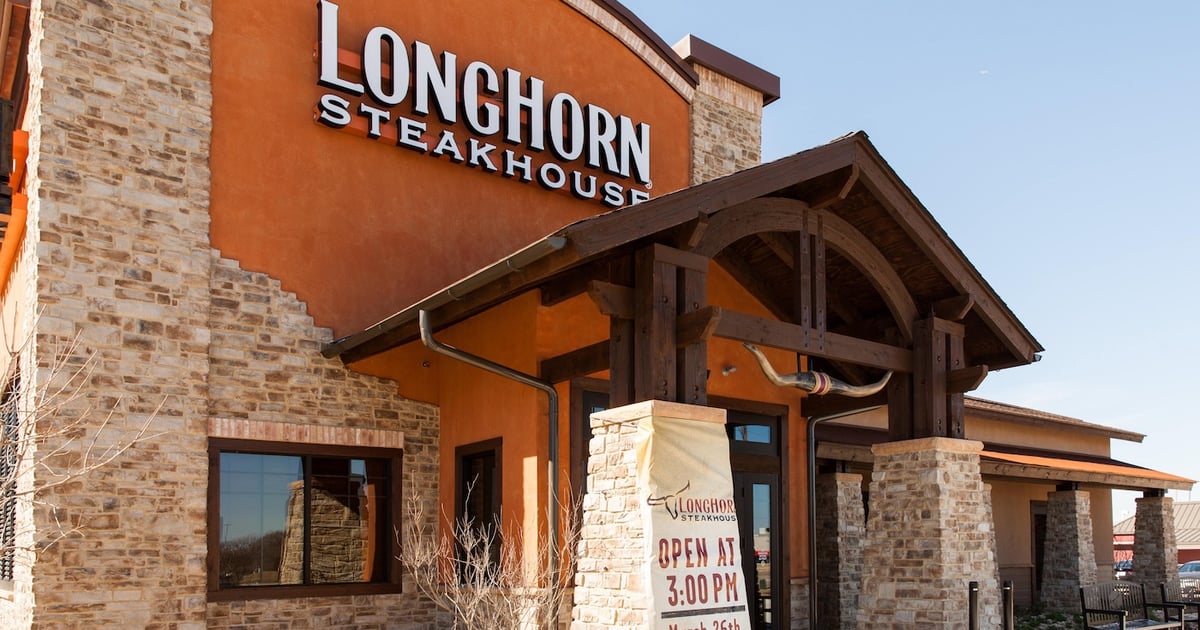
Leading this growth was LongHorn Steakhouse, which saw its comparable store sales surge by an exceptional 7.2%. This performance highlights the enduring popularity of steakhouse concepts, particularly in the current economic climate. Darden CEO Rick Cardenas offered an insightful perspective on the steakhouse segment’s success, suggesting that rising beef prices, paradoxically, can benefit restaurants. He explained that consumers, aware of the cost of beef at home, may be more inclined to dine out, where they can enjoy a professionally prepared steak with the assurance that any issues can be readily addressed by the restaurant staff. This contrasts with the commitment to consume a steak prepared at home, regardless of its quality.
Furthermore, Cardenas noted that LongHorn has strategically kept its price increases below those of grocery stores, making it a more attractive value proposition for consumers. This pricing strategy, coupled with the inherent appeal of steakhouse dining, has clearly resonated with diners, contributing significantly to the brand’s robust sales figures. Darden’s consistent ability to deliver strong results in a challenging market underscores its operational excellence and strategic agility.
MCL Restaurants and Bakery Faces Contraction
In a more somber development for a long-standing regional chain, MCL Restaurants and Bakery is set to close several of its locations this month, primarily in Indiana and Ohio. This contraction will significantly reduce the footprint of the 76-year-old cafeteria-style buffet chain, bringing its total number of restaurants to fewer than 10. MCL Restaurants, which reached its peak in the 1990s with nearly 30 locations, has been on a steady decline for years.
The company attributed these closures to insufficient sales to offset rising operating costs. This statement reflects a common challenge faced by many legacy restaurant concepts that struggle to adapt to evolving consumer preferences and the competitive landscape. The buffet model, in particular, has faced headwinds as consumers increasingly seek more personalized dining experiences and healthier options.
The shrinking presence of MCL Restaurants serves as a cautionary tale for older, traditional restaurant formats. The ability to remain relevant and profitable in the modern restaurant industry requires continuous adaptation, investment in brand modernization, and a keen understanding of consumer demands. The company’s decision to close underperforming locations, while painful, is likely a necessary step to preserve the viability of its remaining operations.
Broader Implications and Industry Trends
The contrasting fortunes of FAT Brands and Darden Restaurants offer a microcosm of the diverse challenges and opportunities within the broader restaurant industry. FAT Brands’ situation highlights the significant risks associated with aggressive debt-financed growth and the critical importance of robust financial management. The company’s reliance on lender support underscores the precarious position many businesses can find themselves in when facing liquidity crises. The restructuring process will be closely watched as an indicator of how effectively distressed restaurant companies can navigate Chapter 11 and emerge as viable entities.
On the other hand, Darden Restaurants’ success demonstrates the power of strong brand management, strategic pricing, and operational efficiency. The company’s ability to consistently deliver value and adapt to consumer trends has cemented its position as a leader in the casual-dining sector. The insights from CEO Rick Cardenas regarding the steakhouse market also provide valuable context for understanding consumer behavior in relation to food costs and dining choices.
The struggles of MCL Restaurants and Bakery point to the ongoing pressure on traditional restaurant models. The industry is in a constant state of flux, driven by changing demographics, technological advancements, and evolving consumer tastes. Restaurants that fail to innovate and adapt risk becoming obsolete, as evidenced by MCL’s declining footprint.
The restaurant industry, in general, continues to grapple with a complex interplay of economic factors. Inflationary pressures on food and labor costs remain a significant concern for operators. However, there are also signs of resilience, particularly among brands that can offer perceived value and a compelling dining experience. The ability to manage costs effectively while meeting consumer demand for quality and convenience will be paramount for success in the coming years.
The news from FAT Brands, Darden, and MCL Restaurants provides a comprehensive snapshot of the dynamic and often challenging environment in which restaurant companies operate. Each story, while unique, offers valuable lessons about financial stewardship, brand strategy, and the imperative for continuous adaptation in a competitive marketplace. The coming months will be critical for FAT Brands as it works to implement its restructuring plan and for all industry players as they navigate the ongoing economic uncertainties and evolving consumer landscape.
