

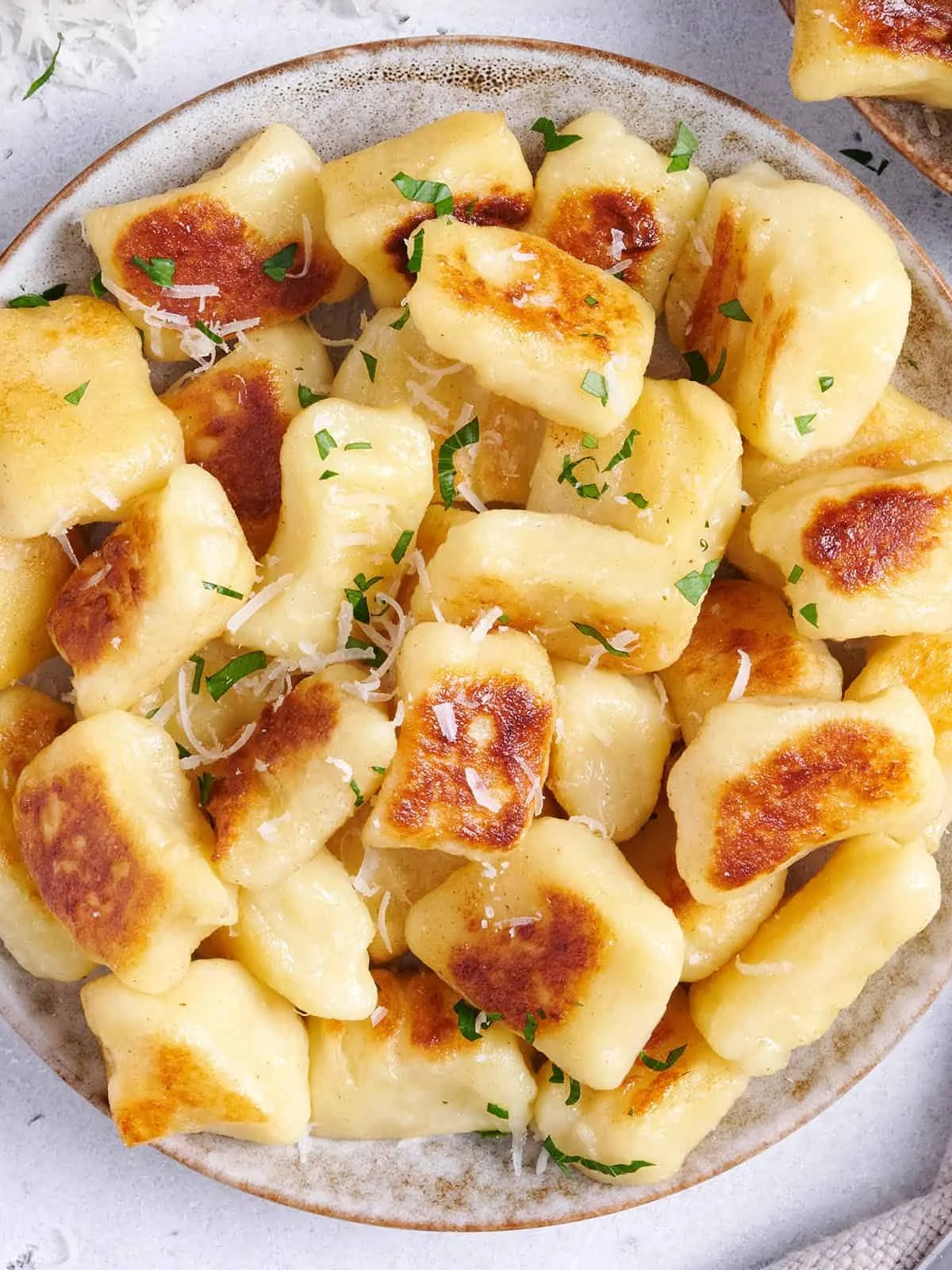
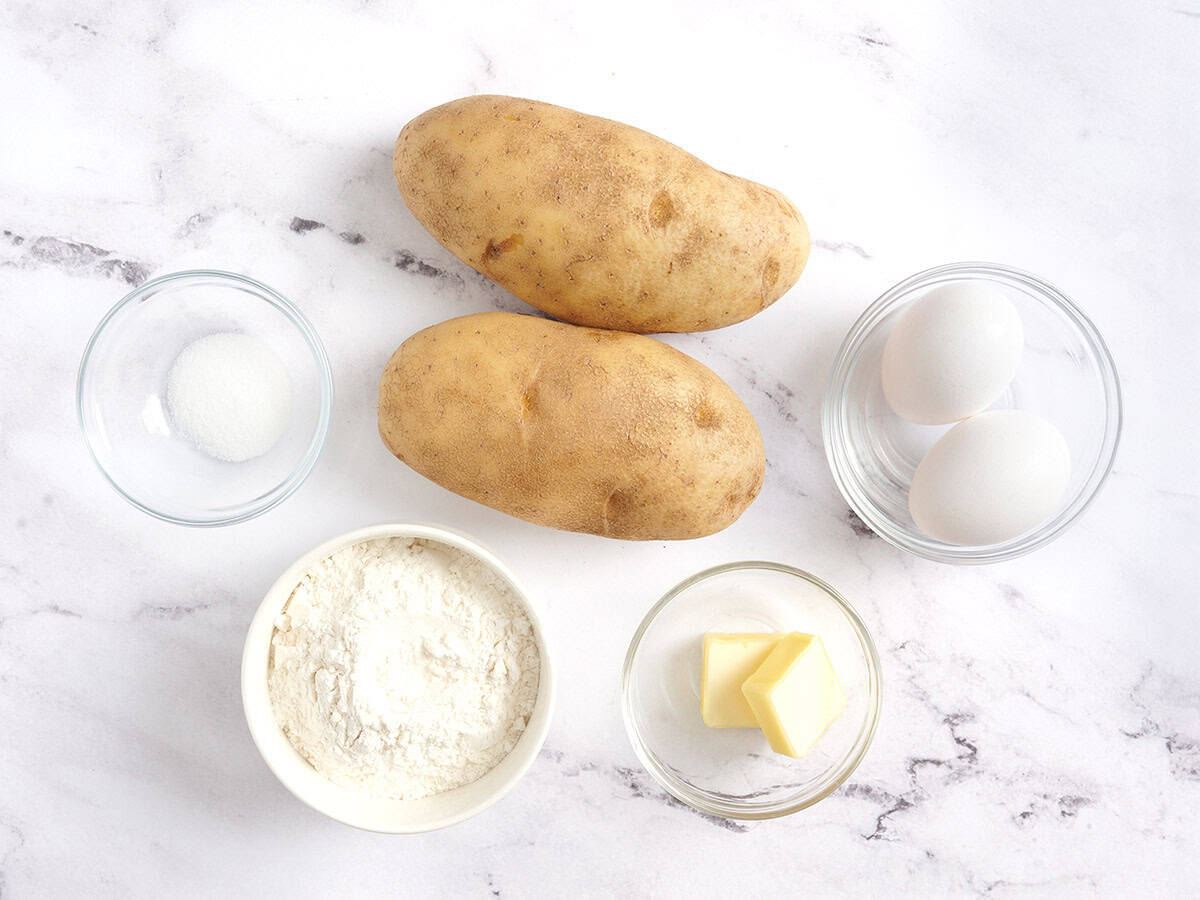
The culinary landscape of contemporary home cooking has seen a significant shift toward artisanal, "from-scratch" methods, as consumers increasingly prioritize quality and cost-effectiveness over the convenience of processed goods. Among the most revered techniques in the Italian-inspired repertoire is the creation of potato gnocchi—a delicate dumpling that serves as a bridge between pasta and pastry. While often perceived as a daunting task by novice cooks, recent developments from the Nashville Test Kitchen suggest that achieving the perfect "pillowy" texture relies more on scientific precision and intuition than on complex ingredient lists. By utilizing a minimalist four-ingredient profile, culinary experts have demonstrated that the traditional gnocchi-making process is both an accessible art form and a highly economical meal solution, costing approximately $0.68 per serving.
The Evolution and Cultural Context of the Potato Dumpling
The history of gnocchi dates back to Roman times, though the original iterations were made from a semolina-based dough similar to porridge. The transformation of the dish occurred following the introduction of the potato to Europe from the Americas in the 16th century. It was in the regions of Northern Italy, where the climate favored potato cultivation over grain, that the modern potato gnocchi (gnocchi di patate) became a regional staple.
In a modern context, the resurgence of homemade gnocchi represents a broader movement toward "slow food." Professional chefs, including Melissa Nolan, a recipe developer with extensive experience in high-end establishments like New York City’s Per Se, emphasize that the gap between store-bought and homemade gnocchi is vast. Commercial varieties often rely on stabilizers and vacuum-sealing, which can result in a dense, rubbery texture. Conversely, the homemade version focuses on the structural integrity of the potato starch, creating a product that is significantly lighter and more absorbent of sauces.
The Technical Chronology of Gnocchi Preparation
The production of high-quality gnocchi is a time-sensitive process that requires a specific sequence of events to manage moisture and gluten development. The following timeline outlines the professional methodology established for optimal results.
Phase I: Thermal Processing and Moisture Extraction
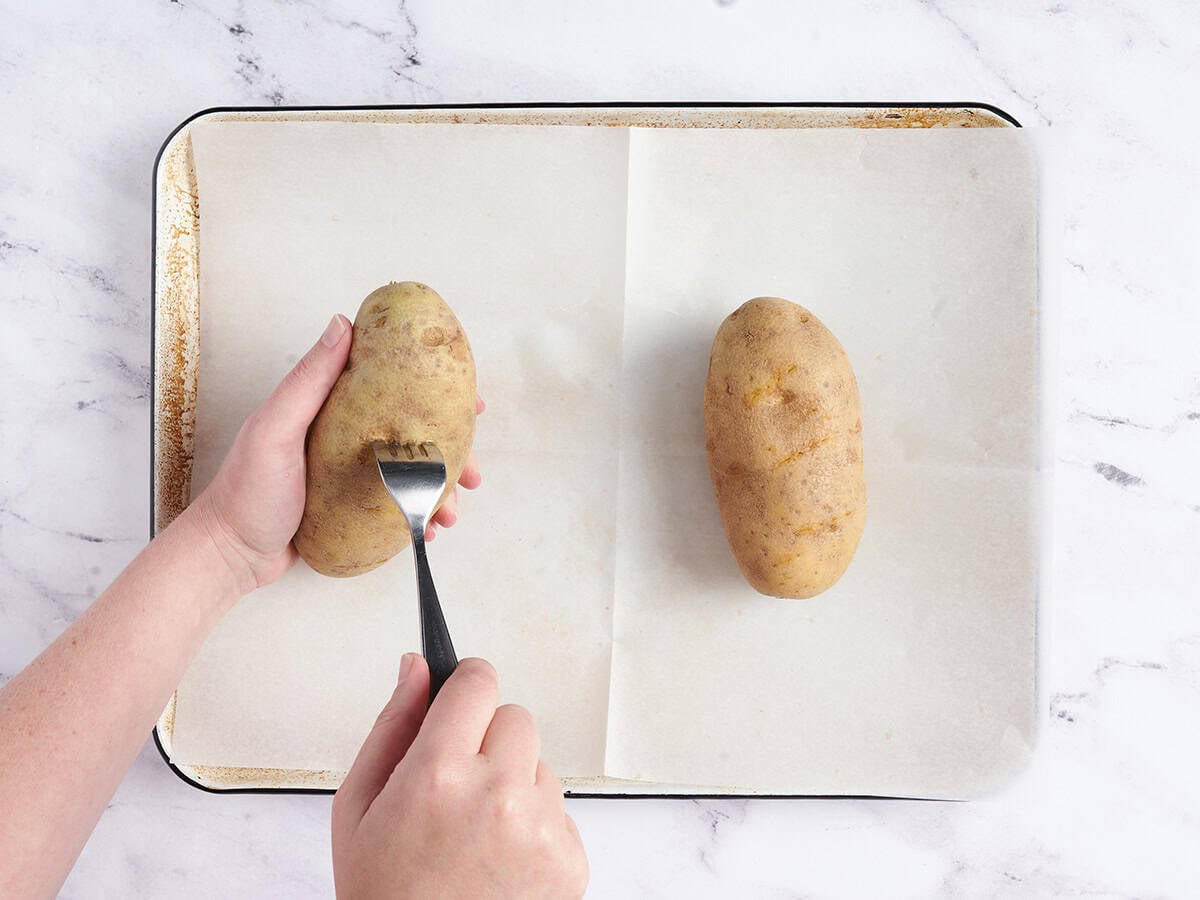
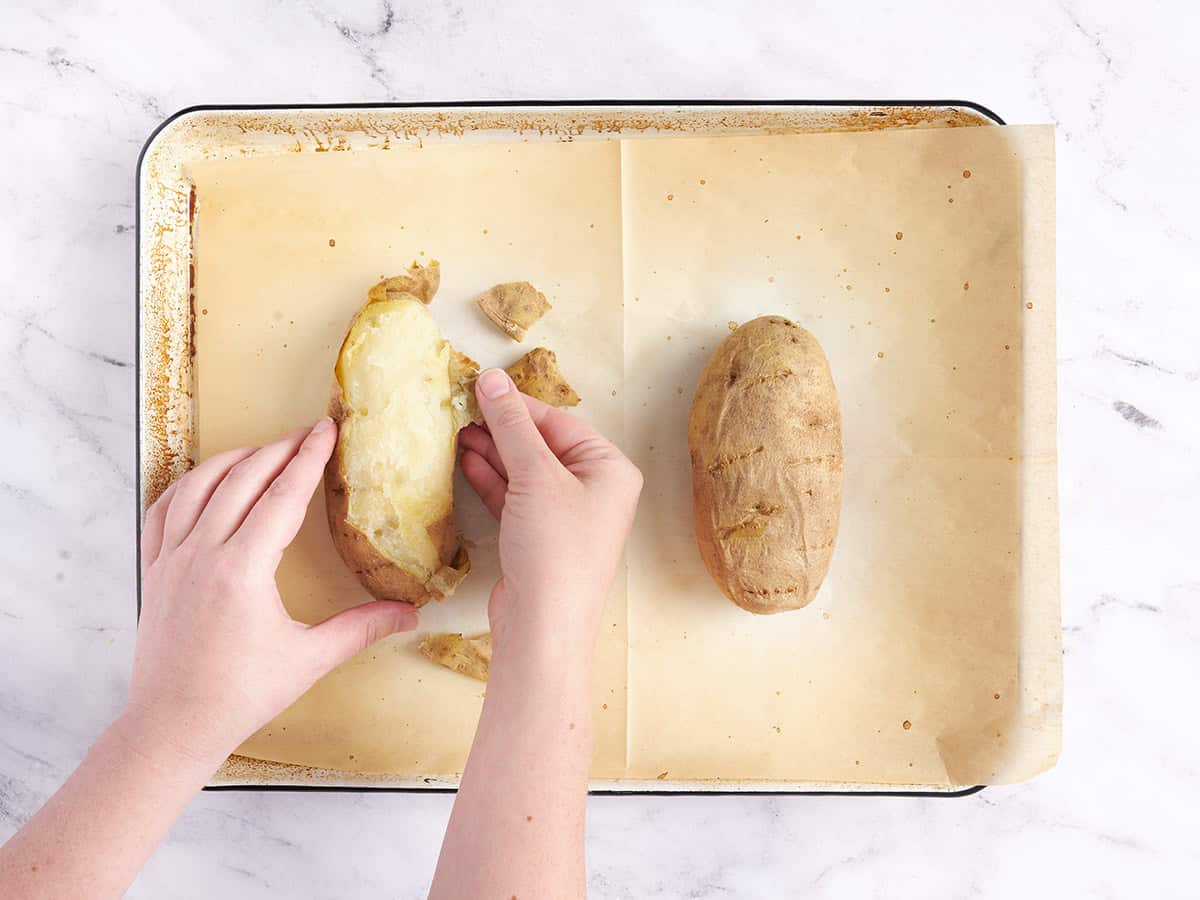
The foundation of the recipe begins with the selection and preparation of the tubers. Experts advocate for the use of Russet potatoes due to their high starch and low moisture content. Unlike boiling, which introduces external water into the vegetable, baking the potatoes at 400°F for approximately one hour allows internal steam to escape through a pierced skin. This dehydration is critical; excess moisture is the primary cause of gnocchi failure, leading to a dough that requires too much flour and subsequently becomes heavy.
Phase II: Structural Integration
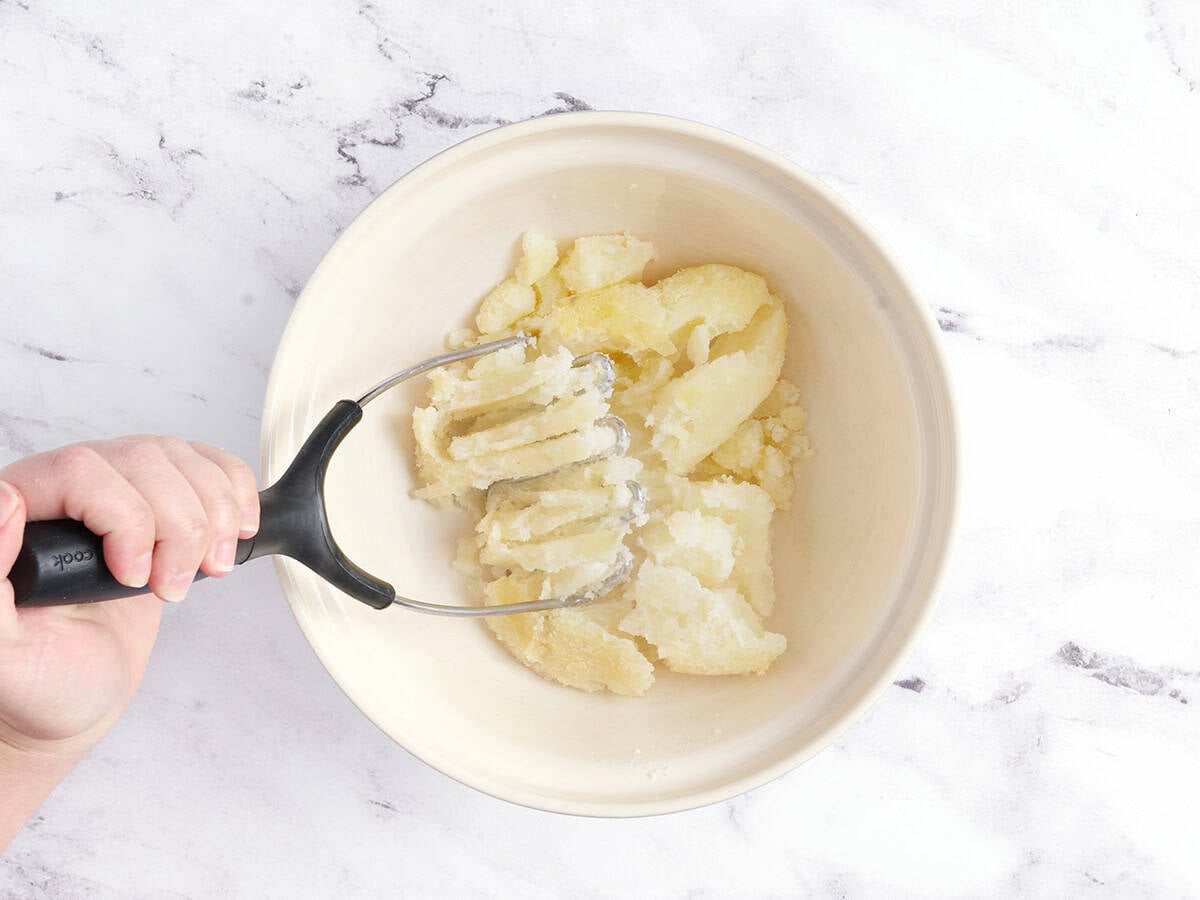
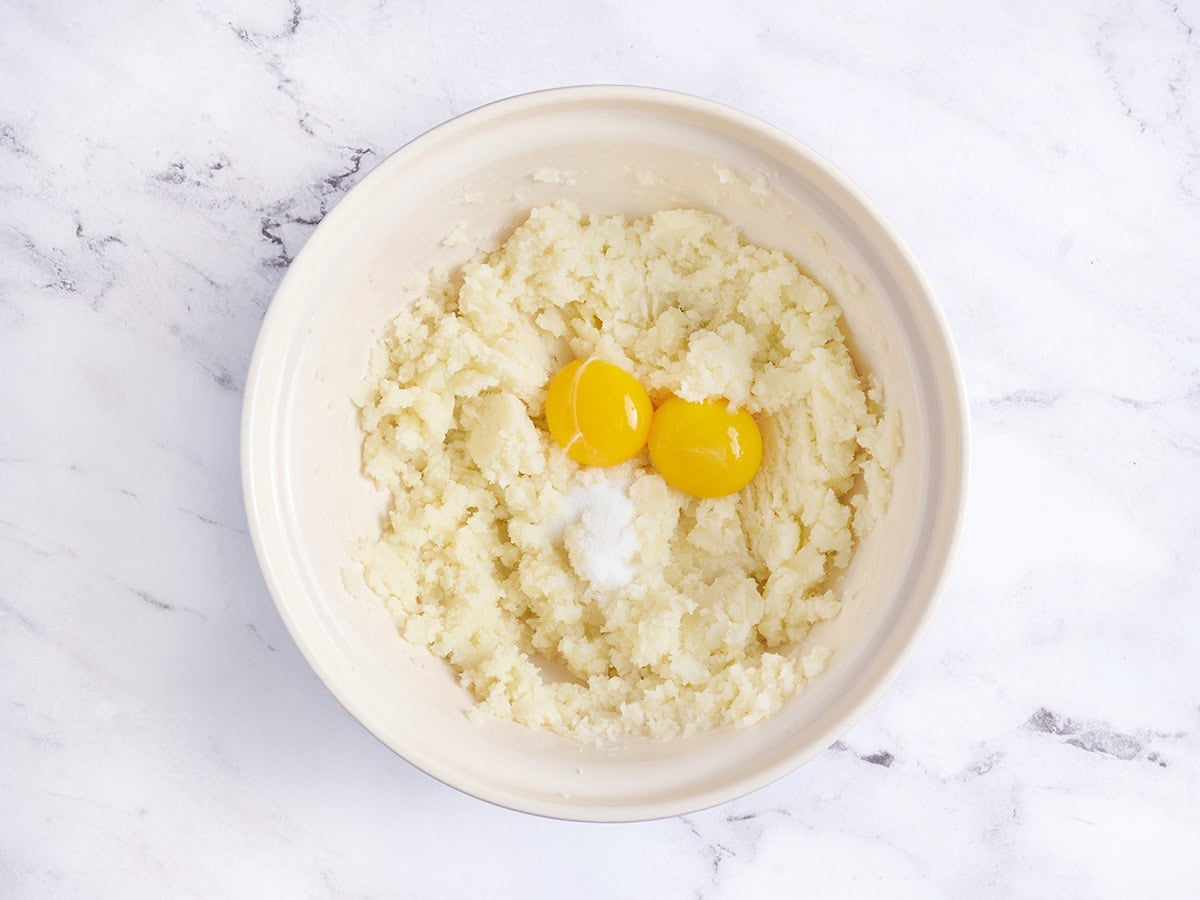
Once the potatoes are fork-tender, they must be processed while still warm. The Nashville Test Kitchen recommends using a ricer or a fine masher to achieve a lump-free, aerated texture. At this stage, two egg yolks and a single teaspoon of salt are integrated. The yolks act as a protein binder, providing richness and structural stability without the toughness that egg whites can sometimes impart.
Phase III: Controlled Flour Incorporation
The most variable stage of the process is the addition of all-purpose flour. Environmental factors, such as kitchen humidity and the specific moisture levels of the potatoes, dictate the exact volume required. Professionals suggest adding flour gradually—starting with half a cup—until the dough reaches a "tacky but not sticky" consistency. Overworking the dough at this stage triggers excessive gluten development, which destroys the desired "pillowy" mouthfeel. A brief resting period of ten minutes follows, allowing the flour to fully hydrate and the gluten to relax.
Phase IV: Shaping and Texturizing
The dough is divided into quarters and rolled into ropes with a diameter of approximately 0.5 to 0.75 inches. These are cut into "knuckles" (the literal translation of the word gnocchi). A defining characteristic of artisanal gnocchi is the creation of grooves, typically achieved by rolling each piece over the tines of a fork. This is not merely an aesthetic choice; the increased surface area and internal pockets allow sauces, such as marinara or pesto, to cling more effectively to the dumpling.
Scientific Analysis of Ingredient Selection
The success of potato gnocchi is rooted in the chemistry of starch. Russet potatoes are preferred because their starch granules are large and tend to swell and separate when cooked, creating a "mealy" or "fluffy" texture. In contrast, waxy potatoes like Red Bliss or Fingerlings contain more moisture and sugar, which can result in a glue-like consistency when mashed.
The role of flour is equally significant. In traditional Italian cooking, "00" flour is often used for its fine grind, but standard all-purpose flour is the preferred choice for home cooks in North America due to its accessibility and reliable protein content. The goal is to use the absolute minimum amount of flour necessary to hold the potato together. If the ratio of potato to flour is too low, the gnocchi will dissolve in the boiling water; if it is too high, the result is a dense, floury mass.
Economic and Nutritional Data
In an era of rising food costs, the economic profile of homemade gnocchi is particularly compelling. Data from the Nashville Test Kitchen breaks down the costs as follows:
- Total Recipe Cost: $2.04
- Cost Per Serving: $0.68 (based on three servings)
- Yield: Approximately 75 pieces (25 pieces per serving)
From a nutritional perspective, a single serving of these potato-based dumplings provides a substantial energy source. A standard serving contains approximately 398 calories, 65 grams of carbohydrates, and 10 grams of protein. While the dish is calorie-dense, the use of whole food ingredients—potatoes, eggs, and flour—eliminates the preservatives and high sodium levels found in many shelf-stable pasta alternatives, which can contain upwards of 37% of the daily recommended sodium intake in a single portion.
Expert Perspectives and Culinary Best Practices
Chef Melissa Nolan, whose background includes a degree in business hospitality and training at Johnson and Wales University, suggests that the "mindset" of the cook is as important as the recipe. "Gnocchi is truly an art," Nolan notes, emphasizing that intuition plays a key role in feeling the dough’s resistance.
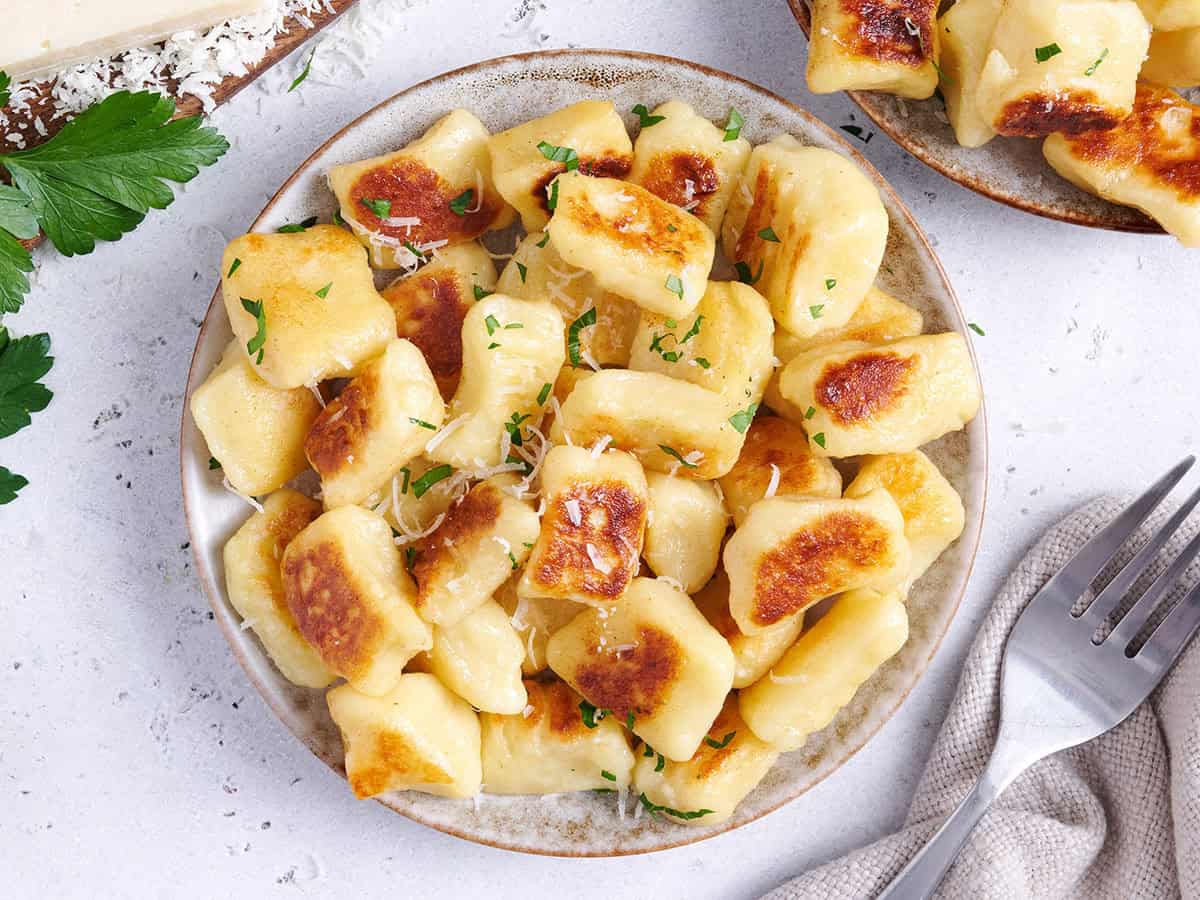
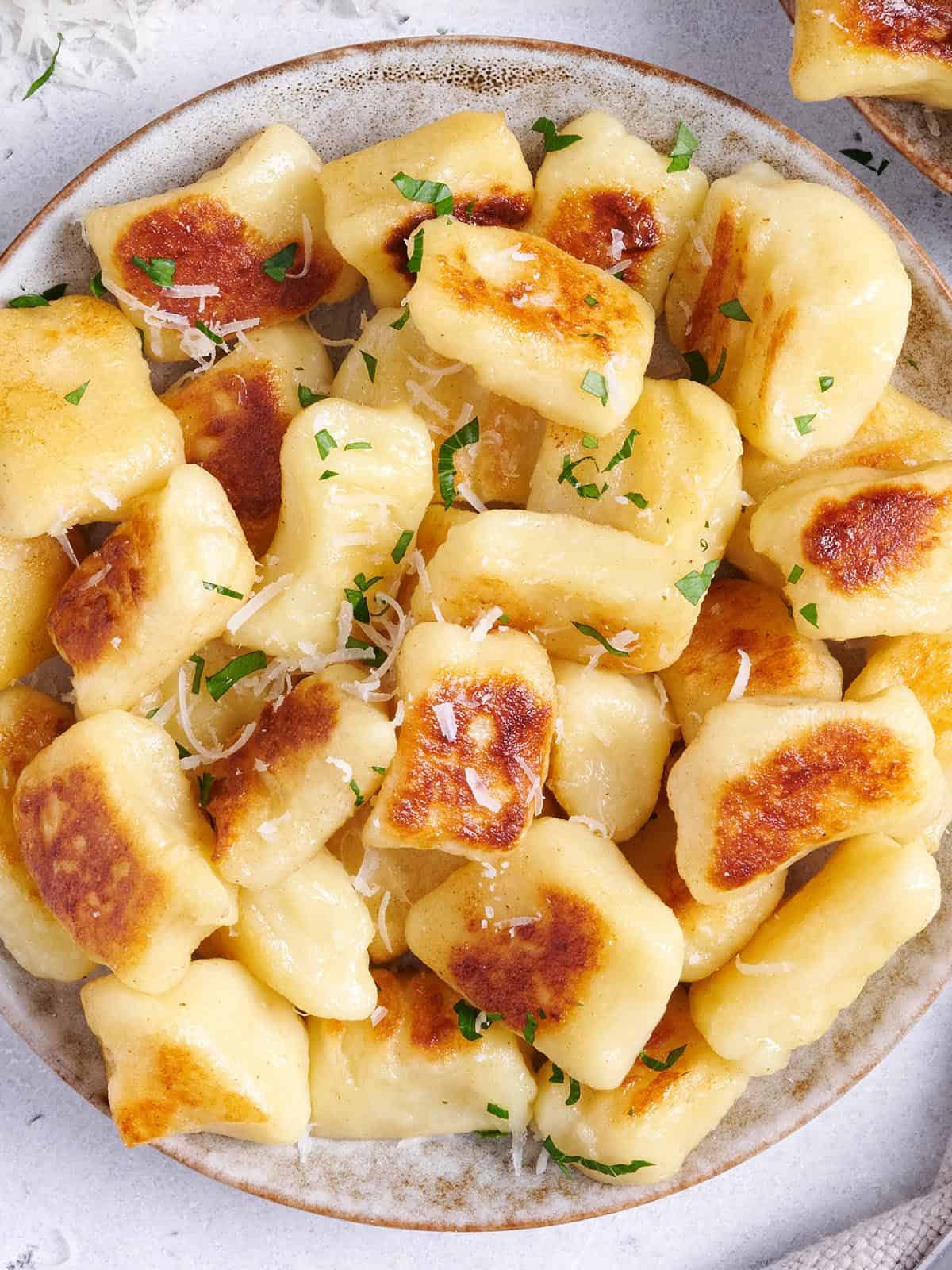
One of the most common errors identified by culinary instructors is the overcooking of the dumplings during the boiling phase. Gnocchi should be removed from the boiling water almost immediately after they rise to the surface—a process that typically takes less than 120 seconds. To further enhance the flavor profile and texture, a secondary cooking phase is recommended: searing the boiled gnocchi in a skillet with browned butter. This creates a Maillard reaction, resulting in a crisp, golden-brown exterior that contrasts with the soft interior.
Storage, Preservation, and Future Implications
The versatility of gnocchi extends to its storage capabilities, making it an ideal candidate for meal prep. Uncooked gnocchi can be "flash-frozen" on a sheet tray before being transferred to airtight bags, where they remain viable for up to three months. This allows home cooks to prepare large batches and cook them directly from frozen, maintaining the integrity of the product without the need for thawing.
As home cooking continues to evolve, the demand for high-quality, low-cost recipes like potato gnocchi is expected to grow. The ability to transform humble ingredients—the potato and the egg—into a meal that rivals restaurant-quality pasta reflects a broader trend toward culinary self-sufficiency. By mastering the technical nuances of moisture control and starch management, the home cook can move beyond the limitations of store-bought goods, achieving a level of gastronomic sophistication that is both sustainable and affordable.
The broader impact of this culinary education is significant. It empowers consumers to reduce their reliance on industrial food systems while fostering a deeper appreciation for traditional techniques. As demonstrated by the Nashville Test Kitchen, the path to a breathtakingly delicate meal is not paved with expensive gadgets or exotic ingredients, but with the right mindset, a little intuition, and a fundamental understanding of the art of the potato.
