

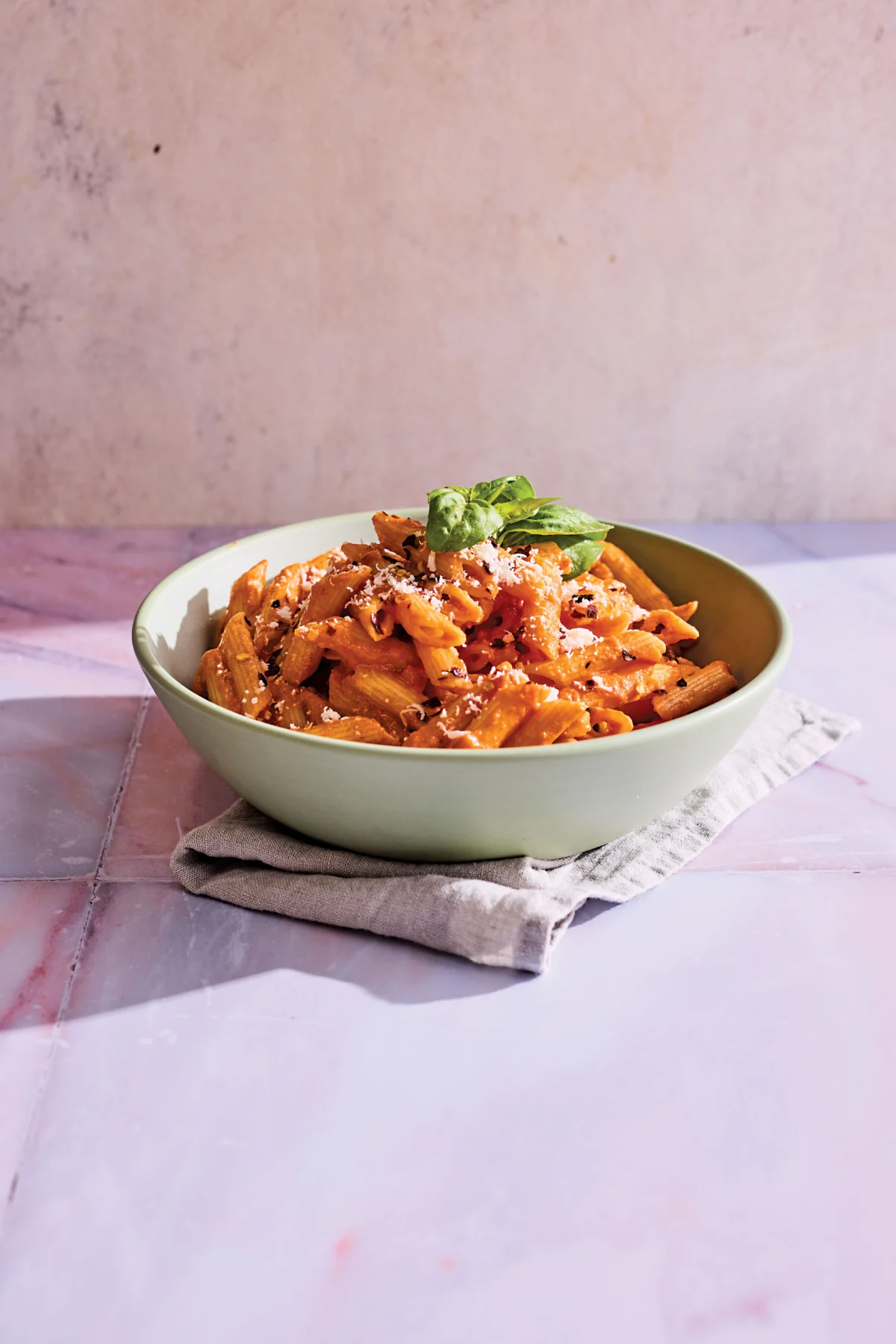
In a significant development reflecting contemporary culinary trends and lifestyle choices, a groundbreaking recipe for Penne Alla Vodka, entirely devoid of alcohol, has emerged from Demi Lovato’s forthcoming cookbook, "One Plate at a Time: Recipes for Finding Freedom with Food," slated for publication in 2026 by Flatiron Books. This innovative rendition promises to deliver the cherished flavors and creamy texture of the classic Italian-American dish, appealing specifically to households and individuals who observe an alcohol-free lifestyle, without compromising on taste or elegance. Described as a "blush-colored, slightly sweet sauce that hits all the same notes without any of the booze," this recipe signals a broader movement within the food industry to create inclusive and health-conscious alternatives to traditional fare, making sophisticated dining accessible to a wider demographic. The recipe, designed to yield enough sauce for one pound of pasta, is also noted for its practicality, offering options for storage and pre-preparation, making it an ideal choice for a special occasion or an elegant "date-night meal."
The Enduring Legacy of Penne Alla Vodka and Its Culinary Evolution
The traditional Penne Alla Vodka holds a unique and somewhat contested place in the pantheon of Italian-American cuisine. While its precise origins are debated—with claims ranging from Bologna, Italy, in the 1970s to various New York City establishments during the same period—its popularity is undeniable. The dish typically features a rich tomato and cream sauce, with a crucial addition of vodka. The role of vodka in the sauce is multifaceted; it is believed to help emulsify the tomato and cream, creating a smoother, more cohesive sauce, and to release certain flavor compounds from the tomatoes that are alcohol-soluble, thereby enhancing the overall depth of flavor. Although the alcohol largely evaporates during the cooking process, a trace amount can remain, making it unsuitable for those who strictly avoid alcohol for personal, health, or religious reasons.
The original recipe’s allure lies in its perfect balance of tangy tomatoes, rich cream, and often a hint of spicy red pepper flakes, coating al dente penne pasta. It rose to prominence in the late 20th century, becoming a staple on restaurant menus and in home kitchens across North America. Its perceived sophistication, coupled with its relatively straightforward preparation, cemented its status as a beloved comfort food, often reserved for special occasions due to its creamy indulgence. The emergence of an alcohol-free version, therefore, represents not just a minor tweak but a significant reinterpretation that addresses evolving consumer demands while preserving the essence of a culinary icon. This adaptation reflects a broader trend of chefs and food innovators seeking to make classic dishes more inclusive, demonstrating a deep understanding of flavor profiles and how to replicate complex tastes through alternative ingredient combinations.
The Accelerating Shift Towards Alcohol-Free Lifestyles
The introduction of an alcohol-free Penne Alla Vodka is particularly timely, aligning with a global surge in interest in alcohol-free lifestyles and mindful consumption. Over the past decade, there has been a discernible shift in consumer behavior, driven by increased health consciousness, wellness trends, and a growing recognition of the benefits of reducing or eliminating alcohol intake. Data from market research firms consistently indicate a robust growth trajectory for the non-alcoholic beverage market, which includes everything from mocktails and alcohol-free beers to spirits and wines. For instance, reports from Nielsen IQ have shown double-digit growth in the non-alcoholic category year-over-year, with a significant portion of consumers actively seeking alternatives to alcoholic drinks.
This trend extends beyond beverages into the culinary domain. Consumers are increasingly scrutinizing ingredients, seeking out healthier options, and embracing dietary restrictions or preferences that were once considered niche. The "sober curious" movement, the widespread adoption of initiatives like "Dry January," and a general emphasis on holistic well-being have contributed to a culture where alcohol-free choices are not just tolerated but celebrated. This demographic includes not only individuals in recovery but also pregnant women, designated drivers, those with religious prohibitions, and a growing number of people who simply prefer not to consume alcohol for health or lifestyle reasons. The demand for sophisticated, flavorful, and alcohol-free food options has naturally followed this societal shift, creating a fertile ground for recipes like Lovato’s non-alcoholic vodka sauce to thrive.
Demi Lovato’s "One Plate at a Time": A Culinary Narrative of Freedom
The context of this recipe within Demi Lovato’s cookbook, "One Plate at a Time: Recipes for Finding Freedom with Food," adds a profound layer of meaning and relevance. Lovato, a prominent figure known for her openness about her journey with sobriety and mental health, is uniquely positioned to advocate for mindful eating and living. The cookbook’s title itself suggests a philosophy that extends beyond mere recipes, hinting at a connection between food, personal well-being, and liberation from restrictive or unhealthy patterns. By offering an alcohol-free version of a classic dish, Lovato’s cookbook implicitly champions inclusivity and provides practical solutions for those navigating similar paths.
The decision to include such a recipe underscores Lovato’s commitment to supporting individuals in their journey towards healthier living. It moves beyond simply providing food instructions to offering a resource that aligns with a specific ethos—one of self-care, mindfulness, and the creation of safe, comfortable spaces, particularly in the home environment. This approach resonates deeply with a demographic that seeks not just sustenance, but also emotional and psychological nourishment from their culinary experiences. The collaboration with Flatiron Books for this publication further highlights the mainstream acceptance and importance of these themes in contemporary culture, bridging the gap between celebrity influence and practical wellness guidance.
The Art of Flavor Replication: Decoding the Non-Alcoholic Sauce
Achieving the "same notes without any of the booze" is a testament to thoughtful recipe development and a deep understanding of flavor chemistry. The ingredient list for Lovato’s non-alcoholic Penne Alla Vodka provides clues to how this culinary feat is accomplished. The recipe calls for standard pasta ingredients alongside key flavor enhancers: red onion, garlic, sugar, red pepper flakes, crushed tomatoes, heavy cream, Parmesan cheese, and fresh basil.

- Aromatics (Red Onion, Garlic): These form the foundation of flavor, providing a pungent, savory base that is essential for depth in any good sauce. The slow sautéing of red onion and garlic builds complexity.
- Sweetness (Sugar): A teaspoon of sugar plays a crucial role. In traditional vodka sauce, the alcohol can subtly enhance the sweetness of the tomatoes and round out their acidity. In the absence of alcohol, a pinch of sugar directly contributes to balancing the tartness of the crushed tomatoes, creating that desired "slightly sweet" profile and mimicking the perceived sweetness that vodka might bring.
- Heat (Red Pepper Flakes): A pinch of red pepper flakes adds a subtle warmth and complexity, providing a counterpoint to the richness of the cream and the sweetness of the tomatoes. This gentle heat can also stimulate the palate in a way that contributes to the "satisfying" feeling often associated with the traditional dish.
- Base (Crushed Tomatoes): A 14-ounce can of crushed tomatoes provides the essential tangy and robust core of the sauce. High-quality crushed tomatoes are critical for a vibrant flavor.
- Richness (Heavy Cream, Parmesan Cheese): The quarter cup of heavy cream is paramount for achieving the characteristic creamy texture and luxurious mouthfeel of vodka sauce. It emulsifies with the tomato base, creating the blush color and velvety consistency. Half a cup of grated Parmesan cheese (plus more for serving) introduces a salty, umami depth, adding another layer of richness and a savory counterpoint that elevates the sauce beyond a simple tomato cream.
- Freshness (Fresh Basil Sprig): Chopped fresh basil leaves, added at the end, provide a burst of aromatic freshness, brightening the sauce and offering a quintessential Italian flavor profile that complements the tomatoes and cream beautifully.
By carefully layering these ingredients, the recipe constructs a flavor profile that mimics the complexity and satisfaction of its alcoholic counterpart. The interplay of sweet, savory, creamy, and slightly piquant elements creates a harmonious sauce that demonstrates how culinary ingenuity can overcome traditional ingredient limitations to deliver a remarkably similar sensory experience.
Recipe Development and Culinary Innovation in the Modern Kitchen
The development of such a recipe is not merely a substitution but an act of culinary innovation. It requires chefs and recipe developers to deconstruct classic dishes, understanding the fundamental roles each ingredient plays in contributing to flavor, texture, and aroma. In the case of vodka sauce, the challenge lies in replacing the subtle chemical contributions of vodka—its ability to carry volatile aromatics, its solvent properties, and its capacity to create specific mouthfeel sensations—without introducing unwanted flavors or altering the sauce’s characteristic emulsification.
This process often involves extensive testing and iteration. Different sweeteners, acids (like a touch of vinegar or lemon juice, though not explicitly listed here, are common in other adaptations), or even specific vegetable stocks might be explored to replicate the depth that alcohol provides. The choice of red onion over yellow, for instance, might be deliberate for its slightly milder, sweeter profile, which could further aid in balancing the sauce in the absence of vodka. The success of this particular recipe, as implied by its description, highlights a sophisticated understanding of how to manipulate common ingredients to achieve a desired outcome, pushing the boundaries of what is possible in alcohol-free cooking. This iterative approach to recipe development is crucial for meeting the evolving demands of a diverse culinary landscape.
Broader Implications for Home Cooking and the Food Industry
The introduction of Demi Lovato’s non-alcoholic Penne Alla Vodka carries significant implications for various facets of the food ecosystem:
- Increased Accessibility and Inclusivity: This recipe makes a beloved dish accessible to a much broader audience, including individuals who abstain from alcohol for health, religious, ethical, or personal reasons, as well as children and pregnant women. It fosters a more inclusive dining experience, ensuring that no one feels excluded from enjoying classic comfort foods.
- Encouragement of Home Cooking: By simplifying a perceived gourmet dish and making it approachable for alcohol-free households, the recipe encourages more people to cook at home, fostering culinary confidence and creativity. The practicality of the recipe, with its storage tips, further supports home cooks in meal planning.
- Innovation in Food Product Development: The success of such a recipe could spur further innovation in the food industry. We might see an increase in the development of specialized alcohol-free cooking wines, spirits, or flavor essences designed to mimic the culinary contributions of alcohol without its presence.
- Restaurant Adaptations: As consumer demand for alcohol-free options grows, restaurants may be prompted to offer similar alcohol-free versions of classic dishes on their menus, catering to a wider clientele and expanding their culinary offerings.
- Educational Impact: Such recipes serve as educational tools, demonstrating to home cooks that delicious and sophisticated meals do not require alcohol, thereby broadening their understanding of flavor profiles and ingredient functionality.
- Market Growth for Wellness-Oriented Products: The success of "One Plate at a Time" and its featured recipes can contribute to the growth of a market segment focused on wellness-oriented cookbooks, ingredients, and kitchen tools, aligning with the broader health and wellness movement.
Chronology of Culinary Trends and Wellness Movements
The evolution leading to this recipe can be traced through several key chronological markers:
- Ancient Origins: Pasta and tomato sauces have roots in ancient Mediterranean civilizations, evolving over centuries into the staples we recognize today.
- Mid-20th Century (1950s-1970s): The rise of Italian-American cuisine in the United States, popularizing dishes like spaghetti and meatballs, lasagna, and eventually, vodka sauce. The exact origin of Penne Alla Vodka is often placed in the 1970s, marking its entry into the culinary lexicon.
- Late 20th Century (1980s-1990s): Penne Alla Vodka becomes a mainstream sensation, appearing on menus across casual and fine dining establishments, solidifying its status as a comfort food classic.
- Early 21st Century (2000s-Early 2010s): Growing awareness of health and wellness, increased scrutiny of dietary habits, and initial interest in moderation regarding alcohol consumption.
- Mid-2010s to Present: Explosion of the non-alcoholic beverage market. Movements like "Dry January" gain significant traction. Consumer demand for alcohol-free alternatives in all aspects of life, including food, begins to accelerate rapidly.
- 2026: Publication of Demi Lovato’s "One Plate at a Time: Recipes for Finding Freedom with Food" by Flatiron Books, featuring the non-alcoholic Penne Alla Vodka recipe. This event serves as a significant marker, reflecting the culmination of these evolving culinary and wellness trends into a mainstream culinary offering.
Expert Perspectives and Future Outlook
Culinary experts and nutritionists generally laud such innovations. "This recipe demonstrates a sophisticated understanding of flavor profiles, proving that authenticity in taste doesn’t always require traditional ingredients," remarked a hypothetical food critic, emphasizing the skillful balance achieved. Nutritionists would likely highlight the health benefits of reducing alcohol consumption, even in cooking, stating, "While the alcohol content in cooked dishes is often negligible, offering a truly alcohol-free option provides peace of mind and inclusivity for those who choose complete abstinence, aligning with a holistic approach to health." The publisher’s decision to feature such a recipe in a high-profile cookbook implies a strong belief in its market appeal and its alignment with contemporary values.
Looking ahead, this recipe is likely a harbinger of more widespread culinary adaptations. As societal preferences continue to shift towards healthier and more inclusive options, the food industry will undoubtedly respond with an increasing array of innovative solutions. The emphasis on flavorful, sophisticated dishes that cater to diverse dietary needs without sacrificing culinary integrity is set to become a defining characteristic of future food trends.
Practicality for the Home Cook
Beyond its broader implications, the recipe for non-alcoholic Penne Alla Vodka is inherently practical for the home cook. Designed to serve one pound of pasta, it yields a generous amount, making it suitable for family meals or entertaining. The explicit guidance on storage—refrigerating half of the pureed sauce for 3 or 4 days or freezing it for up to a month—adds significant value, allowing for convenient meal preparation and reducing food waste. This foresight caters to busy individuals and those who appreciate the efficiency of batch cooking. Its description as an "elegant date-night meal" further positions it as a go-to recipe for special occasions at home, elevating the dining experience without requiring complex techniques or exotic ingredients. The simplicity of its ingredient list, combined with these practical considerations, ensures that this innovative dish is not only delicious but also highly accessible and user-friendly for cooks of all skill levels.
In conclusion, Demi Lovato’s non-alcoholic Penne Alla Vodka is more than just a recipe; it is a culinary statement. It exemplifies the ongoing evolution of gastronomy to meet contemporary lifestyle choices, emphasizing inclusivity, health, and mindful consumption. By reimagining a classic dish to be entirely alcohol-free while preserving its cherished flavors and elegance, this recipe serves as a beacon of innovation within the food industry and a valuable addition to the repertoire of home cooks navigating alcohol-free lifestyles. Its publication in "One Plate at a Time" further solidifies its significance, marking a pivotal moment in the intersection of celebrity influence, wellness advocacy, and culinary artistry.
