

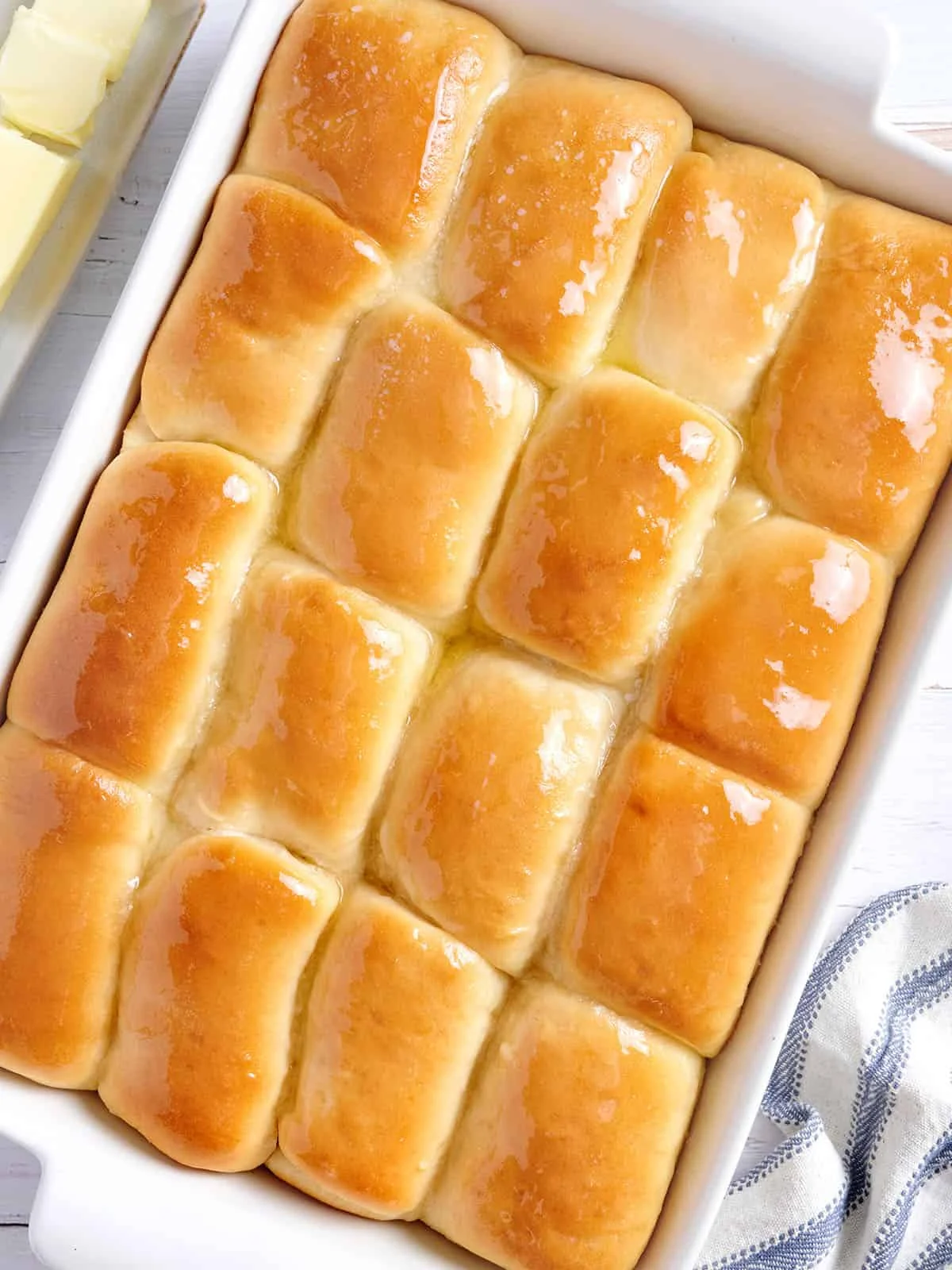
The Parker House roll, a cornerstone of American viticulture and culinary history, continues to maintain its relevance in the modern kitchen, serving as a primary example of how traditional baking techniques can provide both economic relief and artisanal quality in an era of rising food costs. Originating in the late 19th century at the Omni Parker House in Boston, Massachusetts, these rolls have transcended their status as a hotel specialty to become a staple of domestic "comfort food" repertoires. Recent evaluations by culinary research entities, including the Nashville Test Kitchen, underscore the recipe’s high yield and low cost-per-serving, positioning it as a strategic asset for households seeking to balance gourmet standards with fiscal responsibility.
Historical Context and the Boston Origin
The genesis of the Parker House roll is inextricably linked to the history of the Omni Parker House, which holds the distinction of being the oldest continuously operating hotel in the United States. Established by Harvey D. Parker in 1855, the hotel became a cultural hub for the "Saturday Club," an elite gathering of literary and scientific minds including Ralph Waldo Emerson, Henry Wadsworth Longfellow, and Oliver Wendell Holmes. However, it was in the 1870s that the hotel’s bakery produced what would become its most enduring legacy.
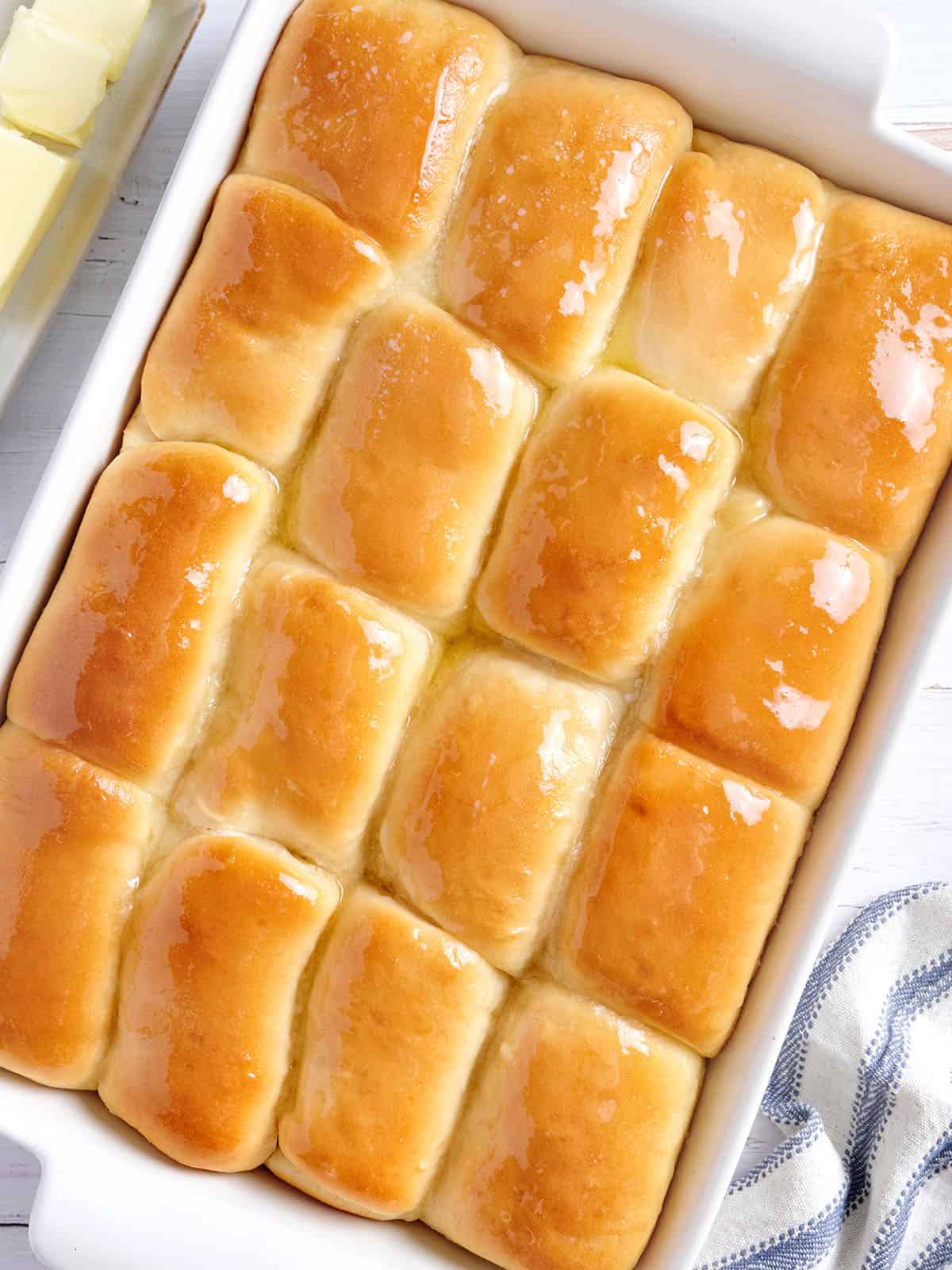
Legend surrounding the roll’s invention often cites a moment of workplace friction. According to popular culinary lore, an angry pastry chef, following an altercation with a hotel guest or supervisor, took unfinished dough and threw it into the oven. The resulting rolls possessed a distinctive folded, "pocket" shape—a departure from the uniform spheres typical of the era. Despite the chaotic origin, the result was a roll with a soft, steamed interior and a crisp, buttery exterior. This architectural fluke became an immediate sensation, leading to the roll’s formal adoption into the hotel’s menu and eventually its distribution in national cookbooks such as the Fannie Farmer Cookbook.
The Nashville Test Kitchen Analysis: Economic Feasibility
In a detailed cost-benefit analysis conducted by recipe developers in Nashville, the Parker House roll was identified as a premier candidate for budget-conscious hosting. According to data released by the Nashville Test Kitchen, a standard yield of 16 rolls can be produced for a total ingredient cost of approximately $3.20. This breaks down to a remarkably low $0.20 per serving.
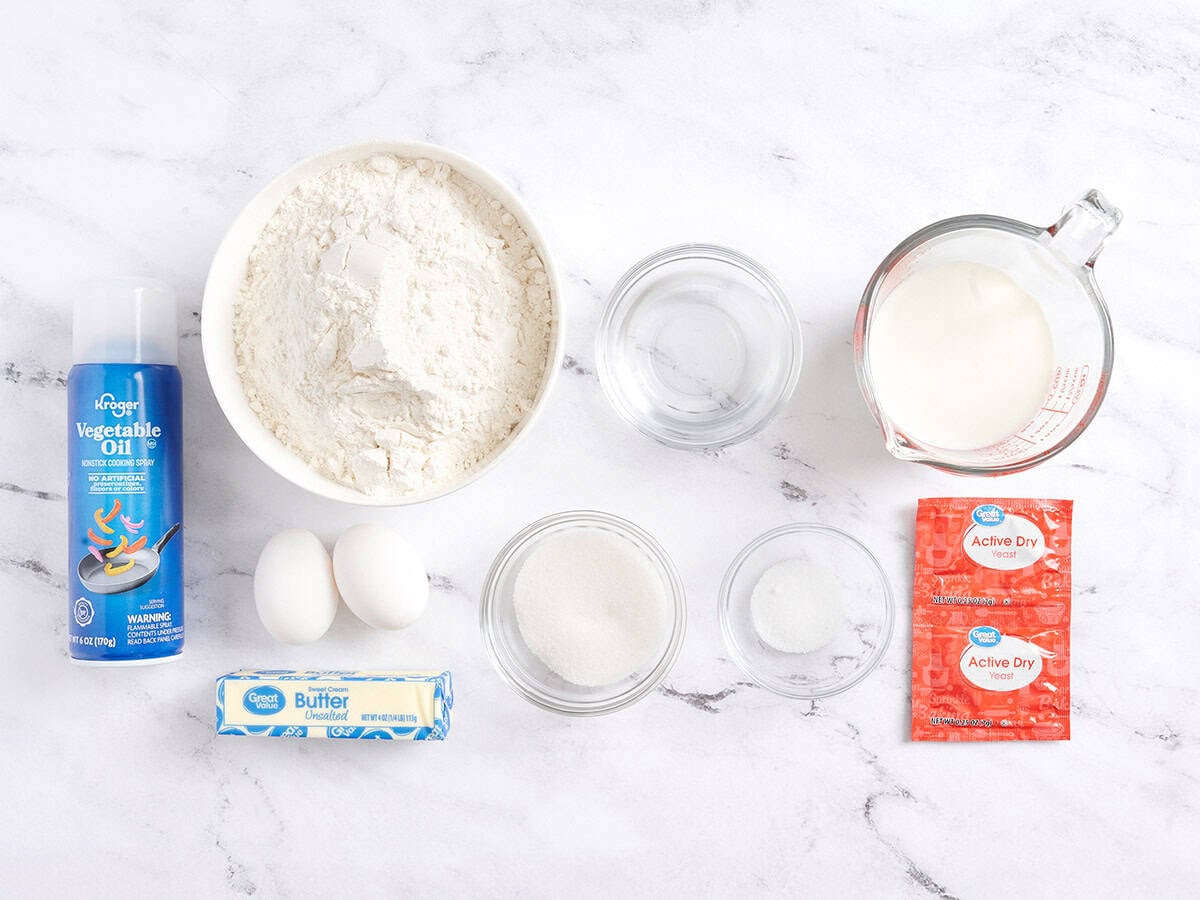
When contrasted with premium store-bought bakery rolls, which often retail for between $0.50 and $1.00 per unit depending on the region and quality, the home-baked Parker House roll represents a savings of 60% to 80%. The ingredient list—comprising flour, sugar, active dry yeast, butter, milk, salt, and eggs—relies on pantry staples that are less susceptible to the extreme price volatility seen in processed or pre-packaged convenience foods.
Nutritional Profile and Ingredient Breakdown
The nutritional data for a single Parker House roll produced under these standardized conditions includes:
- Calories: 208 kcal
- Carbohydrates: 31g
- Protein: 5g
- Fat: 7g
- Sodium: 161mg
- Fiber: 1g
The "enriched" nature of the dough, provided by the inclusion of milk, eggs, and a significant volume of butter, distinguishes it from leaner breads like baguettes or sourdough. This enrichment results in a tender crumb and a prolonged shelf life compared to water-based doughs.
The Technical Chronology of Production
The production of Parker House rolls is characterized by a "patience-first" methodology, requiring a total time investment that spans several hours, though the actual labor-intensive portions are relatively brief. The process is divided into several critical phases: activation, primary fermentation, shaping, secondary fermentation, and thermal processing.
Phase I: Yeast Activation and Enrichment
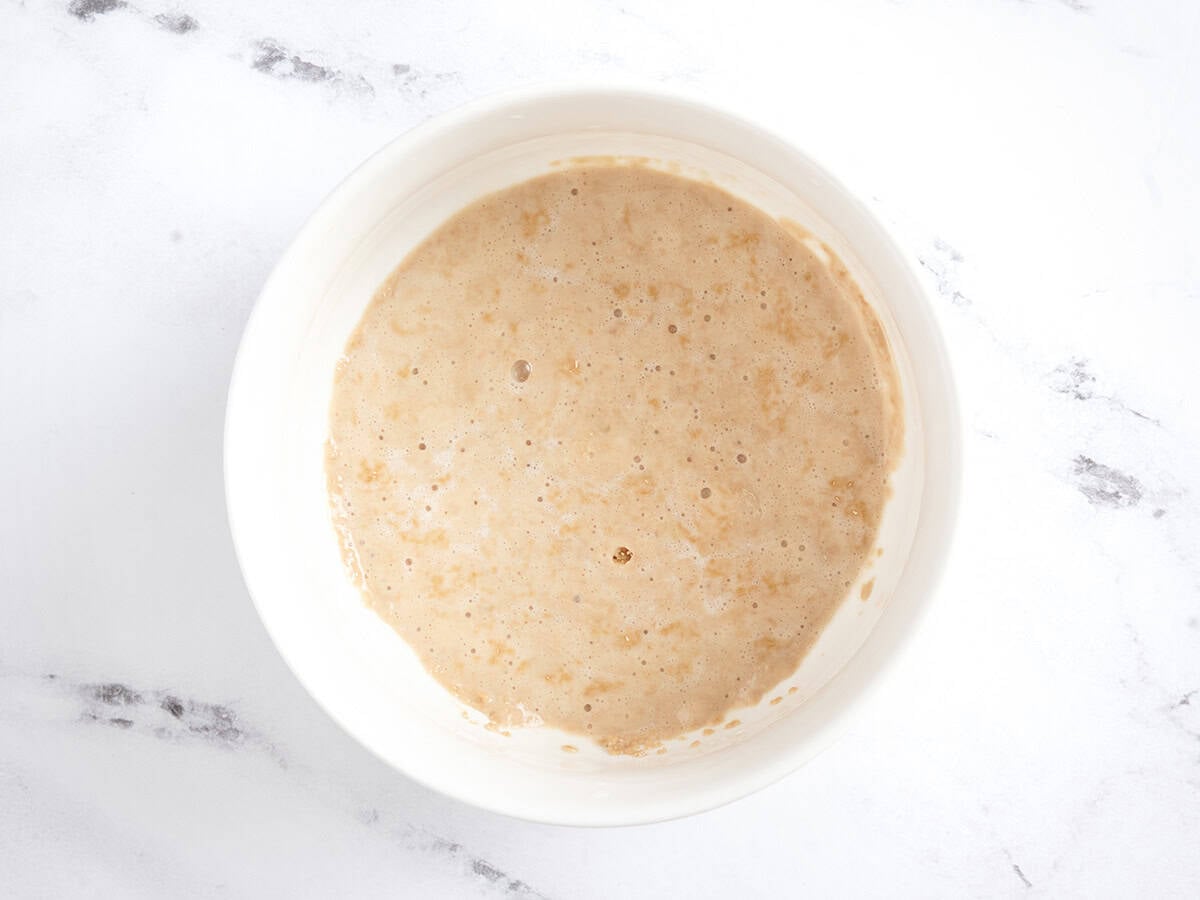
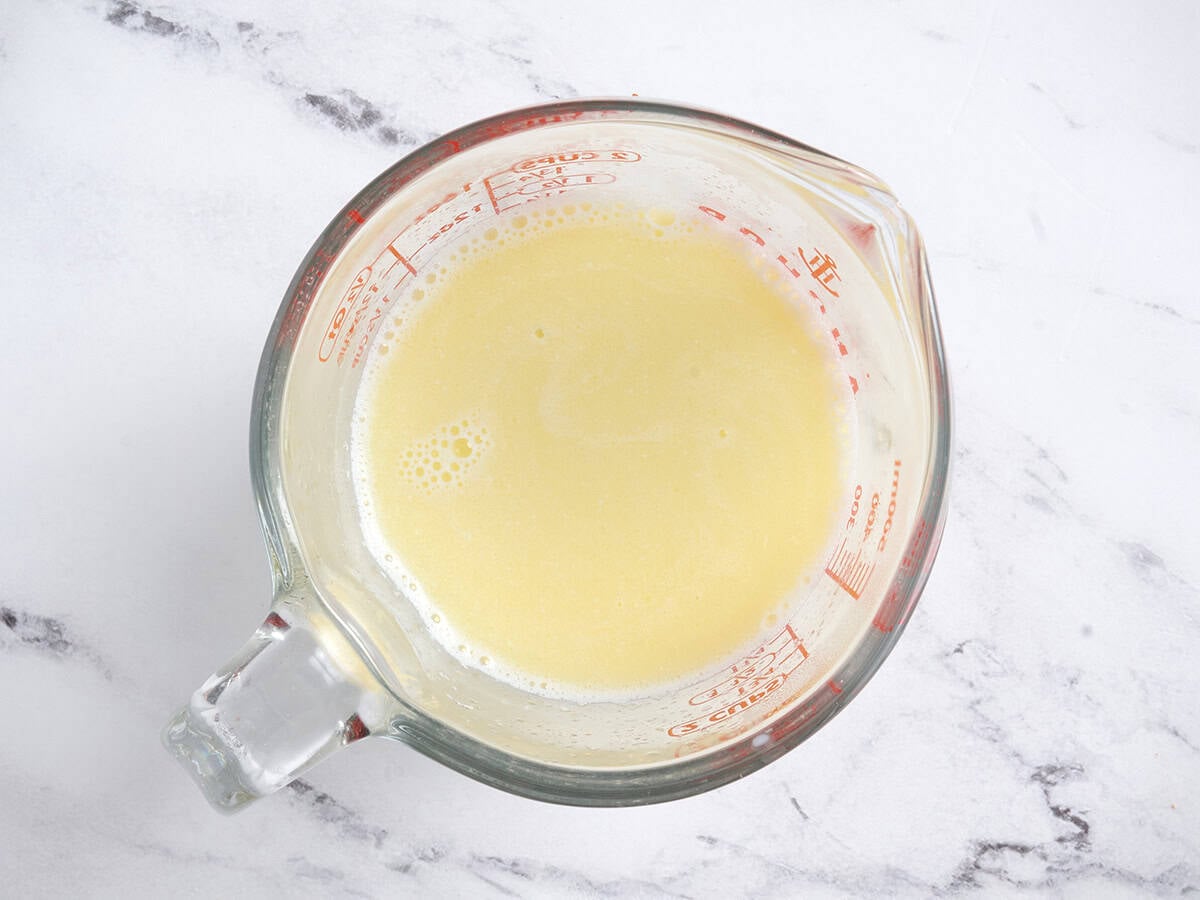
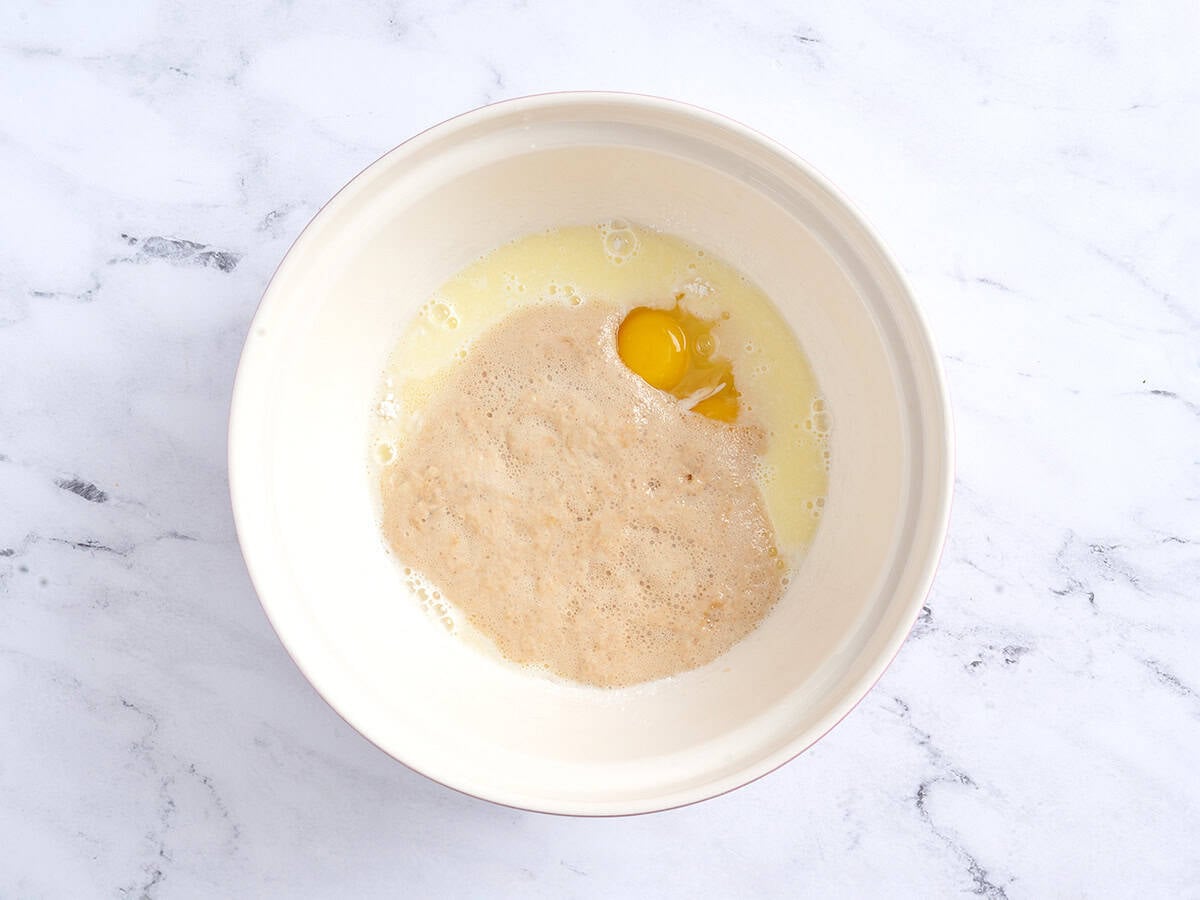
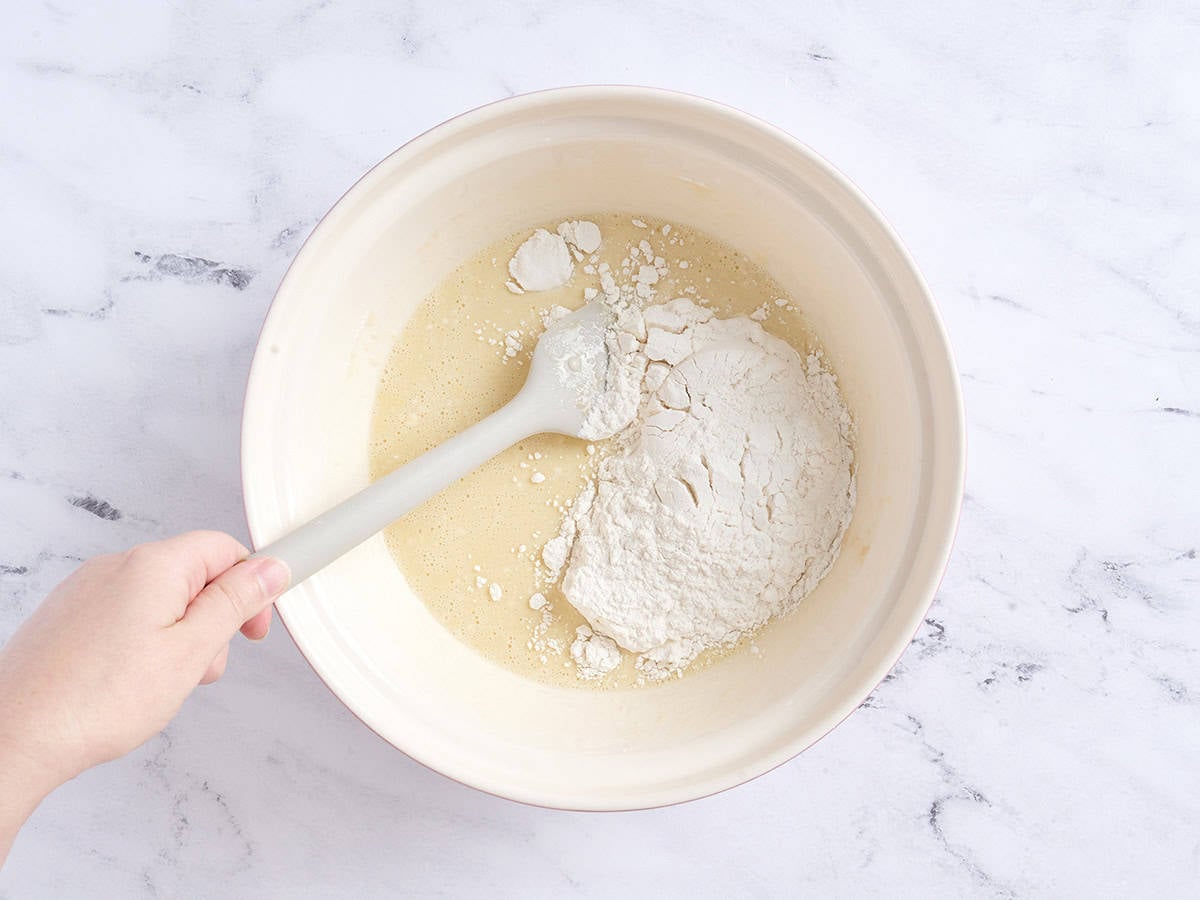
The process begins with the "blooming" of active dry yeast in a solution of warm water and sugar. This step is a vital diagnostic tool for the baker; if the mixture fails to produce foam within five minutes, it indicates the yeast is no longer viable, thereby preventing the waste of more expensive ingredients like butter and eggs. Concurrently, a mixture of milk and butter is heated to a precise temperature—warm enough to melt the fat but cool enough to avoid denaturing the yeast or scrambling the eggs during incorporation.
Phase II: Gluten Development and Primary Rise
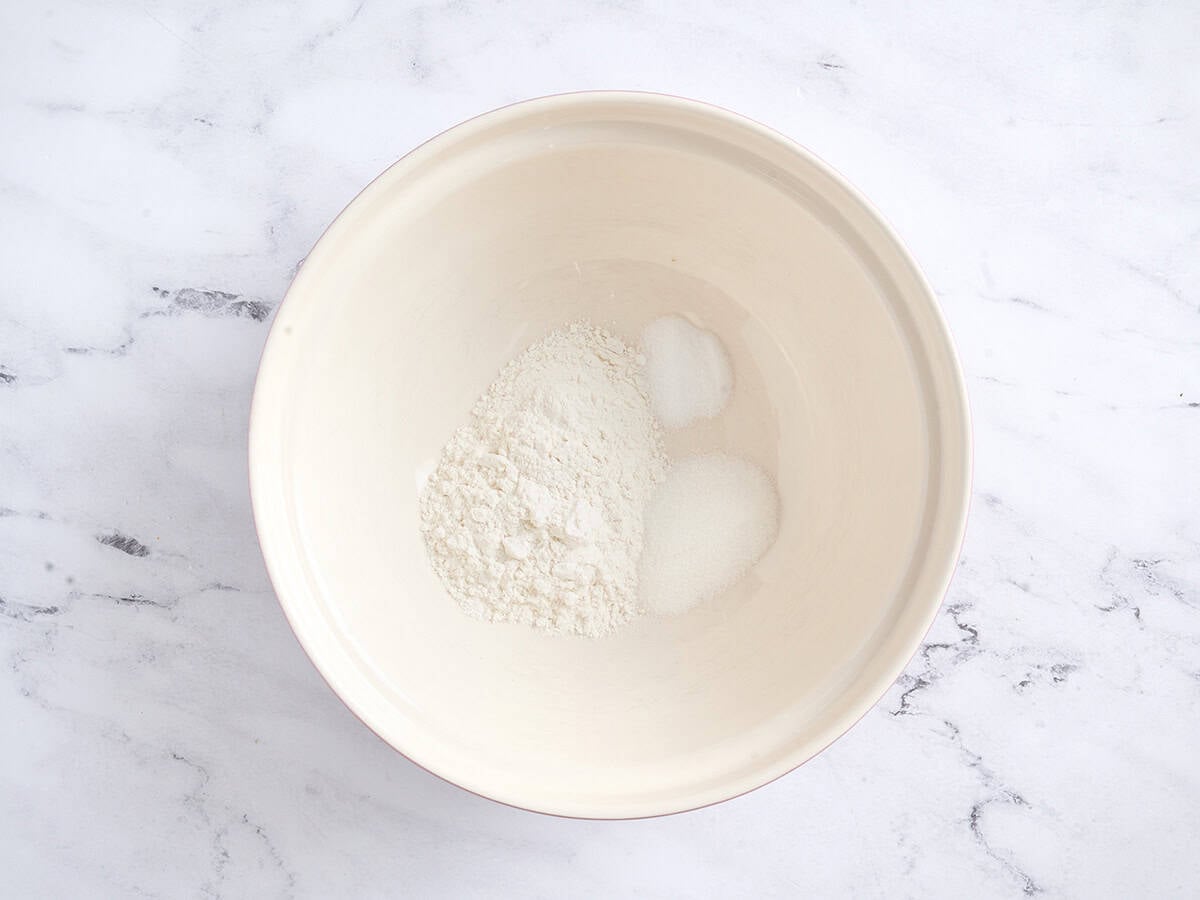
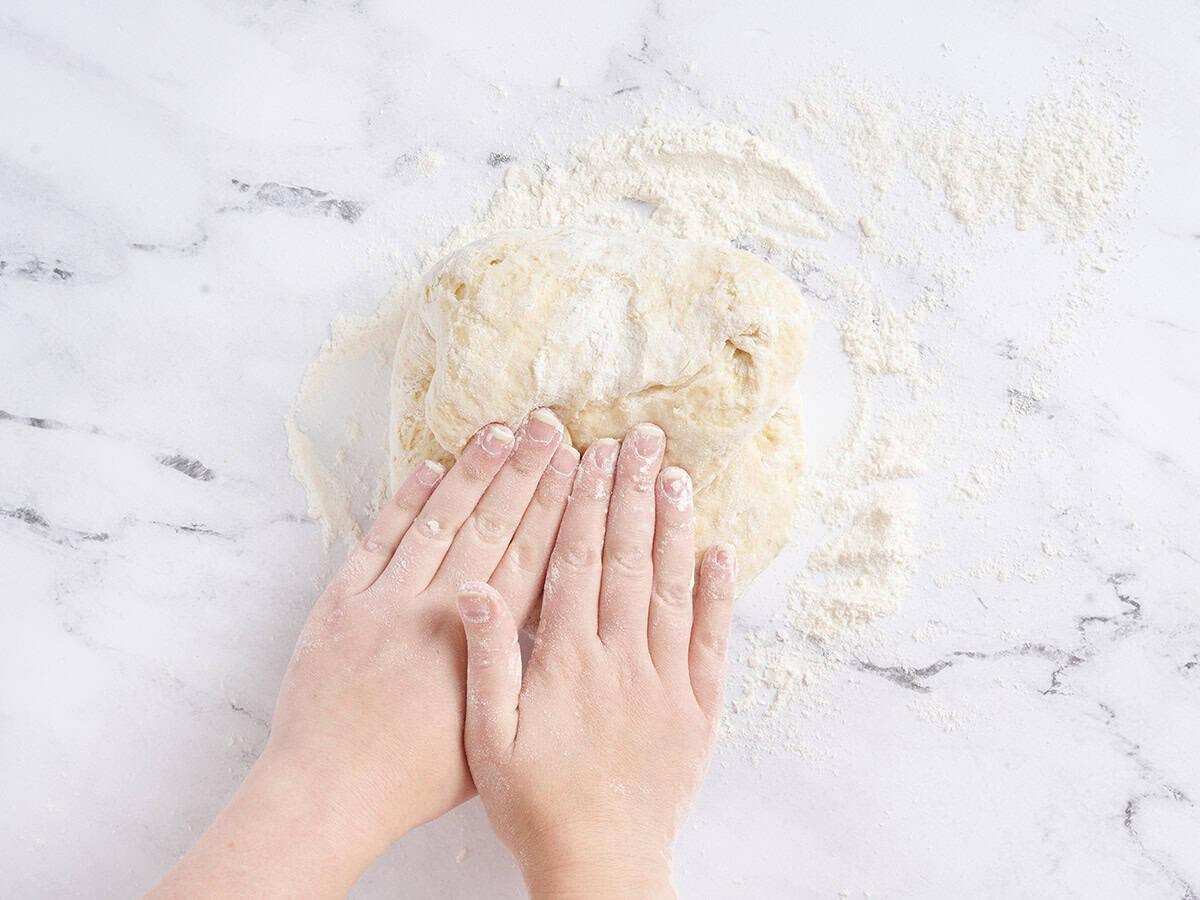
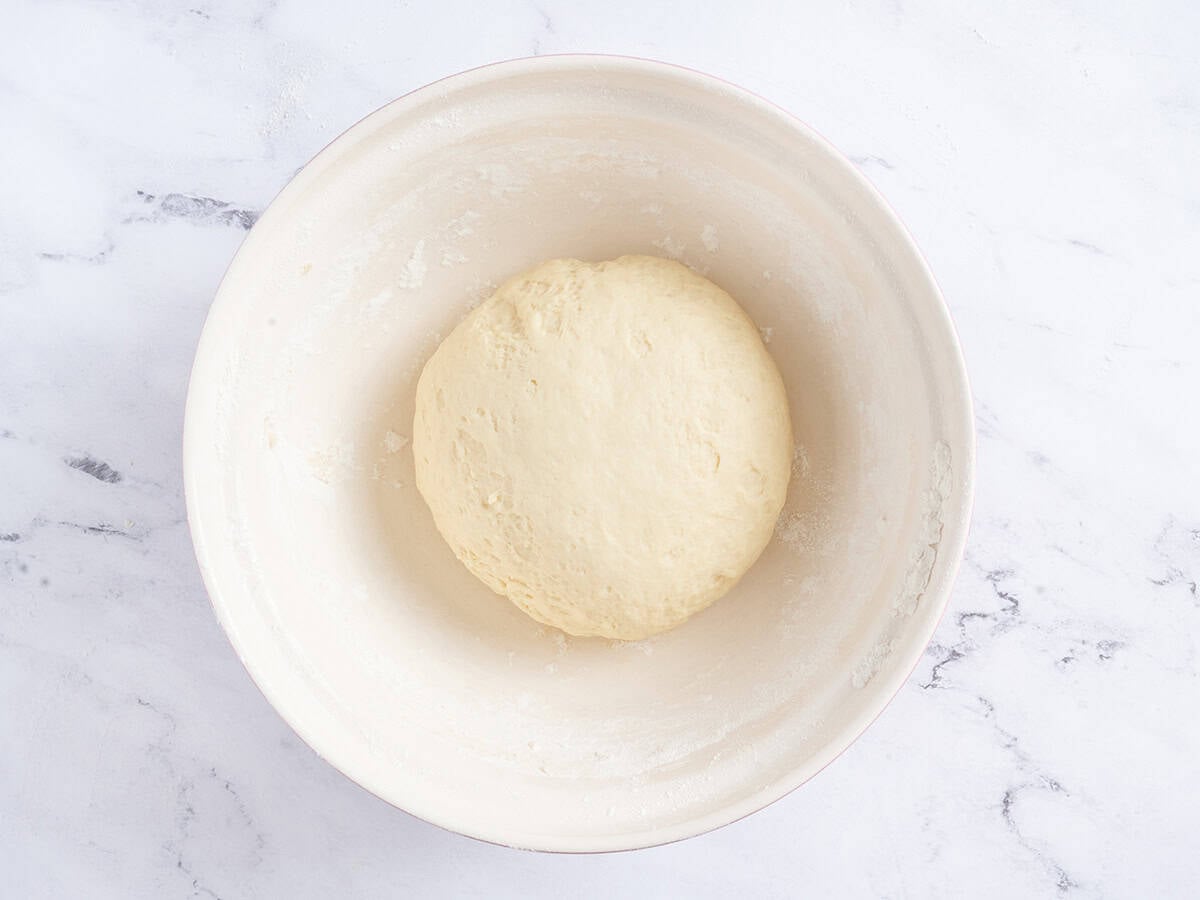
The integration of dry ingredients (flour, salt, and sugar) with the wet components creates a tacky dough that requires manual or mechanical kneading. In the Nashville Test Kitchen’s protocol, manual kneading for a duration of 10 minutes is recommended. This physical labor serves a dual purpose: it develops the gluten network necessary for structural integrity and provides what developers humorously refer to as a "built-in arm workout." Following kneading, the dough undergoes its first rise, a 90-minute period of fermentation where it must double in volume.
Phase III: The Signature Fold
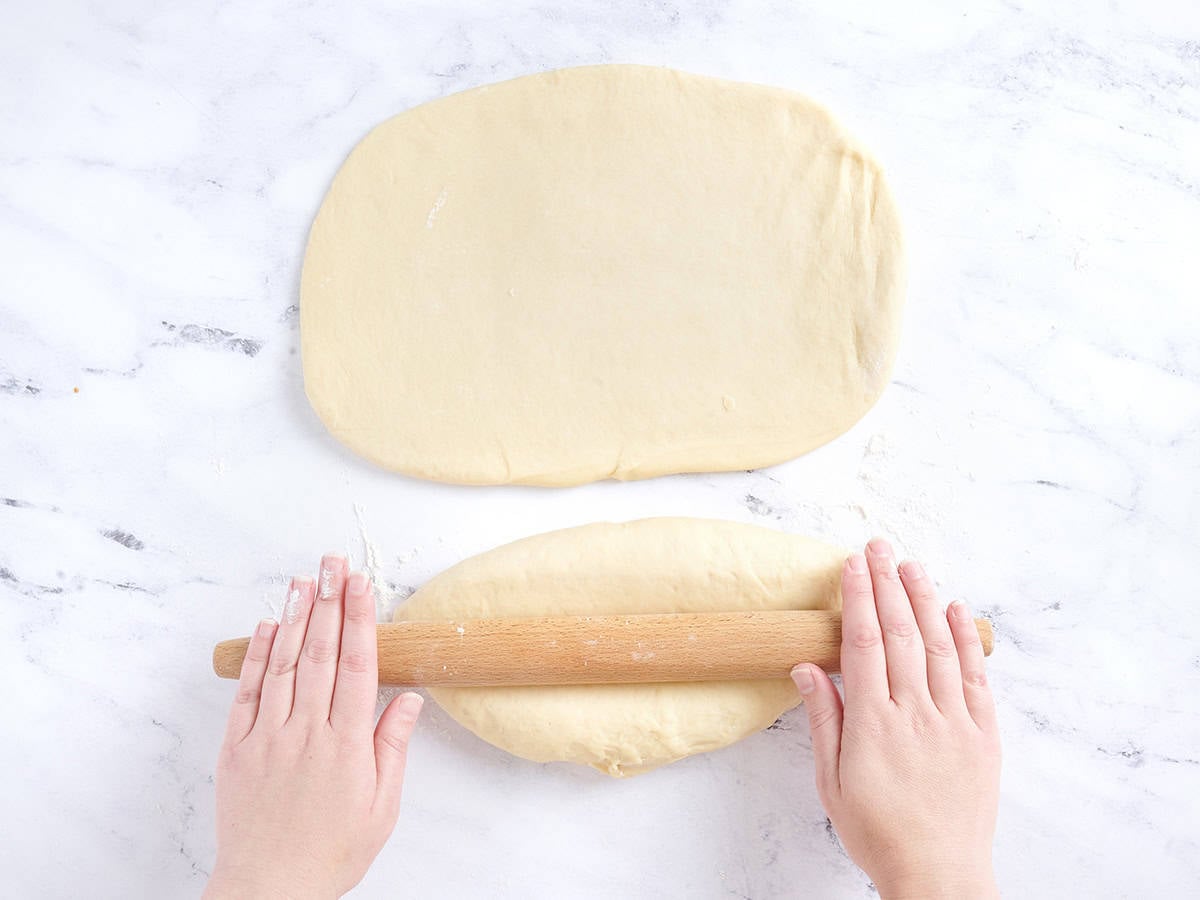
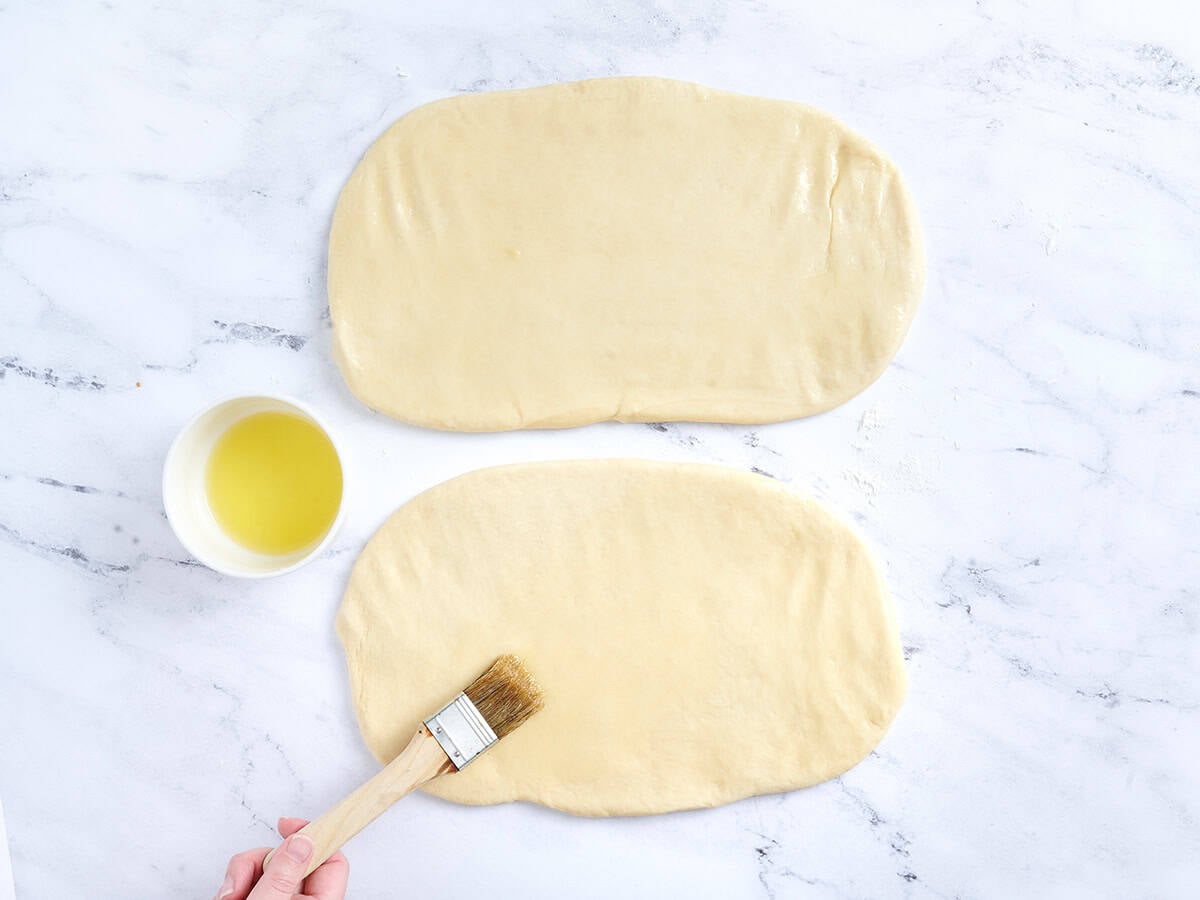
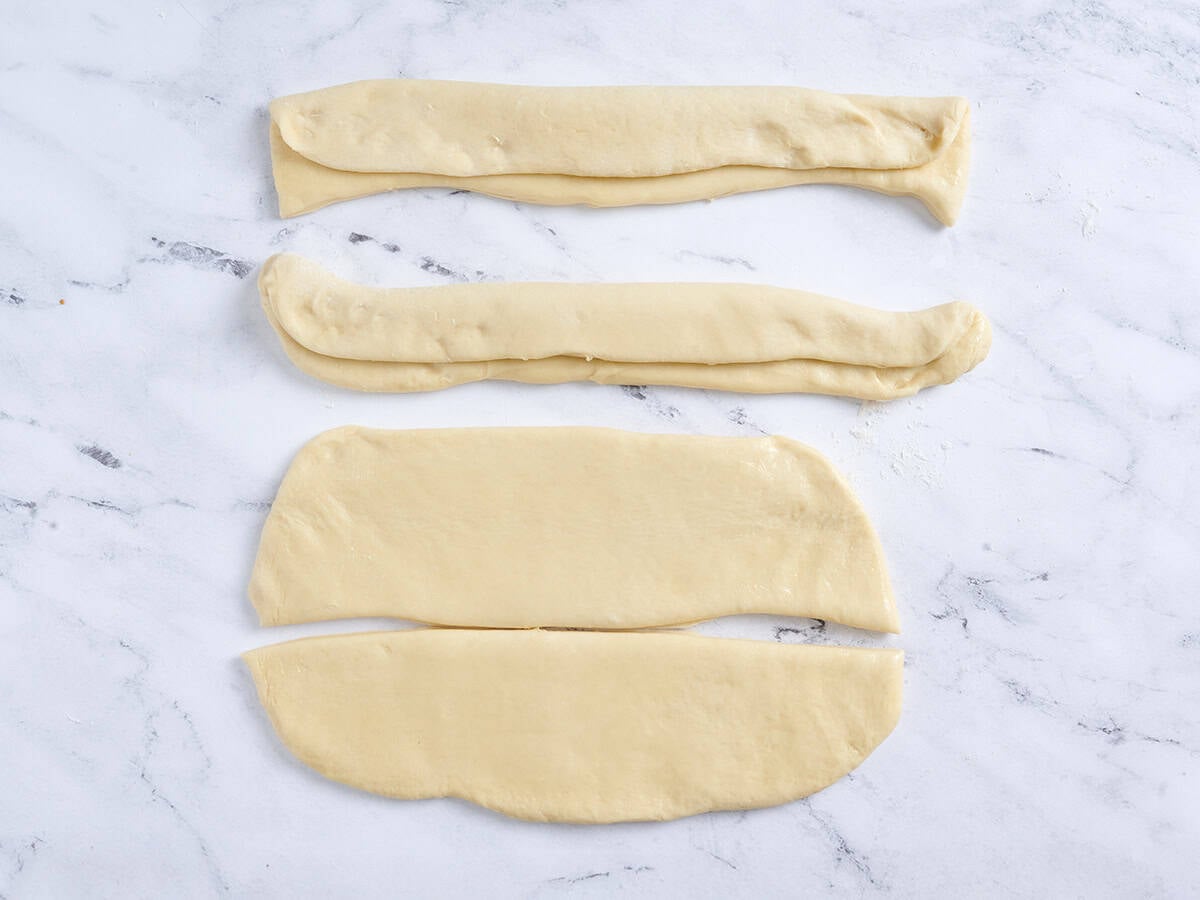
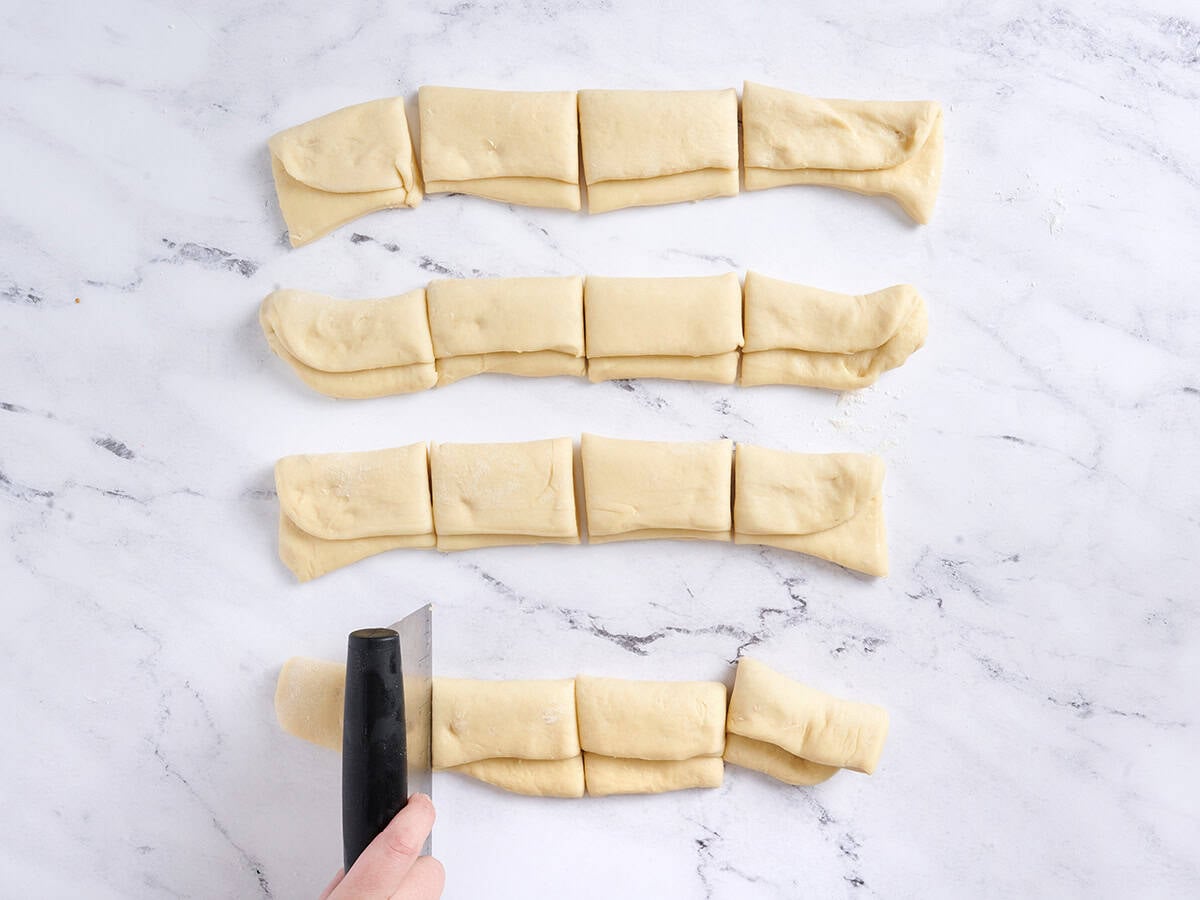
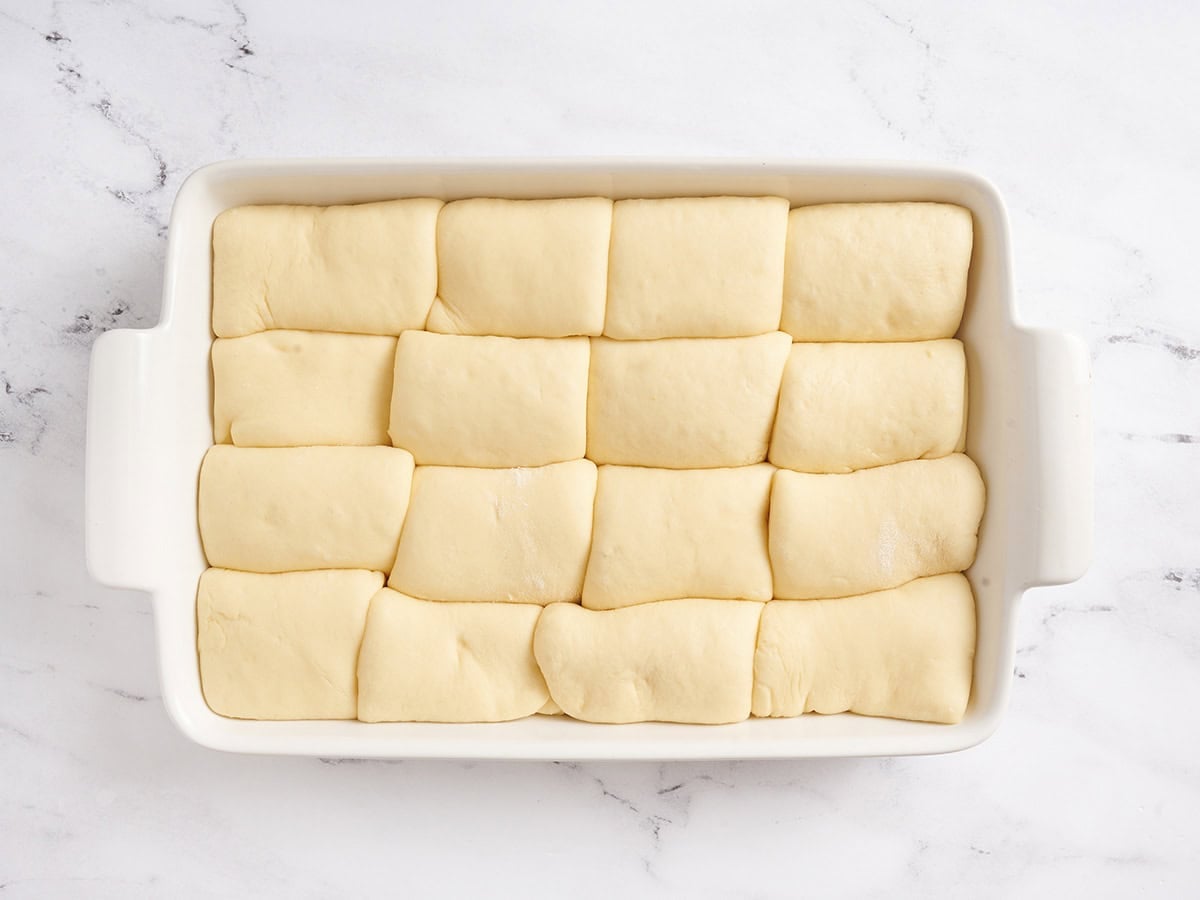
The defining characteristic of the Parker House roll is its shape. The dough is divided and rolled into rectangles approximately 1/2-inch thick. After being brushed with melted butter, the rectangles are folded off-center. This specific folding technique ensures that the roll opens slightly during the baking process, creating a "pocket" that is ideal for further butter application or for use as a small sandwich vessel.
Phase IV: Secondary Rise and Baking
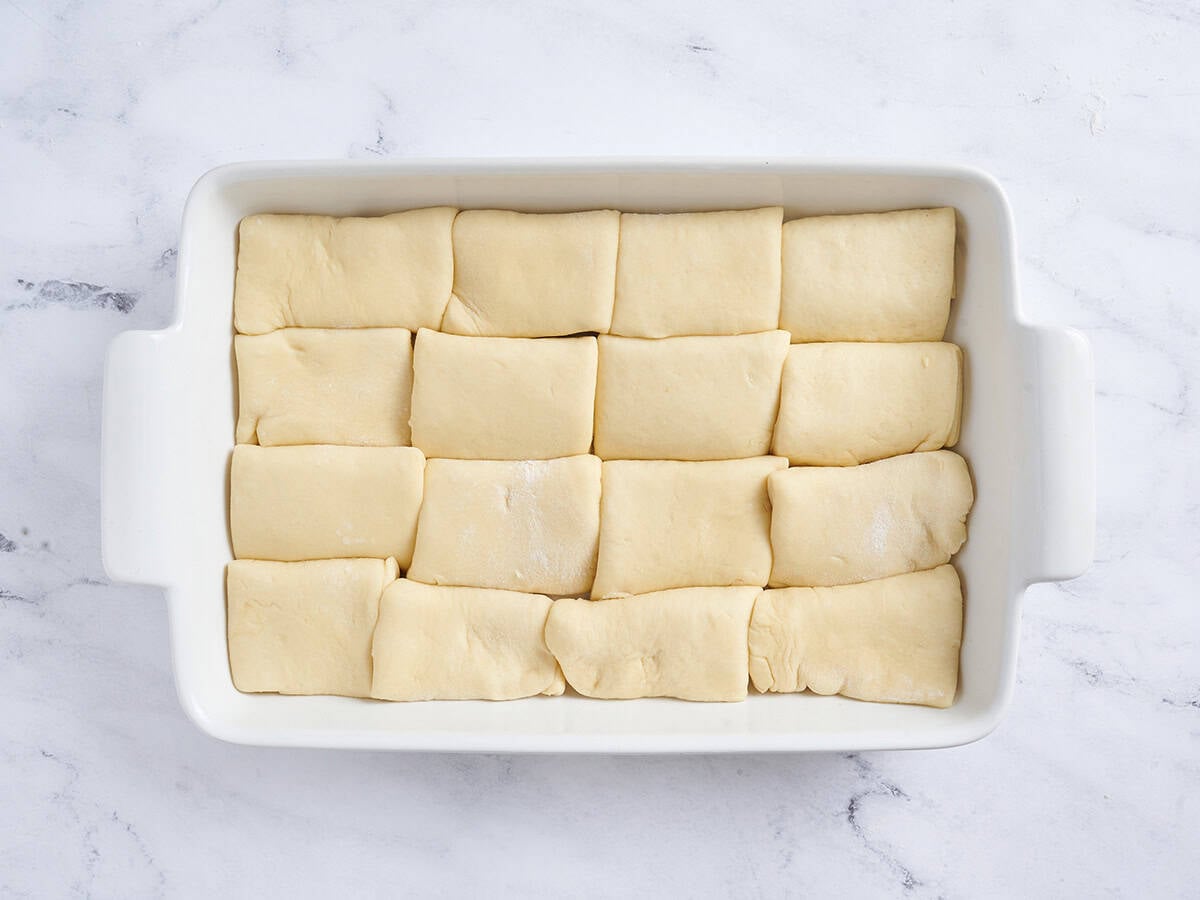
A second 60-minute "proofing" period is required after the rolls are placed in a greased 9×13 baking dish. This allows the yeast to produce additional carbon dioxide, ensuring a light, fluffy texture. The rolls are سپس baked at 350°F (177°C) for 25 minutes until the exterior achieves a golden-brown hue. A final application of melted butter immediately following the removal from the oven provides the signature glossy finish and enhances the aromatic profile.
Expert Validation and Peer Review
The efficacy of this specific recipe was recently put to the test through informal but rigorous "peer review" within the culinary community. Melissa Nolan, a professional chef instructor and recipe developer, noted that even seasoned experts—whom she colloquially refers to as "Bread Queens"—have validated the quality of this budget-friendly iteration.
In one documented instance, the rolls were subjected to the scrutiny of a specialized baker known for high standards regarding buttery and aerated doughs. The subject not only approved of the texture and flavor profile but requested multiple servings, indicating that the recipe successfully bridges the gap between home-kitchen simplicity and professional-grade results. Such anecdotal evidence, while qualitative, supports the quantitative data regarding the recipe’s reliability and consumer appeal.
Broader Implications for the Domestic Economy
The resurgence of interest in recipes like the Parker House roll reflects a broader shift in American consumer behavior. As inflation impacts the cost of dining out and the price of high-end processed goods, many households are returning to "slow food" practices. The Parker House roll serves as a case study for this trend for several reasons:
- Skill Acquisition: The recipe teaches fundamental baking skills—yeast management, kneading, and proofing—that empower consumers to produce a wide variety of other baked goods, further reducing reliance on commercial bakeries.
- Psychological Comfort: Culinary historians often point to bread-making as a therapeutic activity. The "labor of love" associated with the two-stage rise provides a sense of accomplishment that convenience foods cannot replicate.
- Versatility in Consumption: The Parker House roll’s ability to pair with diverse dishes—ranging from Italian pastas and American stews to holiday hams and post-holiday turkey sliders—makes it a high-utility item for meal planning.
Storage and Sustainability
From a sustainability and waste-reduction perspective, the Parker House roll demonstrates excellent longevity. Research indicates that the rolls can be stored in airtight containers for three to four days at room temperature or refrigerated. Furthermore, they possess high "freezer stability," maintaining their structural and flavor integrity for up to three months when frozen. This allows for bulk production, which further optimizes energy usage (oven time) and ingredient costs.
Conclusion
The Parker House roll remains an essential element of the American culinary landscape, not merely as a relic of 19th-century Bostonian elegance, but as a practical solution for modern economic challenges. By combining simple, affordable ingredients with a time-tested methodology, the Nashville Test Kitchen has reaffirmed that artisanal quality is accessible to the average home cook. As families continue to navigate a complex financial environment, the ability to produce sixteen high-quality, buttery rolls for less than the price of a single cup of premium coffee stands as a testament to the enduring value of traditional scratch-baking. Whether served as a side for a weekday soup or as the centerpiece of a festive dinner, the Parker House roll continues to reign as a triumph of patience over difficulty and a masterclass in culinary economy.
