

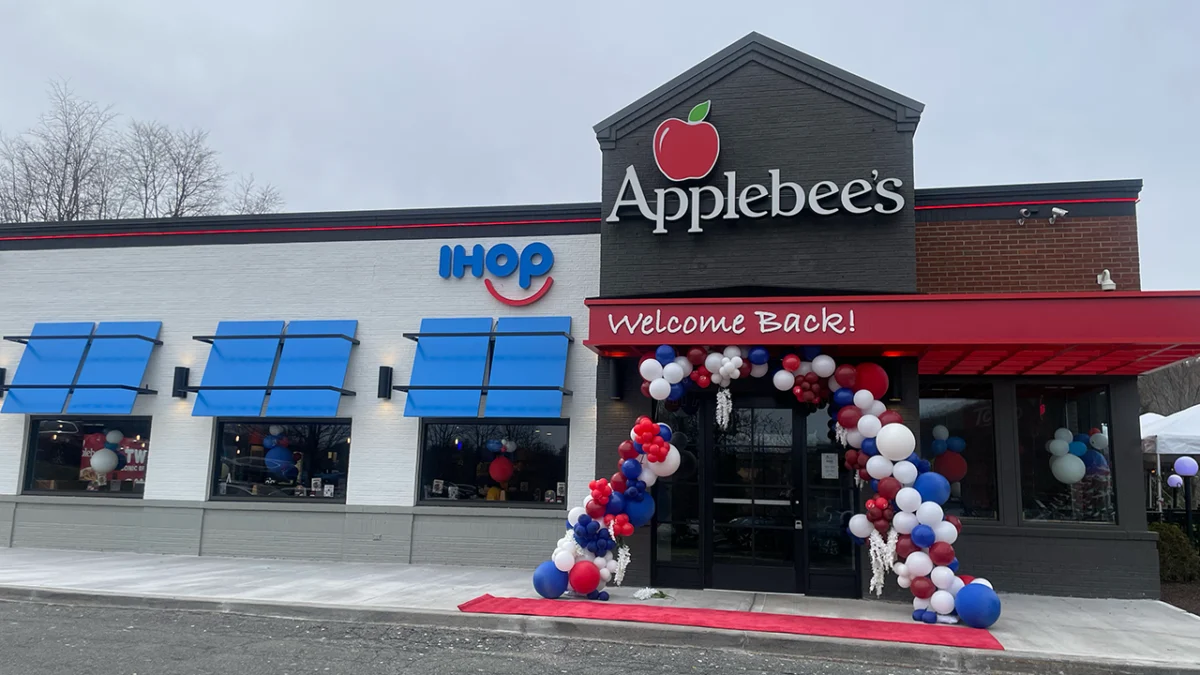
Hawthorne, N.Y. – The burgeoning trend of dual-branded restaurant concepts has officially made its eastward expansion across the Mississippi River with the grand opening of an Applebee’s Grill & Bar and IHOP (International House of Pancakes) combination restaurant in Hawthorne, New York. This marks a significant milestone for Dine Brands Global, the parent company of both iconic casual dining brands, as it continues to explore innovative strategies to optimize real estate and cater to a broader customer base. The Hawthorne location, operated by seasoned franchisee Doherty Enterprises, represents the latest in a growing network of these hybrid establishments aiming to capitalize on the distinct appeal of both American comfort food and breakfast favorites.
Tim Doherty, president and COO of Doherty Enterprises, expressed enthusiasm for the strategic choice of Hawthorne. "There was a clear need in this community, and it just made a lot of sense to do it," Doherty stated. He highlighted the long-standing success of the Applebee’s location in Hawthorne, which has served the community for "two decades-plus." This existing customer loyalty provided a strong foundation for introducing the IHOP brand, especially given the absence of a nearby IHOP, thereby mitigating any potential risk of cannibalizing existing IHOP sales in the immediate vicinity.
The concept of dual-branded restaurants has been gaining traction within the industry as a means to enhance operational efficiency, broaden menu offerings, and maximize revenue potential within a single physical footprint. Dine Brands Global first introduced the dual-concept strategy on an international scale, and its subsequent foray into the U.S. market began with the inaugural dual-branded Applebee’s/IHOP location in Seguin, Texas, in February 2025, a collaboration with the Ramzi Hakim Group. As of the Hawthorne opening, the United States now boasts over 30 such co-branded establishments, with further expansion anticipated, including additional ventures from Doherty Enterprises.
Doherty Enterprises, with its extensive 32-year history as an Applebee’s franchisee, has been closely monitoring the development of the dual-concept strategy since its inception by Dine Brands. The company has ambitious plans for further integrating these brands, with another dual-branded location slated for the latter half of 2026. Additionally, there is potential for two more openings within the current year, reflecting a long-term vision to establish "the best dual brands in the nation."
Strategic Conversion and Design Integration
The transformation of the Hawthorne location into a dual-branded eatery was a remarkably swift process, requiring only a ten-day closure. This efficiency was partly due to the restaurant already being scheduled for a remodel. The conversion involved a strategic division of the dining space, with approximately half of the unit being meticulously redesigned to embody IHOP’s distinctive branding and color palette, while the other half retained the familiar Applebee’s ambiance.
"The designers did a great job at marrying the two different brands and making it feel cohesive," Doherty commented on the aesthetic integration. He acknowledged a potential challenge in harmonizing the distinct visual identities of Applebee’s and IHOP, noting that "the color schemes of Applebee’s and IHOP don’t naturally go together." However, he expressed confidence that the design achieved a welcoming atmosphere, enabling guests to feel comfortable regardless of where they choose to sit and what they order, whether it be "pancakes or steaks." This thoughtful design approach is crucial for ensuring a positive guest experience in a hybrid dining environment.
Operational Overhaul and Culinary Synergy
Beyond the visual enhancements, the most significant operational changes occurred behind the scenes in the kitchen. The integration of two distinct menus, each with its own culinary requirements and equipment needs, presented a complex logistical puzzle. "Now all of a sudden, we have a whole new menu, and that [means] new equipment, doing more with less, shrinking it – everything – two full backs-of-house into one," Doherty explained, underscoring the substantial undertaking of consolidating operations.
The retraining of existing staff was another critical component of the conversion. During the ten-day closure, the established Applebee’s team underwent comprehensive training on the IHOP brand and its extensive menu. This ensures that the service staff is equipped to handle the diverse range of customer orders and inquiries effectively. Doherty acknowledged the intensive nature of the kitchen operations, stating, "There’s a lot going on back there." However, he conveyed unwavering faith in his team’s ability to adapt and succeed. "I have full faith in my team that we will figure it out. But if there are any challenges going forward, it’s learning how to accommodate that. I know for a fact that we’ll figure this out and do it successfully."
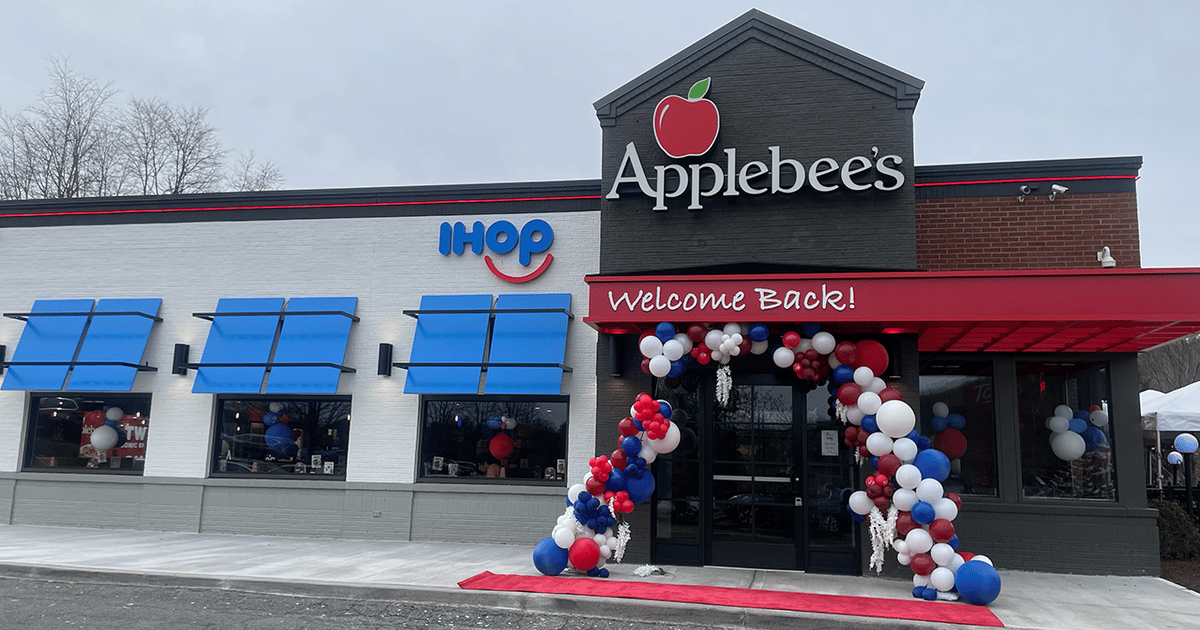
While the restaurant did require the addition of new staff members to manage the expanded operational scope, the operating hours remained largely consistent. Notably, Doherty’s Applebee’s locations in New York City and Westchester County already offered breakfast services, giving them a unique advantage in this regard. This pre-existing experience with breakfast operations likely facilitated the integration of the IHOP menu and service standards.
Leveraging Brand Synergies for Growth
Doherty foresees significant opportunities arising from the co-branding strategy, particularly in leveraging IHOP’s established breakfast reputation. "Applebee’s is not known nationally for breakfast, whereas IHOP is this national brand with loyalty and love," he observed. This inherent brand strength provides a powerful avenue for growth. "So I really think I can expand the business that I have in those breakfast hours because of that." The ability to attract IHOP’s loyal customer base to a location that already has a strong Applebee’s presence could lead to increased foot traffic and revenue across all dayparts.
The dual-branding model is not merely about expanding menu options; it’s a strategic maneuver to enhance overall brand equity and customer capture. By offering a wider variety of dining experiences under one roof, these establishments aim to become destinations for a broader range of occasions, from casual weeknight dinners to leisurely weekend brunches. This adaptability is increasingly vital in a competitive restaurant landscape where consumer preferences are constantly evolving.
A Commitment to Guest Experience
As Doherty Enterprises navigates the complexities of operating these dual-branded locations, the company’s overarching commitment remains centered on the guest experience. Doherty emphasized a pragmatic approach to the launch and ongoing operations: "We will not be perfect. There will be hiccups as there are with any brand opening." However, the focus remains resolutely on customer satisfaction. "The only thing I care about is if the guest leaves the restaurant, that they leave saying, ‘wow, that was a great experience.’ If there is a hiccup, we need to solve it on our premises, and make the guest want to come back to our restaurant."
The ultimate goal for Day 1, and indeed every subsequent day, is to "wow every guest, every time." This customer-centric philosophy is a cornerstone of successful restaurant operations, and its application in a novel dual-branded format is particularly critical. The ability to consistently deliver exceptional service and quality food, despite the inherent complexities of managing two distinct brands, will be the ultimate measure of success for the Hawthorne location and the expanding dual-concept initiative.
Broader Industry Implications and Future Outlook
The proliferation of dual-branded restaurants, exemplified by the Applebee’s/IHOP model, signals a broader strategic shift within the casual dining sector. As brands face increasing pressure from evolving consumer habits, rising operational costs, and the persistent challenge of labor shortages, innovative solutions like co-branding are becoming more attractive. This trend allows companies to leverage existing brand recognition and infrastructure while exploring new revenue streams and market segments.
Data from industry reports suggests a growing consumer interest in diverse dining options. According to a 2023 report by Technomic, consumers are increasingly seeking variety and value in their dining choices. Dual-branded concepts directly address this demand by offering a wider array of menu items and dining experiences, potentially appealing to a broader demographic than a single-brand establishment. Furthermore, the consolidation of operations can lead to cost savings in areas such as real estate, marketing, and staffing, which can then be reinvested into enhancing the guest experience or improving profitability.
The success of the Hawthorne location will undoubtedly be closely watched by both Dine Brands Global and other major restaurant corporations. If the model proves to be as effective in the Northeast as it has in other regions, it could pave the way for further hybrid concepts involving other Dine Brands properties or even partnerships with entirely different restaurant groups. The potential for synergy between brands with complementary, yet distinct, customer bases is a powerful driver for this evolving segment of the restaurant industry.
The Hawthorne Applebee’s/IHOP represents more than just a new restaurant opening; it is a tangible manifestation of a strategic business decision designed to adapt to the contemporary dining landscape. By combining the familiar comfort of Applebee’s with the beloved breakfast offerings of IHOP, Doherty Enterprises and Dine Brands are aiming to create a compelling and versatile dining destination that resonates with a wide spectrum of consumers, solidifying their presence and driving growth in a dynamic market. The coming months and years will reveal the full impact of this innovative approach on the casual dining industry.
