

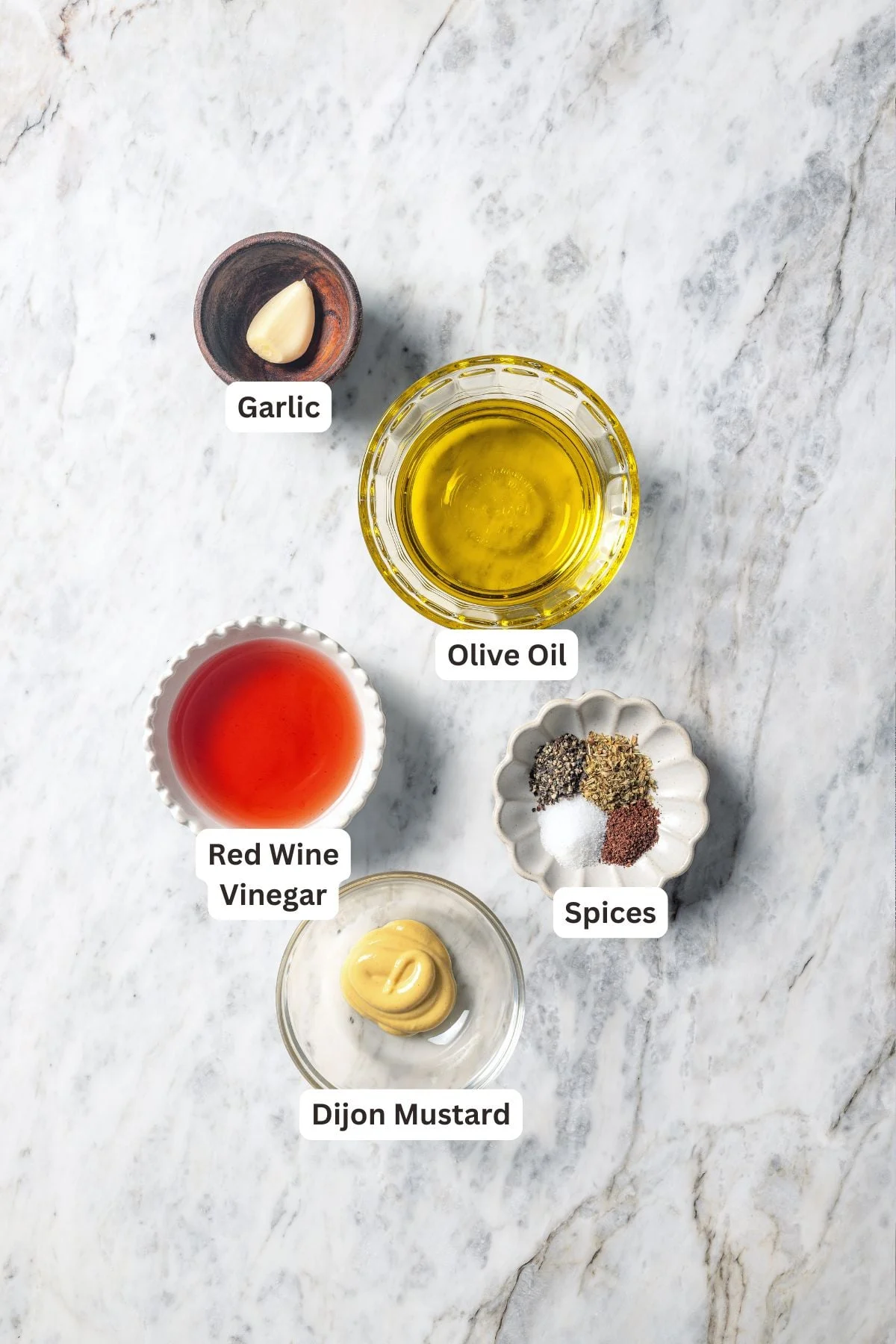
The art of crafting a superior Greek salad dressing at home has been distilled into a remarkably simple, fresh, and vibrantly tangy recipe, distinguished by the inclusion of an optional yet transformative secret ingredient: sumac. This particular homemade rendition offers a compelling alternative to its store-bought counterparts, promising enhanced flavor, ingredient control, and impressive nutritional efficiency, all achievable within a mere five minutes of preparation time. With a serving size of 1.5 tablespoons, this dressing provides approximately 109 calories, 0.1 grams of protein, 0.3 grams of carbohydrates, 12 grams of total fat (comprising 2g saturated, 1g polyunsaturated, 9g monounsaturated), and 0.1 grams of fiber, alongside minimal sodium (103 mg) and potassium (9 mg). Its versatility allows for effortless scaling, making it suitable for a single serving or a large gathering, embodying the essence of accessible and wholesome culinary practices.

The Resurgence of Homemade Culinary Staples
In an era increasingly defined by a return to foundational culinary practices, the homemade Greek salad dressing stands as a prime example of a staple reasserting its dominance over mass-produced alternatives. For decades, the convenience of pre-bottled dressings filled grocery store aisles, offering a quick solution for busy consumers. However, a growing awareness of ingredient quality, nutritional content, and the desire for authentic flavors has fueled a significant shift back towards preparing such items from scratch. This particular recipe epitomizes this trend, leveraging readily available pantry ingredients such as olive oil, red wine vinegar, and a thoughtful selection of seasonings to yield a product that consistently surpasses the taste profile of commercial options. The appeal lies not only in its superior flavor but also in the transparency of its composition, allowing home cooks complete control over the quality and quantity of each component, free from artificial preservatives, excessive sugars, or undesirable additives often found in store-bought varieties.
A Dive into the Nutritional Profile
The nutritional data associated with this homemade Greek salad dressing highlights its alignment with health-conscious dietary choices, particularly within the framework of the Mediterranean diet. Each 1.5-tablespoon serving delivers 109 calories, primarily derived from healthy fats. The substantial 12 grams of total fat are predominantly monounsaturated (9 grams), largely attributed to the use of olive oil. Olive oil is a cornerstone of the Mediterranean diet, renowned for its cardiovascular benefits, including its role in lowering LDL (bad) cholesterol levels and providing anti-inflammatory compounds. The negligible amounts of protein (0.1g), carbohydrates (0.3g), and fiber (0.1g) indicate that the dressing serves primarily as a flavor enhancer and a vehicle for healthy fats rather than a significant source of macronutrients. Comparatively, many commercial dressings often contain hidden sugars, high fructose corn syrup, excessive sodium, and less beneficial oils, contributing to a less favorable nutritional profile. The low sugar content (0.02g) and moderate sodium level (103mg) in this homemade version further underscore its health advantages, making it an excellent choice for individuals managing blood sugar or blood pressure.

The Economic Advantage of DIY Dressings
Beyond nutritional benefits, the preparation of homemade salad dressings presents a clear economic advantage. While the initial investment in staple ingredients like a good quality olive oil and red wine vinegar might seem higher upfront, these components are used repeatedly across numerous recipes, significantly reducing the per-serving cost of homemade dressing. A typical bottle of gourmet store-bought Greek dressing can range from $4 to $8 or more, with ingredients that may not match the freshness or quality of a home-prepared version. By contrast, a batch of this homemade dressing, utilizing common pantry items, can often be produced for a fraction of the cost per serving. This cost-effectiveness makes homemade dressings a prudent choice for budget-conscious households, demonstrating that superior taste and nutritional value do not necessarily equate to higher expenditure. The ability to scale the recipe also means less waste, as only the necessary amount can be prepared, further contributing to household savings.
The Mediterranean Diet Connection: A Historical Perspective
The Greek salad dressing, at its core, is an embodiment of the Mediterranean diet, a dietary pattern celebrated globally for its health benefits and delicious simplicity. The Mediterranean diet, originating from the traditional eating habits of countries bordering the Mediterranean Sea, emphasizes fresh vegetables, fruits, whole grains, legumes, nuts, and olive oil as the primary source of fat, with moderate consumption of fish and poultry, and limited red meat and sweets. The dressing’s foundation—extra virgin olive oil, red wine vinegar, and aromatic herbs like oregano—are all pillars of this dietary philosophy.

Historically, salad dressings have evolved from rudimentary mixtures of oil and vinegar used to moisten and flavor greens in ancient civilizations. The Greeks, in particular, have a long-standing tradition of using olive oil, a product deeply intertwined with their culture and agriculture, for both culinary and medicinal purposes. Red wine vinegar, a byproduct of winemaking, similarly has ancient roots in the region, prized for its preservative qualities and sharp, tangy flavor. The combination of these staples, along with indigenous herbs like oregano, which grows wild across the Greek landscape, formed the bedrock of what we now recognize as classic Greek flavors. This culinary heritage underscores the timeless appeal and inherent wholesomeness of such a simple, yet profound, dressing.
The Role of Key Ingredients: From Olive Oil to Sumac
Each ingredient in a classic Greek dressing plays a crucial role, contributing to its distinctive profile. Olive oil, especially extra virgin, provides a rich, fruity base and the majority of the healthy monounsaturated fats. Its robust flavor is essential to the dressing’s character. Red wine vinegar introduces the sharp acidity that cuts through the richness of the oil, brightening the overall taste and acting as a natural emulsifier. Garlic, typically minced or crushed, infuses a pungent, savory depth, while oregano, a quintessential Greek herb, delivers an earthy, slightly peppery, and aromatic quality that is instantly recognizable.

The "secret ingredient," sumac, is particularly noteworthy. This deep red, finely ground spice is derived from the berries of the Rhus coriaria plant, native to the Middle East. Sumac is a staple in Middle Eastern cuisine, often used to impart a tangy, lemony flavor without the sharp acidity of actual lemon juice. Its subtle tartness is less aggressive than vinegar or lemon, offering a nuanced brightness that elevates the dressing. Beyond its flavor contribution, sumac is also rich in antioxidants and has been traditionally used for its anti-inflammatory properties, adding another layer of health benefits to the dressing. Its presence transforms a good dressing into an exceptional one, providing an authentic touch often found in Mediterranean restaurants. The choice to include sumac is a testament to culinary exploration and the pursuit of nuanced flavor profiles, moving beyond the conventional to create something truly "next-level delicious."
Expert Perspectives on Homemade Vinaigrettes
Culinary experts and nutritionists alike frequently laud the benefits of homemade salad dressings. "The flavor complexity and freshness of a homemade vinaigrette are simply unparalleled," states Chef Anastasia Petrova, a renowned Mediterranean cuisine specialist. "Commercial dressings often rely on artificial flavorings and excessive sugar to achieve shelf stability, sacrificing the vibrant, clean taste that fresh ingredients provide. A simple homemade Greek dressing, with high-quality olive oil and fresh herbs, allows the natural flavors to truly shine."

From a nutritional standpoint, registered dietitians strongly advocate for homemade options. Dr. Emily Carter, a prominent nutritionist focusing on preventive health, notes, "One of the easiest ways to improve your diet is to take control of your salad dressings. Store-bought versions are notorious for hidden sugars, unhealthy fats, and high sodium levels that can negate the health benefits of a salad. By making your own, you can ensure you’re using beneficial oils, fresh herbs, and controlling sodium intake, aligning perfectly with heart-healthy eating patterns like the Mediterranean diet." This perspective underscores the empowering aspect of homemade preparations, giving individuals agency over what they consume.
Food bloggers and home cooking enthusiasts, like Gina from Skinnytaste, whose recipe this article examines, echo these sentiments. Her endorsement of this Greek dressing as a "staple" and "go-to" recipe that is "simple, reliable, and easy to double or triple" for family meals or entertaining, reflects a broader trend among home cooks. The desire for customizable, healthy, and delicious options that are easy to prepare is a driving force in modern home kitchens, positioning recipes like this at the forefront of contemporary culinary trends.

Beyond the Salad Bowl: Versatility in Modern Cuisine
While its primary application is, naturally, on a Greek salad—a vibrant medley of cucumbers, tomatoes, red onion, Kalamata olives, and feta cheese—the versatility of this homemade Greek dressing extends far beyond. Its bright, tangy, and herbaceous profile makes it an excellent marinade for various proteins. Chicken, lamb, and even firm fish benefit from an overnight soak in the dressing, infusing them with Mediterranean flavors before grilling, baking, or pan-searing. The acidity of the red wine vinegar also acts as a tenderizer, enhancing the texture of meats.
Furthermore, this dressing can elevate roasted vegetables. Drizzling it over bell peppers, zucchini, eggplant, or potatoes before roasting transforms them into a flavorful side dish. It can also be incorporated into grain bowls, serving as a flavorful binder for quinoa, farro, or couscous, paired with roasted vegetables, chickpeas, and fresh herbs. Even as a simple dip for crusty bread or a component in a Mediterranean-inspired sandwich or wrap, its vibrant taste provides a refreshing kick. This adaptability solidifies its status not just as a dressing, but as a fundamental flavor base in a modern, health-conscious kitchen, proving that a single, well-crafted condiment can unlock a multitude of culinary possibilities.

Storage and Longevity: Practical Advice for Home Chefs
The practicality of homemade dressings extends to their storage and longevity. This Greek salad dressing can be conveniently stored in a sealed jar in the refrigerator for up to one week. This timeframe provides ample opportunity for multiple uses throughout the week, minimizing food waste and maximizing the convenience of having a healthy dressing readily available. It is important to shake the jar well before each use, as the oil and vinegar components will naturally separate over time. The natural ingredients, free from artificial emulsifiers, necessitate this simple action to recombine the flavors and achieve the desired consistency. This storage advice highlights the balance between freshness and convenience, offering home cooks a sustainable approach to meal preparation without daily re-preparation.
The Broader Impact: Health, Sustainability, and Culinary Empowerment
The growing embrace of homemade staples like this Greek salad dressing reflects a significant cultural shift towards greater health consciousness, environmental sustainability, and culinary empowerment. Consumers are increasingly scrutinizing ingredient lists, prioritizing whole, unprocessed foods, and seeking ways to reduce their environmental footprint. By choosing to make dressings at home, individuals reduce their reliance on single-use plastic bottles, contributing to less waste. Moreover, the act of preparing food from scratch fosters a deeper connection to ingredients and cooking processes, transforming a simple act of eating into a more mindful and enriching experience. This movement represents more than just a culinary trend; it is a lifestyle choice that emphasizes well-being, responsible consumption, and the joy of creating delicious, nourishing food within one’s own kitchen. The homemade Greek salad dressing, with its simplicity, flavor, and health benefits, stands as a testament to this evolving paradigm, offering a delicious path to a more wholesome and sustainable way of life.
