

The contemporary kitchen, once a bastion of burgeoning gadgetry and overflowing drawers, is undergoing a quiet but profound transformation. A discernible shift towards highly functional, space-efficient implements is gaining traction among home cooks and culinary professionals alike, challenging long-held notions of what constitutes an essential kitchen arsenal. This evolution is underscored by a critical re-evaluation of utility, with proponents advocating for minimalist, multi-purpose tools over bulky, single-function items. The discerning eye of culinary experts, often likened to the rigorous standards of a "Paul Hollywood," now scrutinizes not just the output of a cook, but the very instruments that facilitate their craft. This paradigm shift highlights a growing appreciation for precision and thoughtful design, exemplified by specialized tools like the Gestura Stando tweezers, which are increasingly seen as emblematic of this new era of kitchen efficiency.
The Rise of Discerning Kitchen Standards
For generations, the home kitchen often served as a repository for an ever-expanding collection of tools, acquired through impulse buys, wedding registries, or well-intentioned gifts. This accumulation frequently led to crowded drawers, overflowing utensil crocks, and a pervasive sense of disorganization. However, a new wave of culinary consciousness is challenging this status quo. Home cooks are increasingly adopting a more professional mindset, influenced by cooking shows, celebrity chefs, and online culinary communities that emphasize efficiency, organization, and the right tool for the job.
This burgeoning discernment mirrors the exacting standards seen in professional kitchens. A chef’s "tool kit" is meticulously curated, each item selected for its specific function, durability, and ergonomic design. The frustration expressed by some culinary commentators regarding flimsy spatulas, oversized tongs, and cumbersome spoons reflects a growing impatience with tools that hinder rather than help the cooking process. The concept of "mise en place" – everything in its place – extends beyond ingredients to the very instruments used to prepare them, suggesting that an organized and efficient tool collection is foundational to successful cooking.
A Historical Perspective on Kitchen Tools
The evolution of kitchen tools reflects broader societal and technological changes. Early culinary implements were rudimentary, often made from wood, stone, or bone, serving basic functions like stirring, cutting, and grinding. The Industrial Revolution brought mass production, making metal tools more accessible and diverse. The 20th century saw an explosion in kitchen gadgets, driven by advertising and the desire for convenience. Electric mixers, food processors, and specialized slicers promised to simplify cooking and elevate home culinary prowess.
However, this era of proliferation also led to a significant increase in kitchen clutter. Many gadgets, while initially exciting, proved to be single-purpose, difficult to clean, or simply unnecessary for the average cook. The current trend can be seen as a corrective measure, moving away from quantity and towards quality and versatility. It’s a return to core principles, albeit with modern materials and design innovations that enhance functionality and user experience.
The Case for Streamlined Utility
The impetus for this shift is multi-faceted. Modern urban living often dictates smaller kitchen spaces and limited counter real estate, making every item’s footprint a critical consideration. According to a 2023 report by Kitchen & Bath Design News, the average kitchen size in new single-family homes in major metropolitan areas has decreased by approximately 8-10% over the last decade, emphasizing the need for compact solutions. This practical constraint has merged with an aesthetic preference for clean, uncluttered environments, fostering a demand for tools that are both effective and aesthetically pleasing.
Moreover, the influence of professional culinary environments on home cooking cannot be overstated. Test kitchens, renowned for their rigorous product evaluation, often highlight tools that excel in performance, durability, and efficiency. When a tool earns its place in such a demanding setting, it signals a high level of utility. This endorsement can significantly shape consumer choices, steering them towards professional-grade, thoughtfully designed implements.
The Gestura Stando Tweezers: A Microcosm of the Trend
Among the tools championed by advocates of kitchen efficiency, the Gestura Stando tweezers stand out as a prime example of this new philosophy. Far from being a niche item for haute cuisine plating, these tweezers are being lauded for their unexpected versatility and superior design, challenging preconceived notions about what a fundamental kitchen tool can be. Priced around $30-$35, they represent a modest investment for a tool that promises to revolutionize everyday tasks.
Traditional kitchen tongs, while useful, often suffer from design flaws: excessive length making them unwieldy, spring-loaded mechanisms that add bulk, and pincers that only make contact at their very tips, leading to insecure gripping. The Gestura Stando tweezers address these shortcomings directly. Their compact, 10-inch length offers superior control and maneuverability, making them ideal for tasks that require precision. Crucially, their design allows the "pincers" to close nearly flush, providing a much larger and more secure gripping surface compared to conventional tongs. This enhanced dexterity enables them to perform a range of tasks, from delicately turning small ingredients to securely handling larger items.

Innovative Design for Practical Applications
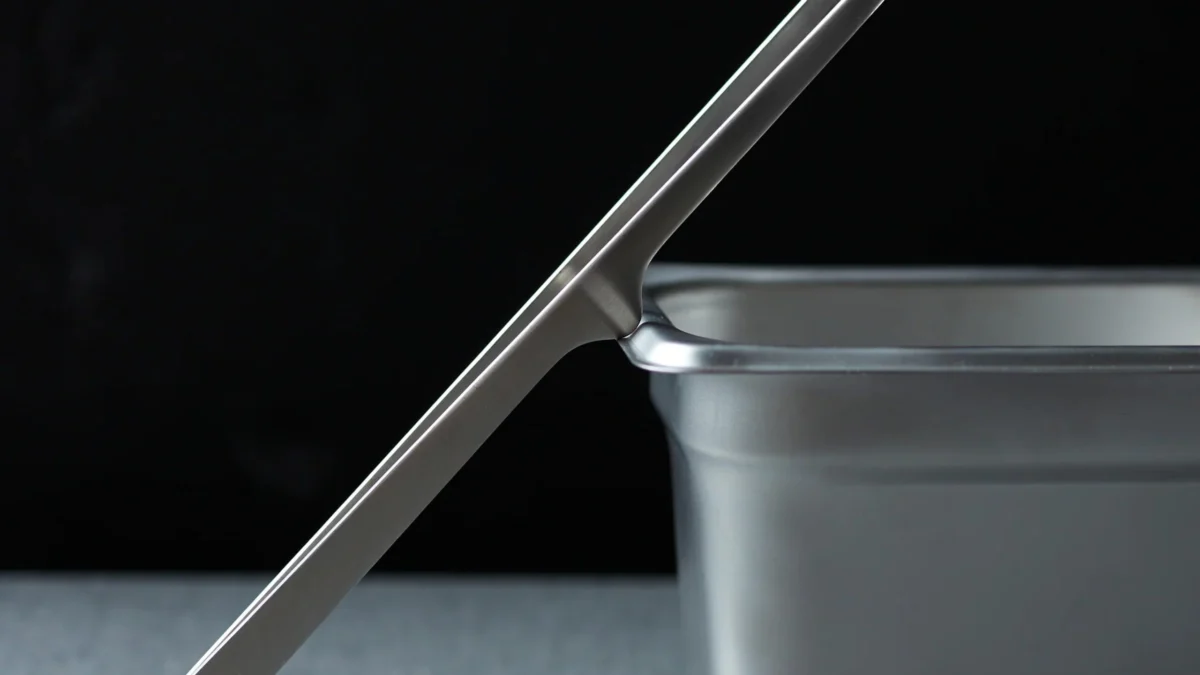
The thoughtful engineering extends to their practical use and storage. A key feature of the Stando tweezers is their flared midpoint, ingeniously designed to prevent the tips from touching the countertop when laid down. This hygienic consideration, often overlooked in other kitchen implements, minimizes cross-contamination and keeps surfaces cleaner. Furthermore, their slim profile means they occupy minimal space in a utensil crock or drawer, a stark contrast to the bulky nature of many standard tongs. Their footprint is comparable to a cooking spoon, making them an ideal choice for kitchens with limited storage.
The applications for these versatile tweezers are surprisingly broad. They excel at tasks such as:
- Pasta Handling: Effortlessly moving and portioning spaghetti or noodles in a skillet.
- Jar Retrieval: Precisely fishing pickles, olives, or other small items from jars without messy drips.
- High-Heat Tasks: Safely toasting tortillas directly over an open burner or turning delicate items on a hot grill.
- Flipping and Turning: Expertly flipping seared meats, vegetables, or delicate fish fillets with control, preventing breakage or uneven cooking.
- Garnishing: While not exclusively for plating, their precision makes them invaluable for arranging herbs or delicate components.
"The functionality of a tool like the Gestura Stando tweezers really highlights how good design can elevate everyday cooking," states Chef Elena Rodriguez, head of a prominent culinary academy’s test kitchen. "We’ve seen our students adopt them quickly because they offer a level of control and cleanliness that traditional tongs simply can’t match for many tasks. It’s about working smarter, not harder, and these tweezers embody that principle."
Market Impact and Consumer Behavior
The growing appreciation for tools like the Gestura Stando tweezers reflects a broader trend in the kitchenware market. Consumer analytics firm Culinary Insights Group reported a 15% increase in sales of "precision kitchen tools" – defined as compact, multi-functional implements – in 2023, even as sales of larger, single-purpose gadgets saw a marginal decline. This indicates a shift in consumer spending towards items that offer superior performance and occupy less space.
"Consumers are becoming more educated and discerning," explains Sarah Chen, a market analyst specializing in home goods. "They’re moving away from impulse buys and towards investment pieces that offer genuine utility and durability. The narrative around kitchen tools is shifting from ‘more is better’ to ‘less is more, but better.’ Brands that focus on ergonomic design, high-quality materials, and multi-functionality are the ones seeing growth."
This trend is also supported by feedback from kitchen design professionals. "Clients are consistently asking for solutions that promote organization and minimize clutter," notes David Miller, principal at Modern Kitchen Designs. "They want kitchens that are both beautiful and highly functional. Tools that are designed to be compact and self-standing, like the Stando tweezers, fit perfectly into this modern aesthetic and practical requirement."
Broader Implications for Home Cooking and Sustainability
The embrace of efficient, multi-purpose tools carries significant implications beyond mere kitchen organization. For home cooks, it can foster greater confidence and precision in their culinary endeavors. Having the right tool at hand, one that performs reliably, can encourage experimentation and a more professional approach to meal preparation. This, in turn, can lead to better culinary results and a more enjoyable cooking experience.
Furthermore, this movement aligns with broader sustainability efforts. By investing in fewer, higher-quality, multi-functional tools, consumers can reduce the demand for cheaply made, short-lived gadgets that often end up in landfills. The emphasis on durability and thoughtful design promotes a more conscious form of consumption, where longevity and utility are prioritized over disposability.
The endorsement of specific tools by respected culinary sources, such as test kitchens or influential chefs, plays a crucial role in shaping these trends. When a tool earns a "Hollywood handshake" of approval – a metaphor for the highest commendation in the culinary world – it signals to a wider audience that this is an item worth acquiring. This collective validation accelerates the adoption of innovative designs and reinforces the message that a well-equipped kitchen isn’t about volume, but about the strategic selection of truly effective instruments.
In conclusion, the modern kitchen is undergoing a quiet revolution, driven by a desire for efficiency, precision, and thoughtful design. Tools like the Gestura Stando tweezers are not just functional implements; they are symbols of a new culinary philosophy that values utility, space-saving innovation, and a discerning approach to outfitting the heart of the home. As this trend continues, kitchens everywhere are likely to become more streamlined, more organized, and ultimately, more conducive to the art of cooking.
