

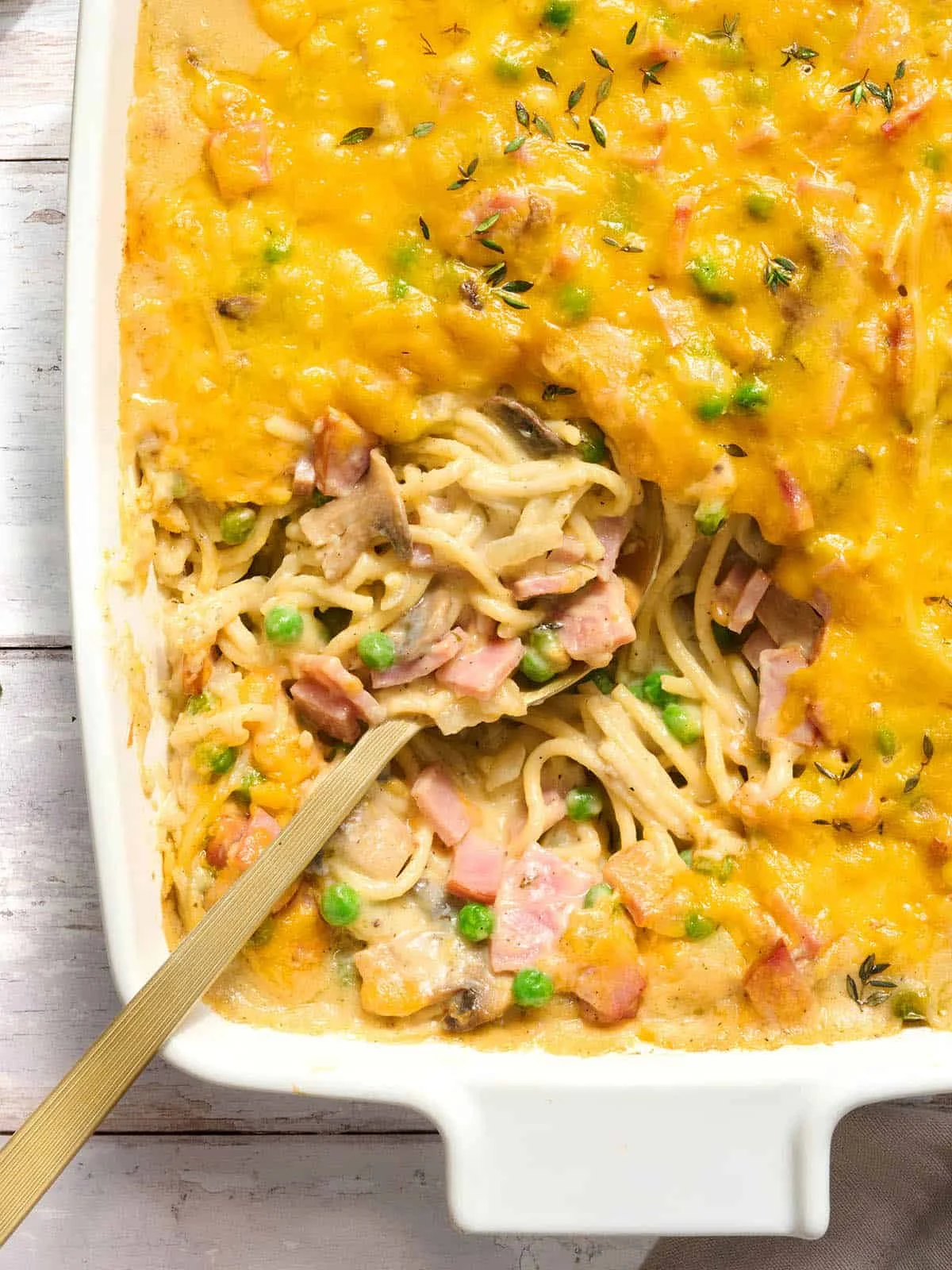
The American culinary landscape is currently witnessing a significant shift toward scratch-based comfort cooking, a movement exemplified by the recent revitalization of the classic Ham Tetrazzini. Long considered a cornerstone of post-holiday meal planning, particularly following the Easter and Christmas seasons, this Italian-American casserole is being reimagined by culinary experts to meet modern standards of nutrition, affordability, and flavor. By moving away from the processed, canned-soup foundations that defined mid-century iterations of the dish, contemporary recipe developers are utilizing traditional French techniques, such as the roux-based velouté and béchamel, to create high-quality meals that remain accessible to the average household.

This evolution is spearheaded by institutions like the Nashville Test Kitchen, where rigorous testing protocols ensure that traditional recipes are adapted for both ease of preparation and economic efficiency. The latest iteration of Ham Tetrazzini reflects a broader trend in "budget-friendly meal prep," where the focus is placed on maximizing the utility of expensive protein leftovers, such as baked ham, while maintaining a cost-per-serving of approximately $1.28.
Historical Context and the Evolution of the Tetrazzini
To understand the cultural significance of Ham Tetrazzini, one must look back to the early 20th century. The dish is widely believed to have been named after the world-renowned Italian opera star Luisa Tetrazzini. While historical accounts vary, the most prominent theory suggests that the dish was invented around 1908 by Chef Ernest Arbogast at the Palace Hotel in San Francisco, California, where the soprano was a frequent and celebrated guest. Other accounts attribute the creation to the Knickerbocker Hotel in New York City.

Originally, Tetrazzini was a luxurious preparation involving poultry or seafood, mushrooms, and almonds in a cream sauce, served over pasta and topped with Parmesan cheese. However, as the recipe migrated into the American domestic kitchen, it underwent a transformation during the "Casserole Era" of the 1950s and 60s. During this period, the rise of convenience foods led to the widespread use of condensed cream of mushroom or cream of chicken soups as a shortcut for the traditional sauce.
The modern return to a "from-scratch" sauce represents a full-circle moment in culinary history. By reintroducing the roux—a cooked mixture of equal parts flour and fat—home cooks are reclaiming the texture and depth of flavor found in the original 1900s preparations, while retaining the mid-century "comfort food" identity that has made the dish a staple of American family life.

Economic Impact and Food Waste Mitigation
The revitalization of the Ham Tetrazzini recipe arrives at a critical juncture for American consumers. According to data from the United States Department of Agriculture (USDA), food waste in the United States is estimated at between 30 and 40 percent of the food supply. This waste often peaks following major holidays like Easter, where large hams serve as the centerpiece of the meal. The efficient use of "leftover ham" is not merely a matter of culinary tradition but an economic necessity for many households.
The current financial profile of the modern Ham Tetrazzini illustrates its viability as a budget solution:

- Total Recipe Cost: Approximately $7.65
- Cost Per Serving: $1.28 (based on a six-serving yield)
- Primary Protein Utilization: Diced cooked ham (2 cups)
By integrating affordable staples such as spaghetti (8 oz.), frozen peas (1 cup), and mushrooms (4 oz.), the dish provides a high-volume, nutrient-dense meal for under $10.00. This aligns with the "Under $1.50 per serving" category of meal planning, which has seen increased interest as food inflation continues to impact grocery budgets across the nation.
Culinary Methodology: The Science of the Sauce
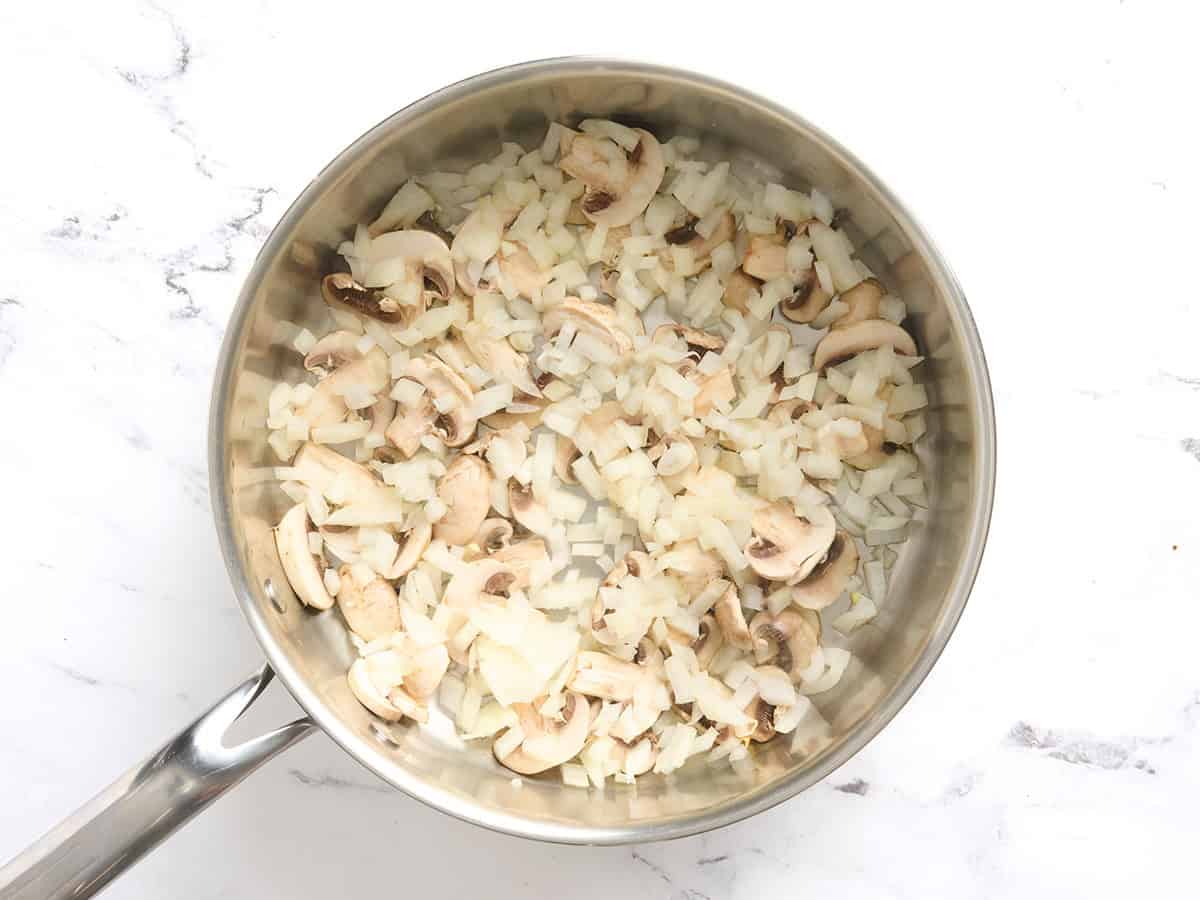
The primary distinction of the modern Ham Tetrazzini is its departure from canned emulsifiers in favor of a homemade creamy sauce. This process begins with the sautéing of aromatics—specifically diced onions and sliced mushrooms—in vegetable oil. The culinary logic behind this step is the "Maillard reaction," which develops savory depth and ensures that the moisture in the mushrooms is concentrated before the sauce is introduced.
The creation of the roux involves melting four tablespoons of butter and whisking in one-third cup of all-purpose flour. This mixture is cooked for approximately one minute to remove the "raw" flour taste without browning the fats, a stage known as a white roux. The subsequent addition of chicken broth and milk transforms the roux into a velvety base.
The flavor profile is further enriched with a specific blend of seasonings:
- Garlic Powder and Dried Thyme: Provide an earthy, aromatic backbone.
- Black Pepper and Salt: Enhance the existing salinity of the ham.
- Cheddar Cheese: While traditional Tetrazzini often utilizes Parmesan or Mozzarella, the use of shredded cheddar (1.5 cups) has become a popular regional variation in the American South and Midwest, adding a sharp, melty finish that distinguishes the ham-based version from its poultry-based counterparts.
Nutritional Analysis and Dietary Considerations
For health-conscious consumers, the transparency of scratch-made cooking allows for better monitoring of caloric and sodium intake compared to processed alternatives. A single serving of this Ham Tetrazzini provides:
- Calories: 494 kcal
- Protein: 24g (48% of the Daily Value)
- Carbohydrates: 43g
- Total Fat: 25g
- Sodium: 1314mg
The protein content is notably high, driven by both the ham and the inclusion of peas, making it a substantial main dish. However, the sodium levels remain a point of interest for clinical nutritionists. Because ham is a cured meat, it carries a significant inherent salt load. Culinary experts recommend using low-sodium chicken broth or "Better Than Bouillon" bases to maintain control over the final salt concentration of the casserole.

Chronology of Preparation and Assembly
The streamlined nature of the modern recipe allows for a total preparation and cook time of under one hour, fitting the requirements of "Budget Friendly Meal Prep" for busy working families.
Phase I: Preparation (Minutes 1–15)
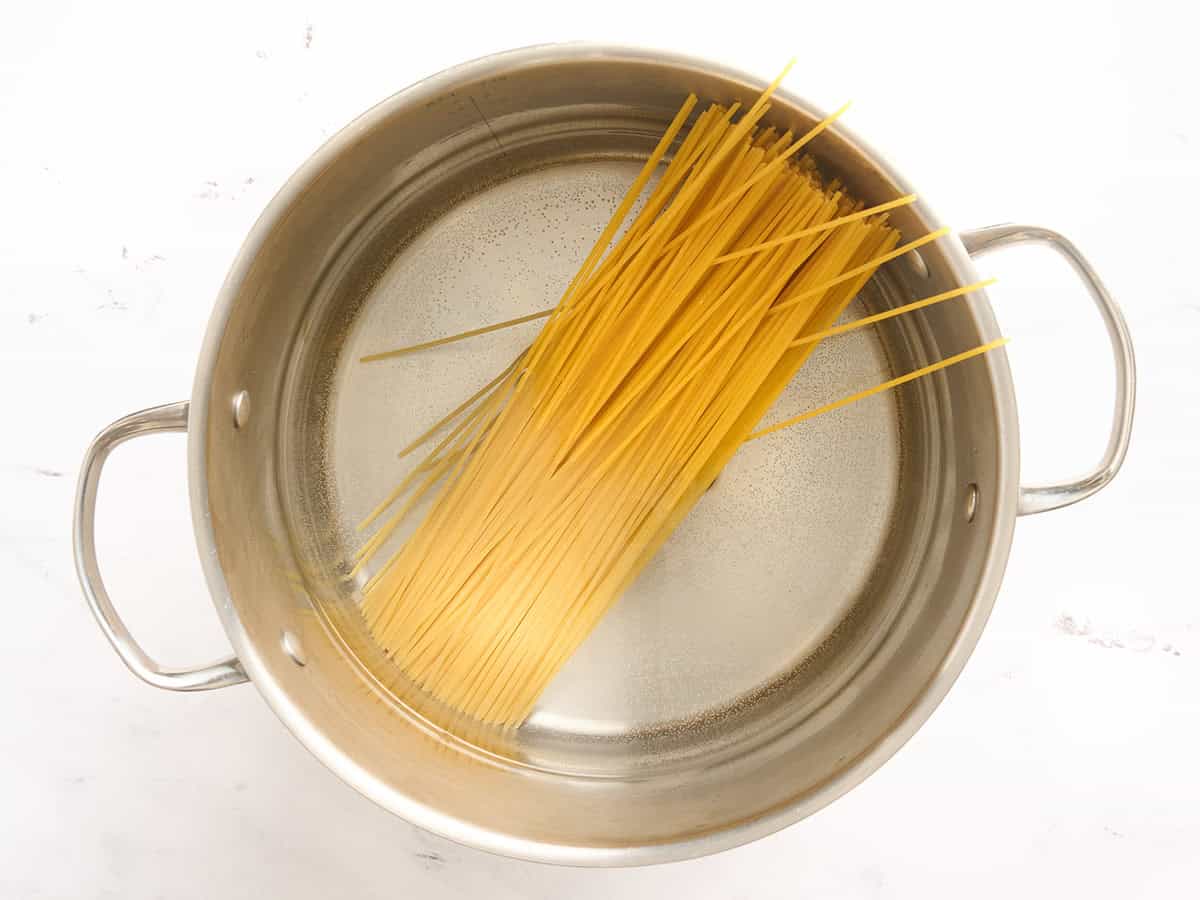
The oven is preheated to 375°F. Simultaneously, 8 oz. of spaghetti is boiled until just tender. Rinsing the pasta briefly in cool water after draining is a recommended step to stop the cooking process, preventing the noodles from becoming mushy during the subsequent baking phase.

Phase II: The Stovetop Build (Minutes 15–30)
The skillet work commences with the sautéing of onions and mushrooms, followed by the construction of the roux and the thickening of the milk and broth. The frozen peas and diced ham are added last to the skillet to ensure they are heated through without losing their structural integrity.
Phase III: Integration and Baking (Minutes 30–60)
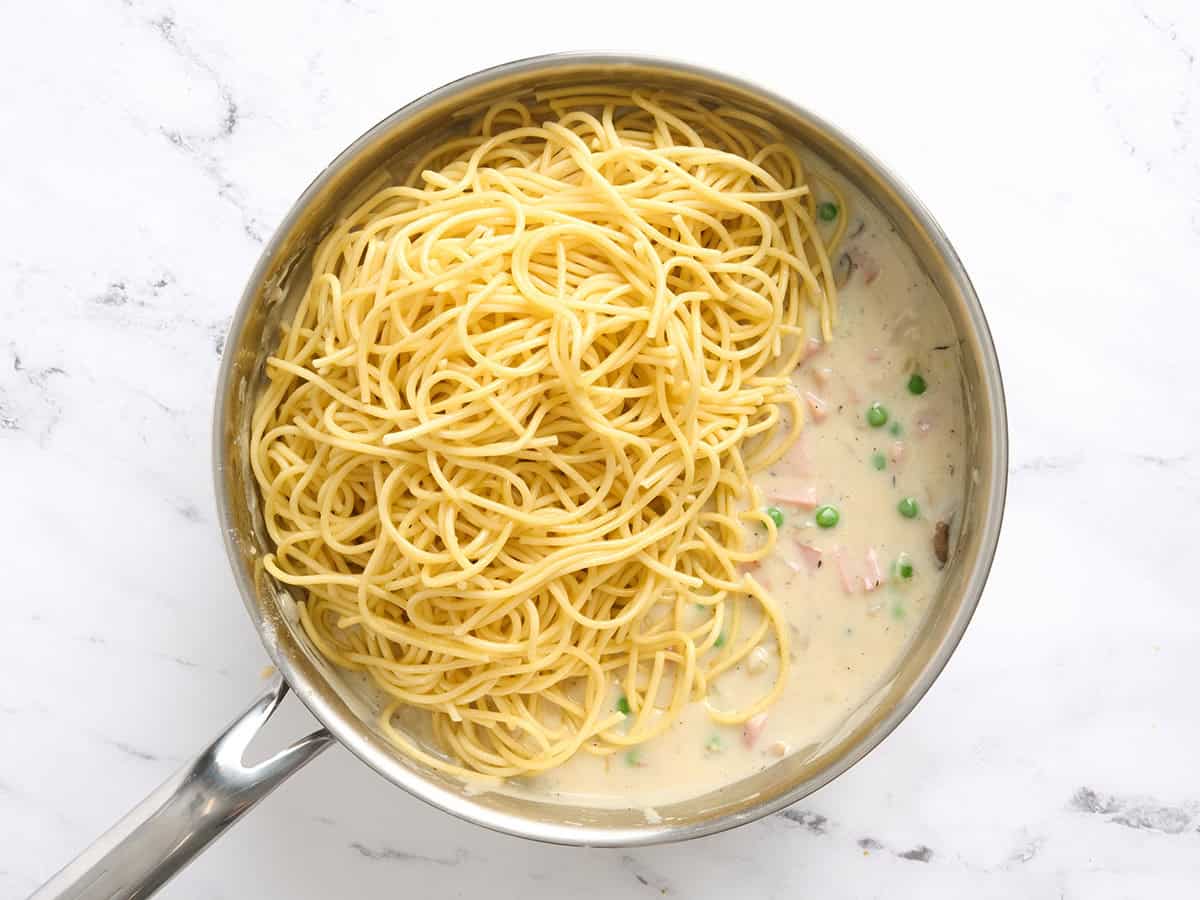
The cooked spaghetti is tossed with the sauce. If the skillet lacks sufficient volume, this step is moved to a large mixing bowl. The mixture is then transferred to a 9×10-inch casserole dish, topped with cheddar cheese, and baked uncovered for 25 to 30 minutes. This final stage is crucial for the "bubbly and rich" texture characteristic of high-quality baked pasta dishes.

Broader Implications and Consumer Trends
The popularity of Ham Tetrazzini reflects a larger sociocultural trend toward "Nostalgia Cooking" with a modern twist. As consumers seek comfort in the face of global uncertainty, they are returning to the recipes of their childhood but demanding higher quality ingredients and more transparent preparation methods.
Statements from recipe developers at the Nashville Test Kitchen suggest that the goal is to bridge the gap between "OG recipes" (the original versions passed down through generations) and modern culinary standards. By keeping the "heart of the dish"—the ham, peas, and mushrooms—while upgrading the sauce, developers are able to satisfy both the craving for tradition and the requirement for fresh, non-processed food.

Furthermore, the versatility of the dish allows it to serve as a "template" for seasonal eating. While it is a staple for spring (Easter), it is also classified as a "Winter Recipe" due to its hearty, warming nature. Serving suggestions often include seasonal sides like air fryer asparagus in the spring or honey balsamic carrots and roasted frozen broccoli in the winter, further enhancing the nutritional profile of the meal.
Storage, Reheating, and Longevity
In the context of meal prep, the longevity of Ham Tetrazzini is a significant advantage. The dish can be stored in an airtight container in the refrigerator for three to four days. For long-term planning, it remains stable in the freezer for up to four months.
Technical advice for reheating emphasizes the preservation of the sauce’s texture. Because pasta continues to absorb moisture even after the cooking process is complete, the casserole may appear less saucy upon reheating. Experts suggest adding a "splash of milk, cream, or broth" during the reheating process to "loosen it back up." This attention to detail ensures that the meal remains as palatable on the fourth day as it was on the first, thereby reducing the likelihood of food waste.
Conclusion
The modern Ham Tetrazzini stands as a testament to the enduring appeal of the American casserole when updated with professional technique and economic mindfulness. By transforming a historical luxury dish into a practical, budget-friendly staple, culinary developers have provided a blueprint for sustainable home cooking. As households continue to navigate the complexities of food costs and waste management, the reliance on versatile, from-scratch recipes like Ham Tetrazzini is expected to remain a permanent fixture of the domestic kitchen.
