

The global canned tuna market, valued at approximately $10.5 billion in 2023, continues to serve as a critical pillar of household food security and nutritional strategy. As inflationary pressures impact the retail price of fresh animal proteins, consumers have increasingly turned to shelf-stable alternatives that offer comparable macro-nutrient profiles at a fraction of the cost. Canned tuna, characterized by its high lean protein content and significant levels of Omega-3 fatty acids, has emerged as a primary candidate for budget-conscious meal planning. According to recent market analysis, the demand for canned seafood is projected to grow steadily as families seek versatile ingredients that can transition across breakfast, lunch, and dinner applications without requiring specialized culinary equipment or expensive supplemental ingredients.
The Economic and Nutritional Profile of Canned Tuna
From a nutritional standpoint, a standard 5-ounce can of tuna provides roughly 20 to 25 grams of protein while remaining low in saturated fats. This makes it a superior option for those adhering to lean-protein diets or cardiac-health regimens. Economically, the cost-per-serving of canned tuna frequently remains below $1.00, particularly when purchased in bulk or as "chunk light" varieties. This economic efficiency is further enhanced by the product’s shelf-stability, which reduces household food waste—a major contributor to hidden grocery costs.
The culinary utility of tuna lies in its ability to act as a "blank canvas." Whether packed in water or oil, the meat absorbs flavors ranging from the acidic brightness of citrus to the deep umami of fermented chili pastes. This versatility is the focus of a comprehensive review of 14 strategic recipes designed to maximize the utility of this pantry staple.
Historical Context: From Niche Product to Global Staple
The commercialization of canned tuna began in the early 20th century as a response to a shortage of sardines. By the 1940s and 1950s, it had become a quintessential American lunch item, popularized by the "Tuna Melt" and the "Tuna Noodle Casserole." These dishes were born out of a mid-century need for convenient, shelf-stable proteins that could feed large families. Today, the evolution of these recipes reflects a more globalized palate, incorporating ingredients like edamame, gochujang, and sesame oil, signifying a shift from traditional Americana to modern fusion cuisine.
Culinary Applications: A Categorical Analysis of 14 Essential Recipes
The Nashville Test Kitchen has conducted rigorous evaluations of 14 specific tuna-based recipes, ensuring each meets strict criteria for affordability, ease of preparation, and flavor density. These recipes are categorized into three primary functional groups: Hot Entrées, Sandwiches and Wraps, and Fulfilling Salads.
I. Hot Entrées and Comfort Classics
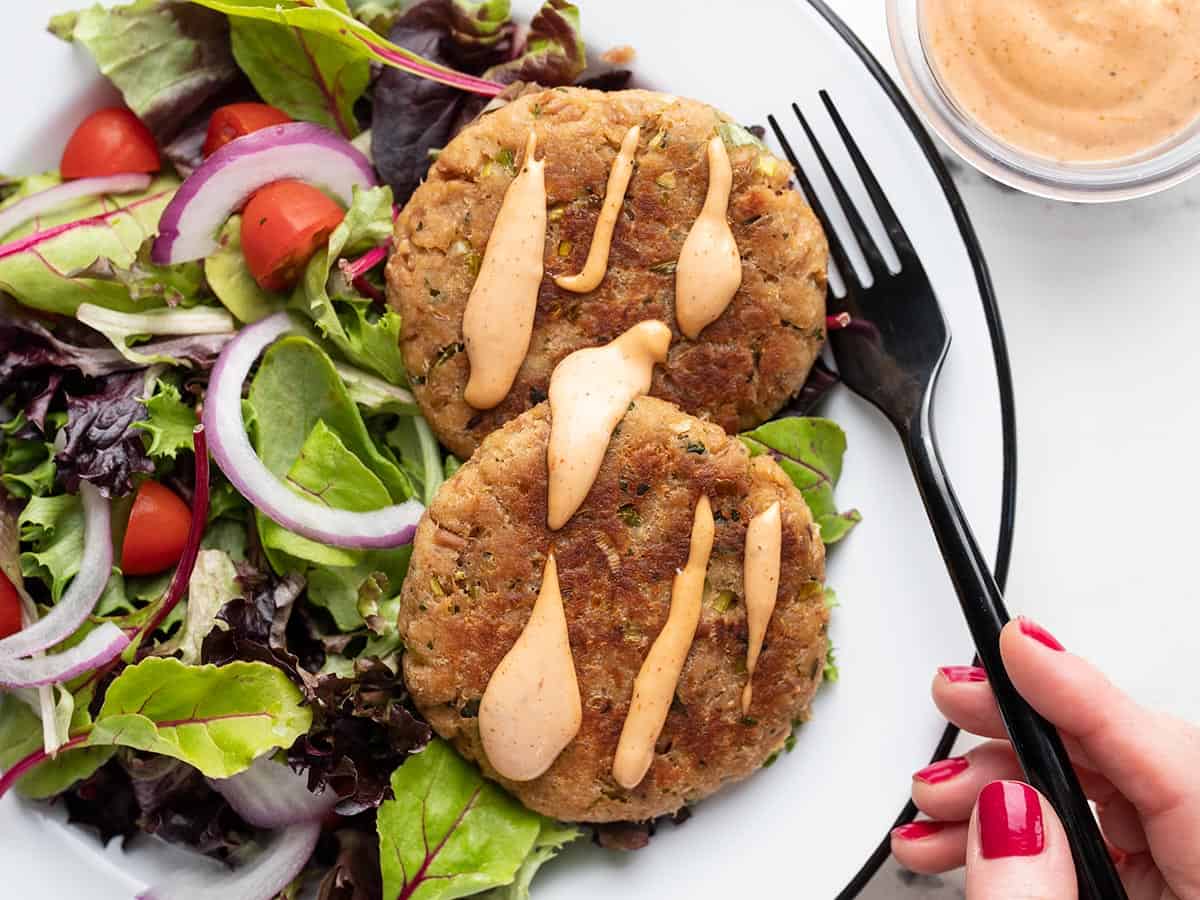
- Tuna Patties: These represent a cost-effective alternative to crab cakes. By utilizing basic pantry staples such as breadcrumbs and mayonnaise as binders, these patties provide a high-protein main dish that can be served alongside salads or tucked into pita bread. At an estimated cost of $0.80 per serving, they are among the most economical hot meals available.
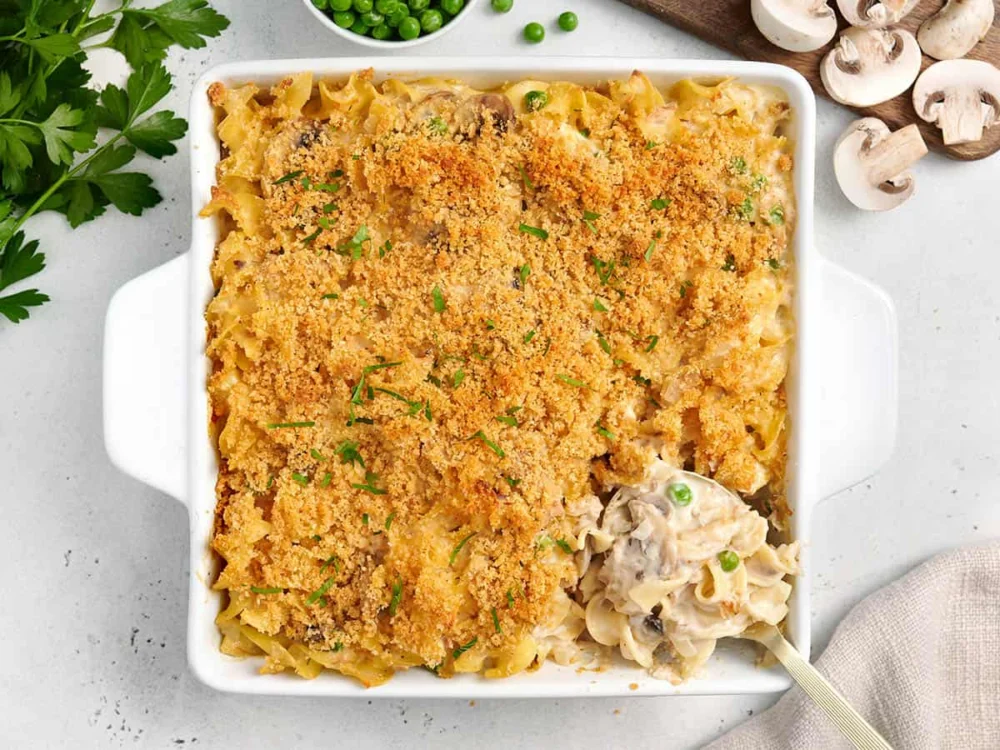
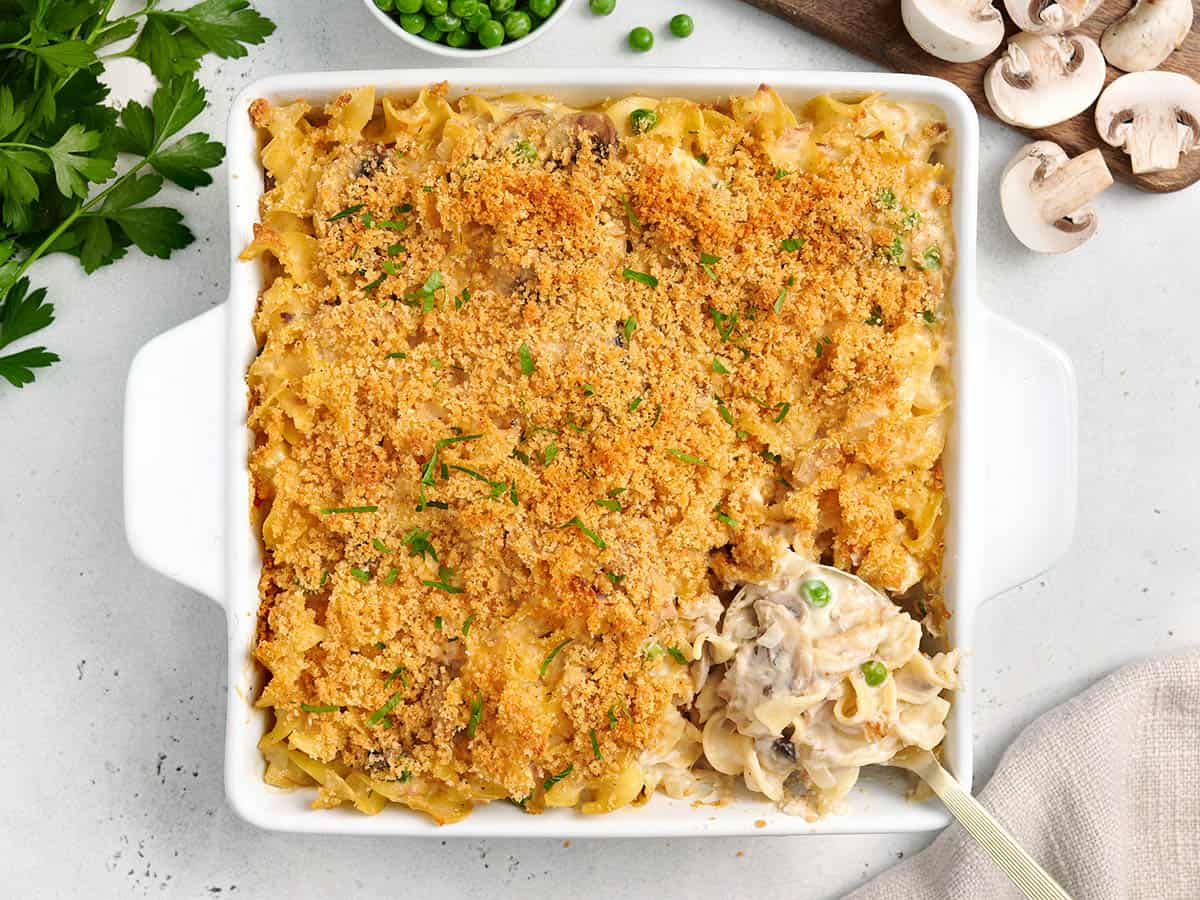
- Tuna Noodle Casserole: A cornerstone of mid-century cooking, the modern iteration focuses on a scratch-made mushroom sauce rather than canned soups. This adjustment reduces sodium intake and enhances the textural contrast of the breadcrumb-Parmesan topping.
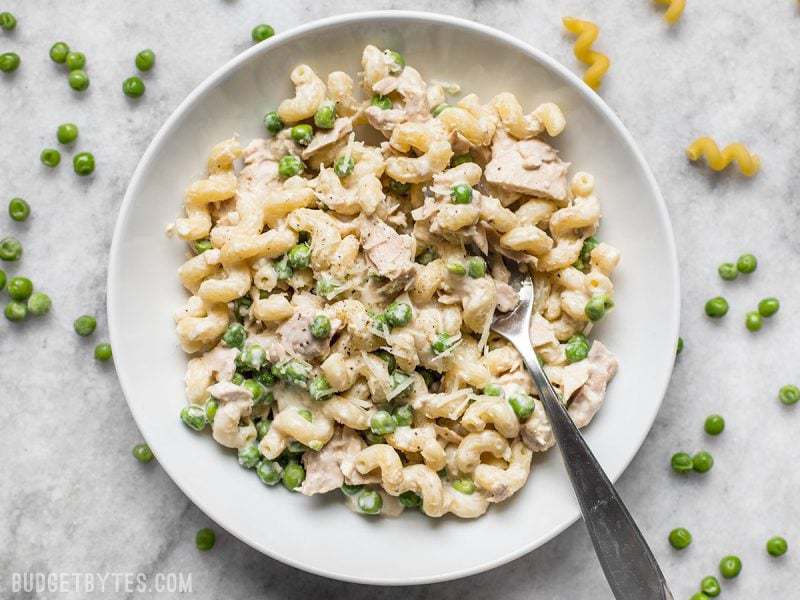
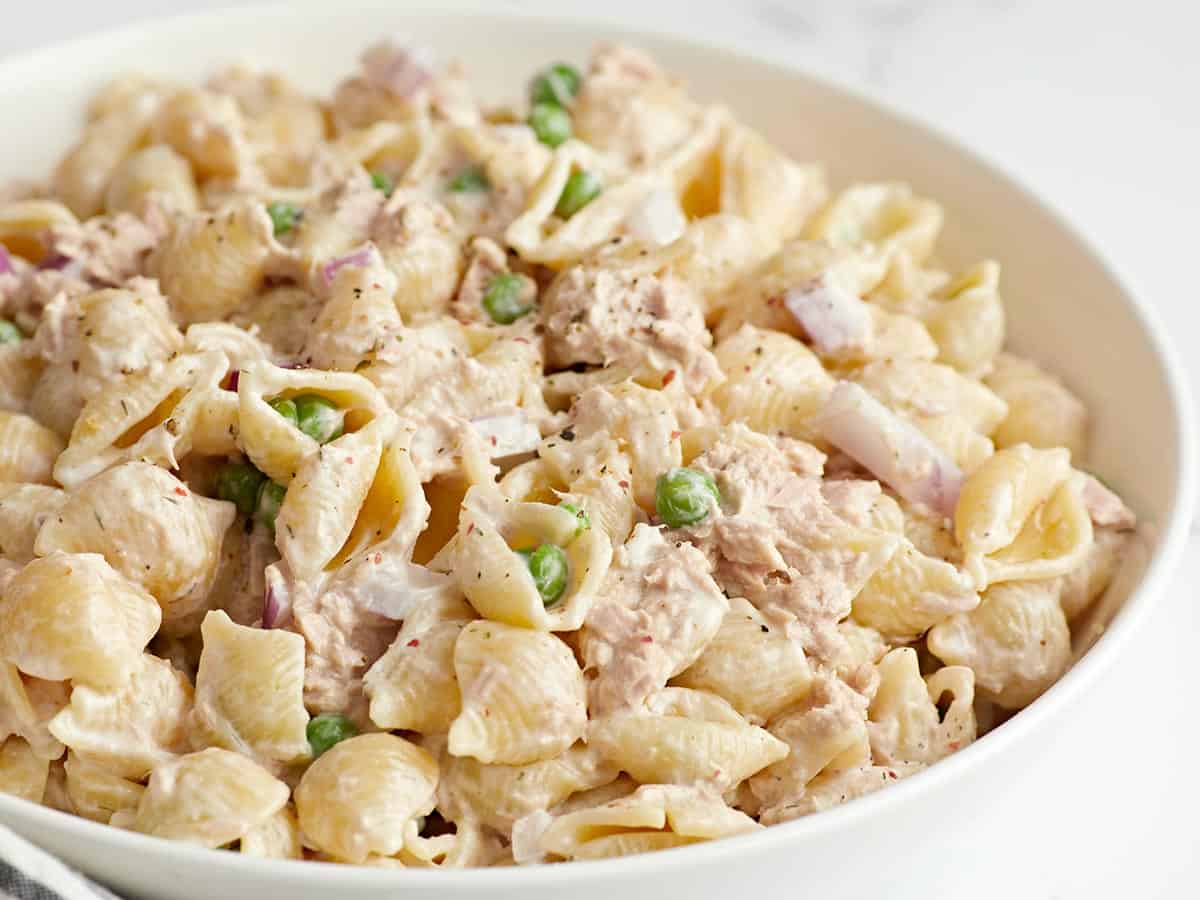
- Creamy Tuna Pasta with Peas: This dish emphasizes the use of frozen peas—another budget-friendly staple—to add fiber and color. The recipe is highly customizable, allowing for the addition of spinach or pesto based on refrigerator inventory.
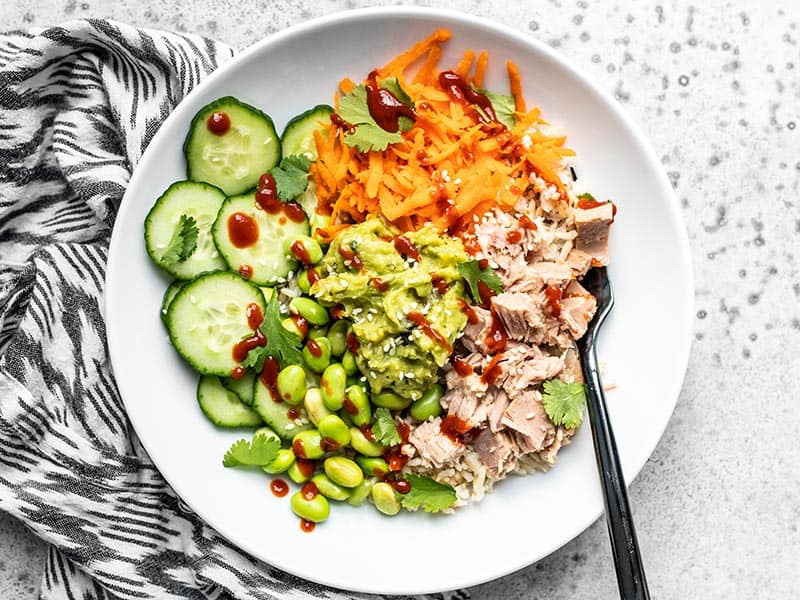
- Spicy Tuna Guacamole Bowls: This recipe bridges the gap between traditional pantry cooking and modern "bowl" trends. By incorporating rice, edamame, and sriracha, it provides a complex flavor profile that requires no reheating, making it ideal for mobile meal prep.
II. Sandwiches and Wraps: High-Efficiency Lunches
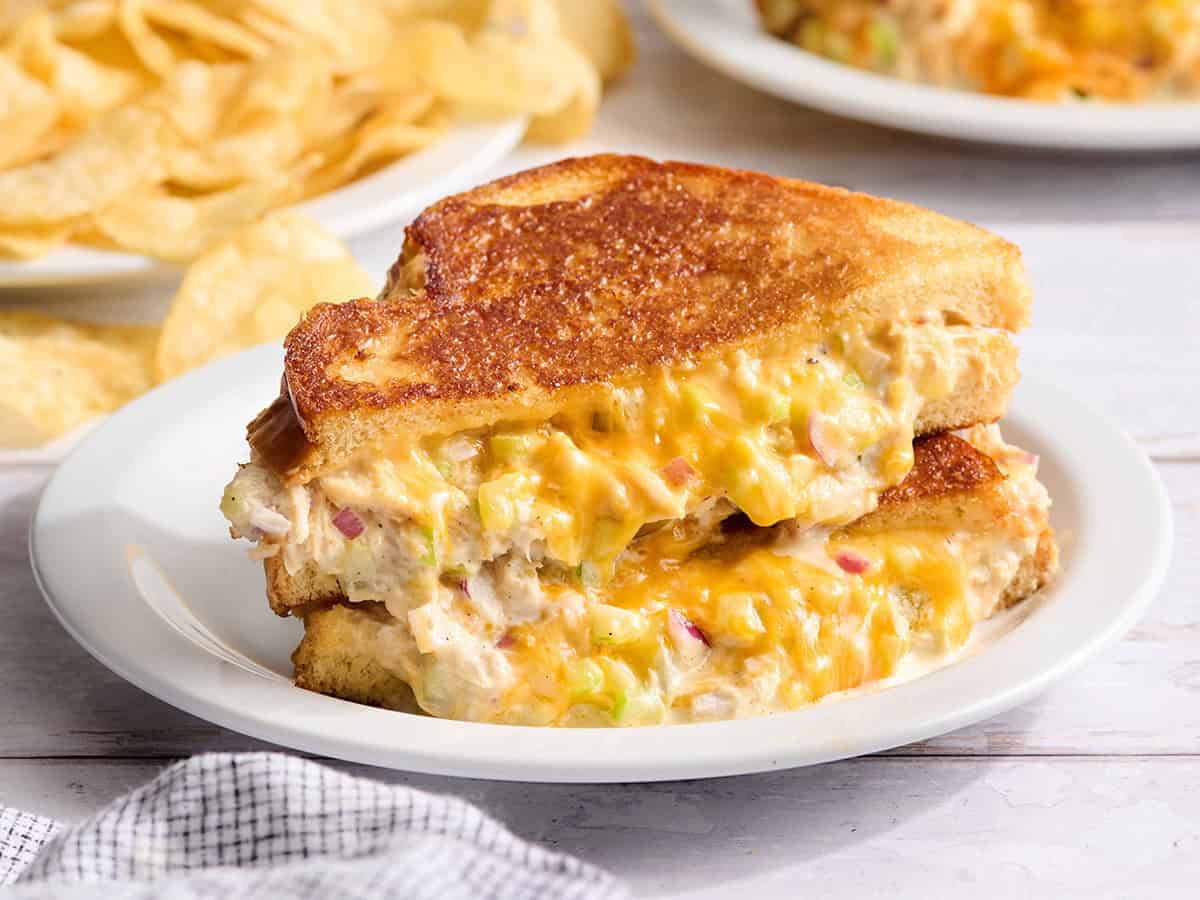
- Classic Tuna Melt: This recipe elevates the standard grilled cheese by adding a punchy tuna salad featuring celery, red onion, and pickles. The use of sourdough and sharp cheddar provides a gourmet experience using base-level ingredients.
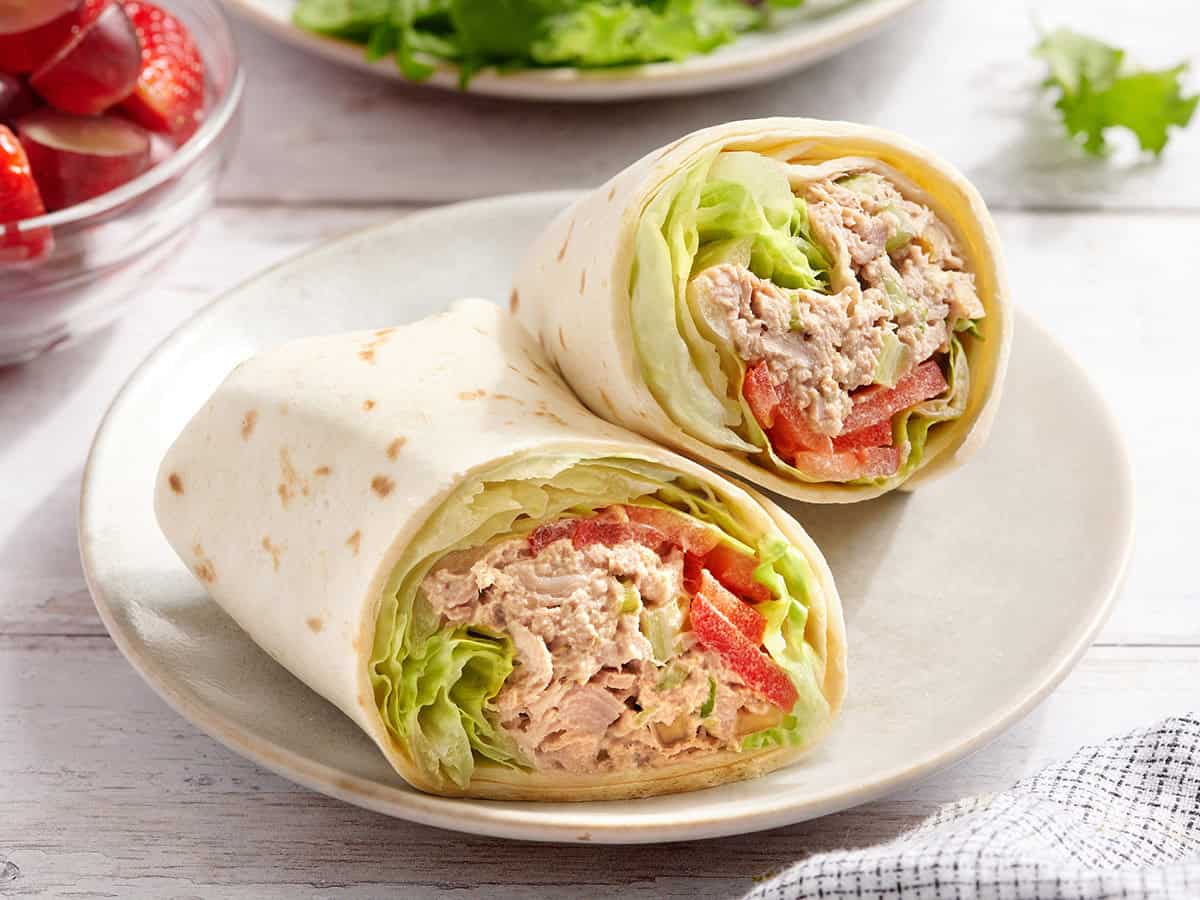
- Tuna Wrap: A significant challenge in wrap preparation is the "soggy factor." The Nashville Test Kitchen recommends a strategic layering of romaine lettuce to act as a moisture barrier between the tuna salad and the flour tortilla, ensuring the wrap remains structurally sound for school or work lunches.
III. Fulfilling Salads: Global and Mayo-Free Variations
The salad category has seen the most innovation, moving away from "gloopy" textures toward bright, acid-forward profiles.
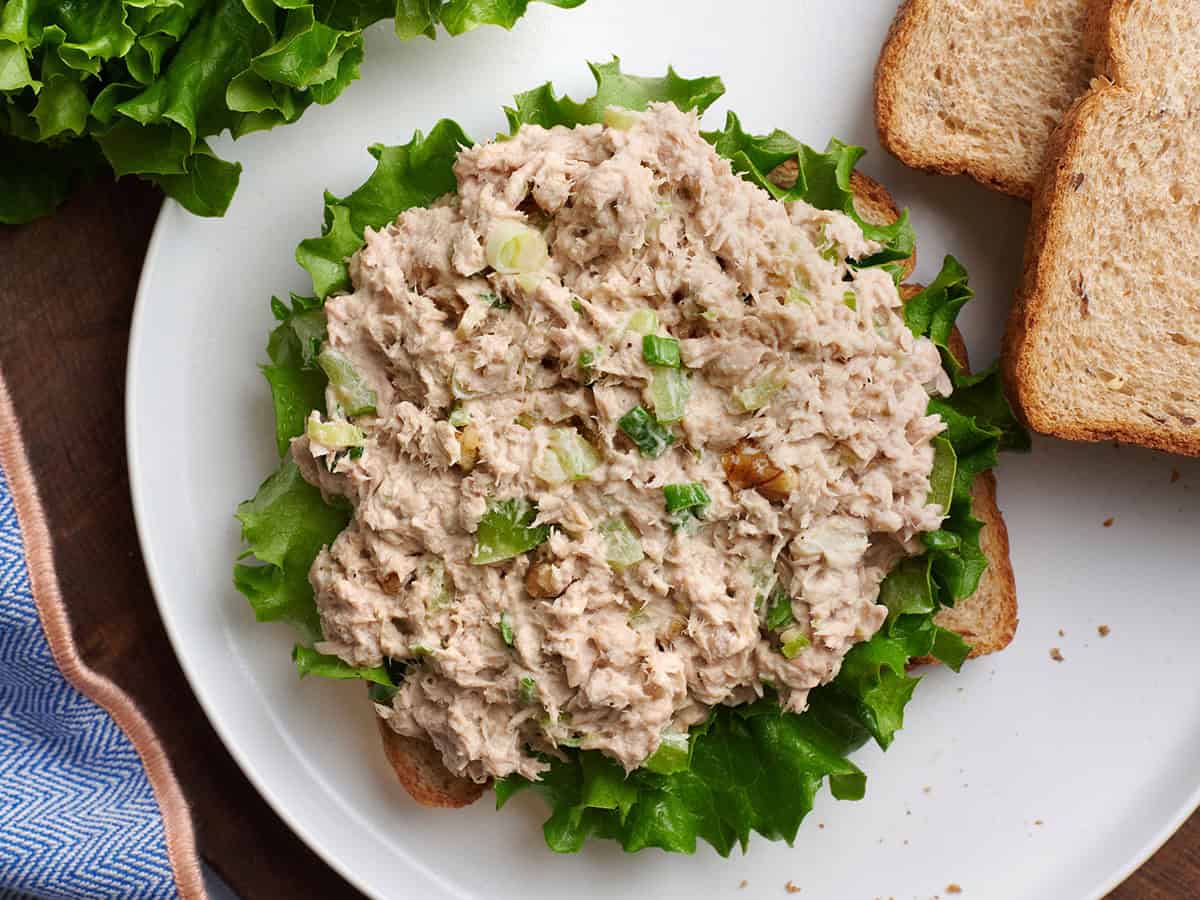
- Classic Tuna Salad: The inclusion of walnuts and green onions provides a necessary textural contrast that distinguishes this version from standard cafeteria offerings.
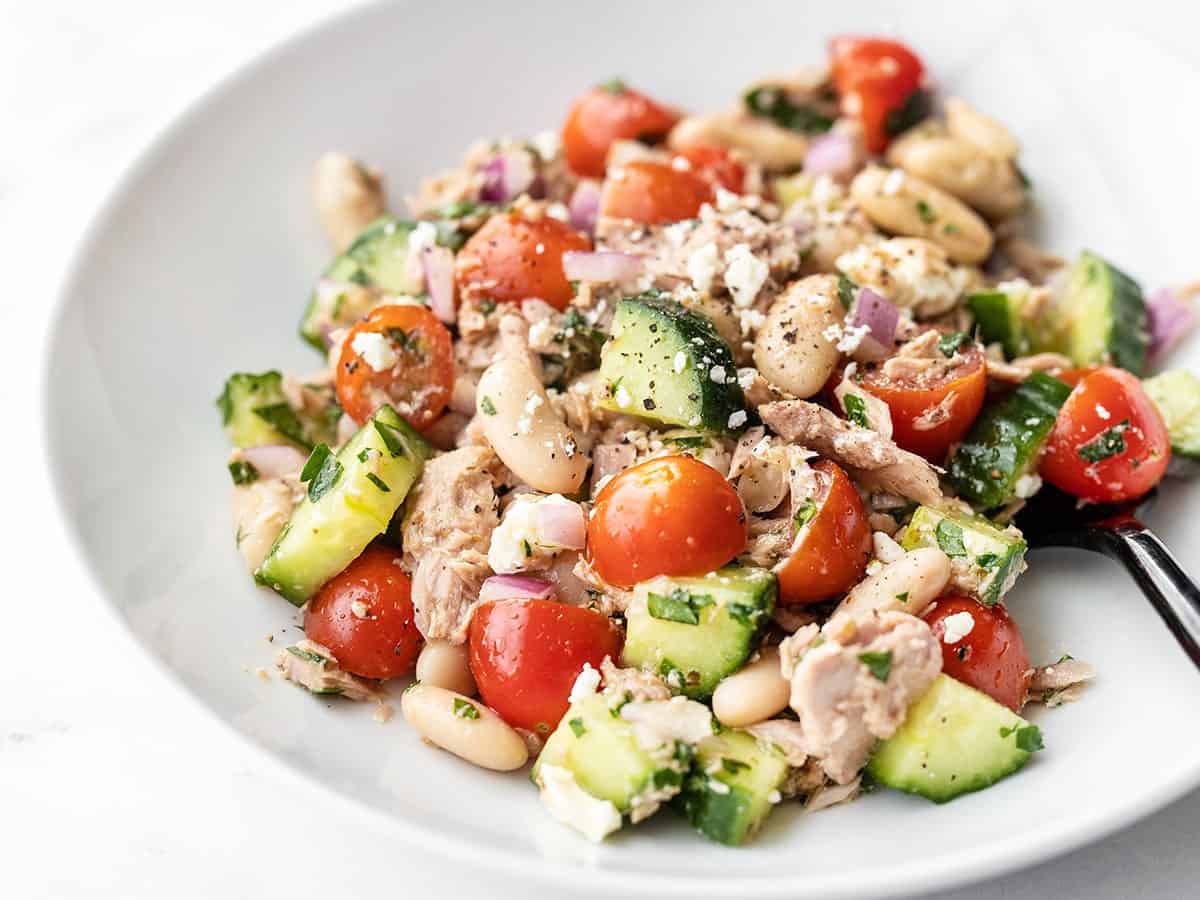
- Mediterranean Tuna Salad: By replacing mayonnaise with a vinaigrette, this recipe appeals to health-conscious consumers and improves the salad’s shelf life in the refrigerator.
- Tuna Pasta Salad with Peas: A staple for potlucks and picnics, this version uses a lemony dill dressing to maintain a sense of freshness even after 24 hours of refrigeration.
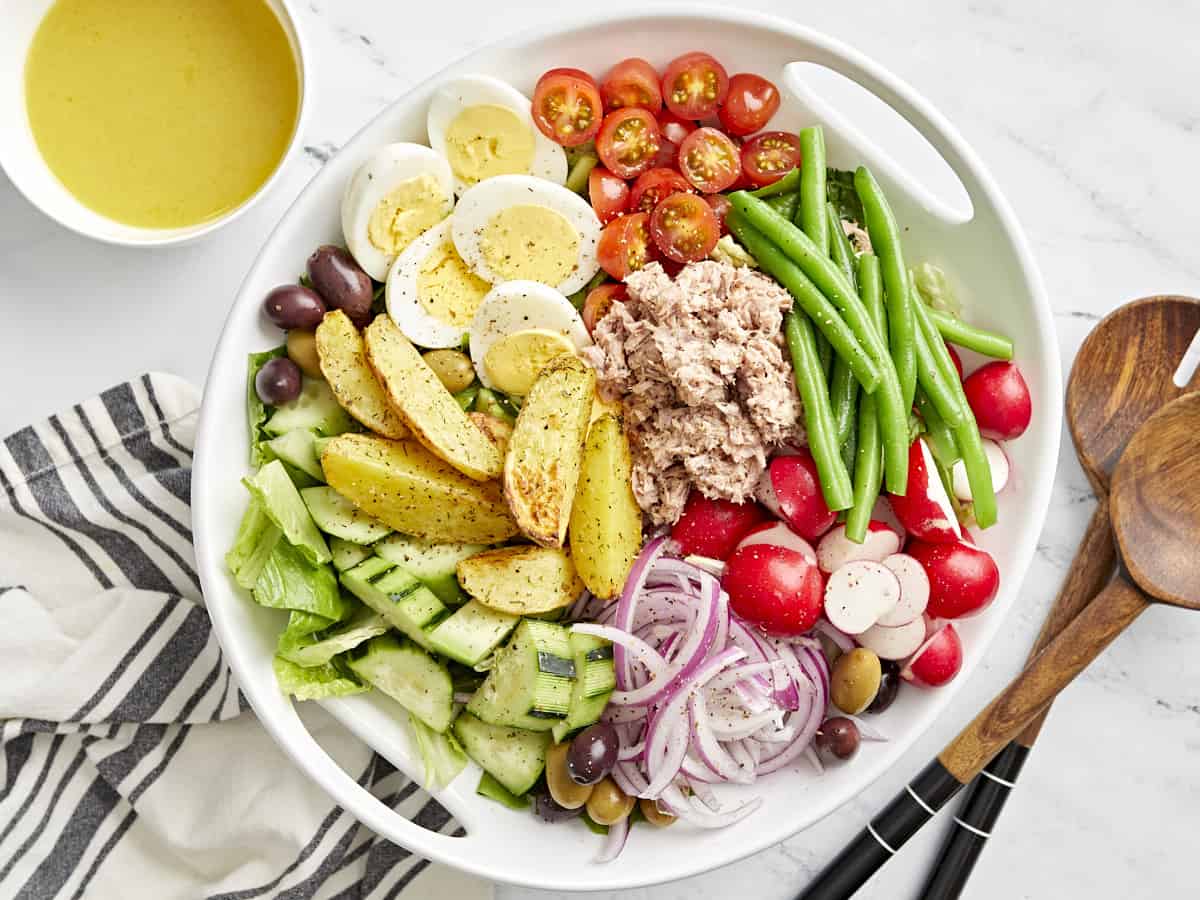
- Niçoise Salad: Though traditionally a more expensive French dish, the budget-friendly adaptation uses canned tuna and potatoes to provide a filling, protein-heavy meal that mimics high-end bistro fare.
- Tuna and White Bean Salad: This represents the "peak pantry" meal, requiring only canned beans, tuna, and basic aromatics. It is a high-fiber, high-protein option that can be prepared in under five minutes.
- Sesame Tuna Salad: Incorporating soy sauce and toasted sesame oil, this recipe caters to the growing demand for East Asian flavor profiles in quick-fix meals.
- Gochujang Tuna Salad: Utilizing the Korean fermented chili paste, this 4-ingredient salad provides a sweet-salty-umami kick that serves as a modern update to the classic tuna salad.
- Sweet and Spicy Tuna Salad (Mayo-Free): Using vinegar and brown sugar, this version is designed for those seeking a lighter, more piquant lunch option that avoids the calorie density of traditional dressings.
Quality Control and Testing Methodologies
The recipes presented are the result of extensive testing conducted at the Nashville Test Kitchen. Chef Jess Rice, a former Chef Professor at Niagara College and an experienced restaurateur, oversees the development process. According to Rice, the objective is to ensure that "aspiring chefs and home cooks alike" can achieve professional results with minimal financial investment. The testing process involves multiple iterations to determine the optimal ratio of binders to protein and the stability of flavor profiles over multi-day storage periods.
Supporting Data: Market Trends and Consumer Behavior
Data from the Bureau of Labor Statistics indicates that while the price of fresh seafood has fluctuated by as much as 12% in recent years, canned tuna prices have remained relatively stable, making it a reliable hedge against food inflation. Furthermore, a 2023 consumer survey revealed that 64% of households now prioritize "multipurpose" ingredients—items that can be used in at least three different meal types. Canned tuna’s ability to function in pastas, sandwiches, and salads simultaneously satisfies this consumer demand for efficiency.
Broader Impact and Social Implications
The promotion of tuna-based recipes has significant implications for public health and food equity. In "food deserts" where fresh produce and meat are scarce or prohibitively expensive, canned proteins offer a lifeline of essential nutrients. Programs aimed at reducing food insecurity frequently include canned tuna in distribution kits due to its long shelf life and the fact that it requires no cooking if necessary.
However, the industry is not without its challenges. Concerns regarding mercury levels and sustainable fishing practices (such as "dolphin-safe" and MSC-certified sourcing) remain at the forefront of consumer consciousness. Educational efforts, like those led by the Budget Bytes team, help consumers navigate these choices by emphasizing the use of "chunk light" tuna (typically skipjack), which contains lower mercury levels than the larger albacore species.
Conclusion: The Strategic Future of the Pantry
As the culinary landscape continues to adapt to economic shifts, the reliance on versatile, shelf-stable proteins like canned tuna is expected to increase. The 14 recipes detailed above provide a framework for home cooks to maintain nutritional standards and flavor variety without exceeding their financial means. By applying professional culinary techniques to humble ingredients, the Nashville Test Kitchen demonstrates that budget-friendly cooking does not require a sacrifice in quality or creativity. The future of the modern kitchen may well be defined not by the luxury of its ingredients, but by the ingenuity with which it utilizes its most basic staples.
