

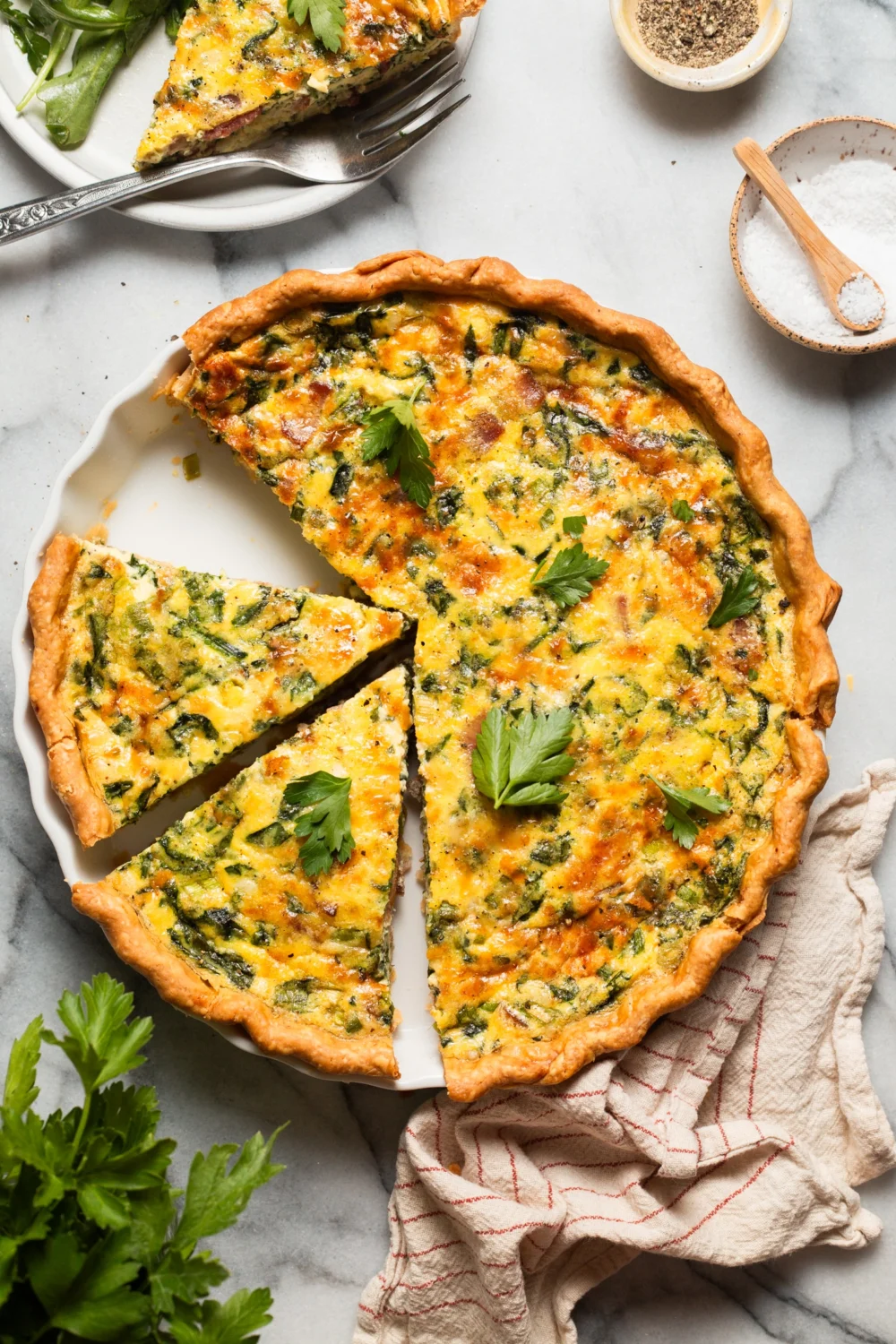
This comprehensive guide delves into the art of creating a foolproof homemade quiche, a culinary staple celebrated for its versatility and comforting nature. Leveraging readily available store-bought pie dough, this recipe promises a luxuriously creamy, silky custard encased in a perfectly flaky, golden-brown crust. The adaptability of this quiche recipe means it can be customized with an array of fillings, catering to diverse palates and dietary preferences.
The Enduring Appeal of Quiche: A Culinary Staple
Quiche, a classic French dish, has long held a cherished place in kitchens worldwide. Its fundamental composition—a savory baked egg custard nestled within a pastry crust, enhanced by a medley of ingredients such as cheese, vegetables, and meats—lends itself to endless variations. Traditionally served hot, warm, or cold, quiche transcends the boundaries of a single meal, proving equally adept as a brunch centerpiece, a light lunch, or an elegant appetizer.
Understanding the Quiche: Beyond the Basics
At its core, a quiche is defined by its distinctive crust and its rich, eggy filling. The custard, typically a blend of eggs and dairy (milk, cream, or half-and-half), forms the luscious base. Unlike its cousin, the frittata, which foregoes a crust for a denser, omelette-like consistency, quiche offers a textural contrast between the crisp pastry and the smooth, yielding interior. This distinction is crucial for appreciating the unique charm of a well-executed quiche.
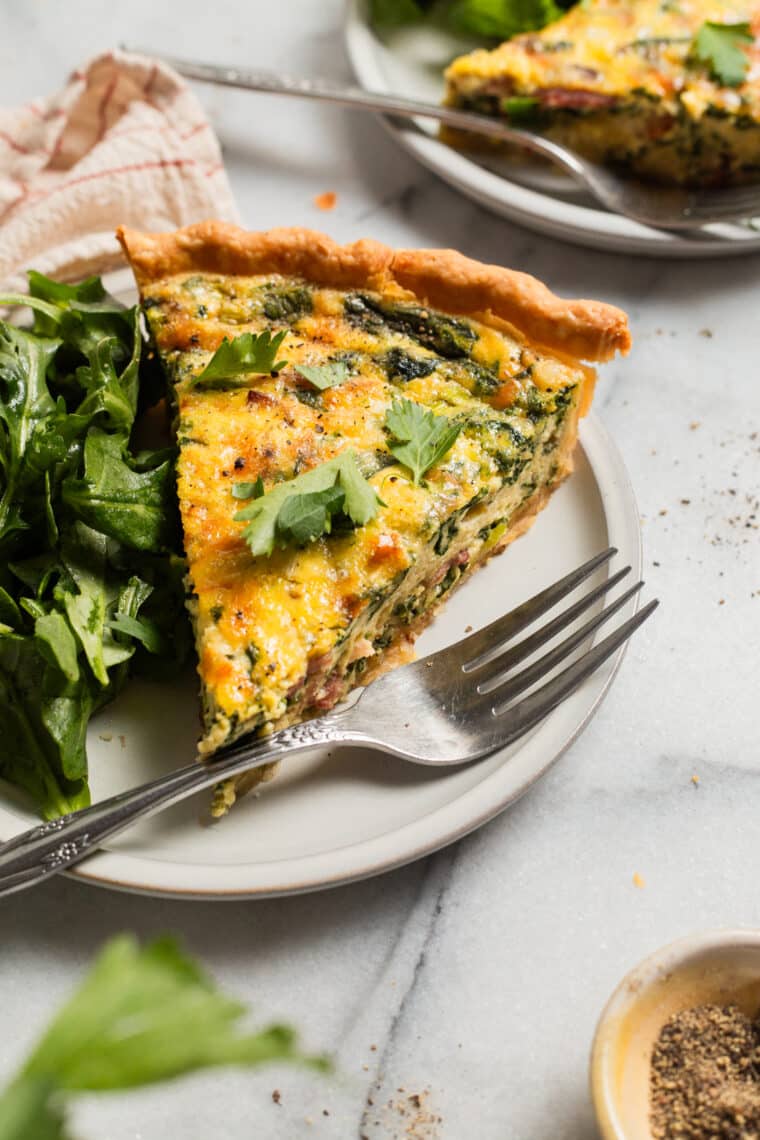
Key Ingredients for Quiche Perfection
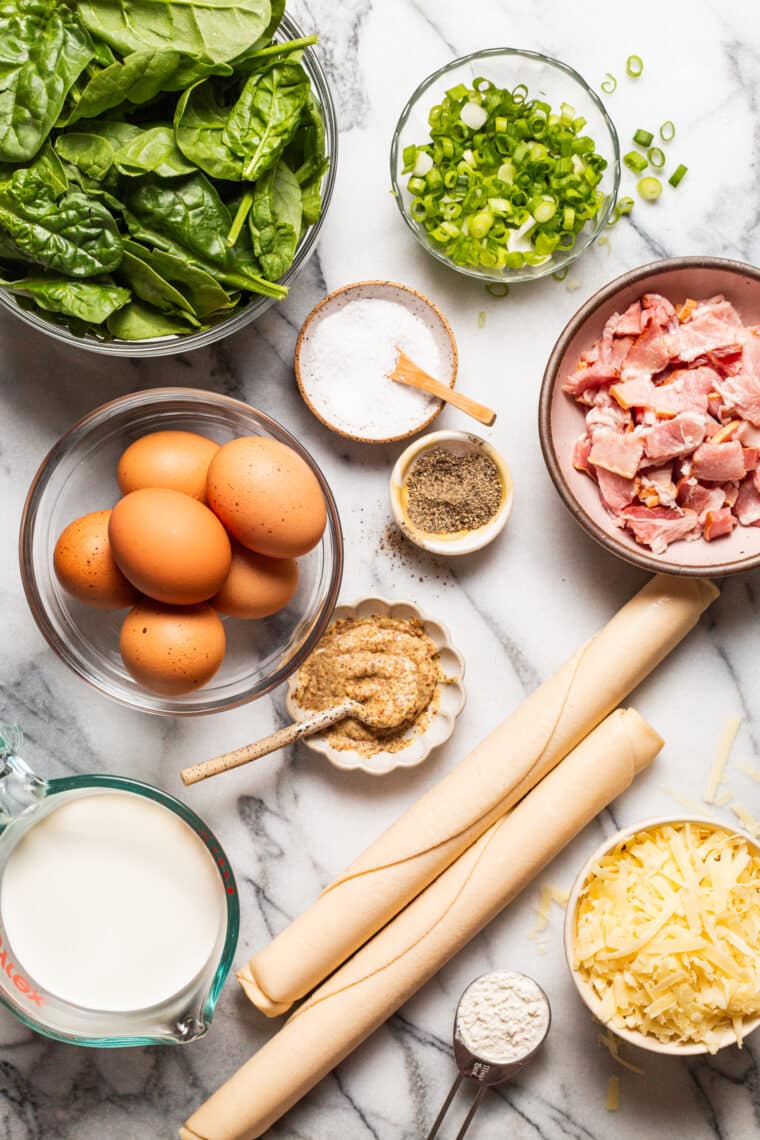
The foundation of an exceptional quiche lies in the quality and thoughtful selection of its components. This recipe emphasizes simplicity without compromising on flavor or texture.
The Crucial Role of Pie Dough
The recipe champions the use of store-bought pie dough, a practical choice that significantly streamlines the preparation process. It calls for two crusts, allowing for a more generous margin to achieve a beautifully crimped edge, ensuring a snug fit within a standard quiche dish. This approach negates the need for intricate dough-making, making the dish accessible to cooks of all skill levels.
Eggs: The Custard’s Backbone
Eggs are the indispensable binder that holds the quiche together, transforming disparate ingredients into a cohesive, creamy, and savory custard. The quality and freshness of the eggs directly influence the final texture and richness of the quiche.
Dairy: The Creamy Elixir
The choice of dairy plays a pivotal role in the custard’s consistency. While whole milk offers a lighter option, and heavy cream provides unparalleled richness, half-and-half strikes an ideal balance. It imparts a luxurious creaminess without being overly heavy, creating a texture that is both decadent and delightful.

Flour: The Stabilizing Agent
A modest addition of all-purpose flour serves a critical function: it acts as a moisture absorber, preventing the custard from becoming watery or curdled. This small amount ensures a consistently smooth and creamy texture throughout the baked quiche.
The Versatile Filling
The beauty of quiche lies in its adaptability. While bacon and spinach represent a classic and popular combination, the possibilities for fillings are virtually limitless. From hearty meats to vibrant vegetables, the quiche can be a canvas for any desired flavor profile.
Cheese: The Flavor Enhancer
Cheese adds another layer of complexity and richness to the quiche. While Gruyère is often lauded for its nutty, savory, and melting qualities, a wide array of cheeses, including cheddar, Swiss, fontina, goat, and feta, can be employed to achieve unique flavor profiles.
Mastering the Art: A Step-by-Step Approach
Creating this easy quiche involves a straightforward process designed for maximum success.
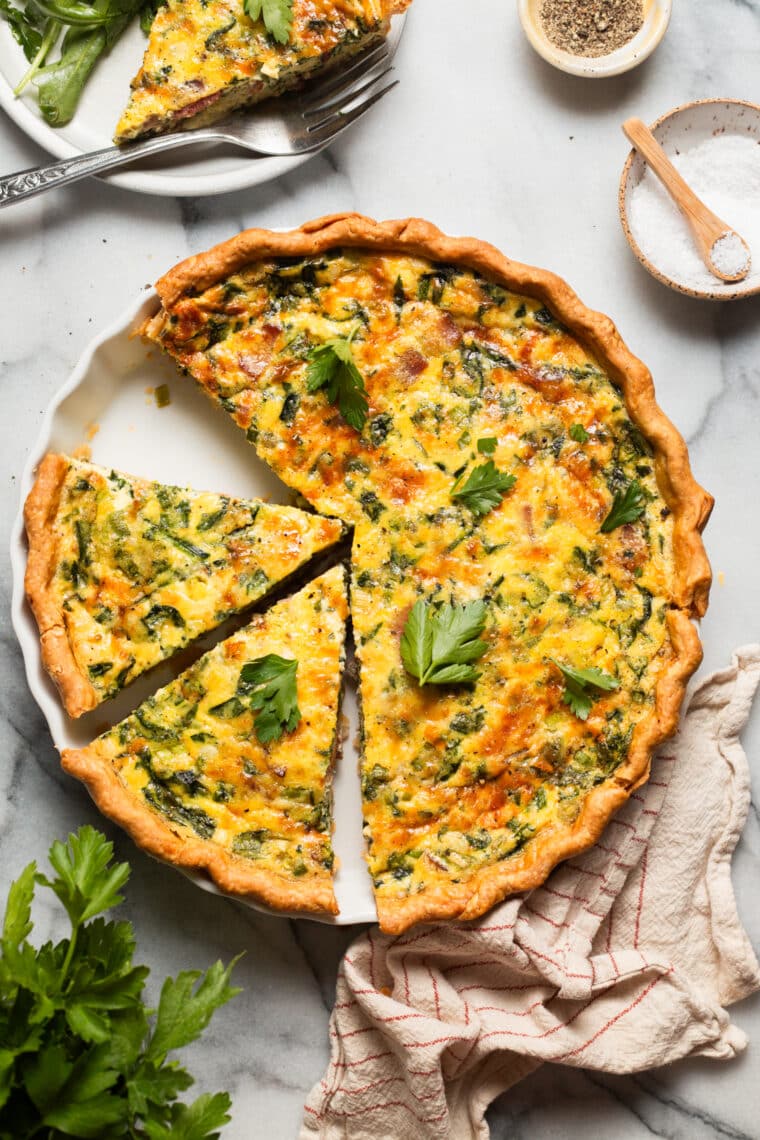
Blind Baking the Crust: The Secret to a Crisp Bottom
A critical step for achieving a perfectly cooked quiche is blind baking the crust. This technique involves pre-baking the pie crust before adding the filling, a crucial measure to prevent a soggy bottom, especially when dealing with moisture-rich custards.
The Blind Baking Process:
- Prepare the Crust: Line your quiche dish with the store-bought pie dough, ensuring it fits snugly. Trim any excess dough and crimp the edges decoratively.
- Weight Down the Dough: To prevent the crust from puffing up or shrinking during the initial bake, it needs to be weighted down. This can be achieved using pie weights, such as ceramic balls or even dried beans, spread evenly across the bottom of the crust.
- Pre-bake: Bake the weighted crust in a preheated oven for a specified time until it begins to turn golden. The exact duration will depend on the oven temperature and the thickness of the crust, but typically ranges from 10-15 minutes.
- Remove Weights and Continue Baking: Carefully remove the pie weights and continue to bake the crust for another few minutes until it is lightly golden and appears dry. This ensures a firm foundation for the quiche filling.
This preliminary step is paramount for a professional finish, guaranteeing a satisfying crunch with every bite.
Assembling and Baking the Quiche
Once the crust is prepared, the filling can be assembled and baked.
- Prepare the Filling: If using ingredients like bacon or vegetables, cook and drain them thoroughly before adding them to the crust.
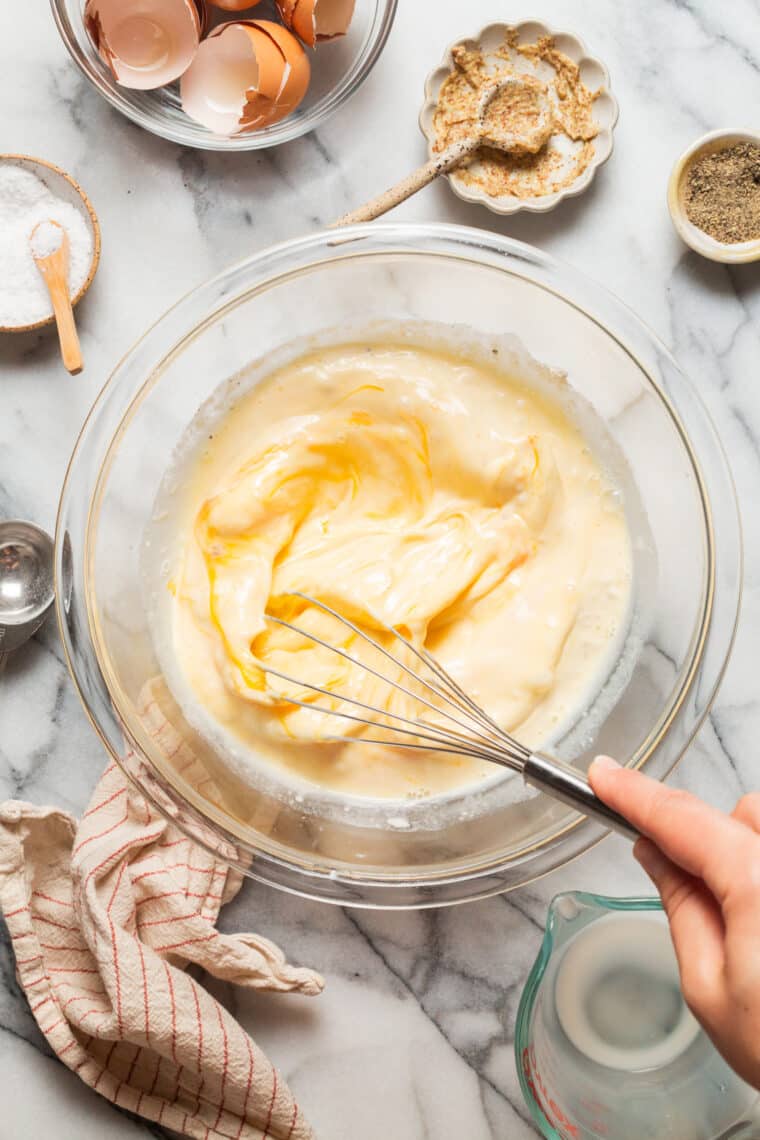
- Mix the Custard: In a separate bowl, whisk together the eggs, milk or cream, flour, and any seasonings.
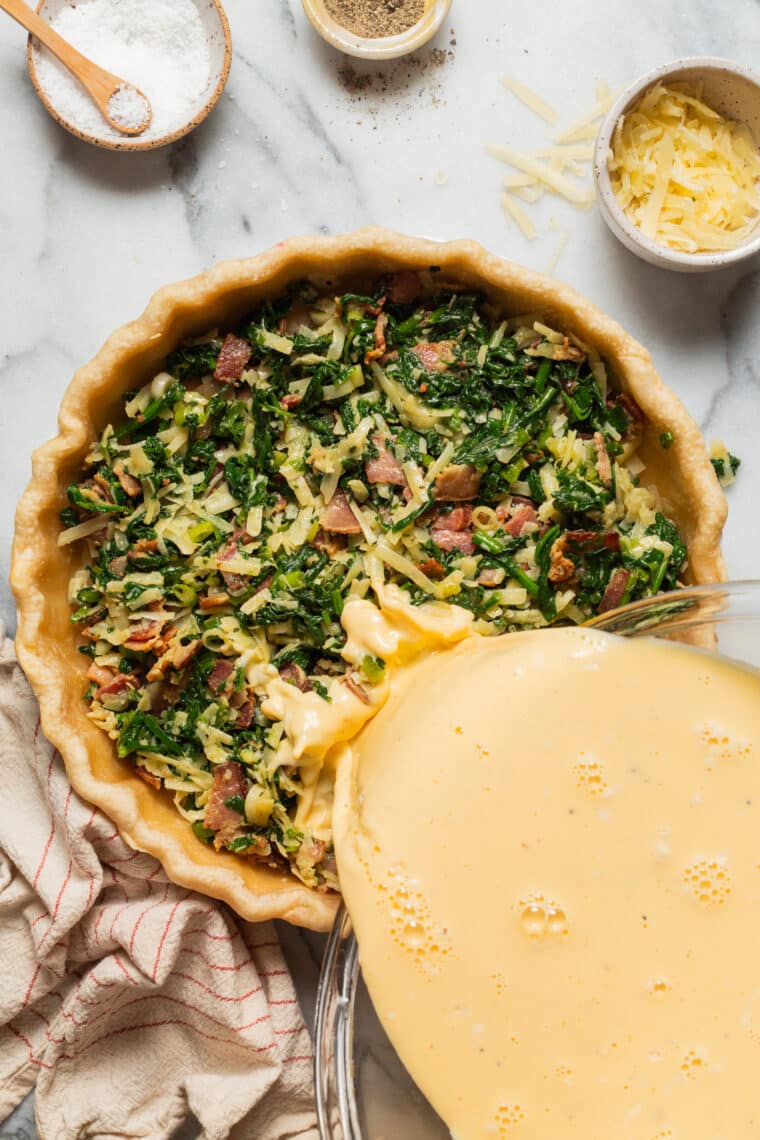
- Combine and Bake: Arrange the prepared filling ingredients evenly in the blind-baked crust. Pour the egg custard mixture over the filling. Bake in a preheated oven until the center is set and the top is golden brown. The baking time typically ranges from 35-45 minutes, depending on the oven and the depth of the quiche.
Cooling for Perfect Slices
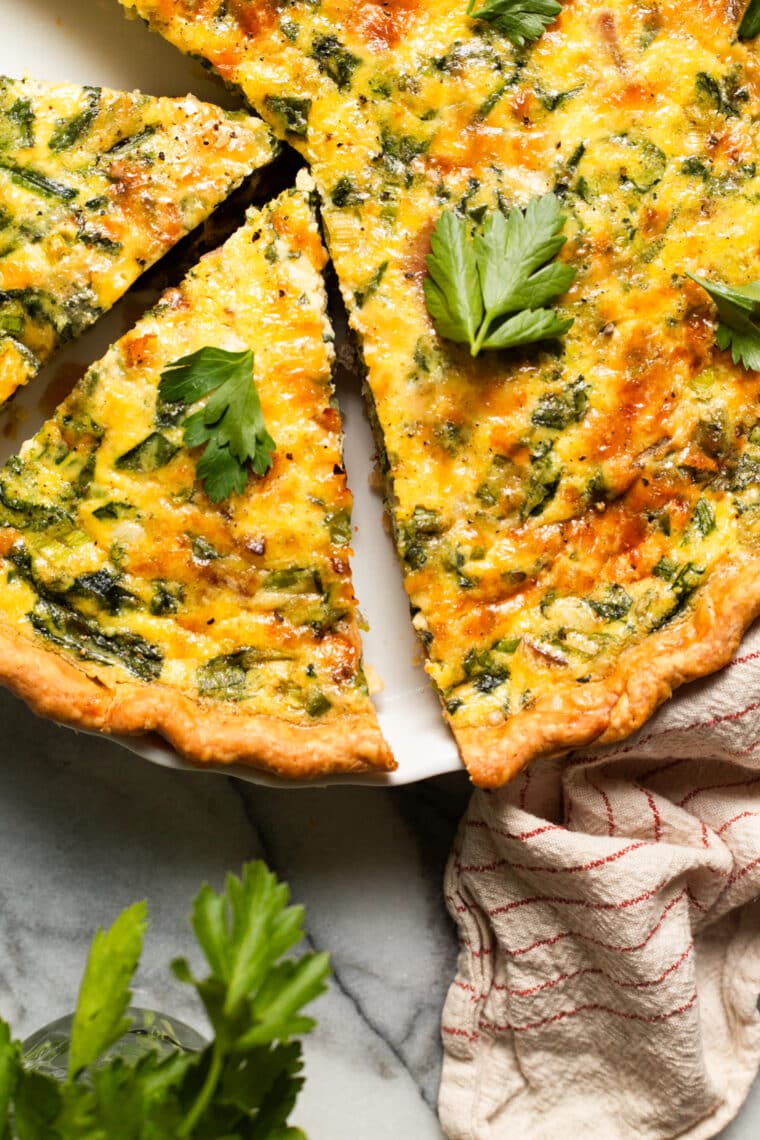
Allowing the quiche to cool for at least 10 minutes after baking is essential. This resting period allows the custard to fully set, ensuring clean, neat slices when served.
Exploring Delicious Quiche Combinations
The inherent versatility of quiche allows for an expansive range of flavor combinations, catering to every preference.
Classic Inspirations:
- Quiche Lorraine: A timeless favorite featuring smoky bacon and the nutty depth of Gruyère or Swiss cheese.
- Spinach and Feta: A lighter yet flavorful option combining sautéed spinach with the tangy creaminess of crumbled feta cheese.
- Ham and Swiss: A hearty combination of diced cooked ham, sweet caramelized onions, and the distinctive flavor of Swiss cheese.
- Broccoli and Cheddar: A comforting blend of tender broccoli florets and the sharp, savory notes of cheddar cheese.
Vegetable-Forward Options:
- Mediterranean Medley: Roasted bell peppers, zucchini, and onions, perhaps with a touch of goat cheese.
- Earthy Mushrooms: Sautéed mushrooms with fresh thyme and a hint of garlic.
- Root Vegetable Roast: Diced and roasted root vegetables like carrots, parsnips, and sweet potatoes, offering a subtly sweet and earthy profile.
Leafy Greens and Fresh Herbs:
- Kale and Swiss Chard: Sautéed hearty greens, offering a nutritious and flavorful base.
- Arugula and Watercress: Peppery greens that add a fresh, vibrant counterpoint to the rich custard.
- Fresh Herbs: Incorporating fresh dill, thyme, rosemary, basil, or parsley can elevate the aroma and flavor profile.
Spice and Flavor Boosters:
- Dijon Mustard: A spoonful of Dijon adds a subtle tang and depth.
- Nutmeg: A pinch of freshly grated nutmeg is a classic spice pairing for creamy custards.
- Paprika or Crushed Red Pepper Flakes: These can add a hint of warmth and color.
Pro Tips for Quiche Excellence
Elevating your quiche-making to a professional level involves incorporating a few key techniques and considerations.
The Importance of Blind Baking
As previously detailed, blind baking the crust is non-negotiable for preventing a soggy bottom. This technique ensures the pastry remains crisp and structurally sound, providing a delightful textural contrast to the creamy filling.
Dairy Substitutions
While half-and-half is recommended, understanding substitutions can offer flexibility. For every cup of half-and-half, a combination of whole milk and heavy cream (e.g., 3/4 cup milk + 1/4 cup cream) can achieve a similar richness. For a lighter version, skim or low-fat milk can be used in conjunction with cream.
Make-Ahead Strategies
Quiche is an excellent candidate for make-ahead preparation. The blind-baked crust can be stored at room temperature for up to two days, well-wrapped. Alternatively, the entire quiche can be assembled and baked up to two days in advance, then refrigerated. It can be served at room temperature or gently reheated in a 300°F oven until warmed through.
The Cooling Period
Allowing the quiche to rest for at least 10 minutes post-baking is crucial for the custard to set properly. This brief cooling period ensures that the quiche can be sliced cleanly, presenting beautifully on the plate.
Storing Leftovers
Leftover quiche can be stored in an airtight container in the refrigerator for 3-4 days. Reheating is best done at a moderate temperature (300°F) to warm it through without overcooking the custard.
Frequently Asked Questions About Quiche
Addressing common queries can further demystify the quiche-making process.
Why do I have to blind bake the crust?
Blind baking pre-bakes the crust, creating a barrier against the moisture from the filling, thus preventing a soggy bottom.
What can I substitute for half and half?
A mixture of whole milk and heavy cream, or even lower-fat milk with heavy cream, can effectively substitute for half-and-half to achieve a similar richness.
Can I make quiche ahead of time?
Yes, both the crust and the assembled quiche can be prepared in advance, offering convenience for meal planning.
How long do I have to let the quiche cool?
A minimum of 10 minutes is recommended for the custard to set, ensuring clean slices.
How can I store leftovers?
Leftovers can be stored in an airtight container in the refrigerator for 3-4 days and reheated gently.
The author, Chungah Rhee, founder of Damn Delicious, brings a wealth of experience in creating accessible and delicious recipes. Her philosophy centers on simplifying culinary tasks without sacrificing flavor, making home cooking achievable for everyone. With a keen eye for detail and a passion for food, her recipes are regularly featured in prominent media outlets, cementing her reputation as a trusted source for easy yet impressive dishes. Her culinary endeavors are often accompanied by her two corgi assistants, Butters and Cartman, adding a touch of charm to her accessible approach to cooking.
