

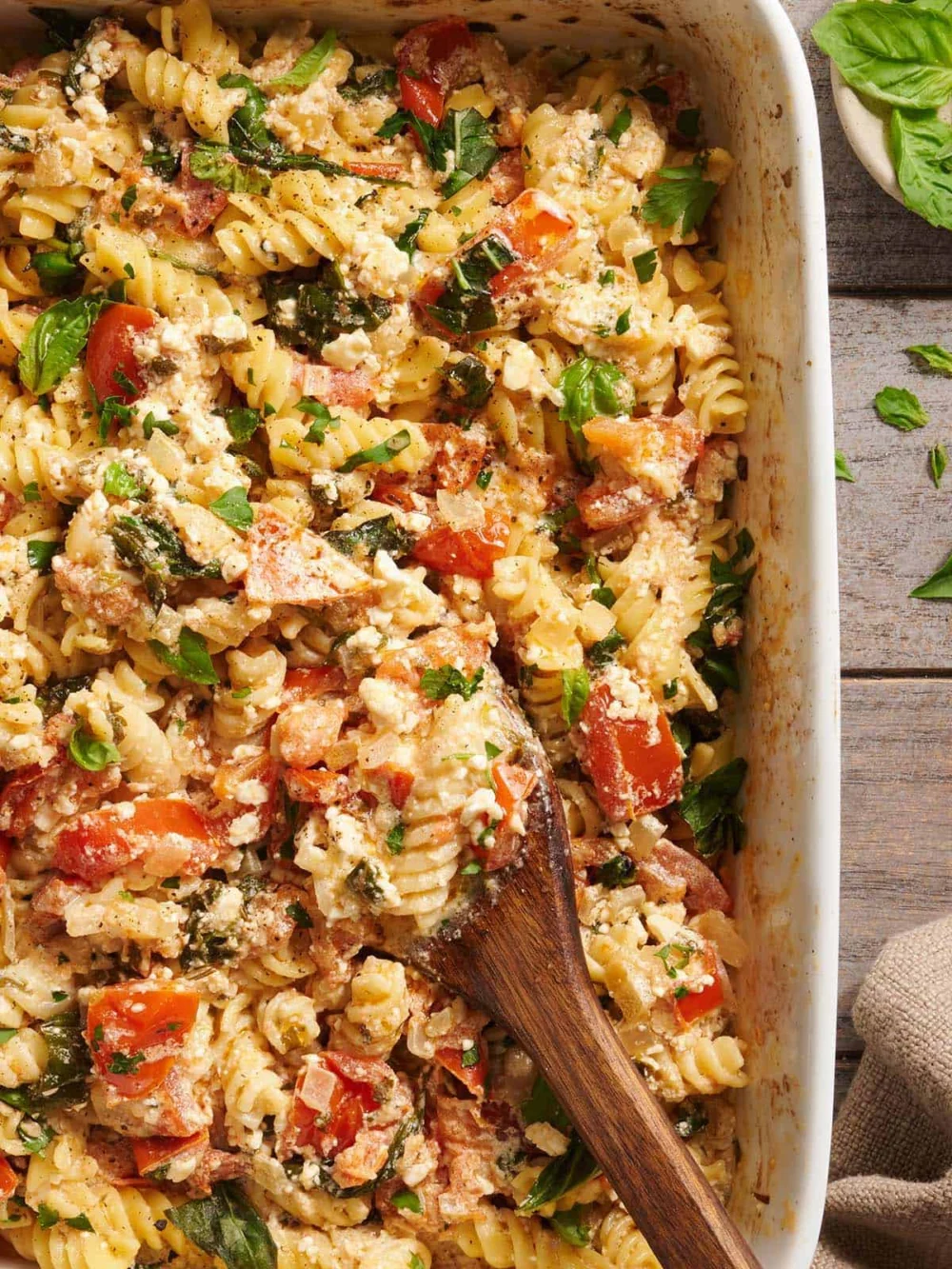
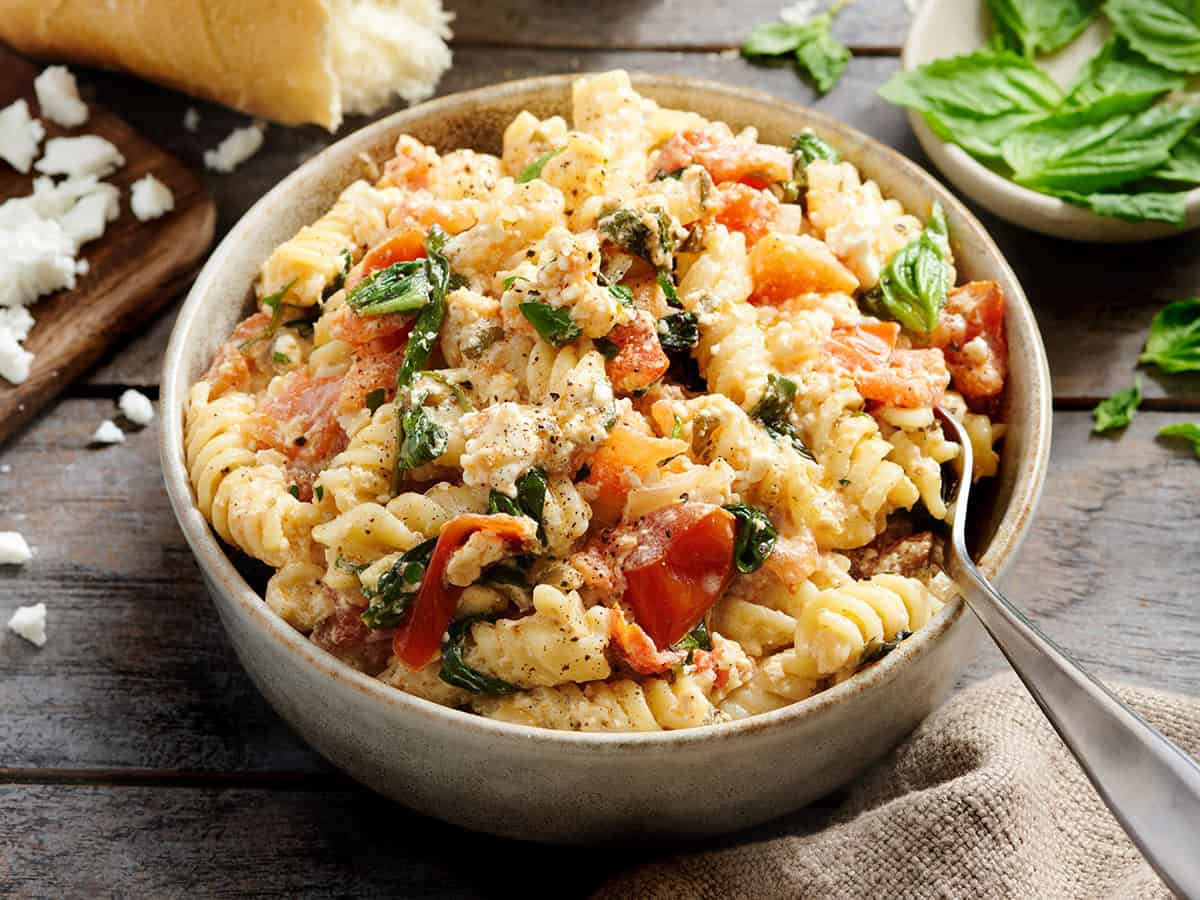
The global culinary landscape has undergone a significant transformation over the last five years, driven largely by the rapid dissemination of information through social media platforms. Among the most prominent examples of this phenomenon is the "Baked Feta Pasta," a dish that transitioned from a regional Finnish specialty to a worldwide sensation. Originally known as "uunifetapasta," the recipe gained international notoriety in early 2021, leading to documented feta cheese shortages in various retail markets. However, as global food inflation has impacted consumer purchasing power, the focus has shifted from mere replication of the trend to strategic economic adaptation. Recent developments from the Nashville Test Kitchen have highlighted a new methodology for this dish, prioritizing cost-efficiency without compromising the organoleptic qualities that made the original version a viral success.
Historical Chronology of the Baked Feta Pasta Phenomenon
The trajectory of the baked feta pasta trend began in 2018 when Finnish food blogger Jenni Häyrinen shared a recipe for "uunifetapasta." The dish was designed for simplicity, requiring only a block of feta, cherry tomatoes, olive oil, and pasta. By 2019, the recipe had become so popular in Finland that it was credited with a 300% increase in feta cheese sales across the country.
The global explosion occurred in late 2020 and early 2021, when the recipe was shared on TikTok and Instagram by various influencers. This secondary wave of popularity was characterized by its entry into the North American market, where it faced different economic variables. In 2024 and 2025, the narrative surrounding the dish has evolved further. Culinary researchers, such as those at the Nashville Test Kitchen, have identified the need for "budget-friendly" iterations as grocery prices for specialty produce, such as cherry and grape tomatoes, have seen substantial volatility.
Economic Analysis of Ingredient Substitution
The primary innovation in the modern, budget-conscious version of baked feta pasta involves a calculated substitution of tomato varieties. While the original viral recipe mandates the use of cherry or grape tomatoes, current market data suggests that this choice imposes a significant financial burden on the average household.
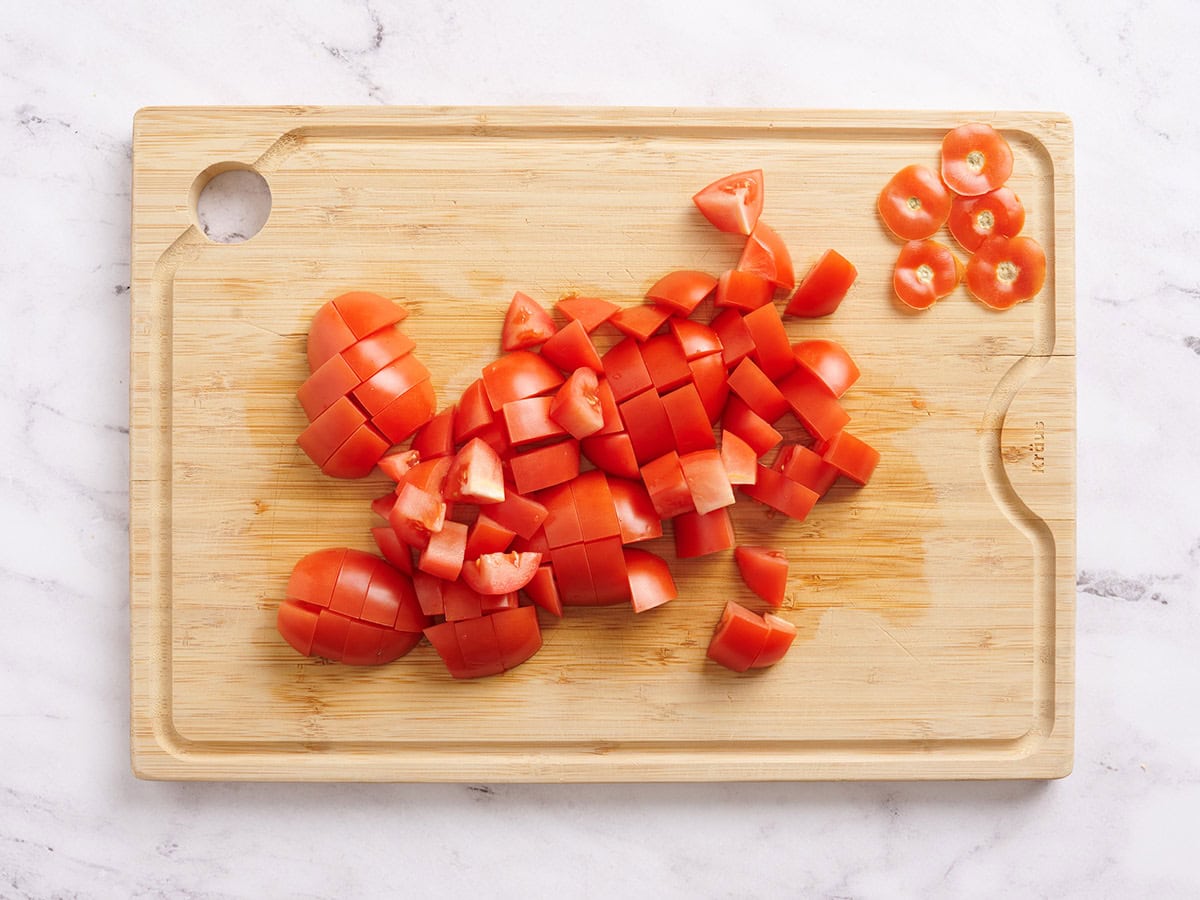
In a comparative cost analysis conducted in early 2024, it was determined that four cups of cherry or grape tomatoes—the volume required for the standard recipe—cost approximately $8.32 in several urban markets. In contrast, five Roma tomatoes, which provide a comparable flavor profile when roasted, are priced at approximately $1.20. This single substitution results in a cost reduction of over $7.00 per recipe.
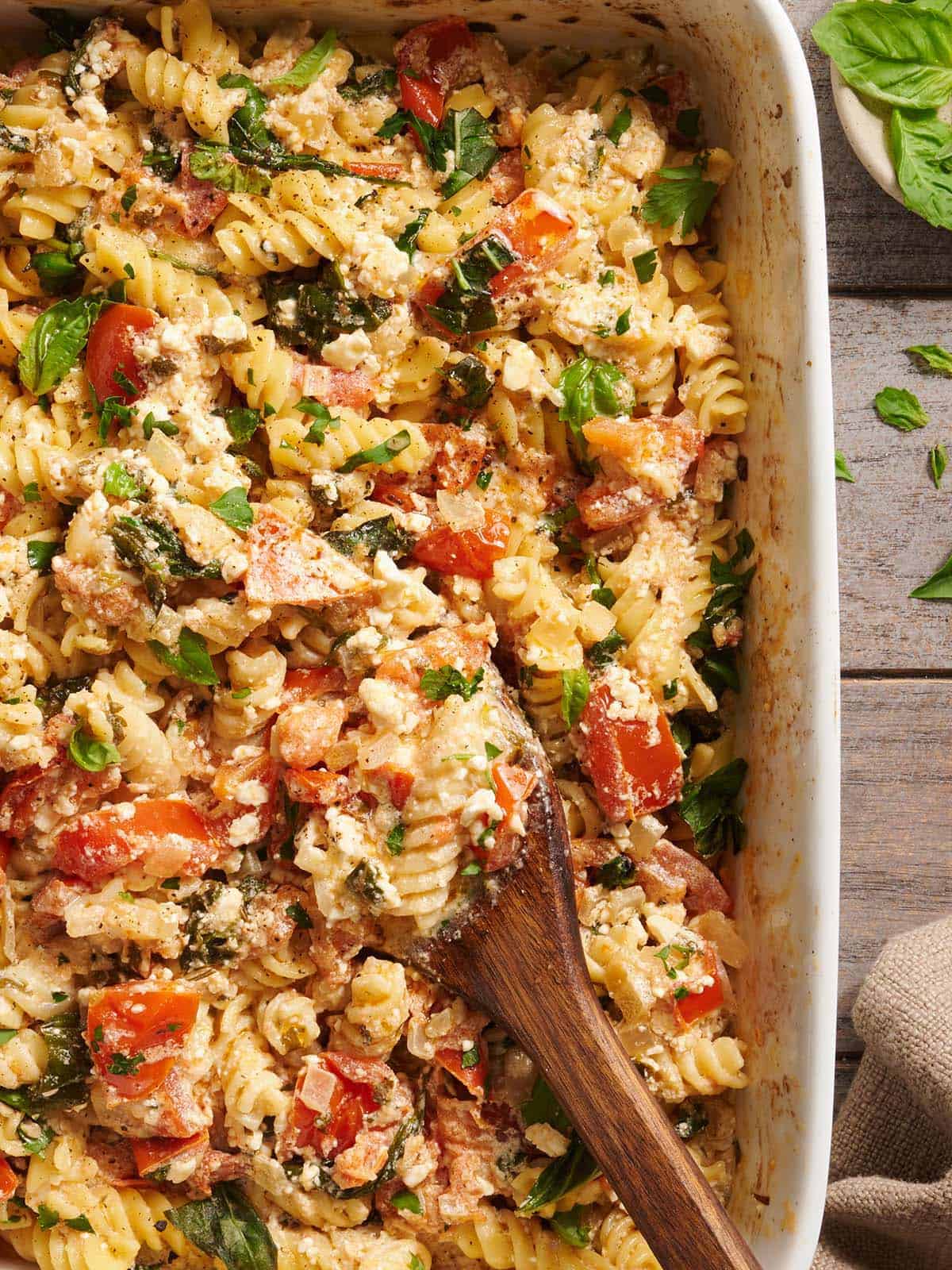
The Nashville Test Kitchen’s findings indicate that Roma tomatoes, when diced into one-inch segments, roast into a "jammy" consistency that mimics the structural breakdown of cherry tomatoes. The chemical process of roasting breaks down the complex sugars in the Roma tomatoes, enhancing their natural sweetness and acidity, which balances the high sodium content of the feta cheese.
Technical Methodology and Culinary Process
The preparation of the adapted baked feta pasta follows a rigorous technical protocol designed to maximize flavor extraction while minimizing labor. The process begins with the preheating of a standard oven to 400°F (approximately 204°C).
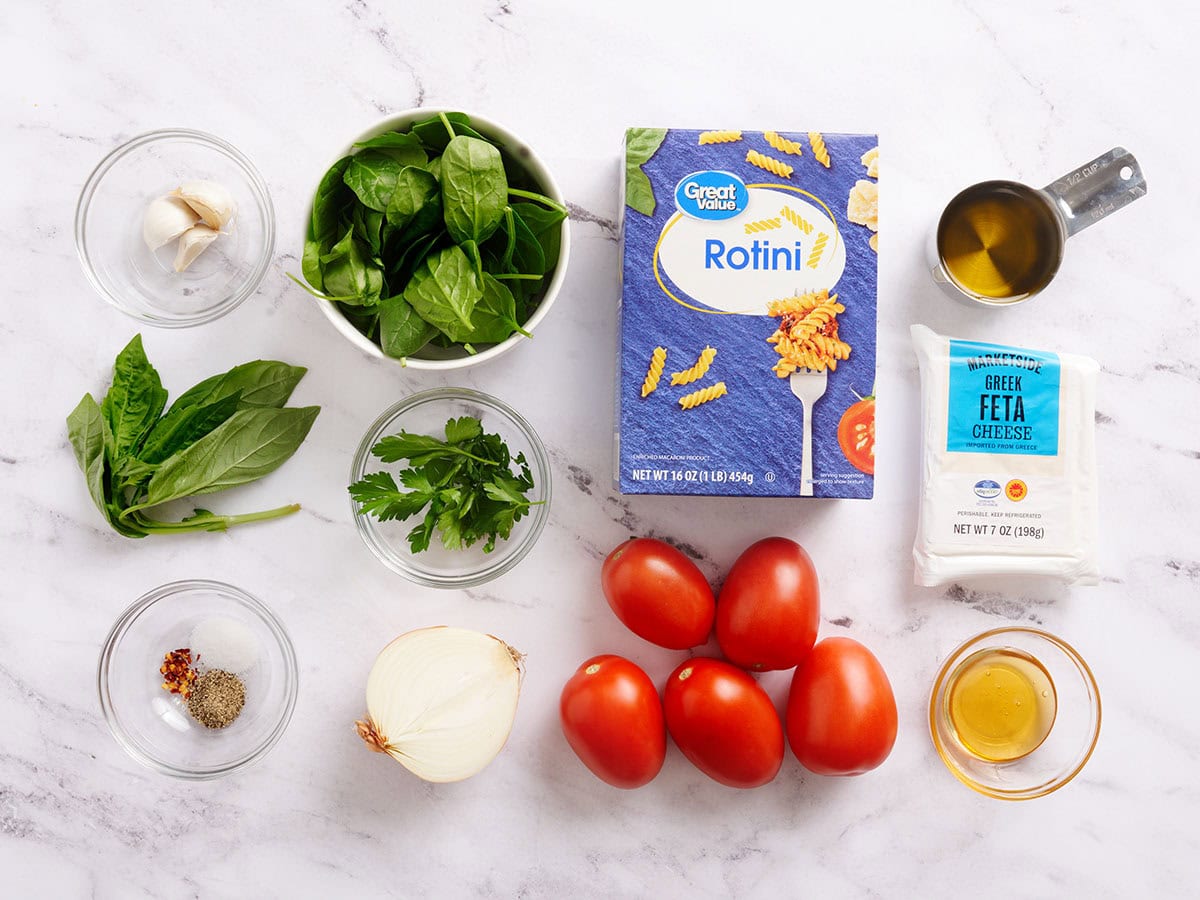
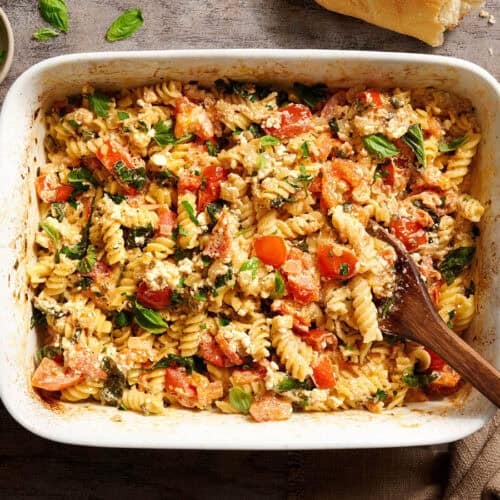
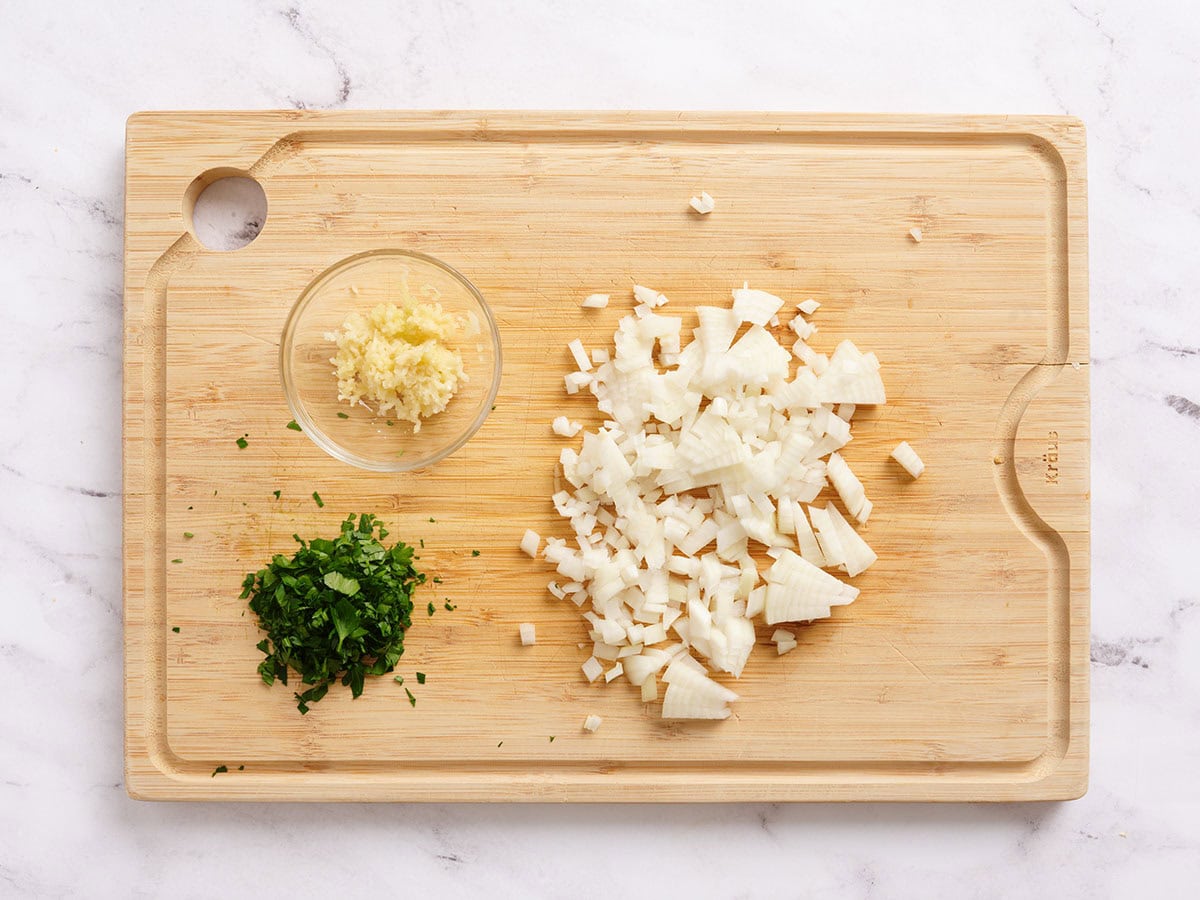
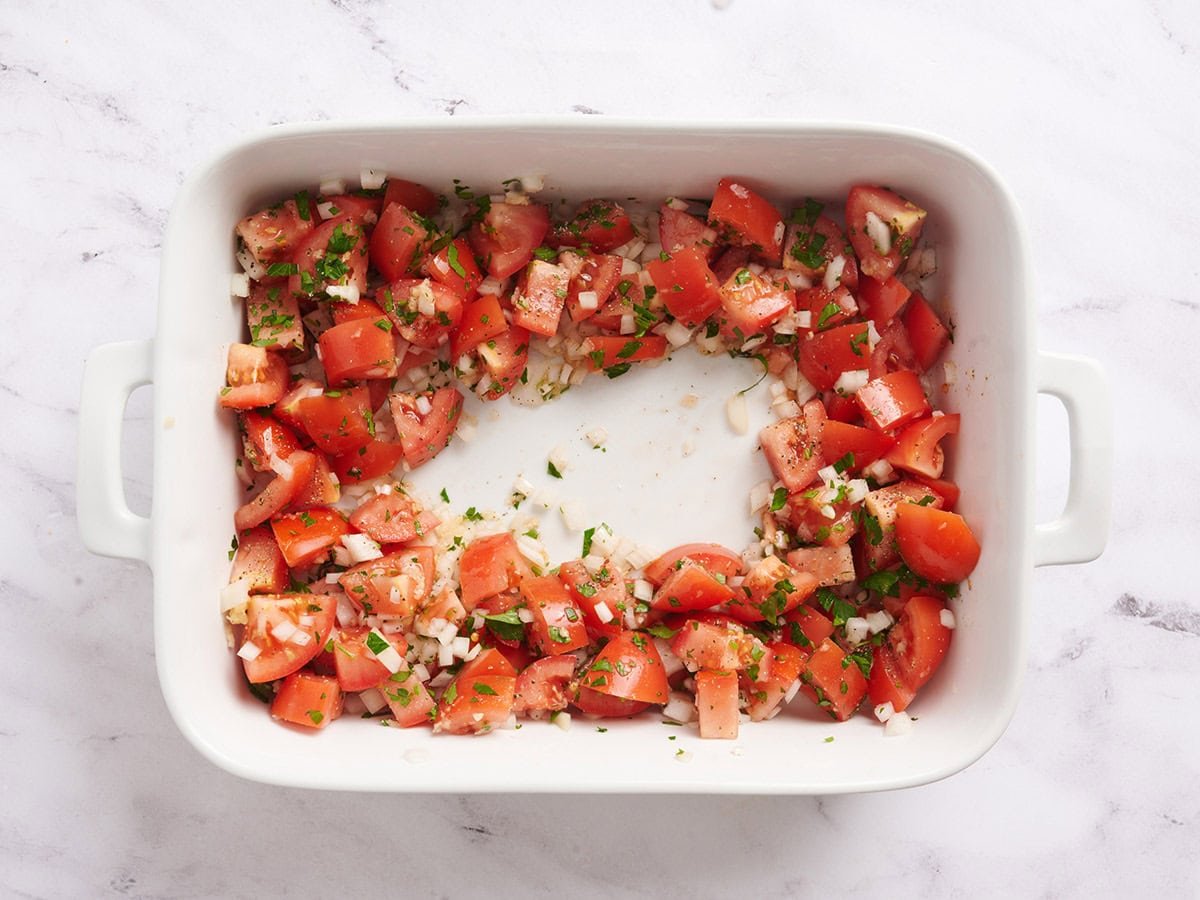
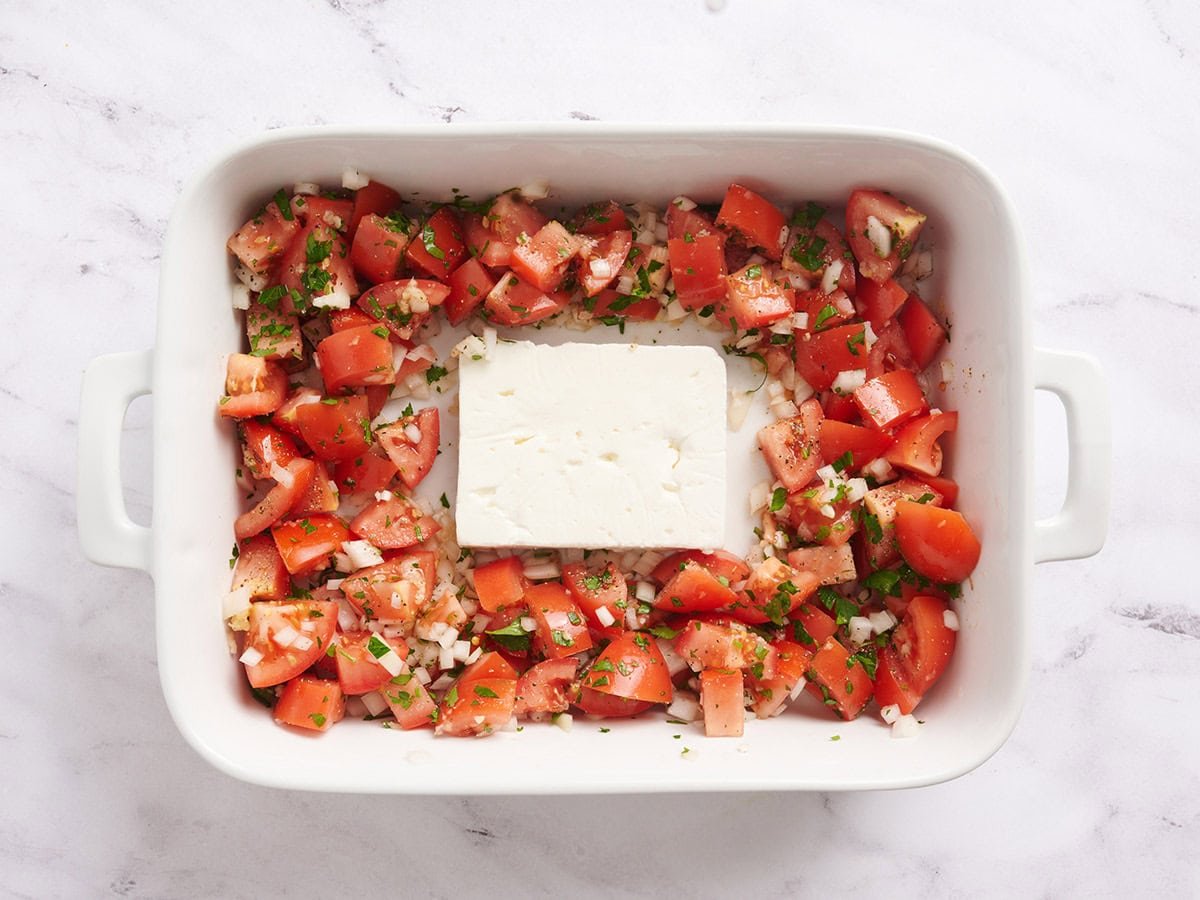
The assembly occurs within a 9×13-inch ceramic or glass casserole dish. The base of the sauce is constructed using five diced Roma tomatoes, half of a yellow onion, and three minced cloves of garlic. The inclusion of onion and garlic represents an enrichment of the original recipe, providing a deeper aromatic foundation. These ingredients are seasoned with 0.5 teaspoons of salt, 0.25 teaspoons of ground black pepper, and 0.33 teaspoons of red pepper flakes for heat.
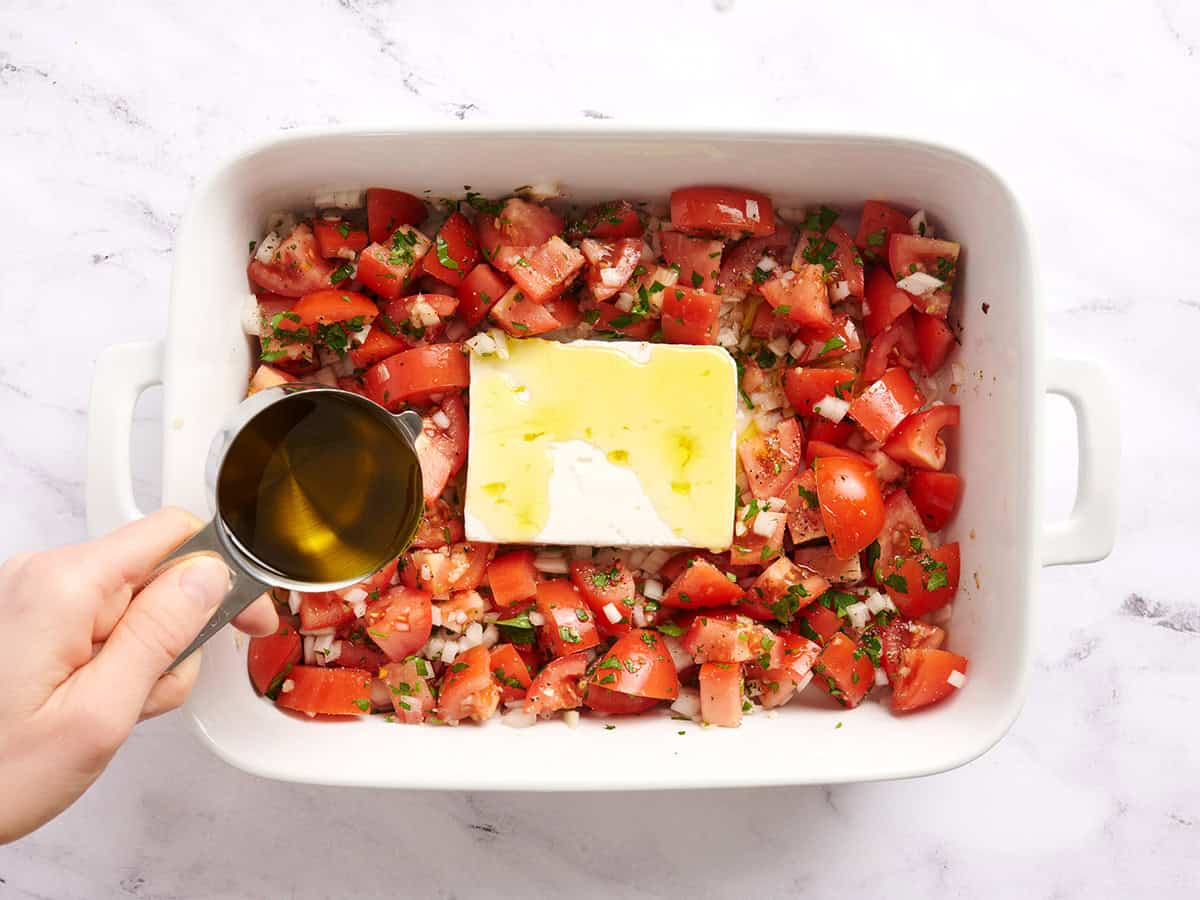
A central cavity is created in the vegetable mixture to accommodate a seven-ounce block of feta cheese. The selection of the feta block is critical; culinary experts suggest that while higher-end imported feta offers specific nuances, standard retail blocks (such as those found at high-volume retailers like Walmart) are sufficient for creating the necessary creamy emulsion. The entire assembly is drizzled with 0.5 cups of olive oil and baked uncovered for 40 minutes.
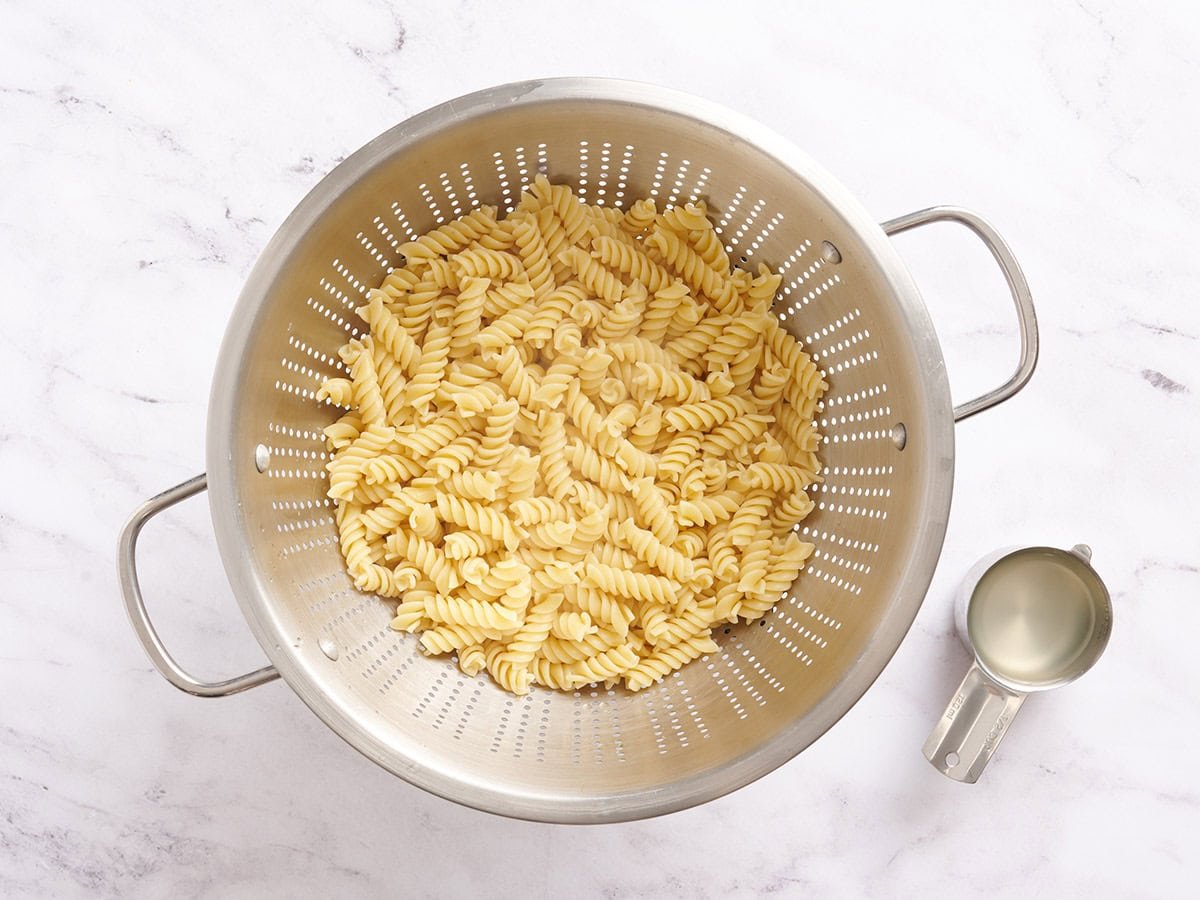
During the roasting period, 8 ounces of rotini pasta are prepared according to standard al dente instructions. A critical step in the methodology is the reservation of 0.5 cups of pasta cooking water. This liquid, rich in released starches, serves as a vital emulsifying agent when combined with the roasted feta and tomato oils, ensuring the sauce adheres to the spiral geometry of the rotini.
Nutritional Profile and Dietary Implications
As a vegetarian-friendly main course, the baked feta pasta provides a dense nutritional profile. A single serving of the budget-friendly version contains approximately 614 calories. The macronutrient breakdown is as follows: 52 grams of carbohydrates, 16 grams of protein, and 39 grams of fat.
While the fat content is relatively high—accounting for approximately 60% of the recommended daily value—it is largely derived from olive oil and feta cheese, which contain monounsaturated fats and essential minerals. The dish also provides 874 milligrams of sodium (38% of the daily value) and 3 grams of dietary fiber. To improve the micronutrient density of the meal, the updated recipe incorporates one cup of fresh spinach, which is wilted into the sauce during the final mixing stage. This addition introduces vitamins A, C, and K, as well as iron, without significantly impacting the total cost of the recipe.
Professional Perspectives and Test Kitchen Standards
The development of this specific iteration of the recipe was overseen by Jess Rice, a veteran chef and former Professor of Culinary Arts at Niagara College. Rice’s background as a restaurateur and private chef to high-profile clientele brings a level of professional scrutiny to the "Budget Bytes" framework.
According to Rice, the Nashville Test Kitchen employs a "rigorous testing" phase for every recipe to ensure they are "easy, affordable, and delicious." This involves multiple trials to determine how variations in ingredient size (such as the size of the feta block) affect the final outcome. For instance, the kitchen noted that while a 7-ounce block is standard, a larger block increases creaminess, whereas a smaller block produces a more tomato-forward sauce. This level of detail allows home cooks to adjust the recipe based on their specific inventory and budget.
Market Impact and Consumer Behavior
The shift toward "budget-friendly" versions of viral trends reflects a broader change in consumer behavior. Data from retail analytics suggests that "meal prep" and "under $3 per serving" categories are among the fastest-growing segments in digital food media. The baked feta pasta, at $2.76 per serving, fits perfectly within this economic niche.
The viral nature of such recipes also has a direct impact on supply chains. In 2021, the "TikTok Pasta" caused a localized shortage of feta in parts of the United States. By diversifying the ingredients—moving from cherry tomatoes to Roma tomatoes and suggesting frozen spinach as a viable alternative—culinary influencers are helping to stabilize consumer demand and prevent supply chain shocks.
Broader Implications for Global Diet Patterns
The enduring popularity of the baked feta pasta trend, even in its modified forms, signifies a move toward Mediterranean-style eating patterns in the Western world. The reliance on whole vegetables, healthy fats, and simple preparation methods aligns with modern health recommendations. Furthermore, the ability of social media to democratize high-quality cooking techniques allows individuals with limited culinary training to produce restaurant-quality meals at home.
The Nashville Test Kitchen’s work illustrates a critical intersection between gastronomy and economics. As food prices continue to be a primary concern for households globally, the role of the culinary professional is no longer just to create flavor, but to engineer affordability. The transition of the "uunifetapasta" from an expensive social media trophy to a practical, $11.05 family meal represents a successful evolution of a cultural moment into a sustainable household staple.
Storage, Reheating, and Culinary Longevity
From a food safety and waste reduction perspective, the baked feta pasta demonstrates high utility. The dish maintains its structural integrity in refrigerated storage for three to four days when kept in an airtight container. The Nashville Test Kitchen recommends reheating in short intervals with a small amount of additional water or olive oil to restore the emulsion of the sauce.
Interestingly, the dish also functions as a cold pasta salad, suggesting a versatility that extends beyond its initial presentation as a hot dinner. This multi-functional aspect further enhances its value proposition for budget-conscious consumers looking to maximize the utility of their grocery purchases.
In conclusion, the baked feta pasta trend has moved beyond its "viral" phase and entered the realm of classic home cooking. Through the application of professional culinary techniques and strategic ingredient substitutions, the dish has been successfully adapted to meet the economic realities of the mid-2020s. The work of experts like Jess Rice and the Nashville Test Kitchen ensures that even as market conditions fluctuate, the ability to create satisfying, nutrient-dense, and culturally relevant food remains accessible to all.
