

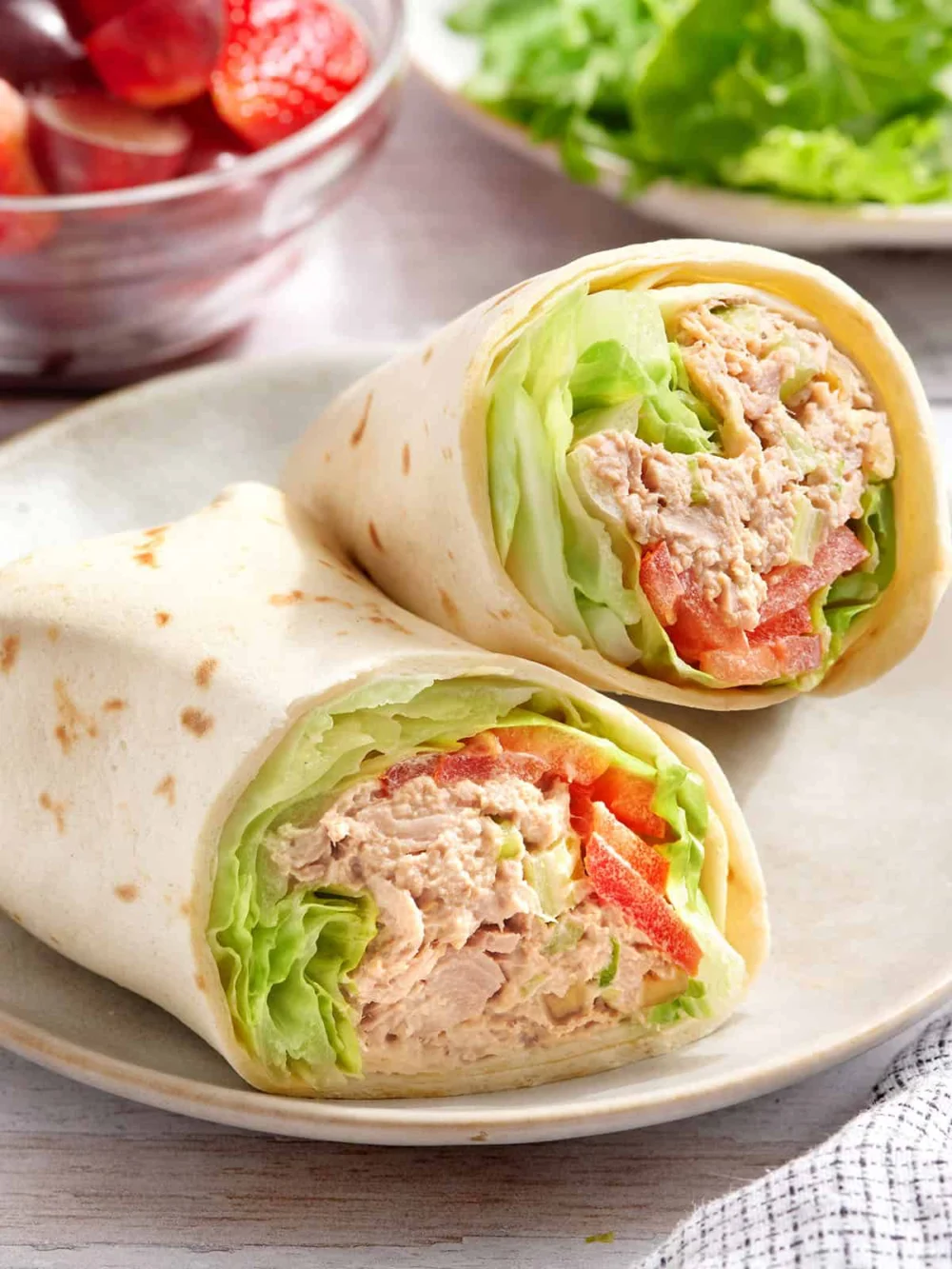
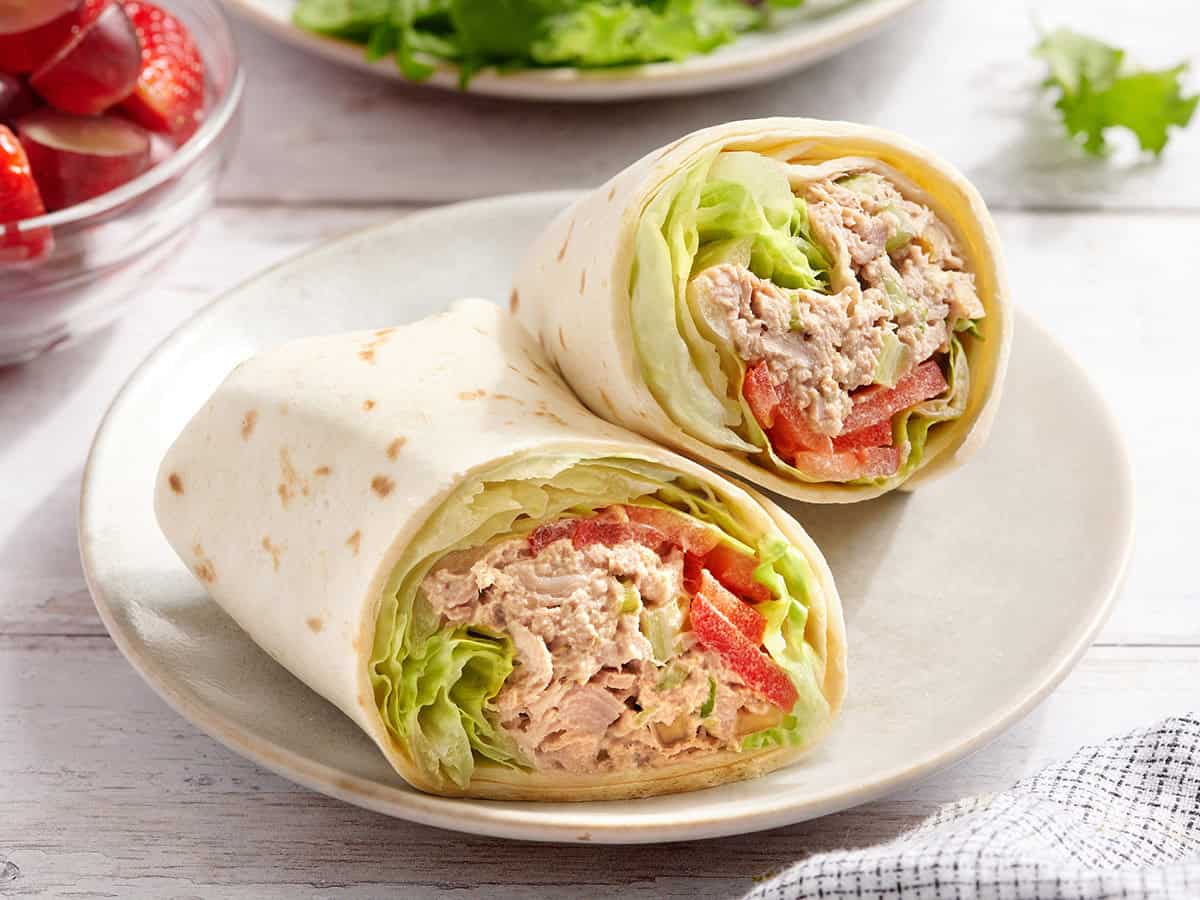
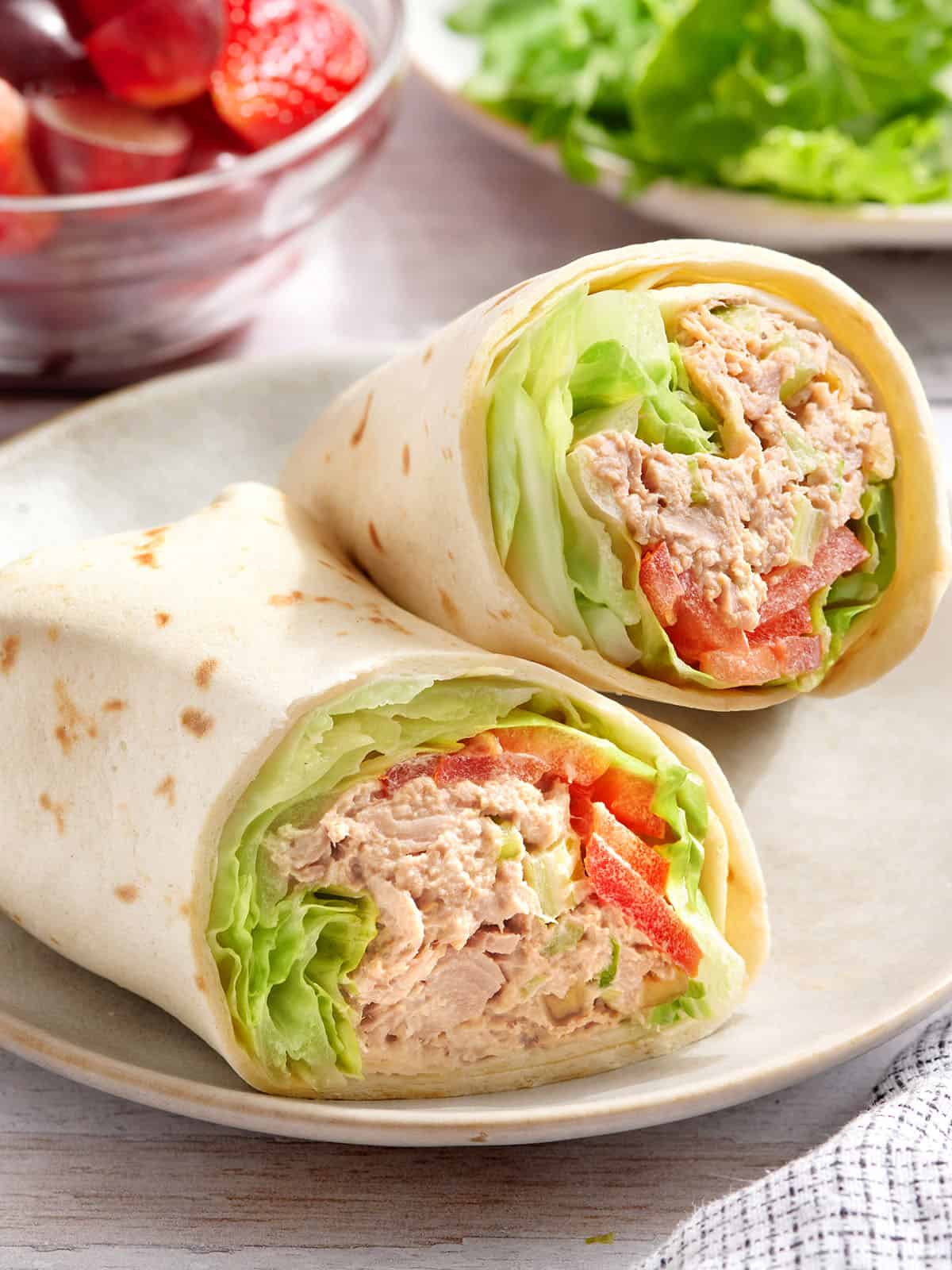
As educational institutions across North America resume full-time operations, the domestic management of morning routines has reached a critical juncture, necessitating the adoption of streamlined meal preparation strategies. Central to this shift is the emergence of the Tuna Salad Wrap, a culinary solution that addresses the dual pressures of time constraints and inflationary food costs. Developed and verified within the Nashville Test Kitchen, this specific iteration of the tuna wrap represents a significant departure from traditional sandwich formats, offering a shelf-stable, high-protein alternative designed for the rigors of modern meal prep. The methodology behind this recipe emphasizes structural integrity and economic efficiency, providing a blueprint for households navigating the complexities of the current back-to-school season.
The Economic Context of Household Meal Preparation
The rising cost of consumer goods has fundamentally altered the landscape of domestic food procurement. According to recent consumer price index data, the "food at home" category has seen persistent fluctuations, forcing families to seek out protein sources that offer both longevity and affordability. Canned tuna, a staple of the global seafood industry—which is valued at over $10 billion—remains one of the most cost-effective proteins available to the average consumer.
The Nashville Test Kitchen’s tuna wrap recipe is positioned as a direct response to these economic variables. With a total recipe cost of $5.78 and a per-serving cost of approximately $1.93, the meal sits well below the average price of commercial fast-casual lunch options, which often exceed $12.00 per unit. By utilizing shelf-stable canned light tuna and a selection of high-yield vegetables like celery and Roma tomatoes, the recipe demonstrates how strategic ingredient sourcing can mitigate the impact of food inflation on the household budget.
Nutritional Profile and Dietary Implications
From a clinical nutritional perspective, the tuna wrap provides a robust macronutrient distribution suitable for both developing children and active adults. A single serving contains approximately 412 calories, with a significant 34 grams of protein, representing 68% of the recommended daily value for an average adult. This high protein density is critical for sustained satiety and cognitive function throughout the school or workday.
The inclusion of secondary ingredients serves both functional and nutritional purposes. The use of walnuts provides essential polyunsaturated fats and a textural contrast that psychological studies suggest increases meal satisfaction. Meanwhile, the addition of romaine lettuce and Roma tomatoes introduces vital micronutrients and fiber (3 grams per serving) while maintaining a low carbohydrate count of 20 grams. The sodium content, measured at 513 mg, remains within manageable limits for a lunch entrée, provided it is balanced with low-sodium sides throughout the remainder of the day.
Standardized Preparation Methodology: A Chronological Overview
The Nashville Test Kitchen has established a rigorous eight-step protocol to ensure the consistency and longevity of the tuna wrap. This chronology is designed to maximize the efficiency of the "grab and go" lunch model.
Phase I: Ingredient Preparation and Moisture Control
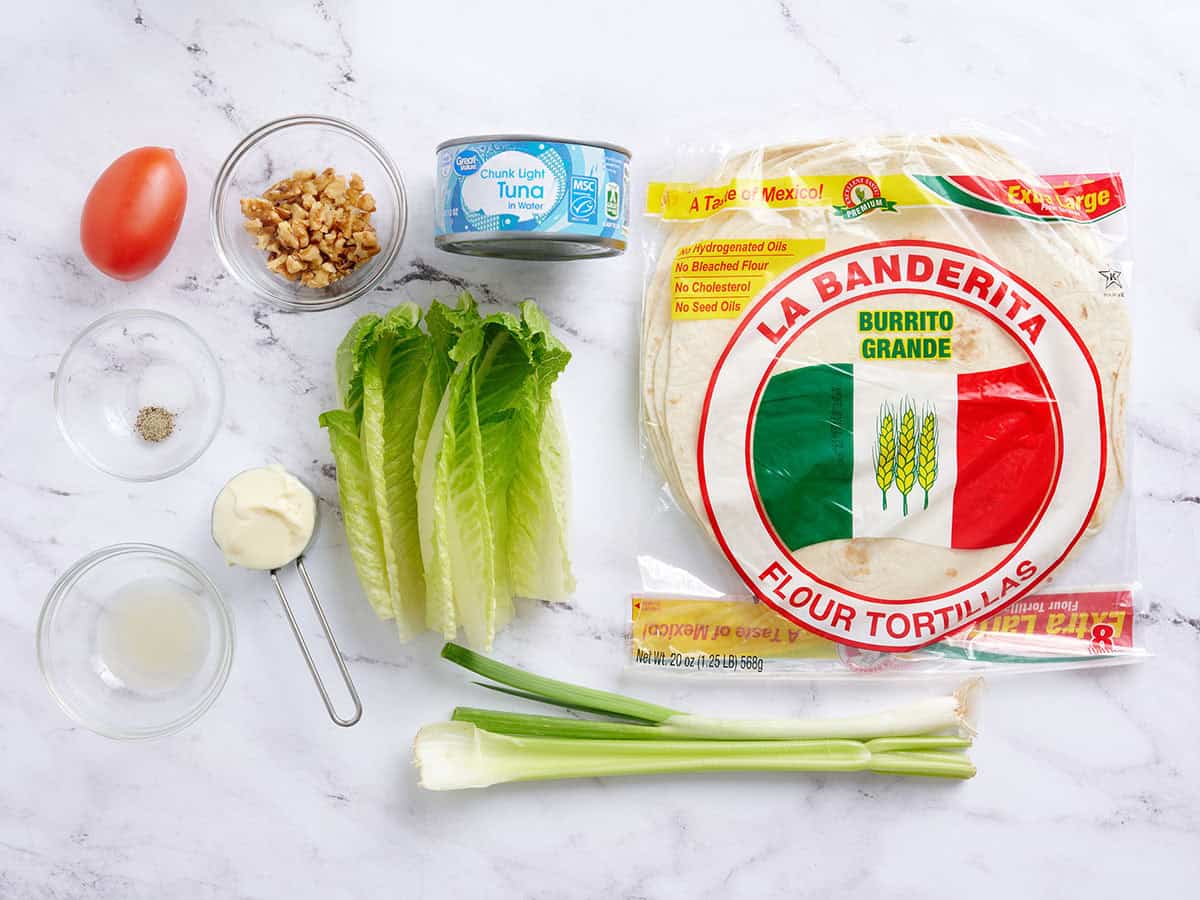
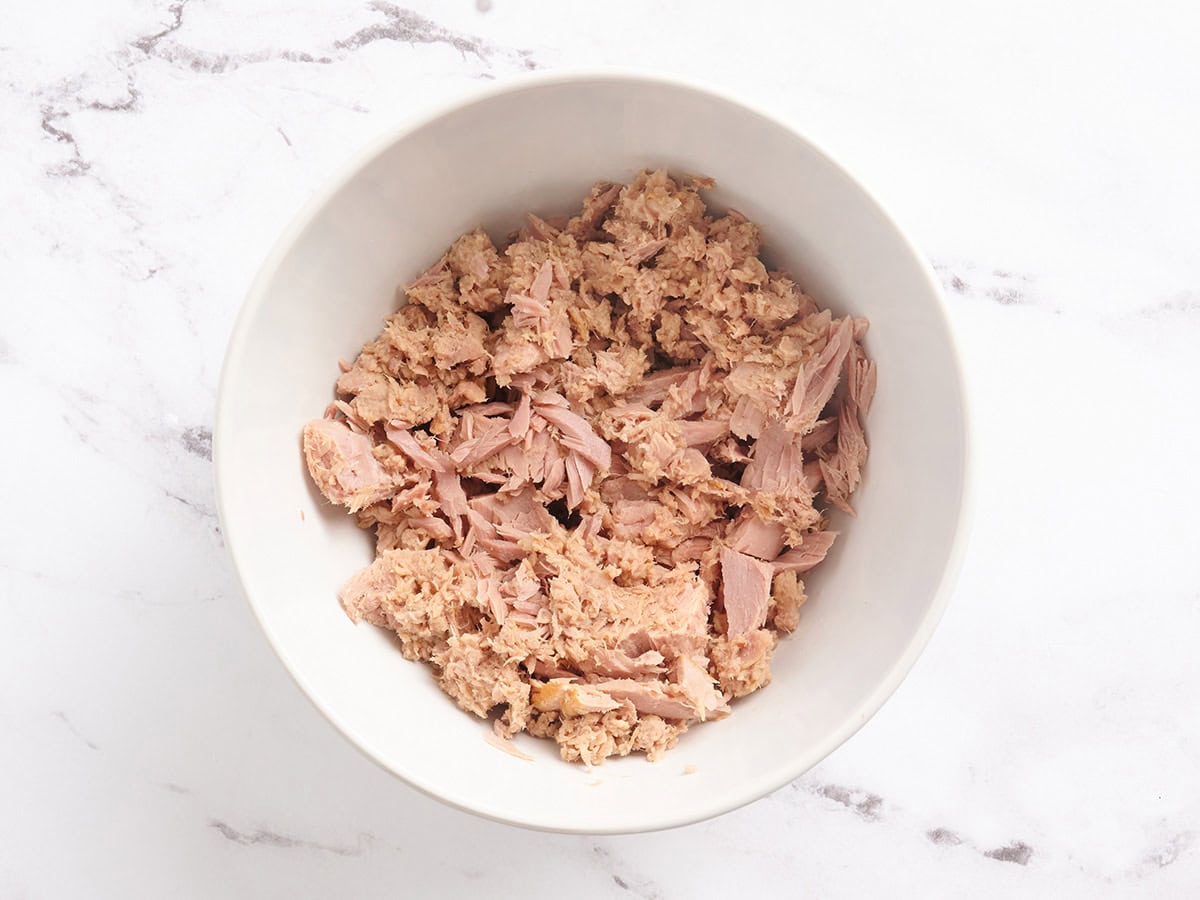
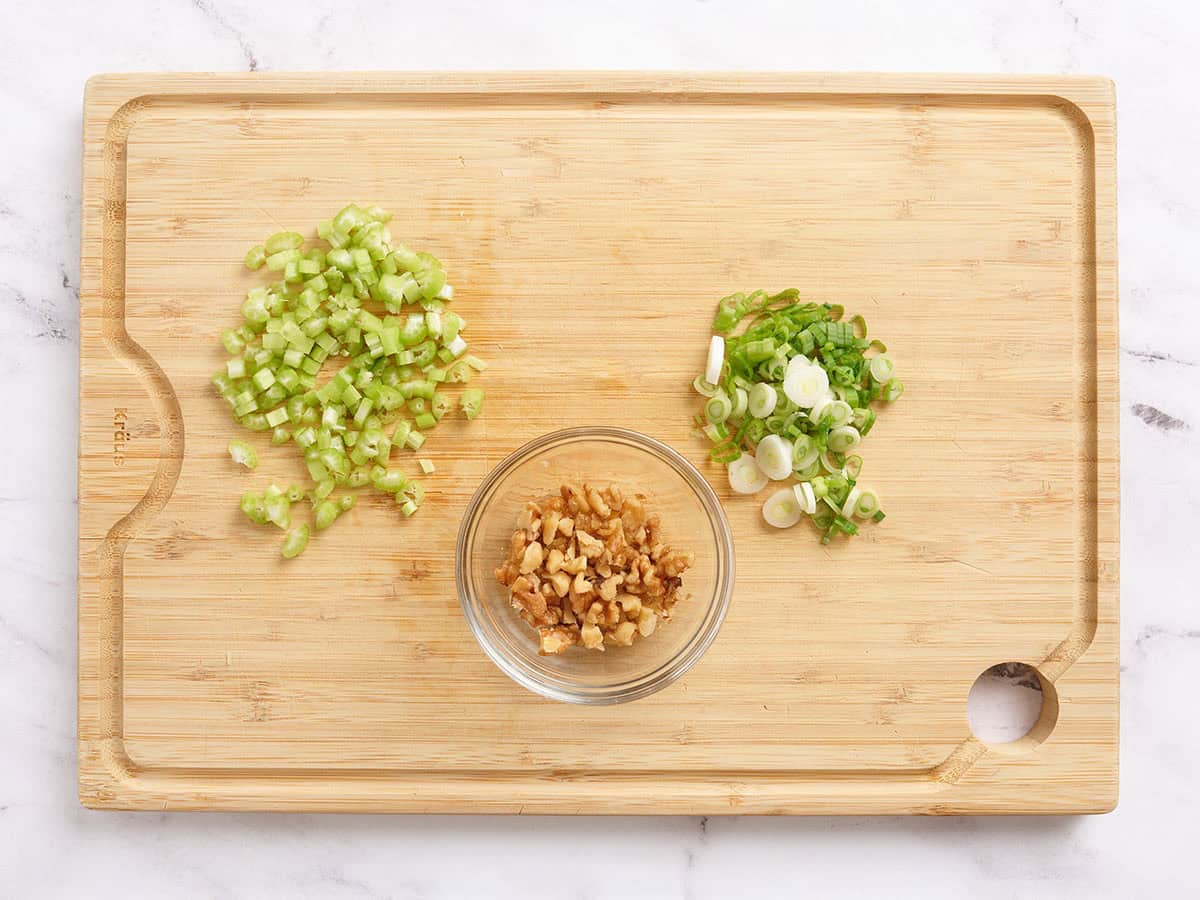
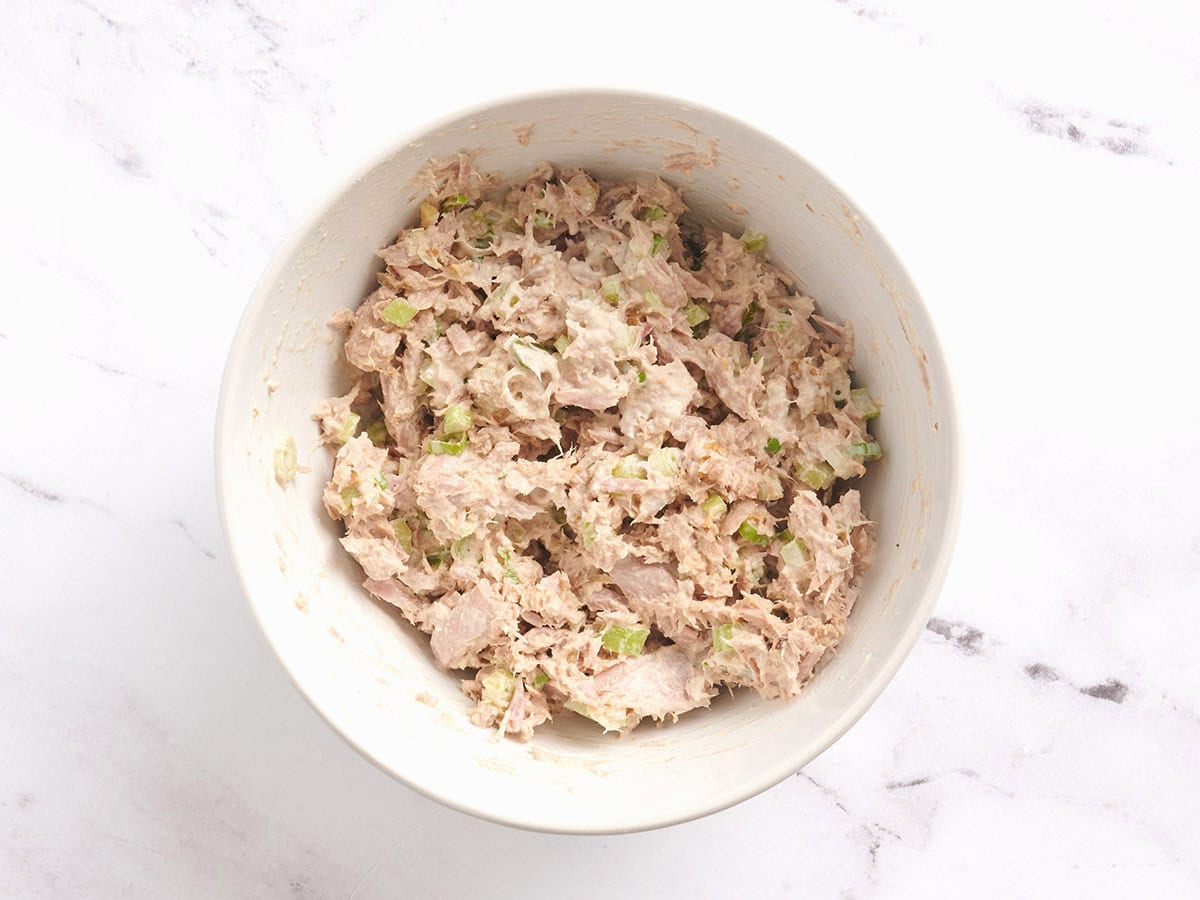
The process begins with the thorough draining of a 12-ounce can of chunk light tuna. Culinary experts emphasize that moisture control is the primary factor in preventing "soggy" wraps. Simultaneously, the "crunch" elements—comprising a half-cup of diced celery, two tablespoons of chopped walnuts, and one sliced green onion—are prepared.
Phase II: Emulsification and Flavor Balancing
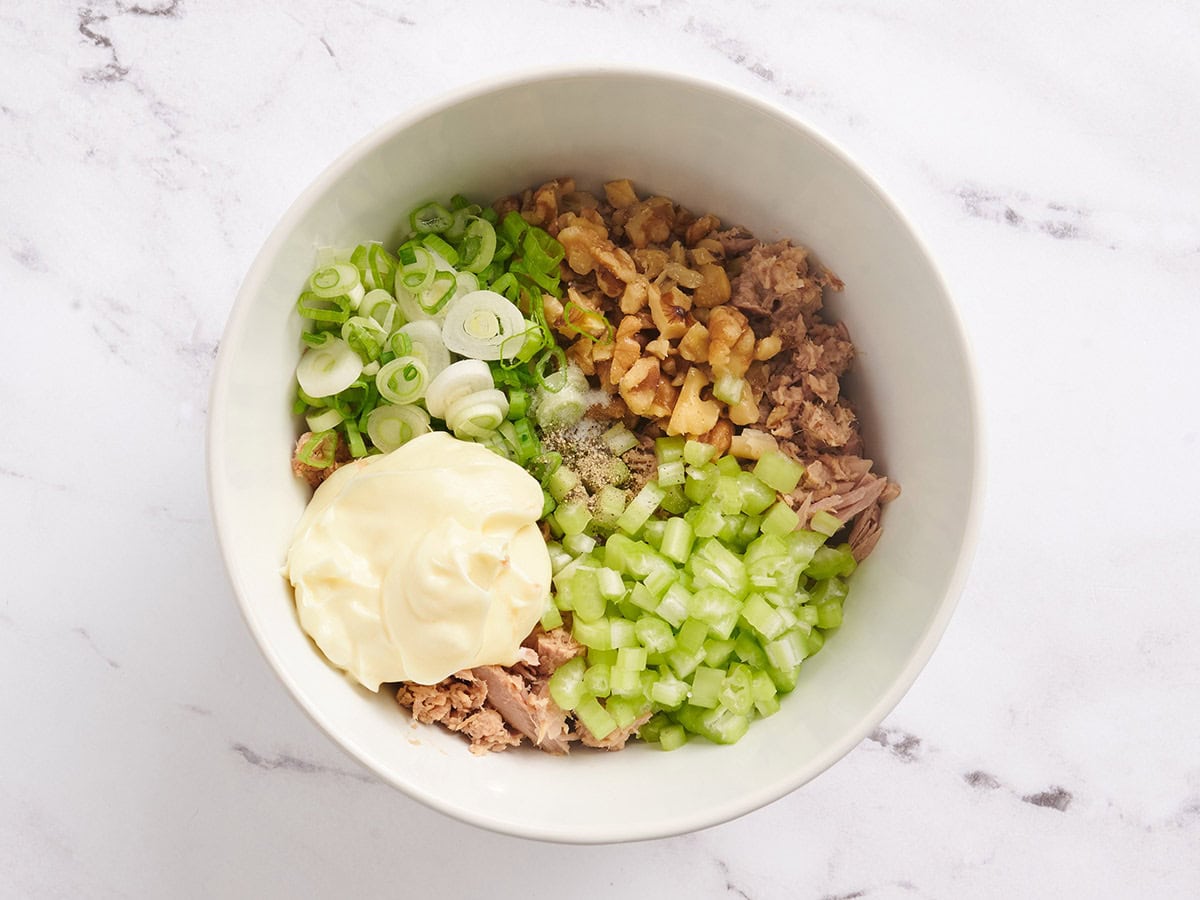
The drained tuna is combined with a quarter-cup of mayonnaise, a half-tablespoon of lemon juice, and an eighth-teaspoon each of salt and black pepper. The lemon juice acts as a brightening agent, cutting through the lipid-heavy profile of the mayonnaise and the iron-rich notes of the tuna.
Phase III: Structural Assembly
The assembly phase utilizes a "moisture barrier" technique. Before the tuna mixture is applied, a layer of romaine lettuce and thinly sliced Roma tomatoes is placed onto the tortilla. This barrier prevents the internal moisture of the tuna salad from migrating into the flour tortilla, thereby extending the refrigerated shelf life of the assembled product to approximately 72 hours.
Phase IV: Thermal Manipulation and Sealing
A critical technical step involves microwaving the extra-large flour tortillas for five to ten seconds. This thermal application increases the elasticity of the gluten in the tortilla, allowing for a tighter roll without structural failure or tearing. The wrap is then rolled using a "tuck and fold" method, ensuring the ends are sealed to prevent the contents from spilling during transport.
Expert Perspectives from the Nashville Test Kitchen
Chef Jess Rice, a veteran of the Nashville culinary scene and an instructor at Niagara College, has highlighted the importance of this recipe within the broader context of food theory and classic culinary techniques. Drawing on her experience as a private chef for high-profile clients and a successful restaurateur, Rice asserts that the success of a simple meal prep item relies on the balance of textures and the quality of the "tested" method.
"Every recipe undergoes rigorous testing to ensure it meets the criteria of being easy, affordable, and delicious," Rice stated in her analysis of the Nashville Test Kitchen’s standards. Her transition from raw vegan innovation to budget-friendly meal prep underscores a growing industry trend: the democratization of high-quality culinary techniques for the average home cook. Rice’s involvement provides a layer of professional validation to the recipe, suggesting that even the most basic school lunch can benefit from professional-grade structural planning.
Broader Implications for Household Food Security and Wellness
The adoption of standardized meal prep routines like the tuna wrap has implications that extend beyond mere nutrition. Psychologically, the "decision fatigue" associated with daily meal preparation can be a significant source of stress for parents and caregivers. By shifting to a batch-processing model—where multiple lunches are prepared in a single session—households can reclaim time and reduce the cognitive load of the morning routine.
Furthermore, this approach contributes to the reduction of food waste. By utilizing specific measurements and ingredients that can be cross-utilized in other recipes (such as the Mediterranean white bean salad or cauliflower tabbouleh), consumers can ensure that they are maximizing their grocery investments. In an era where food waste contributes significantly to both economic loss and environmental impact, the tuna wrap serves as a micro-level solution to a macro-level problem.
Future Outlook and Customization Trends
As the school year progresses, the Nashville Test Kitchen anticipates a move toward increased customization within the wrap format. Data suggests that consumers are increasingly looking for "flavor-swaps" to avoid meal monotony. Potential variations identified include:
- The Mediterranean Profile: Incorporating feta cheese, kalamata olives, and cucumbers.
- The Spicy Profile: Utilizing sriracha-infused mayonnaise and pickled jalapeños.
- The "Tuna Melt" Hybrid: Adding shredded cheddar cheese and utilizing a panini press for immediate consumption.
These variations allow the base recipe to remain a versatile tool in the household arsenal, adaptable to different cultural palates and dietary preferences without requiring a complete overhaul of the shopping list.
Conclusion
The Tuna Salad Wrap, as codified by the Nashville Test Kitchen, represents more than a simple lunch option; it is a calculated response to the logistical and economic demands of the 21st-century household. Through the application of moisture-barrier techniques, thermal elasticity, and precise cost-per-serving analysis, this recipe provides a blueprint for sustainable domestic management. As families continue to navigate the intersection of busy schedules and fluctuating markets, the reliance on tested, high-protein, and budget-conscious meal solutions is expected to remain a permanent fixture of the modern culinary landscape. The success of such initiatives confirms that with professional guidance and strategic planning, wholesome and homemade meals remain accessible to the general public regardless of economic pressures.
