

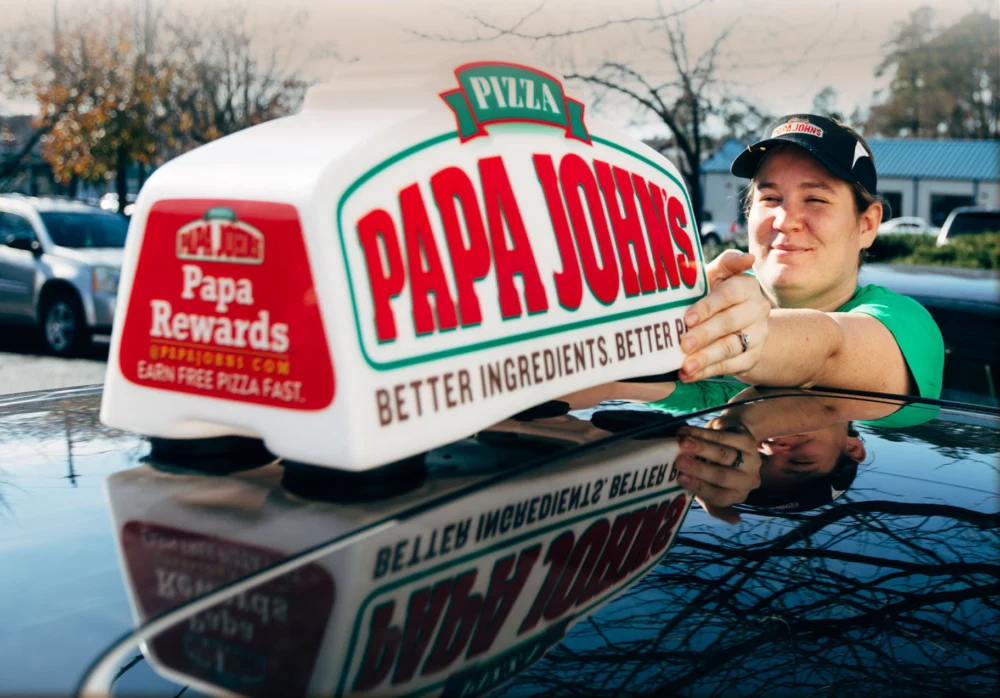
Papa Johns CEO Todd Penegor acknowledged significant strides made during his initial 18 months at the helm, including menu simplification, oven recalibration, and a renewed focus on local advertising. However, he candidly admitted during the UBS Global Conference that the company still faces a substantial journey toward achieving consistent profitability. This sentiment follows a period of strategic adjustments, including a substantial reduction in store footprint and corporate workforce, which has, in turn, reignited speculation about potential acquisition bids for the beleaguered pizza giant.
A Deep Dive into Papa Johns’ Strategic Overhaul
The challenges facing Papa Johns are multifaceted, stemming from a protracted period of sales declines that necessitated a robust restructuring. In the preceding month, the Atlanta-based company announced a significant strategic decision: the closure of 300 underperforming stores and a 7% reduction in its corporate staff. Penegor framed these measures not as setbacks, but as crucial "foundational work" aimed at fortifying the core business. This strategic recalibration also involves a concerted effort to refranchise existing locations and invigorate local advertising cooperatives, empowering franchisees to tailor marketing efforts to their specific markets.
This aggressive restructuring, while aimed at long-term sustainability, has inevitably drawn attention from the financial sector. The news of store closures and layoffs has seen rumors of potential takeover bids resurface with renewed vigor. This is not an entirely new phenomenon for Papa Johns. In November of the previous year, reports emerged of a $2.1 billion takeover offer from Apollo Global, which was subsequently withdrawn. At that time, Penegor articulated a stance of "open-mindedness to strategic alternatives, including a possible acquisition," while emphatically stating that the leadership’s primary focus remained on the company’s turnaround strategy. This dual approach underscores the complex balancing act the company is performing: exploring all avenues for shareholder value while simultaneously executing a demanding internal revitalization plan.
New Takeover Interest Surfaces Amidst Public Silence
This week, further media reports have brought another potential suitor into the spotlight: Irth Capital Management, an investment firm based in Qatar. When questioned about these developments at the UBS Conference, Penegor declined to comment directly on market speculation. His response was firm yet diplomatic: "I really can’t comment on any market speculation or rumors," he stated. He further elaborated on the persistent nature of such rumors, noting, "I’ve been in the role 18 months, and I think almost the whole time, there’s been some kind of rumor out there around the brand. But we’re really focused on being the best Papa John’s that we can be, and are working hard to execute the strategy that we’ve laid out." This deliberate reticence is a standard corporate practice when navigating sensitive M&A discussions, prioritizing the integrity of their turnaround plan over public pronouncements.
The "Local Play": A Strategic Imperative for Papa Johns
A cornerstone of Penegor’s turnaround strategy is a profound shift towards a more localized approach to both advertising and operations. This strategic pivot is designed to emulate the agility and customer intimacy of successful independent pizzerias, thereby differentiating Papa Johns from its national competitors. The development and strengthening of local co-ops are central to this initiative, reflecting Penegor’s belief that "pizza is a game played nationally, but fought locally."
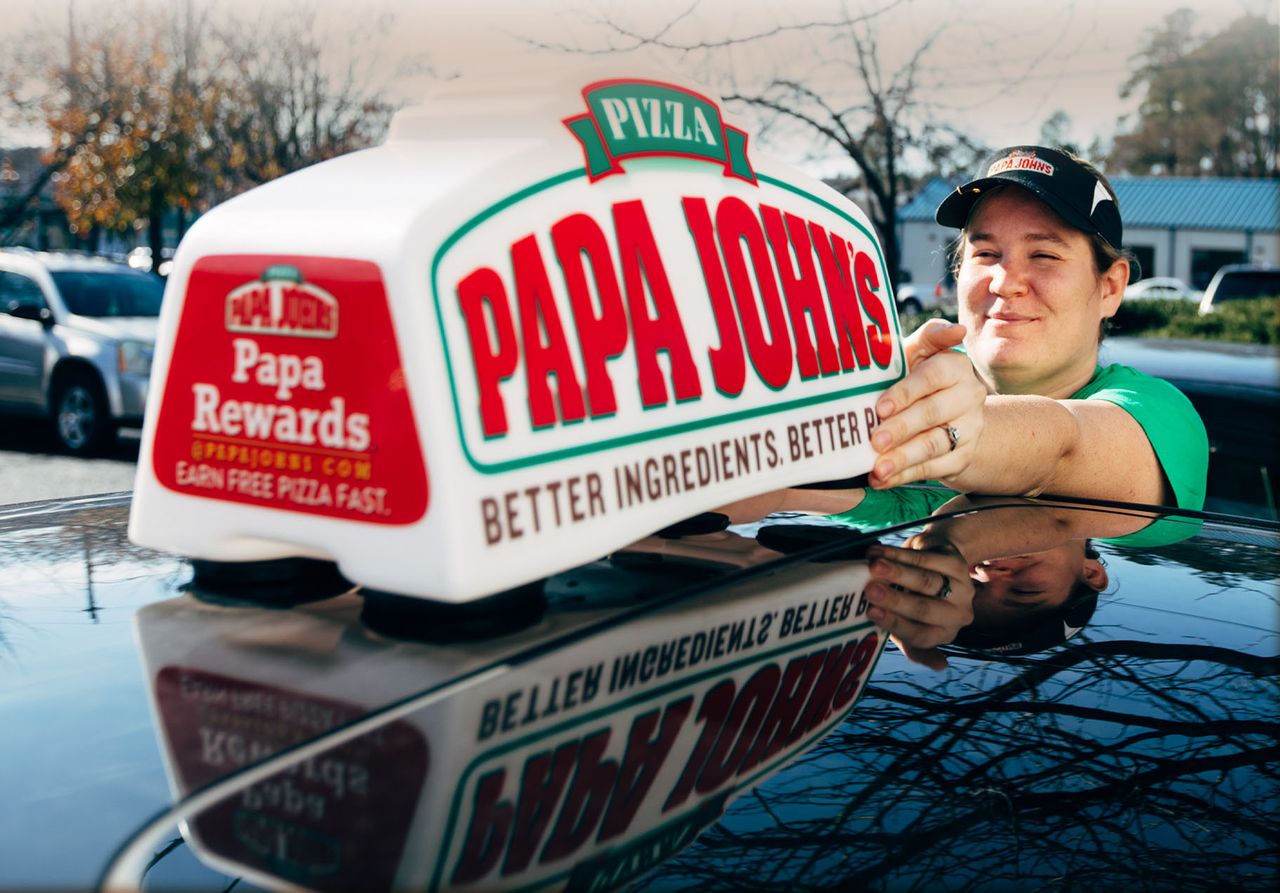
This localized strategy aims to expand the company’s total addressable market by offering products and services that resonate with local consumer preferences, much like a neighborhood "mom-and-pop" establishment. The objective is to achieve this expansion while maintaining operational efficiency and offering competitive pricing. "Over time, there will be opportunities to continually expand our total addressable market and be more akin to your local mom-and-pop pizzeria with the offerings that we have," Penegor explained. "We’ll do it in an operationally efficient manner, but at much more affordable price points. That’s how we’re starting to evolve to make sure we can compete." This approach suggests a move away from a one-size-fits-all national menu and a greater emphasis on catering to regional tastes and demands.
Menu Innovation: Balancing Growth with Operational Efficiency
Beyond operational restructuring and localized marketing, Papa Johns is also scrutinizing its menu to optimize profitability and customer appeal. The company is in the process of phasing out operationally complex items, such as Papa Bites and Papadias, which have reportedly impacted kitchen efficiency and potentially diluted the core pizza offering. The executive team’s focus is now on menu innovation that can drive incremental sales and enhance value perception without creating bottlenecks in the kitchen.
Penegor highlighted the challenges faced with non-pizza items, stating, "We still have to address where we’ve really been challenged this last year, and it’s on our non-pizza items." He further elaborated on the subtle shifts in consumer purchasing behavior, noting, "Last year, we sold 4% more pies but they were trade-downs from large to medium…" This observation indicates that while overall pizza sales may have seen a volume increase, the average transaction value declined, suggesting a need for offerings that encourage higher-value add-ons. The company is actively exploring "other cool things we can introduce to really drive add-ons," signaling a commitment to a more diversified and profitable product portfolio.
Broader Industry Context and Implications
The strategic maneuvers undertaken by Papa Johns are emblematic of broader trends within the quick-service restaurant (QSR) industry. In an increasingly competitive landscape, QSR brands are under pressure to optimize their operational models, refine their marketing strategies, and innovate their product offerings to maintain market share and profitability. The intense focus on local market dynamics reflects a growing understanding that national branding, while important, must be complemented by a deep connection with individual communities.
The persistent rumors of acquisition bids also highlight the current valuation environment for publicly traded restaurant companies. Periods of strategic restructuring and operational challenges can sometimes make companies more attractive acquisition targets for private equity firms or strategic buyers looking to consolidate market positions or leverage operational efficiencies. For Papa Johns, the ongoing speculation underscores the market’s assessment of its underlying assets and potential, even amidst its current turnaround efforts.
The success of Papa Johns’ revitalization hinges on its ability to effectively execute its multi-pronged strategy. This includes not only streamlining operations and optimizing its menu but also rebuilding customer trust and loyalty through consistent quality and value. The company’s ability to navigate the complexities of its current situation, manage investor expectations, and adapt to evolving consumer preferences will be critical in determining its long-term trajectory. The coming months will be pivotal as Papa Johns continues to implement its strategic reset, with all eyes on whether its foundational work will translate into sustained profitability and a stronger market position.
