

The evolution of the modern gin market is inextricably linked to the 1999 launch of Hendrick’s Gin by William Grant & Sons. By introducing a flavor profile defined by Bulgarian rose and cucumber, the brand effectively dismantled the long-standing hegemony of the London Dry style, ushering in what industry analysts now refer to as the "Gin Renaissance." Central to this ongoing innovation is the "Cabinet of Curiosities," a series of limited-edition releases conceptualized by Master Distiller Lesley Gracie at the Hendrick’s Gin Palace in Girvan, Scotland. As of late 2024, the product line has expanded to include a diverse array of experimental spirits, ranging from coastal-inspired botanicals to stone fruit infusions. An analytical review of these releases, ranked from the least successful to the most impactful, reveals the complexities of balancing brand identity with avant-garde distillation.
The Architecture of Innovation: The Hendrick’s Gin Palace and the Cabinet of Curiosities
To understand the trajectory of these releases, one must consider the physical and philosophical origin of the spirits. In 2018, William Grant & Sons invested £13 million in the Hendrick’s Gin Palace, a state-of-the-art distillery and laboratory designed to facilitate Gracie’s botanical experiments. The facility houses two distinct types of stills: the Bennett, an antique copper pot still dating back to 1860, and the Carter-Head, which uses a vapor infusion basket to extract delicate floral notes.
The Cabinet of Curiosities serves as a playground for these assets. Unlike the flagship expression, which remains a permanent fixture in the global market, these releases are typically available for a limited window, usually 12 to 24 months. This strategy leverages the "scarcity model" common in the luxury spirits industry, encouraging collectors and mixologists to engage with the brand’s evolving narrative. However, as the following rankings indicate, the transition from experimental concept to a balanced commercial spirit is not always seamless.
Evaluating the Spectrum: From Experimental Outliers to Modern Classics
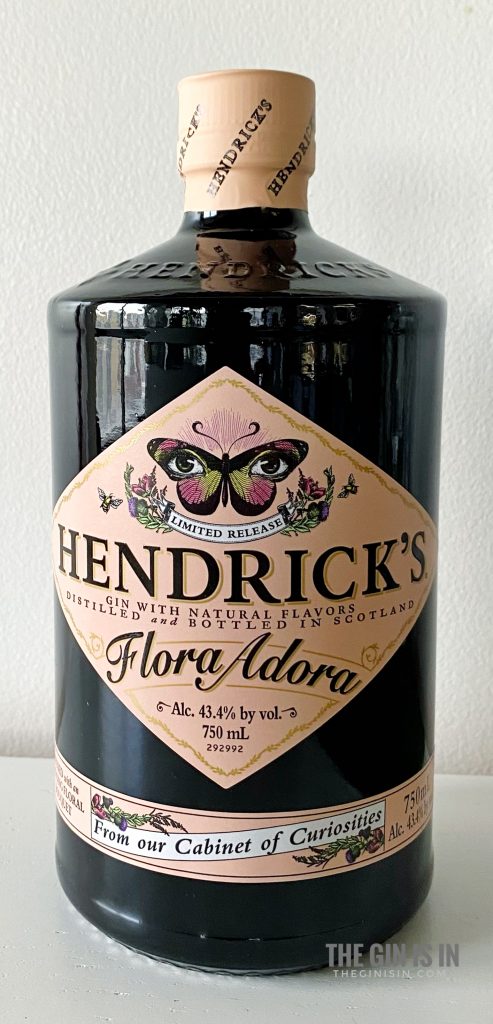
8. Hendrick’s Flora Adora (2023)
Introduced in the spring of 2023, Flora Adora was marketed as a celebration of pollinator-friendly garden botanicals. The profile leans heavily into lavender, hibiscus, and rose, aiming for a "wildflower" aesthetic. However, market feedback and sensory analysis suggest that the expression may have over-indexed on floral intensity. While the nose offers enticing notes of honeysuckle and vanilla, the palate is frequently described as "soapy" or "perfumed," a common pitfall when utilizing high concentrations of lavender and tuberose. In the context of mixology, Flora Adora has proven difficult to balance; its dominant herbaceous qualities often clash with traditional tonic quinine, relegating it primarily to specialized "Wildgarden" cups or niche floral cocktails.
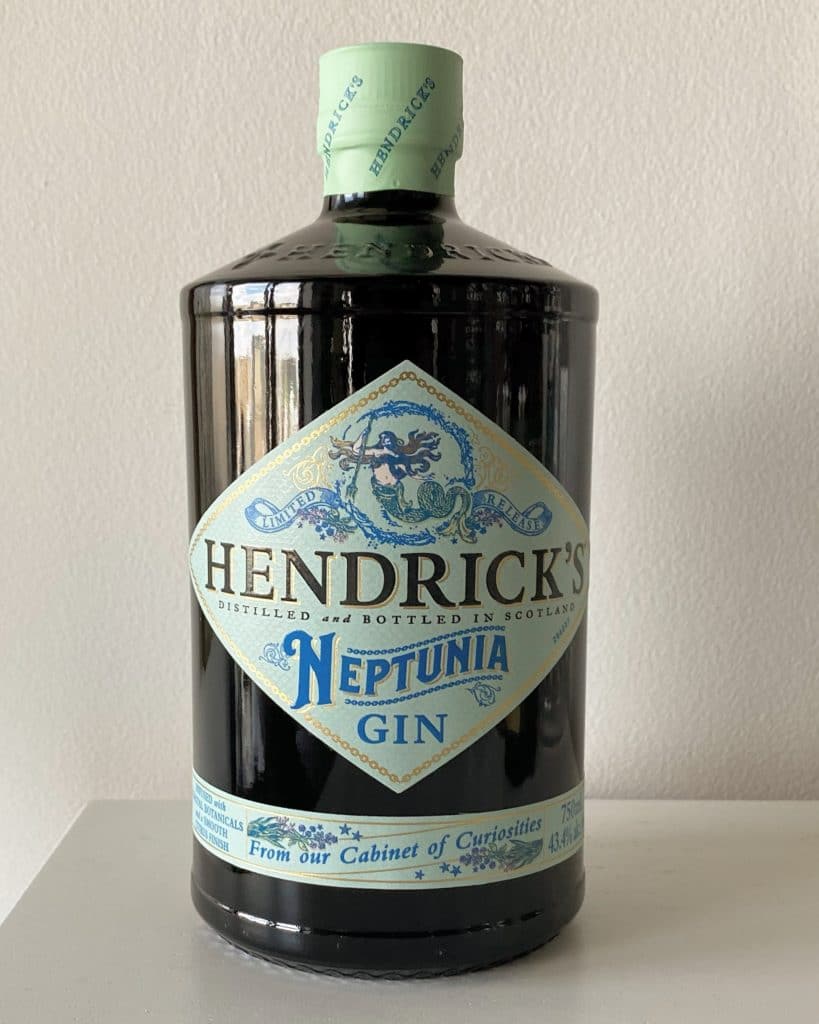
7. Hendrick’s Neptunia (2022)
Neptunia represented the brand’s foray into the "coastal gin" category, a segment that has seen significant growth with the rise of Mediterranean-influenced spirits like Gin Mare. Gracie utilized botanicals sourced from the Ayrshire coast to create a profile that suggests a briny sea breeze. While the initial citrus burst is commendable, the finish is marked by a savory, almost saline quality that industry critics have described as "cacophonous." The juxtaposition of Hendrick’s signature rose-cucumber base with coastal minerals creates a chaotic profile that lacks the cohesion of earlier releases. While it appeals to fans of savory gins, it lacks the versatility required for a high-ranking position in the Cabinet.
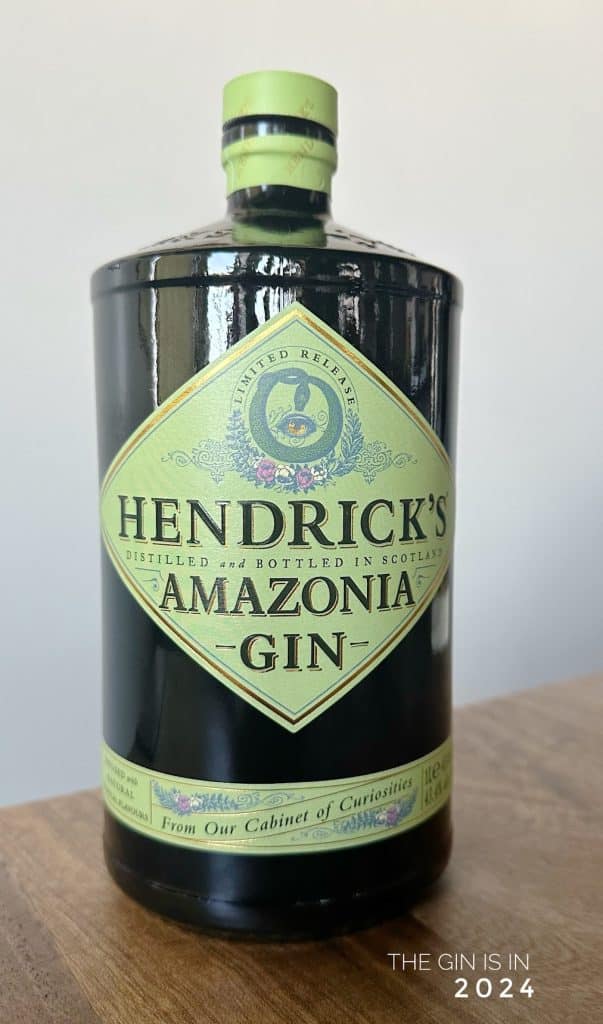
6. Hendrick’s Amazonia
Originally released as a Global Travel Retail exclusive, Amazonia was inspired by Gracie’s 2013 expedition to the Venezuelan rainforest. The inclusion of tonka bean and pink peppercorn provides a sophisticated spicy backbone. However, the gin is heavily weighted toward tropical fruit notes, which some analysts argue moves the spirit too far away from the juniper-forward definition of gin. The result is a product that feels more akin to a flavored botanical spirit designed for tiki-style drinks rather than a versatile gin. While pleasant, it is often viewed as a novelty that lacks the structural integrity of the brand’s top-tier offerings.
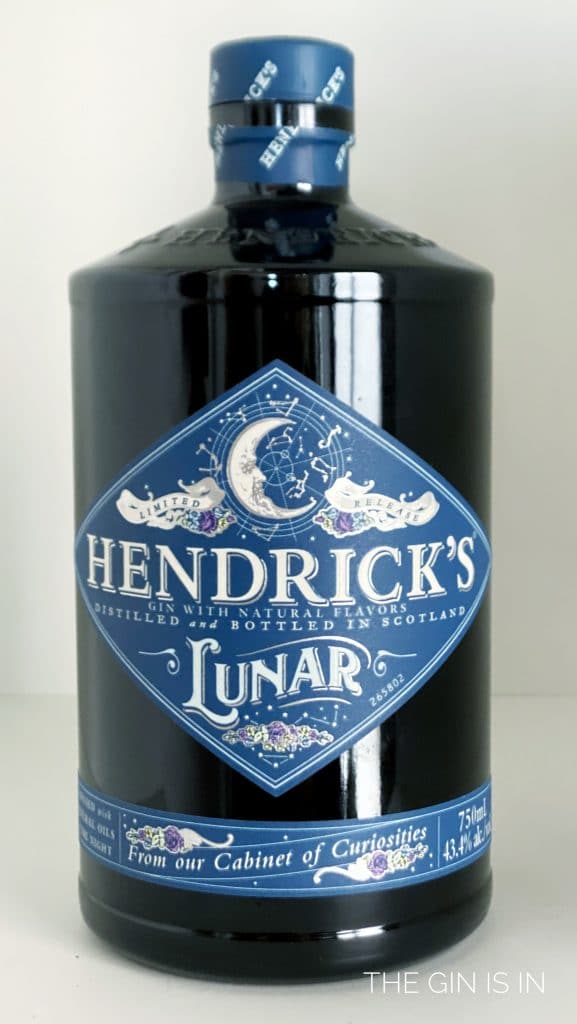
5. Hendrick’s Lunar (2021)
Lunar Gin was designed to capture the "nocturnal" essence of the Gin Palace’s gardens. It marked a shift toward a warmer, more spice-driven profile compared to the floral-heavy Flora Adora. With a palate blending violet, jasmine, and black peppercorn, Lunar maintains a respectable balance between delicate florals and piquant spice. It has been noted by professional bartenders as a competent mixer for Negronis and Gin and Tonics, providing a subtle "night-blooming" aroma that complements vermouth. Its moderate position in the rankings reflects its reliability, though it stops short of being revolutionary.
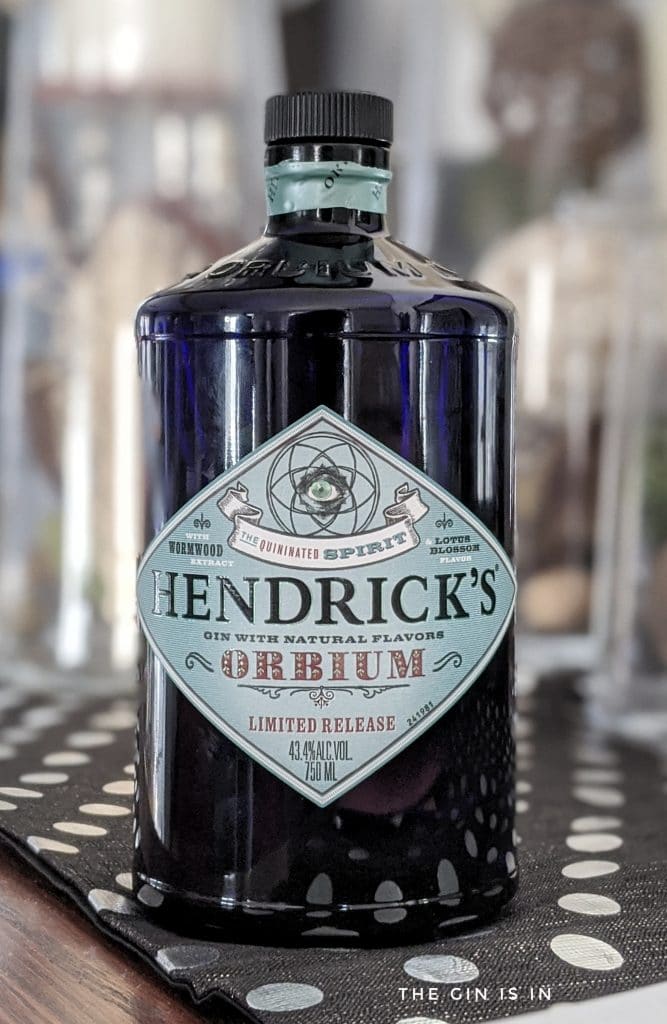
4. Hendrick’s Orbium
Orbium is perhaps the most intellectually rigorous release in the collection. By adding quinine, wormwood, and lotus blossom post-distillation, Gracie essentially "deconstructed" the components of a Gin and Tonic and integrated them into the spirit itself. The result is a gin with a distinct bitter herbal profile and a floral anise finish. Orbium is a polarizing spirit; for those who appreciate the bitterness of a classic Martini or a Gin and It, it is an exceptional tool. However, its overt bitterness makes it unsuitable for fruitier or sweeter applications, limiting its broader market appeal while securing its status as a favorite among spirits aficionados.
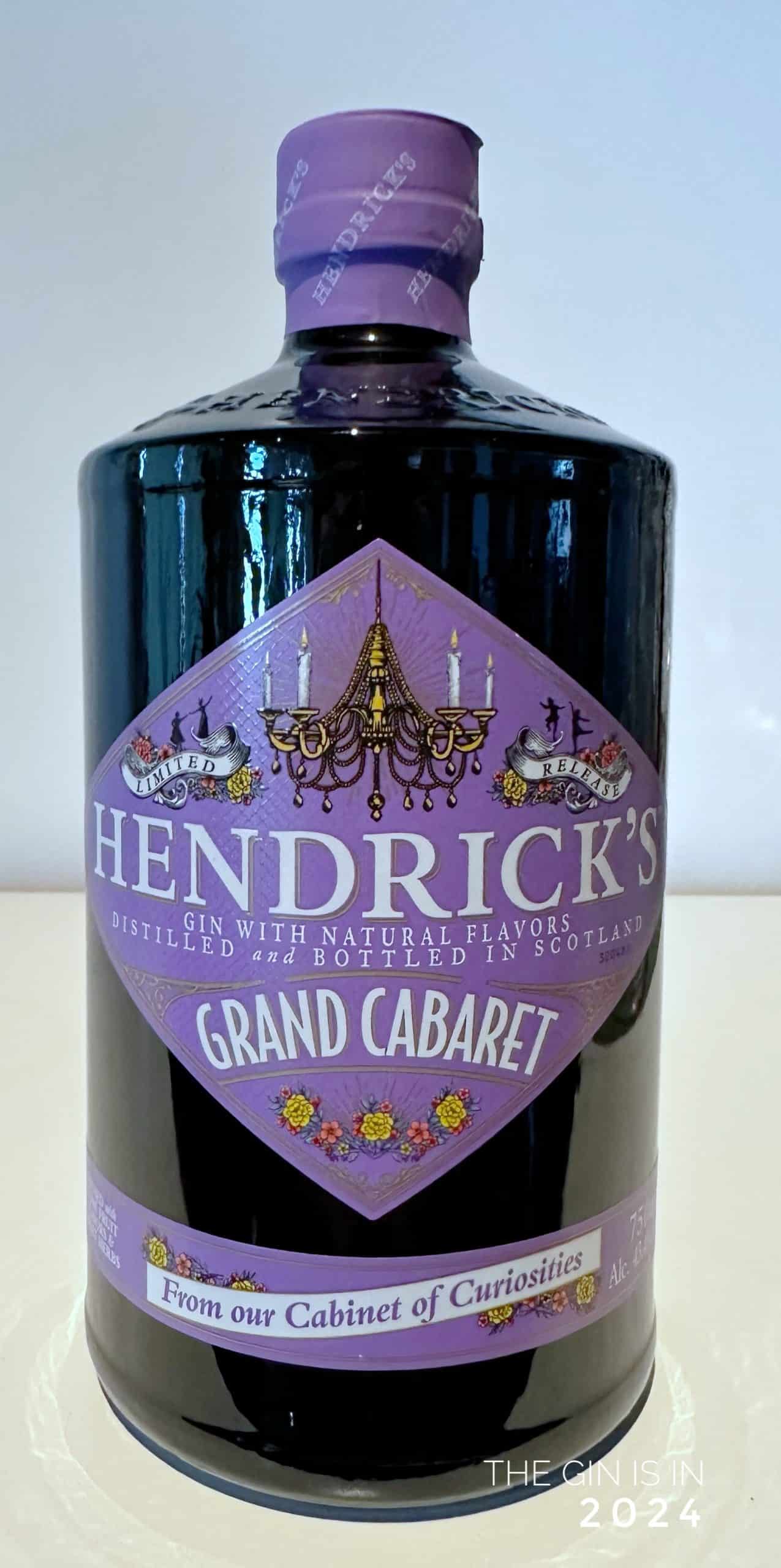
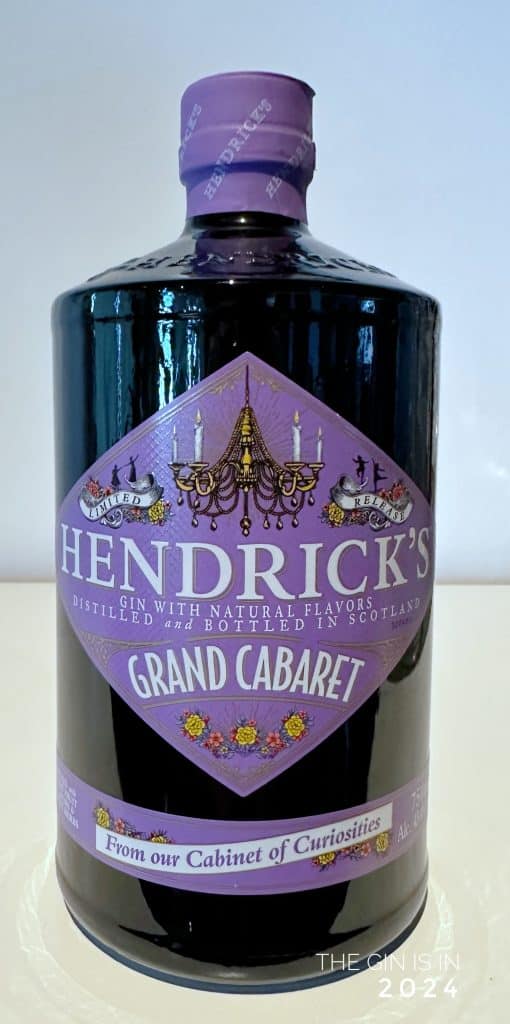
3. Hendrick’s Grand Cabaret (2024)
The most recent addition to the Cabinet, Grand Cabaret, draws inspiration from 17th-century French stone fruit distillates. Focusing on apricot and mirabelle plum, this expression represents a masterclass in fruit integration. Unlike Amazonia, which feels overtly "tropical," Grand Cabaret maintains a sophisticated honeyed sweetness that is expertly countered by elderflower and juniper. Industry reception has been largely positive, with many noting its success in "summer spritz" applications. It represents a return to form for the brand, balancing contemporary fruit trends with the traditional elegance associated with the Alsace region’s heritage.
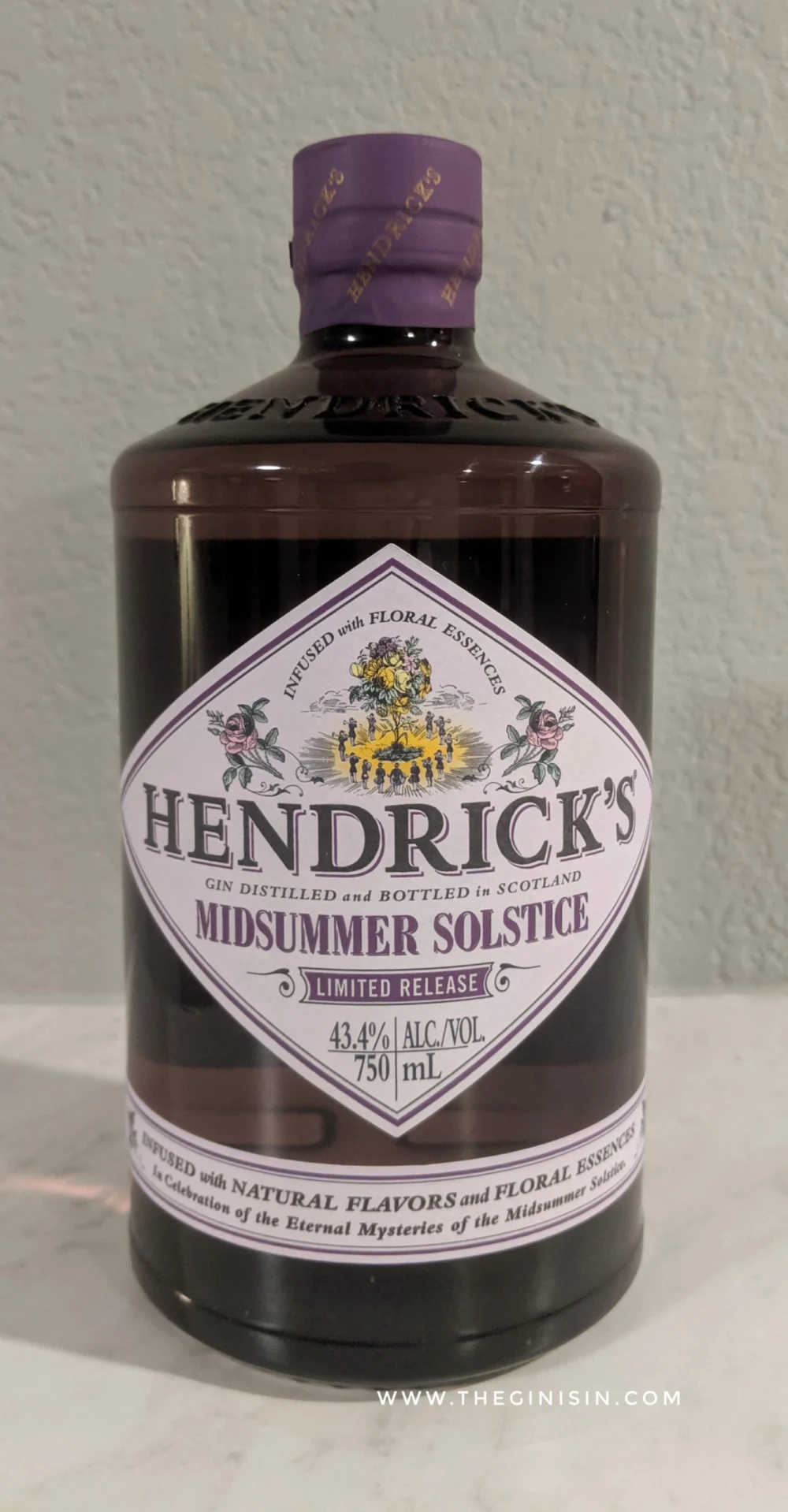
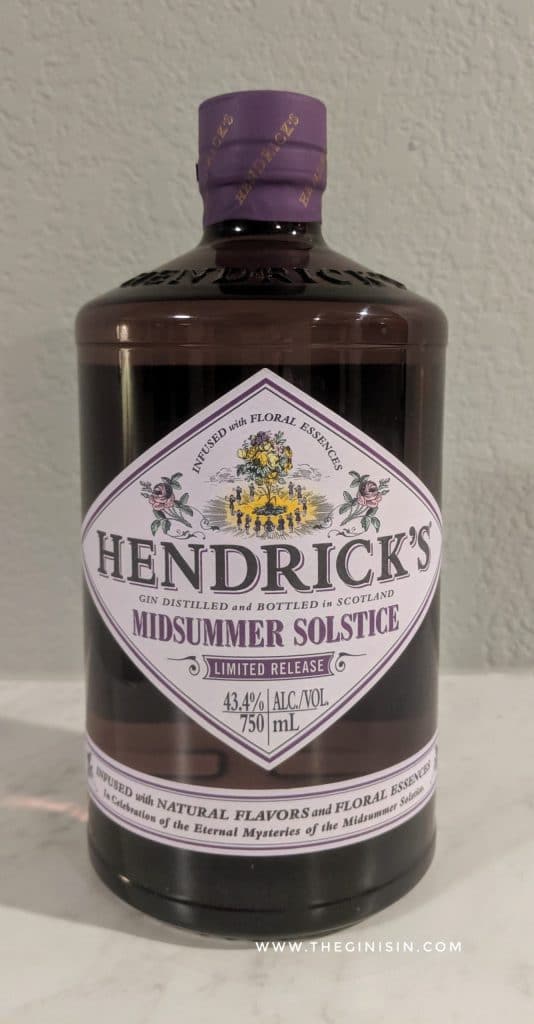
2. Hendrick’s Midsummer Solstice (2019)
The inaugural release of the Cabinet of Curiosities remains one of its most successful. Midsummer Solstice was a "floral-forward" gin that managed to avoid the soapy pitfalls of later releases like Flora Adora. By infusing natural flavors and floral essences that suggest raspberry and strawberry alongside the juniper, Gracie created a gin that appealed to the burgeoning "Pink Gin" demographic without sacrificing the brand’s premium identity. Its bright, zesty profile and berry undertones made it an instant favorite for Gin Brambles and Tom Collins cocktails. Its discontinuation remains a point of contention among enthusiasts, solidifying its legacy as a high-water mark for the series.
1. Hendrick’s Flagship Gin (The Original)
Despite the innovation found within the Cabinet of Curiosities, the original Hendrick’s Gin remains the undisputed leader of the product line. Its success lies in its revolutionary "dual-still" distillation process. The marriage of the heavy, oily spirit from the Bennett still and the light, floral spirit from the Carter-Head creates a complexity that subsequent limited editions have struggled to replicate. The addition of rose and cucumber essences—while controversial in 1999—has become a global standard for quality. Its versatility is unparalleled, performing equally well in a Dirty Martini as it does in a simple highball with a cucumber garnish.
Supporting Data: Market Context and the Rise of Contemporary Gin
The performance of the Hendrick’s portfolio reflects broader trends in the spirits industry. According to data from the IWSR (International Wine and Spirits Research), the "Super Premium" gin category, which Hendrick’s helped define, has seen a compound annual growth rate (CAGR) of over 10% in the last decade. The Cabinet of Curiosities strategy has allowed William Grant & Sons to maintain market share against a tide of craft distilleries by providing constant "newness" to consumers.
Furthermore, the technical data regarding the use of "essences" versus "maceration" is crucial. Hendrick’s is unique in its post-distillation infusion of rose and cucumber, a method that preserves the volatile aromatic compounds that would otherwise be destroyed by the heat of the still. This technical distinction is what gives the flagship and its derivatives their characteristic "fresh" nose, a factor that continues to drive brand loyalty.
Broader Impact and Industry Implications
The Hendrick’s model has fundamentally altered the landscape of gin marketing. By moving away from the austere, traditional imagery of London Dry brands and embracing an "apothecary-style" aesthetic and Edwardian-era surrealism, the brand tapped into a "craft" sensibility before the craft movement fully matured. The Cabinet of Curiosities serves as a blueprint for other major spirits houses, demonstrating that limited-edition releases can act as "R&D" in the public eye, testing flavor profiles that may eventually find their way into permanent rotations or influence future formulations.
However, the mixed reception of releases like Flora Adora and Neptunia serves as a cautionary tale. It highlights the fine line between "innovation" and "over-complexity." As the gin market becomes increasingly saturated with botanical experiments, the enduring success of the Hendrick’s flagship suggests that while consumers enjoy the novelty of a "Cabinet of Curiosities," they ultimately return to balanced, well-structured spirits that respect the foundational role of juniper.
In conclusion, the Hendrick’s product line remains a cornerstone of the modern bar. While the Cabinet of Curiosities has produced some divisive entries, it continues to push the boundaries of what gin can be. As the industry looks toward the 2025 release cycle, the lessons learned from the stone-fruit success of Grand Cabaret and the floral challenges of Flora Adora will undoubtedly shape the next chapter of Lesley Gracie’s botanical legacy. For now, the original Hendrick’s remains the gold standard, proving that the first "curiosity" was indeed the most brilliant.
