

The egg remains a cornerstone of global nutrition, serving as one of the most cost-effective and biologically available sources of high-quality protein. Despite significant fluctuations in the consumer price index and the agricultural supply chain, eggs continue to be a primary recommendation for households seeking to maintain nutritional standards while adhering to strict budgetary constraints. Culinary experts at the Nashville Test Kitchen have recently codified a series of fifteen essential preparation methods designed to maximize the utility of this versatile ingredient. This analysis explores the technical, economic, and nutritional dimensions of egg-based meal preparation, ranging from foundational techniques to advanced meal-prepping strategies.

The Economic Context of the Modern Egg Market
In recent years, the egg industry has faced unprecedented volatility. Data from the Bureau of Labor Statistics (BLS) indicates that egg prices have seen double-digit percentage shifts due to factors such as the highly pathogenic avian influenza (HPAI) outbreaks and rising feed costs. However, even at peak pricing, the cost-per-gram of protein provided by eggs remains significantly lower than that of beef, poultry, or specialized plant-based meat substitutes.
The Nashville Test Kitchen’s initiative to highlight fifteen specific egg recipes is a direct response to "inflationary dining," a trend where consumers prioritize high-satiety, low-cost ingredients. By mastering foundational techniques, home cooks can reduce reliance on processed convenience foods, which often carry a higher price tag and lower nutritional density.

Foundational Egg Preparation: A Technical Overview
The mastery of egg cookery is often cited by culinary professionals as the true test of a chef’s skill. The Nashville-based research emphasizes six core "basic" methods that serve as the building blocks for domestic food security and culinary variety.
1. Hard-Boiled and Soft-Boiled Precision
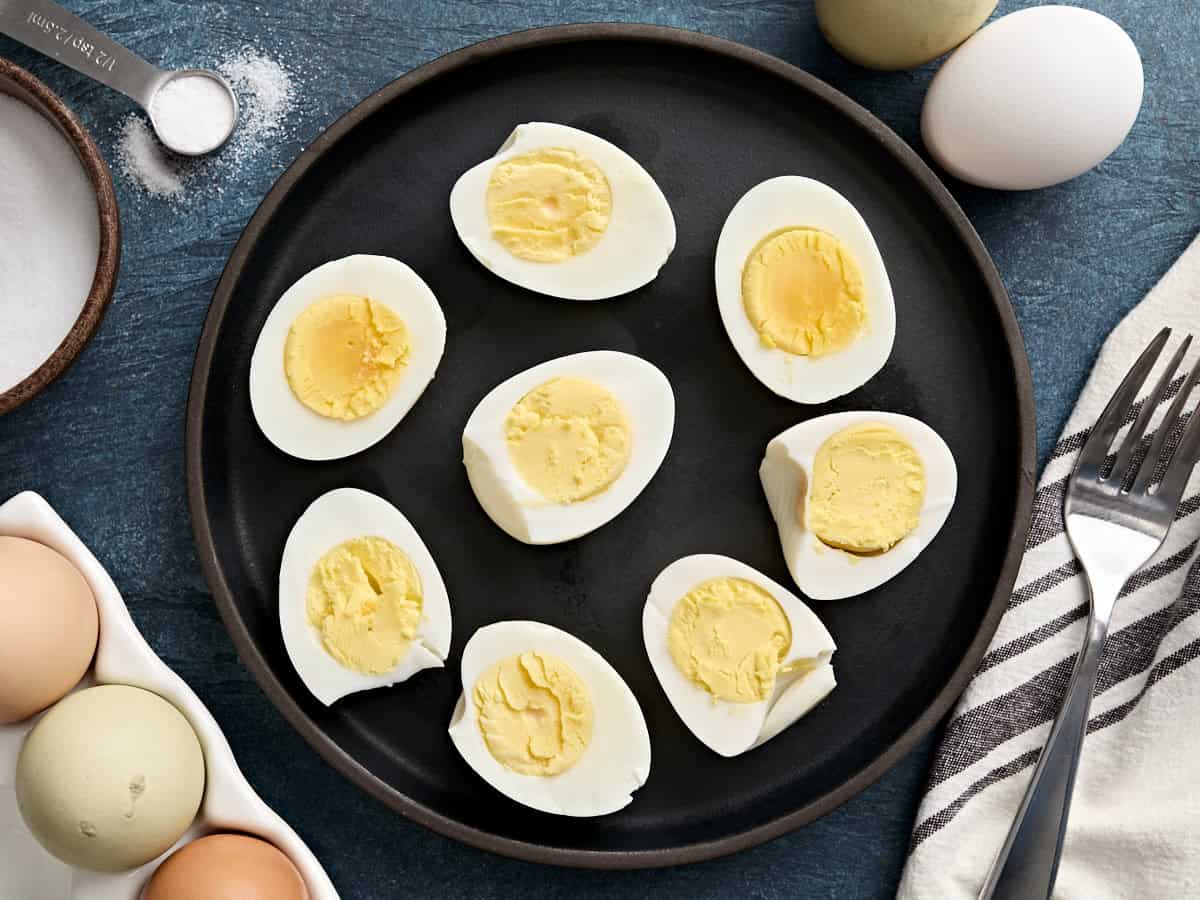
The distinction between a hard-boiled and soft-boiled egg lies in the precise timing of protein denaturation. The Nashville Test Kitchen recommends the hot-water-bath method, which involves bringing water to a boil, removing it from the heat source, and allowing the eggs to sit for a predetermined duration. This method prevents the "green ring" phenomenon—a result of the reaction between iron in the yolk and sulfur in the white—which occurs during overcooking.
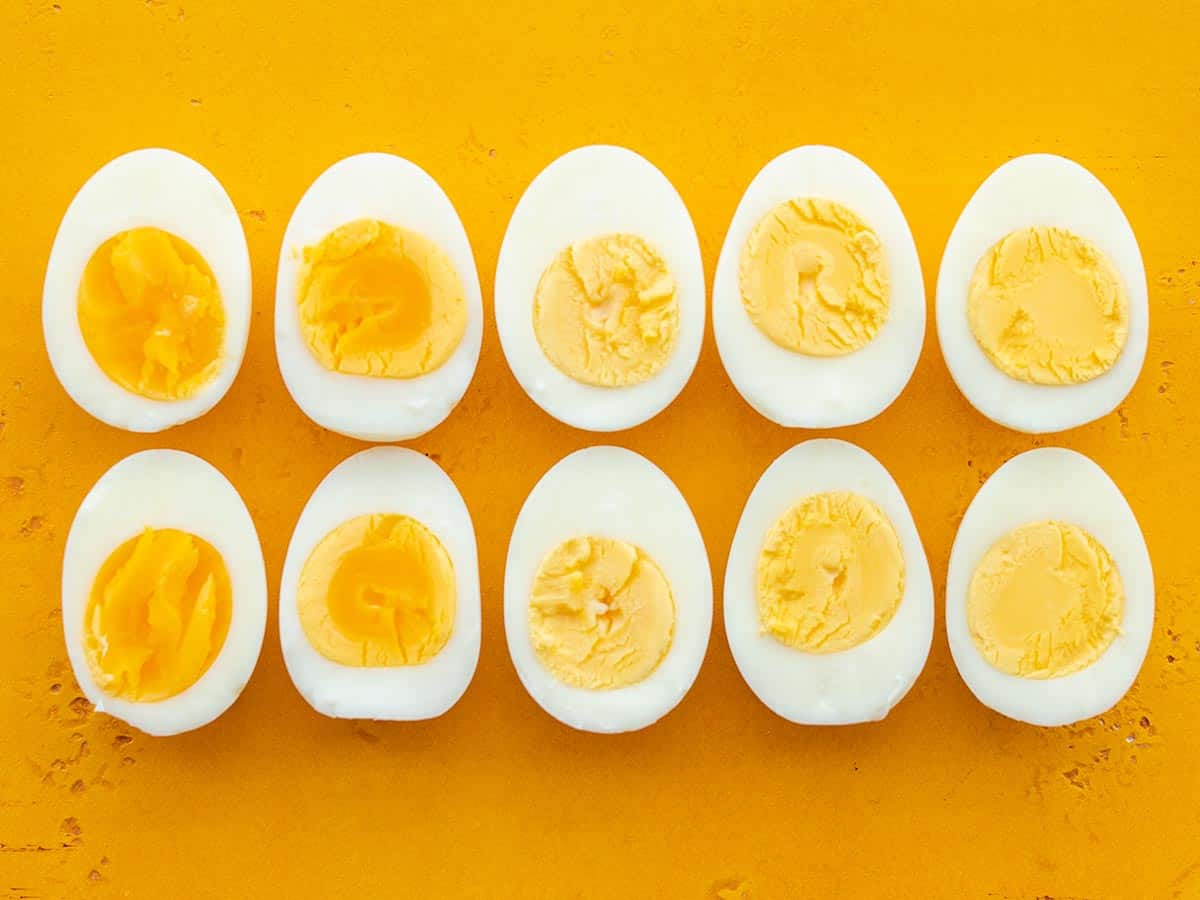
For hard-boiled eggs, a subsequent ice bath is essential to halt the cooking process and facilitate easier shell removal. Soft-boiled eggs, often referred to as "jammy eggs," require a shorter duration, typically six minutes, to ensure the whites are set while the yolk remains liquid gold. These are increasingly utilized as protein toppers for modern dishes like avocado toast and ramen.
2. The Mechanics of Scrambling and Frying
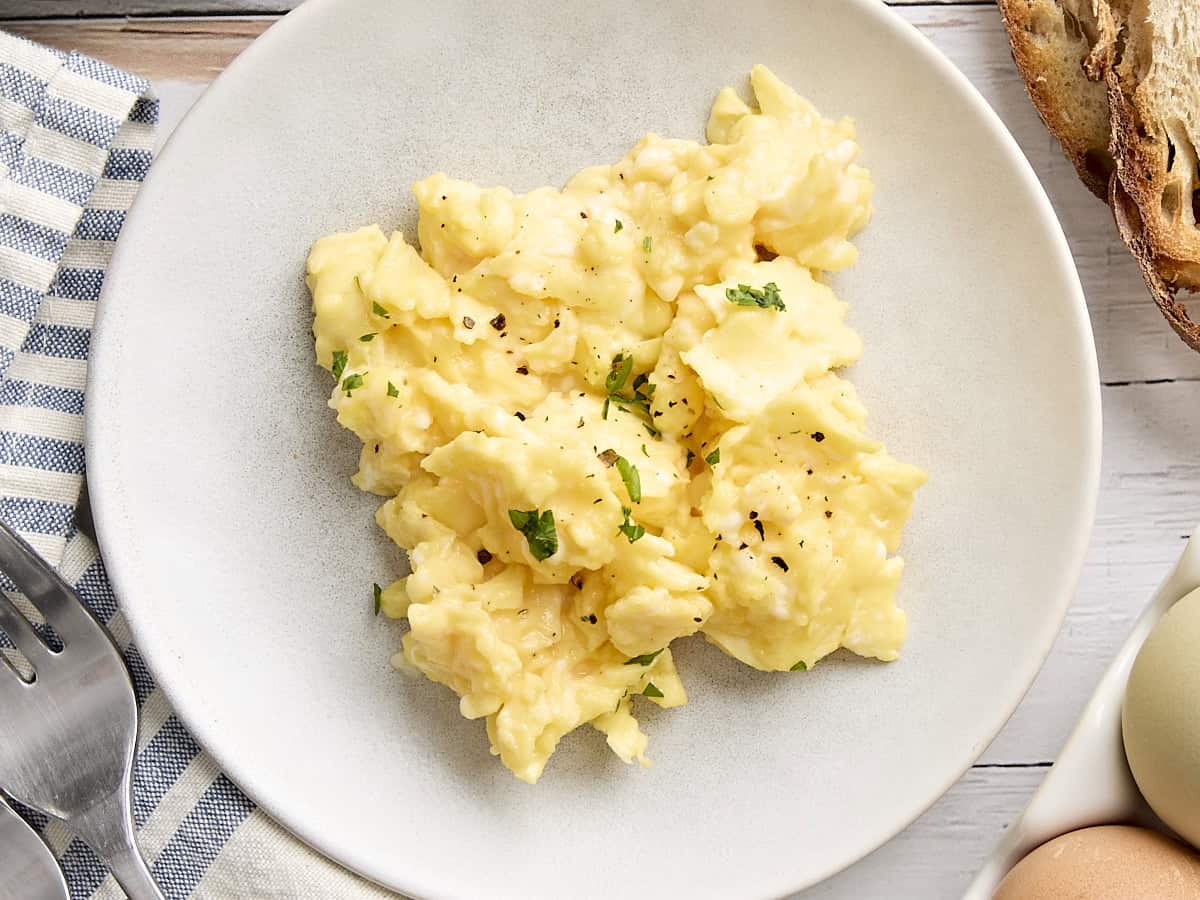
Scrambled eggs, while seemingly simple, are frequently subjected to high-heat errors that result in a rubbery texture. The professional recommendation involves a "low and slow" approach, utilizing gentle heat to create tender curds. Similarly, the fried egg—available in styles ranging from sunny-side up to over-hard—requires careful temperature management to ensure the albumen is fully cooked without dehydrating the yolk.

3. The Poached Egg and Air Fryer Innovations
Poaching remains the most technically demanding basic method, requiring the suspension of a raw egg in simmering water. The Nashville experts note that success depends on gentle heat and patience. Conversely, the rise of the air fryer has introduced a new "hack" for hard-boiling eggs without water. This method uses circulating hot air to cook the egg within its shell, offering a hands-off alternative for busy households.
Culinary Sophistication: Brunch and Skillet Favorites
Beyond basic preparation, eggs serve as the primary medium for more complex, culturally diverse dishes that offer higher satiety through the addition of vegetables and spices.
The Frittata as a Tool for Waste Reduction
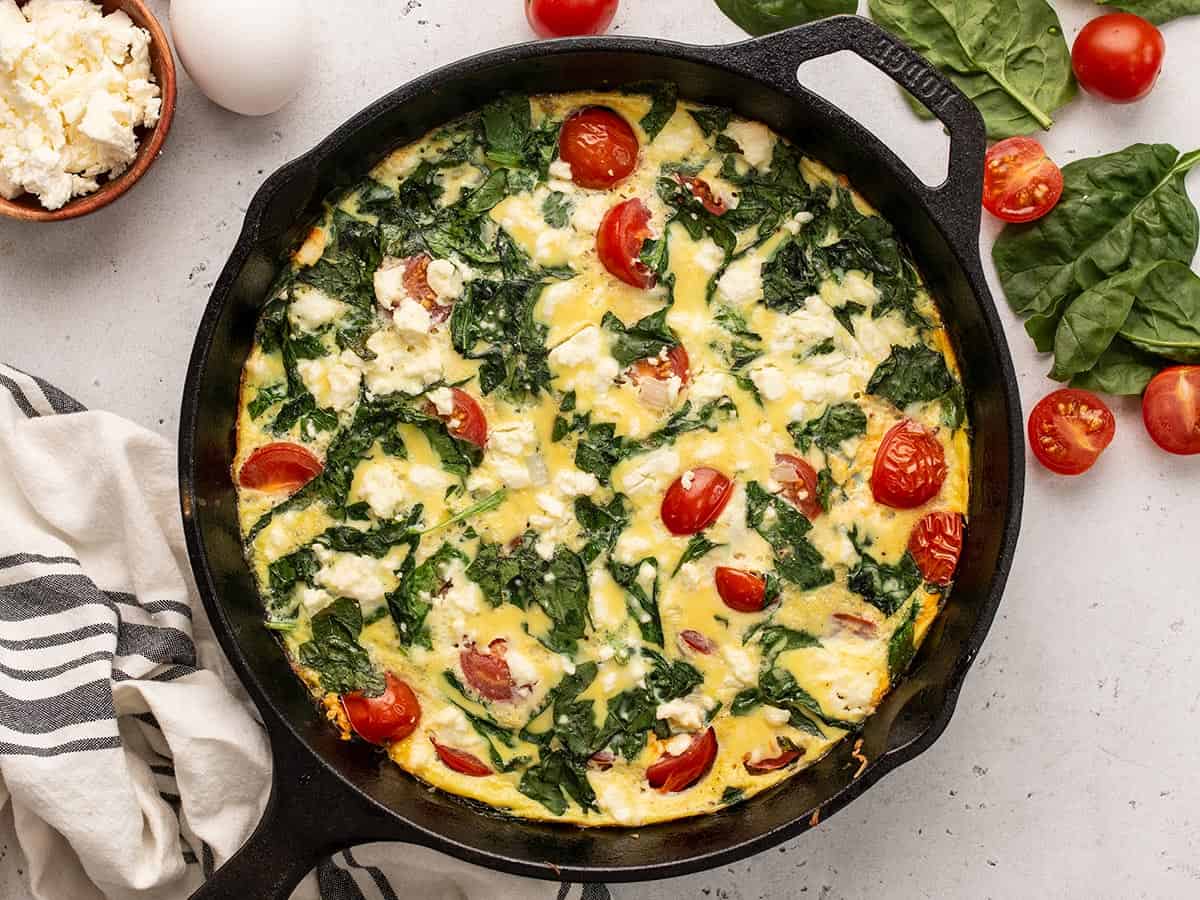
The frittata is highlighted as a strategic dish for economic efficiency. Functioning as a crustless quiche, it allows for the incorporation of "fridge leftovers"—small amounts of vegetables, meats, or cheeses that might otherwise go to waste. This preparation method aligns with sustainable consumption patterns by extending the life of other perishable ingredients.
Shakshuka and Regional Influences
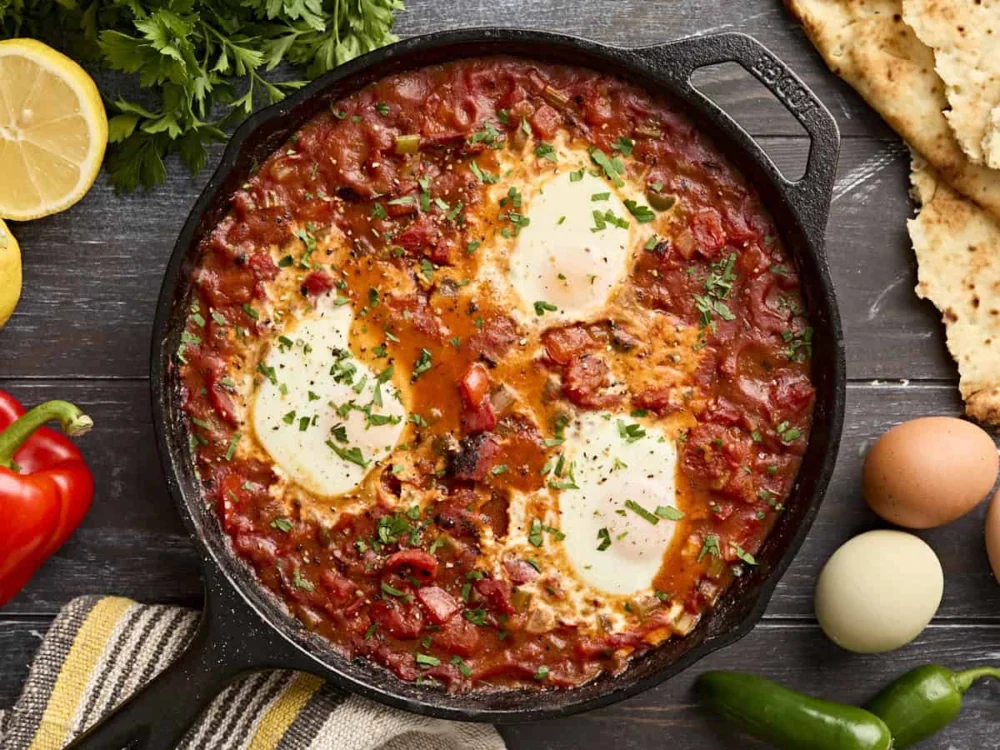
Shakshuka, a dish of eggs poached in a spiced tomato and pepper sauce, represents the intersection of affordability and flavor complexity. By utilizing pantry staples such as canned tomatoes and dried spices (cumin, paprika, cardamom), this dish provides a gourmet experience at a fraction of restaurant costs. The Nashville Test Kitchen emphasizes the use of fire-roasted tomatoes to add depth without increasing the ingredient budget.

Hearty Breakfast Hashes
The Chorizo Potato Breakfast Hash is a prime example of a "high-calorie, high-performance" meal. By combining eggs with potatoes—another low-cost staple—and a small amount of high-flavor protein like chorizo, cooks can create a meal that serves as both breakfast and dinner, a concept often referred to as "brunch for dinner" in budget-conscious circles.
Nutritional Analysis and Human Health Impact
The nutritional profile of the egg is nearly unparalleled. A single large egg contains approximately 70 calories and 6 grams of high-quality protein, including all nine essential amino acids. Furthermore, eggs are a significant source of choline, a nutrient critical for brain health and liver function, which is often under-consumed in the standard American diet.

Bioavailability is a key factor in the Nashville Test Kitchen’s focus. The protein in eggs is more easily absorbed by the human body than protein from many plant sources. For individuals on calorie-restricted diets or those looking to maintain muscle mass while reducing food spending, the "filling" nature of egg-based breakfasts (due to the combination of fats and proteins) can lead to a reduction in mid-morning snacking, further supporting metabolic health.
The Meal-Prep Paradigm: Efficiency in the Modern Household
As "time poverty" becomes a significant hurdle for working families, the ability to prepare egg-based meals in advance has become a vital skill.
Portable Egg Muffins and Burritos
The Nashville Test Kitchen has developed specialized recipes for egg muffins and freezer-friendly breakfast burritos. These items are designed to be cooked in bulk, frozen, and reheated. This strategy mimics the convenience of "fast food" breakfast sandwiches—which can cost between $4.00 and $7.00 per unit—at a production cost of less than $1.50 per serving.
Egg Salad as a Versatile Staple
While traditionally viewed as a lunch item, egg salad is increasingly being repositioned as a rapid breakfast option. When prepared in advance, it offers a zero-cook start to the day, providing the necessary protein to fuel cognitive function during morning work hours.
Professional Insights: The Nashville Test Kitchen Methodology
The recipes provided by Budget Bytes are the result of rigorous testing by culinary professionals like Jess Rice. Rice, a former Chef Professor at Niagara College and a successful restaurateur, brings a level of academic and professional rigor to domestic cooking. The Nashville Test Kitchen serves as a laboratory where recipes are vetted not only for flavor but for "reproducibility"—ensuring that a home cook with basic equipment can achieve the same results as a professional chef.
Rice’s background in raw vegan cuisine and celebrity private cheffing informs the balance of these 15 recipes, ensuring they meet the needs of a diverse population, from those seeking "comfort food" to those focused on "functional nutrition."

Broader Implications and Future Outlook
The continued focus on egg-based nutrition reflects a broader shift in consumer behavior. As the global population faces economic headwinds, the "return to basics" in the kitchen is more than a trend; it is a survival strategy. The ability to transform a simple, inexpensive ingredient like an egg into 15 different high-quality meals empowers the consumer and reduces dependence on industrialized food systems.
In conclusion, the 15 easy egg recipes curated by the Nashville Test Kitchen represent a vital resource for the modern household. By combining technical mastery with economic strategy, these preparation methods ensure that high-quality nutrition remains accessible to all, regardless of market fluctuations. As we look toward the future of domestic culinary arts, the egg will undoubtedly remain the gold standard for efficiency, versatility, and health.
