

The global landscape of home cooking has undergone a significant shift as inflationary pressures continue to impact grocery budgets, leading many consumers to rediscover the utility of shelf-stable proteins. Among these, canned tuna has emerged as a primary candidate for high-value meal preparation. Recognized for its lean protein content and long-term storage capabilities, canned tuna serves as a versatile foundation for a variety of culinary applications, ranging from traditional comfort foods to modern, internationally inspired bowls. Culinary experts at the Nashville Test Kitchen have recently identified 14 distinct recipes that maximize the potential of this pantry staple, focusing on affordability, ease of preparation, and nutritional density. This report examines the economic and nutritional benefits of canned tuna, alongside a detailed breakdown of these innovative preparation methods.
The Economic and Nutritional Profile of Canned Tuna
In the current economic climate, fresh seafood often remains out of reach for middle-to-low-income households. Data from the Bureau of Labor Statistics suggests that while fresh fish prices have seen fluctuations due to supply chain complexities and fuel costs for fishing fleets, canned seafood has remained relatively stable. A standard five-ounce can of tuna provides approximately 20 to 25 grams of protein for a fraction of the cost of fresh salmon or cod.
Nutritionally, canned tuna is a significant source of omega-3 fatty acids, which are essential for cardiovascular health and cognitive function. It is also rich in vitamin D, selenium, and B-complex vitamins. From a culinary perspective, the distinction between "chunk light" and "solid white albacore" is critical. Chunk light tuna, typically harvested from skipjack, is generally more affordable and has a lower mercury content, making it suitable for frequent consumption. Albacore offers a firmer texture and a milder flavor, which is often preferred for salads where larger chunks are desired.
A Chronology of Canned Tuna in Global Cuisine
The commercialization of canned tuna began in the early 20th century. In 1903, a sardine harvest failure in California led cannery owners to experiment with albacore tuna, which was previously considered a "trash fish" by many commercial fishers. By the 1940s and 1950s, canned tuna had become a staple of the American diet, fueled by the rise of the suburban "casserole culture."
The evolution of tuna recipes reflects broader changes in global gastronomy. The 1950s were dominated by the Tuna Noodle Casserole, a dish characterized by its use of condensed soups and canned peas. By the 1990s, Mediterranean influences introduced the use of olive oil, capers, and vinaigrettes. Today, the integration of East Asian flavors, such as gochujang and sesame oil, represents the latest chapter in the history of this versatile ingredient.
Essential Hot Meals and Comfort Entrées
The Nashville Test Kitchen emphasizes that canned tuna is not limited to cold preparations. Several of the 14 identified recipes focus on warm, filling dinners that can be prepared in under 30 minutes.
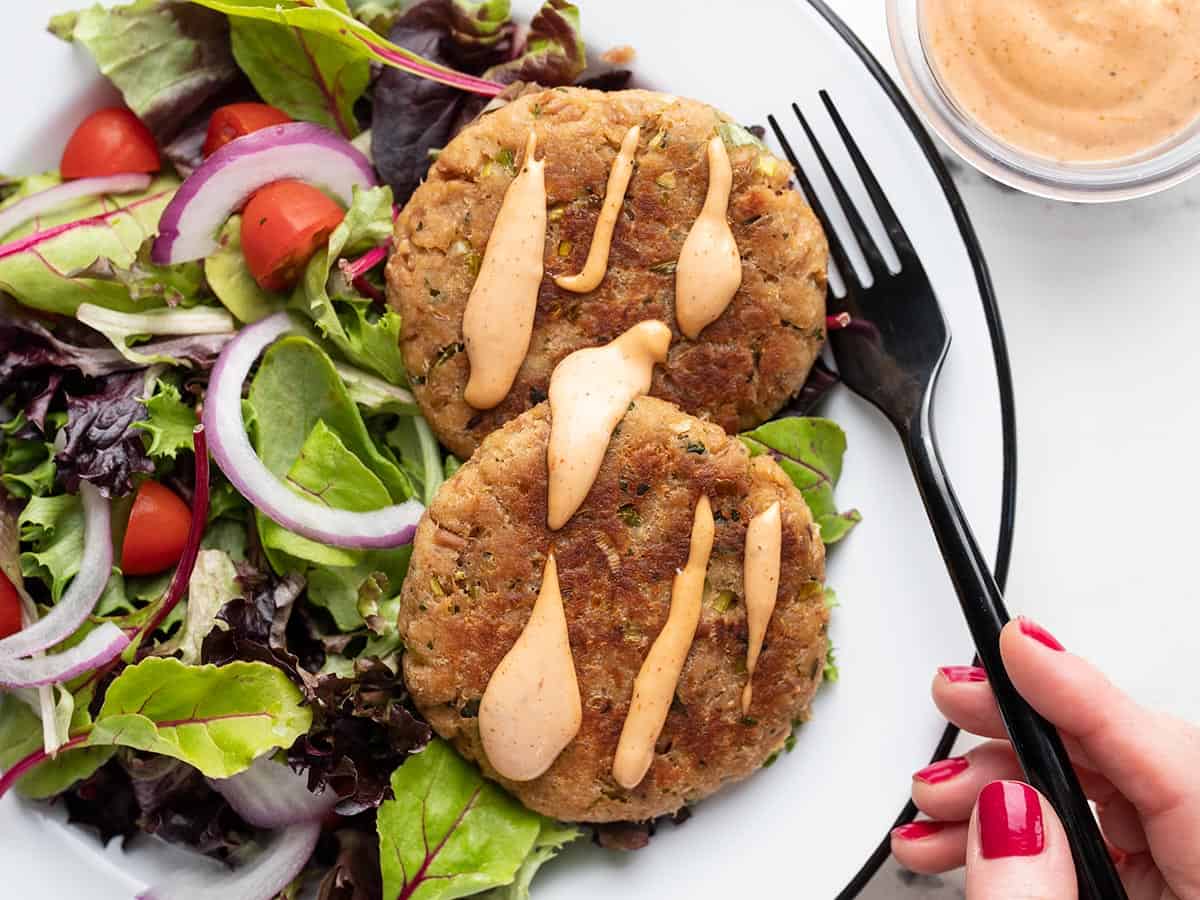
- Tuna Patties: This recipe utilizes basic pantry staples including breadcrumbs, mayonnaise, and seasonings. At an estimated cost of $0.80 per serving, these patties provide a high-protein alternative to traditional crab cakes.
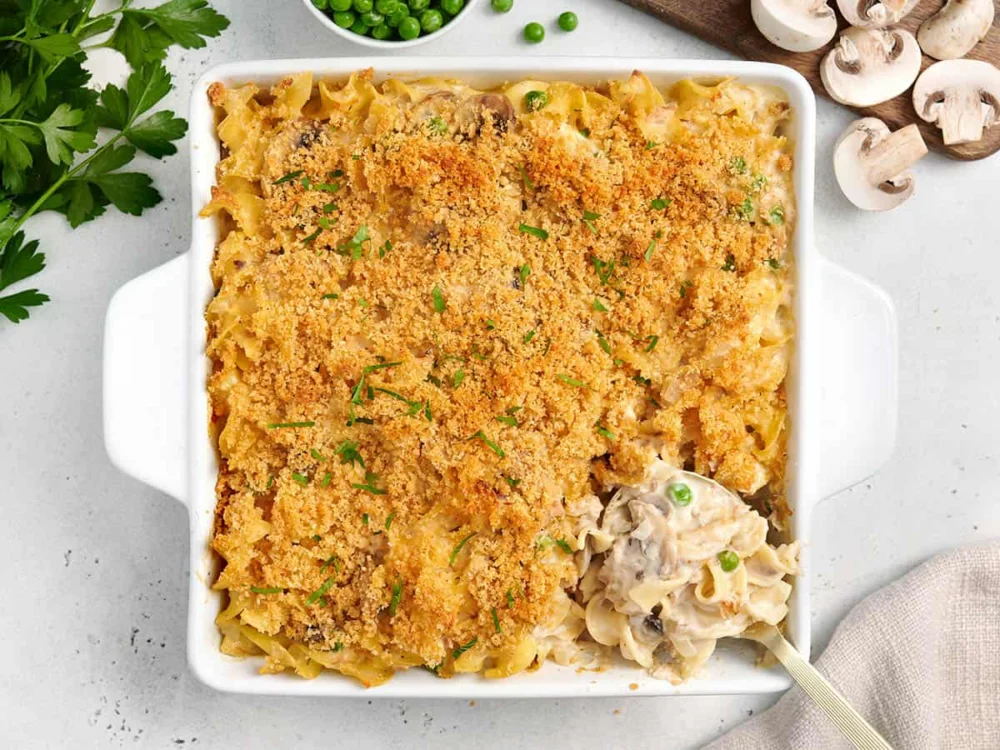
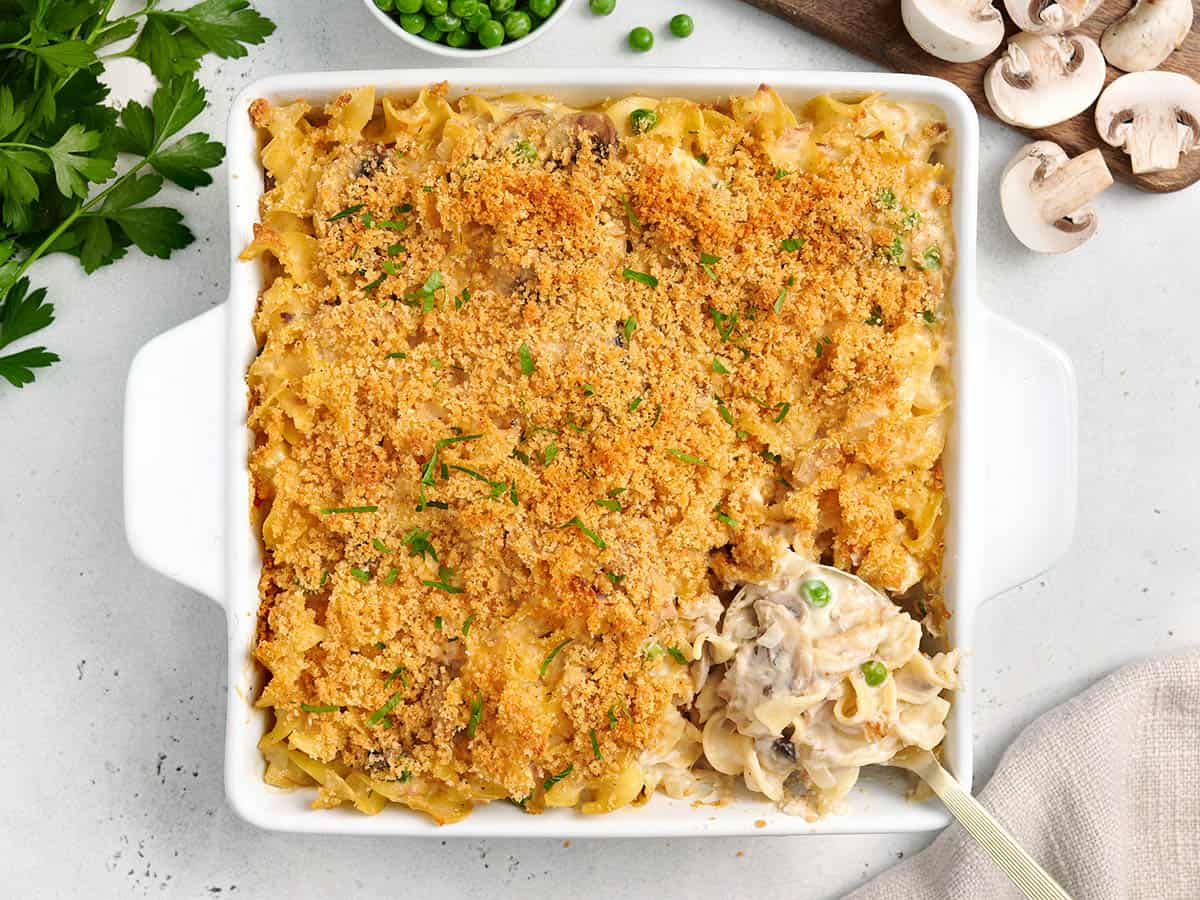
- Tuna Noodle Casserole: A refined version of the mid-century classic, this scratch-made iteration eschews canned soups in favor of a roux-based mushroom sauce. The addition of a Parmesan-breadcrumb topping adds a textural contrast that elevates the dish from a simple pantry meal to a family dinner staple.
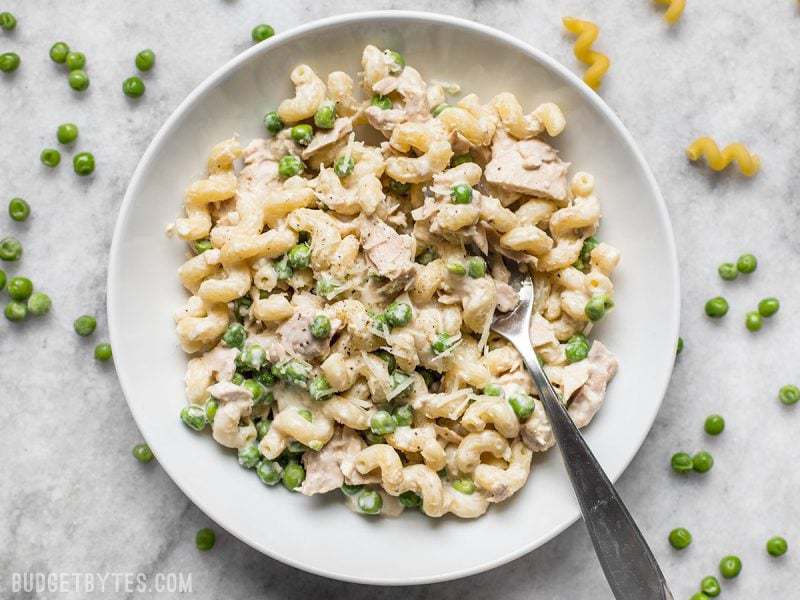
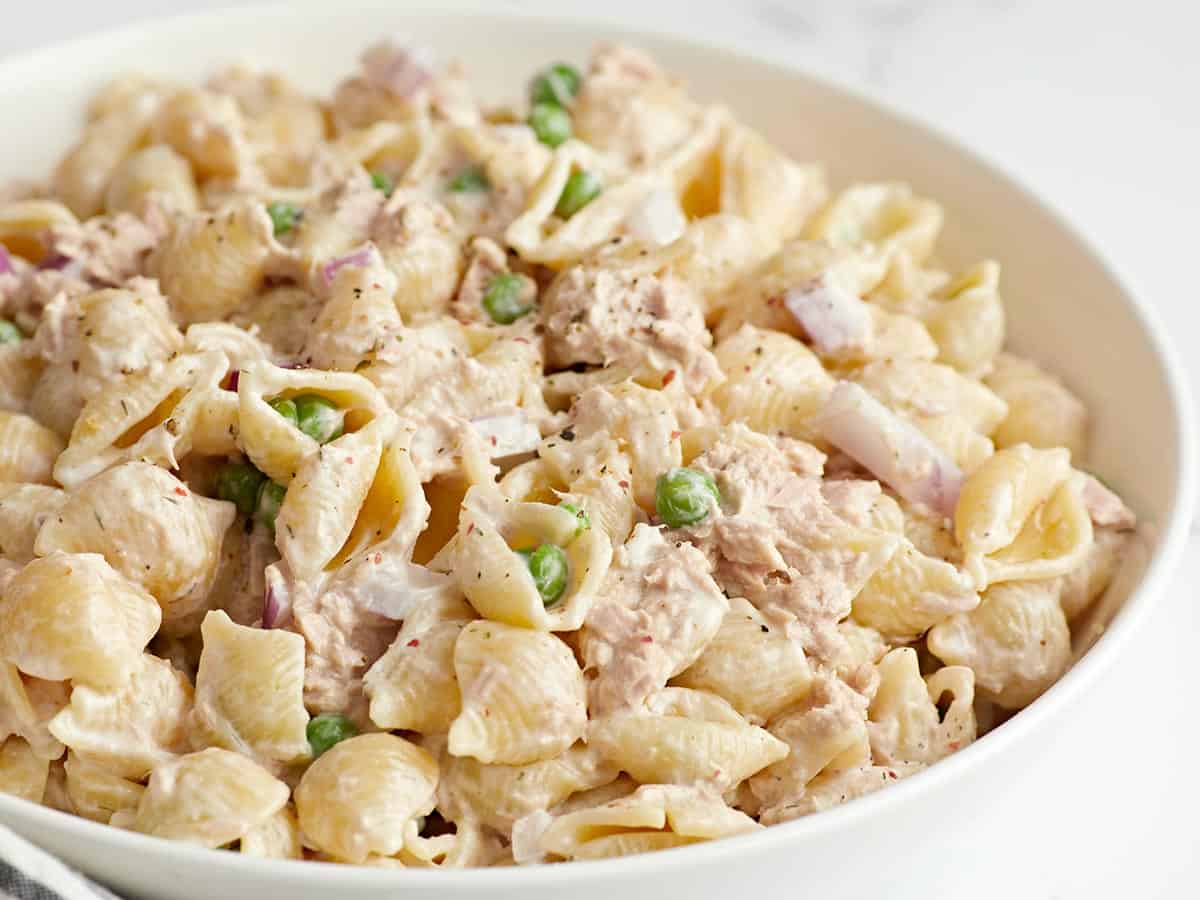
- Creamy Tuna Pasta with Peas: Utilizing the concept of "pantry pasta," this dish relies on the synergy between pasta water, Parmesan cheese, and canned tuna to create a luxurious sauce without the need for heavy cream.
Modern Lunch Solutions and Portability
As the workforce continues to navigate hybrid and in-office schedules, the demand for "no-reheat" meal prep options has increased. Canned tuna is uniquely suited for this category due to its stability and compatibility with fresh vegetables.
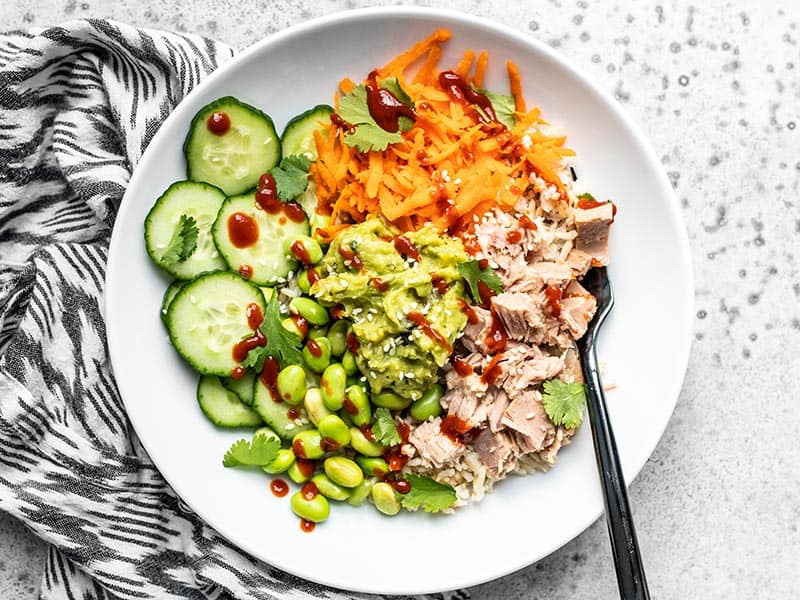
- Spicy Tuna Guacamole Bowls: This recipe integrates contemporary superfoods like edamame and avocado with sriracha-spiced tuna. It serves as a high-fiber, high-protein meal that requires no microwave, making it ideal for office environments.
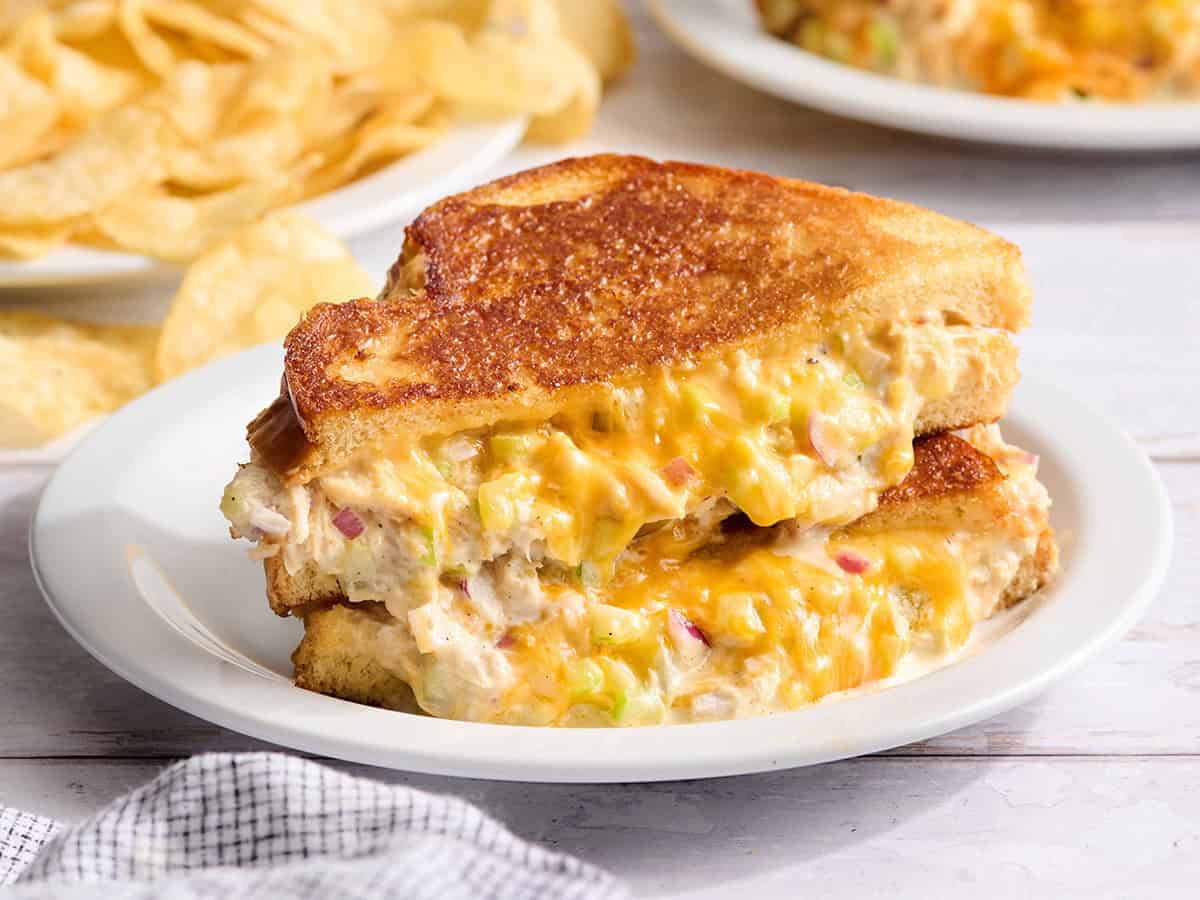
- Classic Tuna Melts: By combining a punchy tuna salad with sourdough bread and sharp cheddar cheese, this recipe bridges the gap between a standard sandwich and a hot entrée. The inclusion of celery and red onion provides the necessary acidity and crunch to balance the richness of the melted cheese.
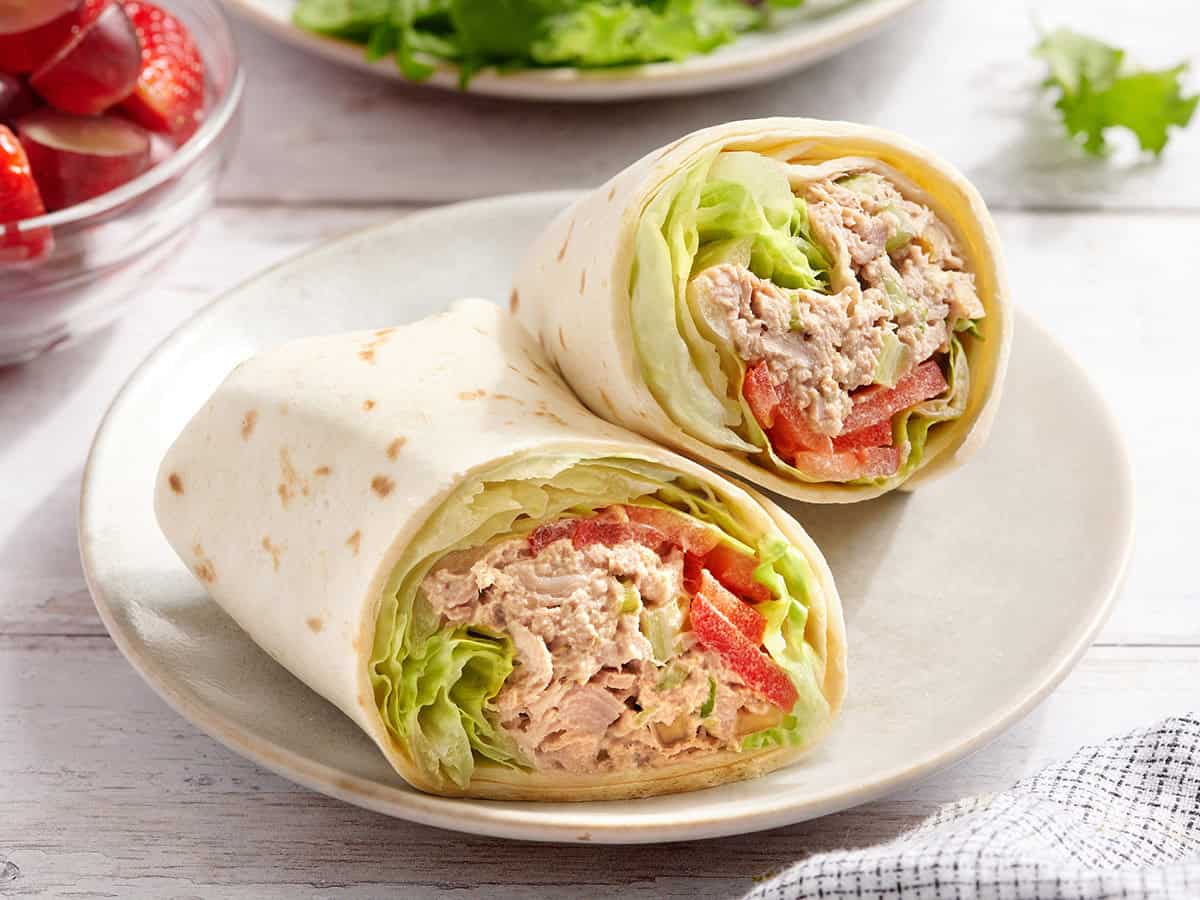
- Tuna Wraps: A focus on structural integrity is key here. The kitchen suggests using a layer of romaine lettuce as a moisture barrier between the tuna salad and the flour tortilla to prevent sogginess during storage.
Global Variations and Mayo-Free Alternatives
One of the primary criticisms of traditional tuna salad is its heavy reliance on mayonnaise. The Nashville Test Kitchen’s roundup addresses this by introducing several vinaigrette-based and internationally inspired options.
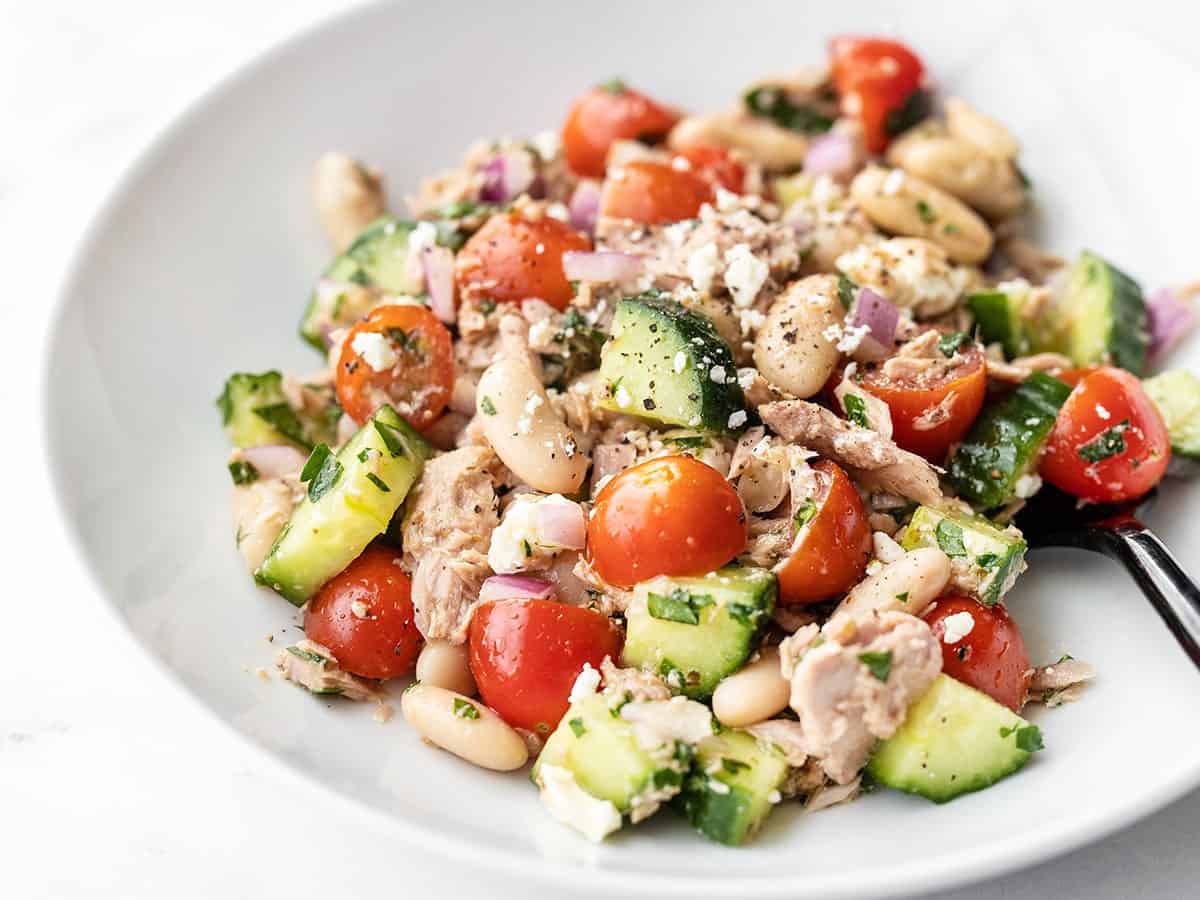
- Mediterranean Tuna Salad: This version replaces mayonnaise with a lemon-herb vinaigrette. It incorporates chickpeas, olives, and cucumbers, aligning with the heart-healthy Mediterranean diet.
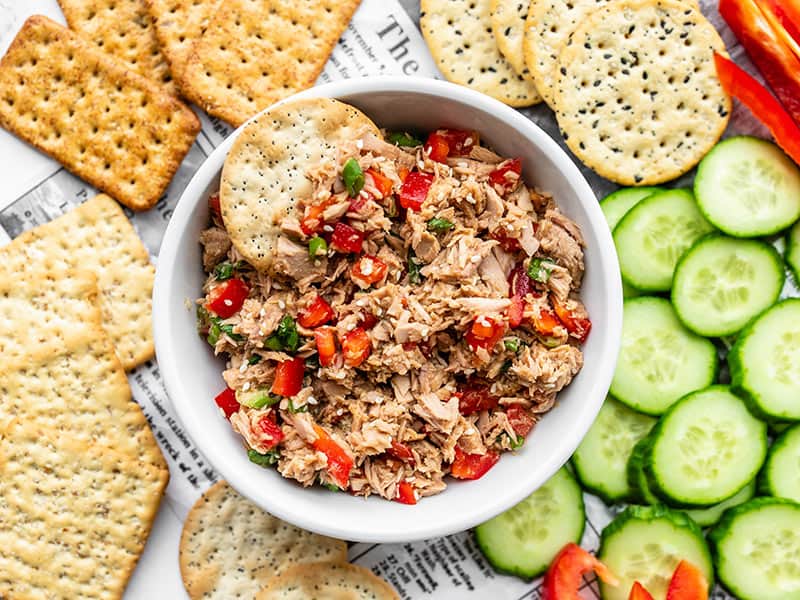
- Sesame Tuna Salad: Drawing from East Asian flavor profiles, this recipe uses toasted sesame oil, soy sauce, and ginger. It is frequently served with cucumber slices or in lettuce cups for a low-carb alternative.
- Gochujang Tuna Salad: Utilizing the Korean fermented chili paste gochujang, this dish offers a sweet, salty, and spicy profile. The umami-rich paste complements the natural salinity of the tuna, requiring very few additional ingredients.
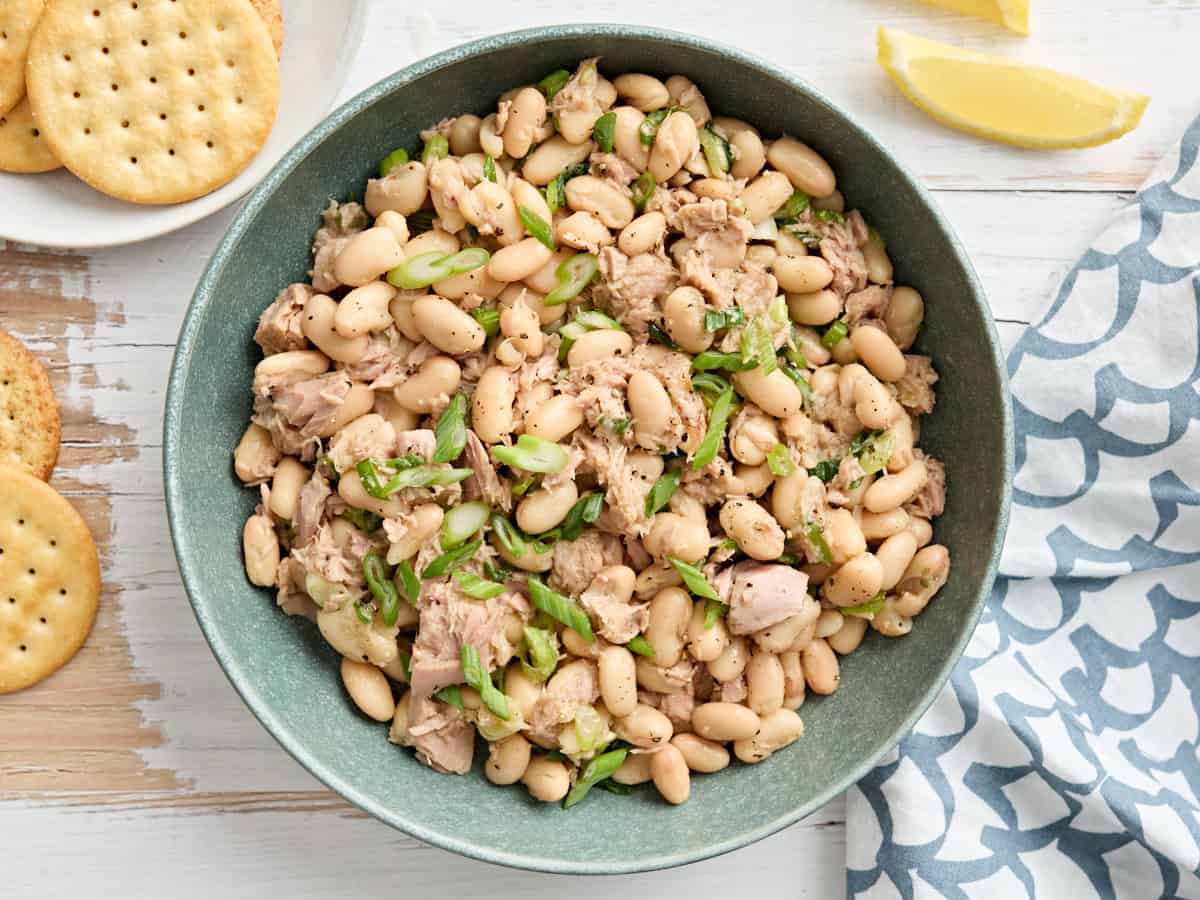
- Tuna and White Bean Salad: A minimalist approach that emphasizes fiber. The combination of cannellini beans and tuna creates a satiating meal that is highly cost-effective, often averaging less than $1.00 per serving.
Supporting Data and Consumer Safety
While the benefits of canned tuna are numerous, health organizations such as the FDA and EPA provide guidelines regarding mercury exposure. For most adults, two to three servings of "Best Choice" fish (including canned light tuna) per week are recommended. For solid white albacore, the recommendation is limited to one serving per week due to higher mercury levels found in larger tuna species.
From a sustainability perspective, consumers are increasingly looking for "pole and line caught" or "FAD-free" (Fish Aggregating Device) labels. These methods reduce bycatch and help maintain healthy ocean ecosystems. While these options may carry a slightly higher price point, they represent a growing segment of the market as environmental consciousness influences purchasing decisions.
Expert Analysis and Implications
Chef Jess Rice, a contributor to the Budget Bytes Nashville Test Kitchen and a former culinary professor, notes that the success of these recipes lies in their ability to provide "culinary dignity" on a budget. "Canned tuna is often viewed through a lens of necessity rather than choice," Rice states. "However, by applying professional techniques—such as balancing acidity with lemon or adding texture with toasted walnuts—we can transform a $1.00 can of fish into a meal that rivals a restaurant-quality experience."
The broader implications of this culinary trend are significant. As food insecurity remains a global challenge, the ability to create nutritious, palatable meals from shelf-stable goods is a vital skill. The 14 recipes outlined by the Nashville Test Kitchen provide a framework for household resilience, proving that financial constraints do not necessitate a compromise in flavor or nutrition.
Conclusion: The Future of Pantry Staples
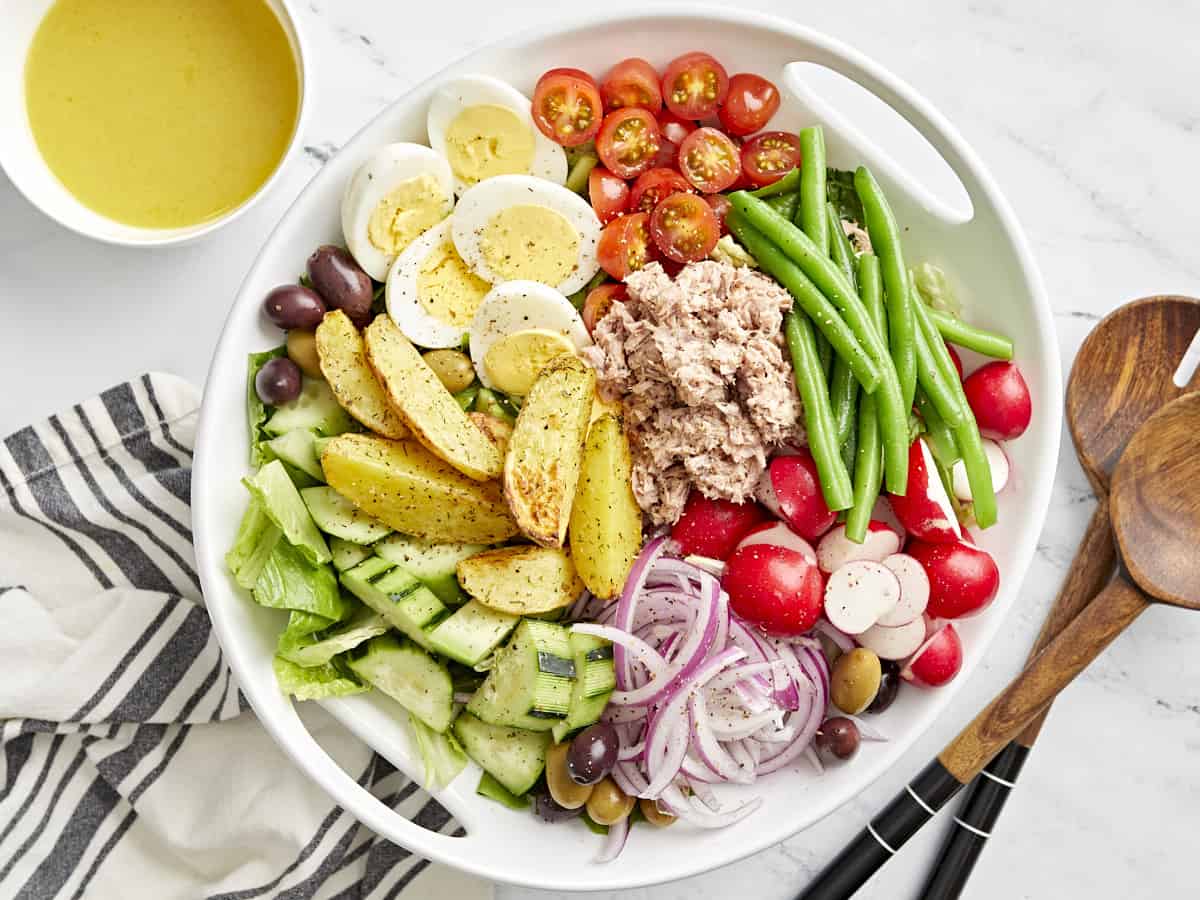
The resurgence of canned tuna in modern kitchens is more than a reaction to economic hardship; it is a testament to the ingredient’s versatility. From the classic comfort of a Niçoise salad to the bold heat of a Gochujang-based dip, tuna continues to adapt to the changing tastes of the global consumer. As we move forward, the emphasis on sustainable fishing practices and innovative flavor pairings will likely ensure that canned tuna remains a cornerstone of the domestic kitchen for another century. By utilizing these 14 tested recipes, home cooks can effectively manage their budgets while providing diverse and healthful meals for their families.
