

The 2024 holiday consumer market has seen a significant pivot toward products that integrate universal design, health-conscious ergonomics, and ethical manufacturing. As global consumer preferences shift away from mass-produced novelty items, a new category of "functional lifestyle" goods has emerged, bridging the gap between specialized medical needs and mainstream utility. This trend is particularly evident in the curated selections from industry observers who emphasize accessibility, such as the latest recommendations from the Legal Nomads platform, which highlight a growing demand for inclusive footwear, ergonomic culinary tools, and sustainable artisanal goods.

The Rise of Adaptive Footwear and Hands-Free Technology
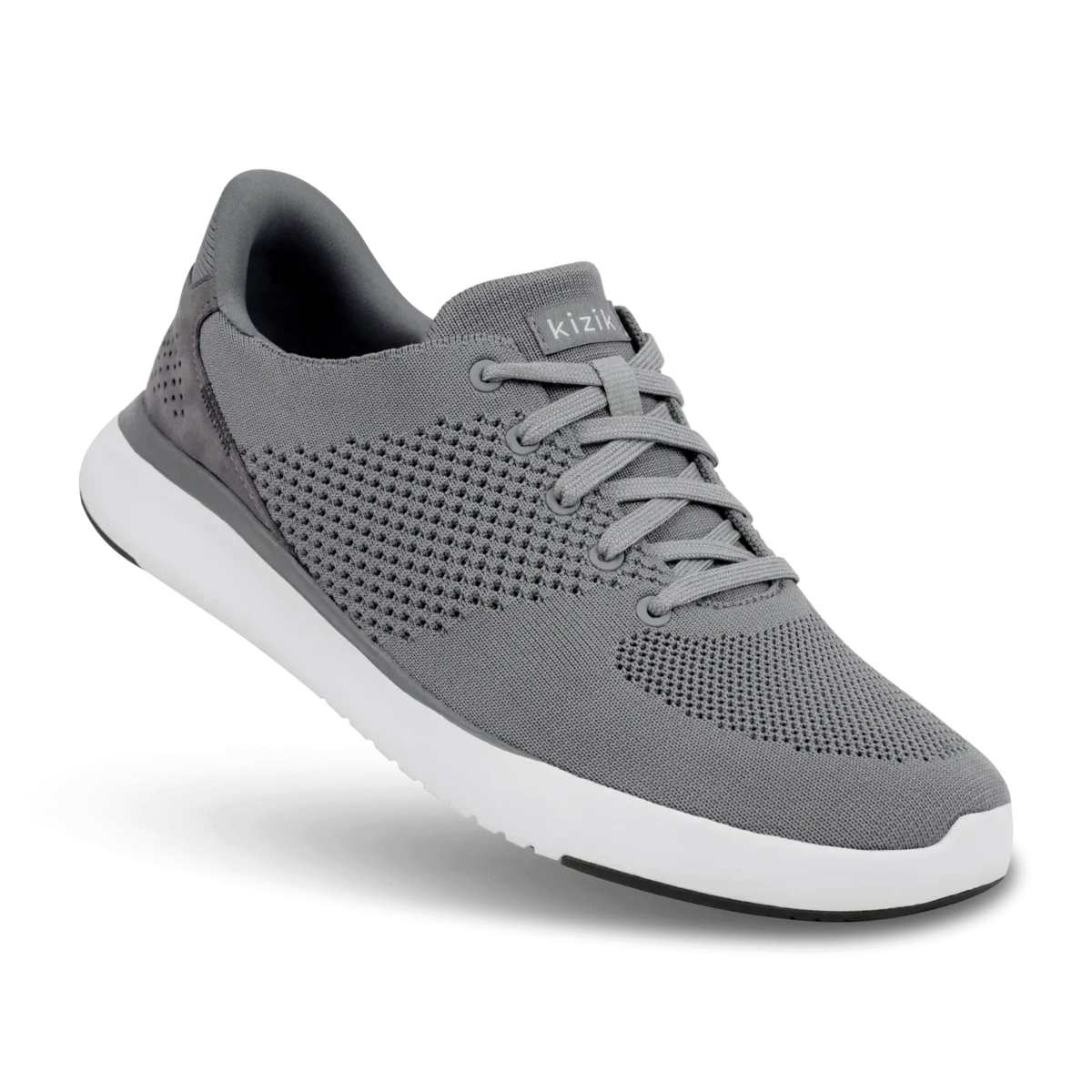
One of the most notable developments in the 2024 retail landscape is the expansion of the adaptive footwear market. Leading this sector is Kizik, a company that has revolutionized shoe design through patented hands-free technology. Originally designed to assist individuals with limited mobility, pregnancy-related challenges, or chronic pain, hands-free sneakers have moved into the mainstream.

The core technology involves a titanium arc or a compressible heel that allows the wearer to step into the shoe without using their hands or bending over. Market data suggests that the global adaptive clothing and footwear market is projected to reach approximately $400 billion by 2026, driven by an aging population and a broader cultural shift toward "convenience-first" design. Kizik’s recent expansion into winter boots and Chelsea boots indicates a diversification of the product line to meet seasonal demands while maintaining the structural integrity required for those with specific health conditions, such as spinal CSF leaks, where bending and lifting are restricted.

The Artisanal Revival: Stationery and the Analog Renaissance
Despite the proliferation of digital tools, the 2024 holiday season has seen a resurgence in high-quality analog writing implements. The Blackwing 602 pencil serves as a primary case study in this "analog renaissance." Originally introduced in the 1930s by the Eberhard Faber Pencil Company, the Blackwing became a tool of choice for cultural icons like John Steinbeck and Chuck Jones before being discontinued in 1998.
The brand’s revival in 2010 by California Cedar Products Company tapped into a growing consumer segment that values tactile experience and historical provenance. The pencil’s unique rectangular eraser and Japanese graphite have made it a staple in the "slow movement" of productivity. Industry analysts suggest that the continued success of premium stationery—including Joytop notebooks, known for their specific matte textures and lightweight binding—reflects a psychological need for "digital detox" tools that encourage manual creativity.

Ergonomics in the Culinary Arts: Lightweight Precision
The kitchenware sector is also witnessing a shift toward ergonomic inclusivity. Traditional professional cutlery, such as heavy forged-steel knives, often presents barriers to users with chronic pain, arthritis, or neurological conditions. In response, brands like Nakano have gained traction by producing high-performance, lightweight alternatives.

The Nakano Classic Chef Knife, weighing approximately 185 grams (6.5 oz), exemplifies this trend. By utilizing high-carbon steel that maintains a sharp edge without the heft of traditional Western bolsters, these tools allow for extended use with minimal wrist strain. This development mirrors a broader movement in industrial design where "extreme users" (those with physical limitations) inform the creation of products that are ultimately better for the general public.

Specialized Travel Advocacy and the Celiac Market
The intersection of travel and health has created a niche market for highly specialized communication tools. As global tourism returns to pre-pandemic levels, the need for accurate medical translation has increased. The "Gluten-Free Translation Card" project, which has sold over 12,000 units, highlights a critical gap in the travel industry: the management of cross-contact and hidden allergens in foreign cuisines.

These cards are developed through a rigorous multi-stage translation process involving medical professionals and native speakers familiar with celiac disease. This level of detail—moving beyond simple phrasebooks to include local ingredient names and kitchen protocols—represents a professionalization of "travel hacks" into essential medical equipment for the nomadic community.

Sustainability and the Blue Economy: Tahitian Pearl Farming
Sustainability remains a dominant force in the luxury goods sector, particularly in jewelry. Kamoka Pearls, based in the Ahe Atoll of Tahiti, has become a benchmark for ecologically responsible luxury. Unlike traditional pearl farming, which can sometimes disrupt local ecosystems, Kamoka utilizes wind and solar power and employs farming methods that have been documented by National Geographic to increase local fish populations.

The use of durable materials, such as kangaroo leather for their "Mana" bracelets, further emphasizes a "buy-it-for-life" philosophy. Kangaroo leather is recognized as the strongest lightweight leather in the world, offering high tensile strength with minimal thickness. This focus on durability and environmental regeneration aligns with the "Blue Economy" principles, where marine resources are used sustainably to promote economic growth and ecosystem health.

Chronology of Product Evolution and Market Entry
The brands featured in this year’s holiday trends represent a timeline of innovation spanning nearly a century:

- 1930s: The Blackwing 602 is introduced, establishing the standard for premium graphite pencils.
- 2007: Little Rooms and Kamoka Pearls begin their modern iterations, focusing on niche design and sustainable farming, respectively.
- 2010: The Blackwing pencil is officially relaunched for a new generation of creators.
- 2014: Sadie and June begin hand-embroidering vintage maps, tapping into the "nostalgia economy."
- 2017-2019: The emergence of specialized travel games like "Trip Chaser" and the expansion of the Legal Nomads gluten-free card project.
- 2020-2023: Accelerated growth in the adaptive footwear sector (Kizik) and the portable wellness technology market (FlexBeam).
Health Technology and the Personalization of Pain Management
A significant trend in the 2024 gift market is the transition of clinical-grade health technology into portable, consumer-friendly devices. Red light therapy, or photobiomodulation, has moved from specialized clinics into the home. Devices like the FlexBeam utilize specific wavelengths of red and near-infrared light to stimulate mitochondrial function and alleviate chronic pain.

For consumers with complex conditions like mast cell activation syndrome (MCAS) or chronic inflammation, the ability to control wavelengths and sessions is paramount. The shift toward non-invasive, non-pharmaceutical pain management tools reflects a broader societal trend toward "biohacking" and proactive health maintenance.

Broader Impact and Economic Implications
The diversification of the holiday gift market into these specialized categories has several long-term implications for the global economy:

1. The Normalization of Inclusive Design
When products like hands-free shoes or lightweight knives are marketed to both the disabled community and the general public, the "stigma" of assistive technology is removed. This leads to higher production volumes, lower costs, and more aesthetic variety in the adaptive market.

2. Support for the "Creator Economy" and Micro-SMEs
Many of the most successful holiday products in 2024 are the result of small-to-medium enterprises (SMEs) that leverage social media for direct-to-consumer sales. Brands like Birdstrips (whimsical art) and Kelsea Knits (sustainable knitted cacti) demonstrate how niche hobbies can evolve into sustainable business models through community engagement.

3. Ethical Consumerism as a Standard
The success of companies like Plantstraws (Sweden) and Kamoka Pearls (Tahiti) suggests that consumers are increasingly willing to pay a premium for transparency in the supply chain. Shipping costs and international logistics remain a challenge, but the demand for "low-impact" products continues to grow.

4. The Resilience of the "Experience Economy"
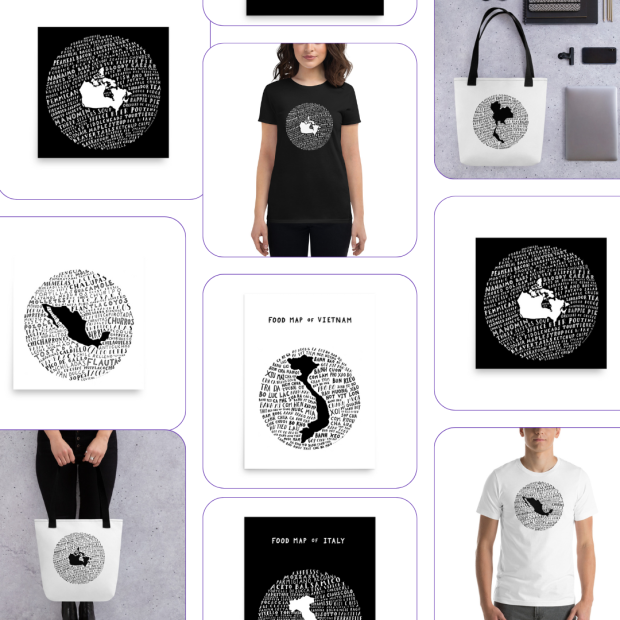
Even physical gifts are now being tied to experiences. Travel-themed card games, food maps, and translation cards are not just objects; they are facilitators of future experiences. This "anticipatory consumption" helps drive the travel and hospitality sectors by keeping global exploration at the forefront of the consumer’s mind.

Conclusion
The 2024 holiday season is defined by a sophisticated consumer who prizes functionality, accessibility, and ethical narrative. From the resurgence of 1930s-era pencils to the cutting edge of Tahitian pearl farming and adaptive footwear, the market is rewarding brands that solve specific problems while maintaining high aesthetic and ethical standards. As the lines between medical necessity and lifestyle luxury continue to blur, the resulting products are creating a more inclusive and sustainable retail environment for all.
