

The restaurant industry, a dynamic and ever-evolving sector, is at a critical juncture, demanding unprecedented levels of agility and operational rigor from its stakeholders. From the bustling kitchens of quick-service establishments to the refined dining rooms of table-service concepts, operators are engaged in a constant, high-stakes race to anticipate and meet burgeoning customer demands, navigate fluctuating inventory landscapes, and harness the transformative power of technology that is fundamentally reshaping their business models. However, the establishments consistently reaping the most significant rewards are those that demonstrate an unwavering commitment to flexibility, underpinned by a disciplined approach to core operational pillars: the speed of service, the unwavering quality of food, and meticulous profit and loss (P&L) management, with a particular emphasis on minimizing food waste. Among these critical areas, the dual focus on enhancing service speed and drastically reducing food waste has emerged as the most impactful differentiator.
Speed of Service: A Growth Lever Beyond Guest Expectation
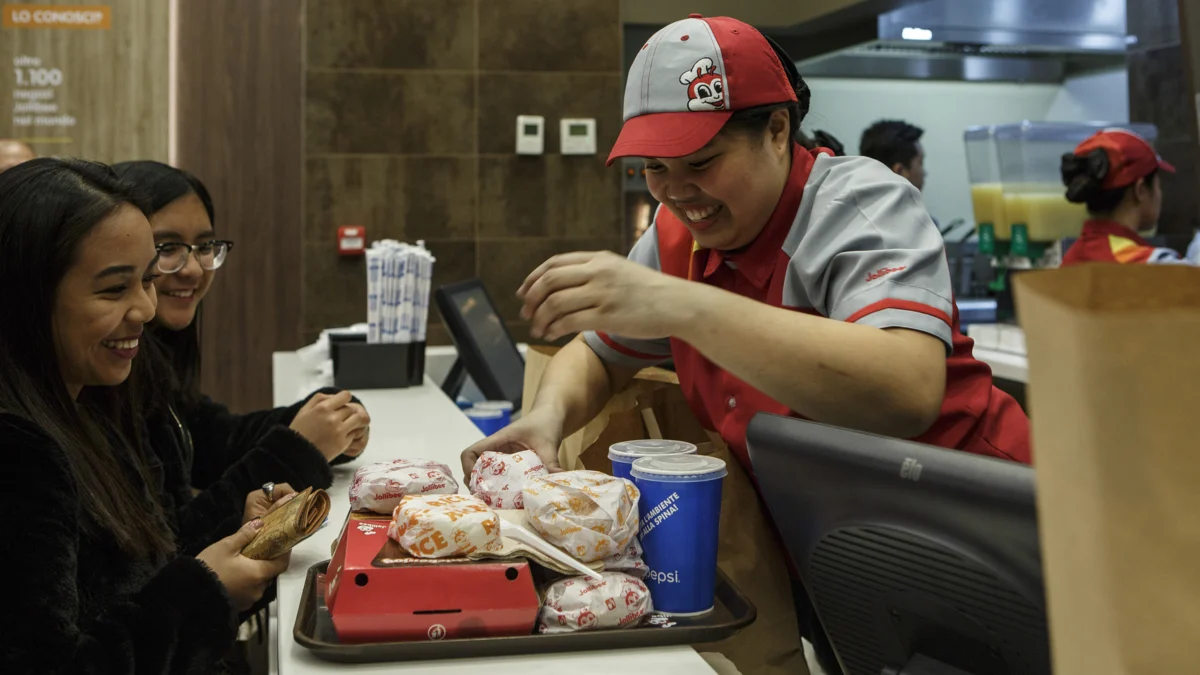
The operators who are excelling in today’s competitive environment are not merely attempting to expedite processes for the sake of being faster. Instead, they are strategically deploying next-generation handheld technologies to dramatically compress the time between a guest’s arrival and their first taste of a meal. Crucially, this technological integration is achieved without sacrificing the personal touch that defines exceptional hospitality. Evidence from numerous NCR Voyix clients highlights how these handheld devices enable servers to deliver orders to tables with remarkable efficiency, simultaneously freeing them from constant trips to static terminals. This liberation allows staff to dedicate more valuable time to genuine guest engagement, fostering stronger customer relationships. The core lesson emerging from these successful implementations is that speed and hospitality are not mutually exclusive; rather, the technology that streamlines operational friction often empowers staff to be more present and attentive to diners, enhancing rather than diminishing the guest experience.
The imperative for faster service is not a novel concept. Guests have long expressed a desire for swift dining experiences. What has fundamentally changed is the direct and quantifiable correlation between service speed and a restaurant’s financial health. For both quick-service and full-service brands, accelerated service translates directly into increased table turnover, maximizing throughput during peak operational hours. This efficiency allows restaurants to complete more transactions within the same physical footprint and with the same staffing levels, a critical advantage in an era characterized by persistent labor shortages and the heightened importance of every operational minute. In this challenging landscape, speed has solidified its position as one of the most reliable levers available to operators for driving increased sales volume without incurring additional labor costs.
Data from industry analyses consistently supports this trend. A recent report by the National Restaurant Association indicated that for quick-service restaurants, a reduction of just 30 seconds in average order fulfillment time can lead to a 1-2% increase in daily revenue. For full-service establishments, where table turnover is paramount, even marginal improvements in seating, ordering, and serving times can significantly boost revenue, especially during high-demand periods. This underscores the strategic imperative for operators to invest in technologies and processes that optimize service flow.
The Evolving Landscape of Food Waste Management
The conversation surrounding food waste within the restaurant industry has undergone a significant transformation. What was once a topic primarily focused on environmental awareness has now evolved into a critical margin conversation, with operators increasingly treating it with the financial gravity it deserves. The disposal of expiring inventory, whether due to poor forecasting or inefficient stock rotation, represents a direct and substantial hit to a restaurant’s P&L. This impact is exacerbated by the relentless pressures of food and labor inflation, which continue to squeeze profit margins across the sector.
The most forward-thinking operators are proactively addressing food waste at its source. This involves the implementation of sophisticated inventory management systems and more accurate demand forecasting models. Simple yet effective practices, such as meticulously tracking the rate at which cases of product are being depleted, can serve as early warning signals. These systems can automatically flag the need for reorders before a manager even identifies a potential stockout, or conversely, prevent a location from over-ordering items that are languishing on the shelves, risking spoilage.
The tangible impact of these technologies is vividly demonstrated in controlled environments, such as NCR Voyix’s customer experience centers. Consider a simple tray of donuts. By pairing standard camera technology with advanced computer vision AI and integrated software, operators can gain real-time insights into inventory levels. When a tray is nearing depletion or becomes empty, the software can automatically update the availability status across both in-store and online ordering platforms. Simultaneously, it can trigger an automated order to the kitchen to replenish the stock. Furthermore, if donuts are approaching the end of their optimal freshness, the software can intelligently initiate a price reduction, thereby facilitating their sale and preventing them from being discarded as waste. This proactive approach not only minimizes financial loss but also contributes to a more sustainable operational model.
Industry reports indicate that food waste can account for as much as 4-10% of gross food purchases for restaurants. Addressing this through smarter management can yield significant savings. For a restaurant with $1 million in annual food costs, a 5% reduction in waste could translate to $40,000-$50,000 in direct savings. This financial incentive, coupled with growing consumer awareness of sustainability, is driving a paradigm shift in how food waste is perceived and managed.
Embracing Flexibility at the Point of Order and Payment
While operational discipline remains a foundational priority, the restaurants that are truly thriving are those that exhibit a high degree of nimbleness and adaptability. The modern diner’s preferences are fluid; one day, they may desire a personal interaction with a server, while the next, they might opt for a completely contactless experience. The establishments that can seamlessly cater to both these divergent needs are poised for sustained success. The strategic deployment of self-service kiosks at the point of order and the integration of digital wallet solutions at the point of payment are key enablers of this flexibility. Every instance of friction removed from the ordering and payment process translates directly into faster throughput and an enhanced guest experience. These two factors, speed and guest satisfaction, are inextricably linked and mutually reinforcing in ways that are often underestimated.
The rise of digital ordering and payment methods has accelerated this trend. According to a recent study by Statista, mobile ordering and payment are projected to account for over 70% of all restaurant orders by 2025 in the United States. This shift necessitates that restaurants provide a seamless and intuitive digital experience, mirroring the efficiency and convenience offered by their physical operations.
The Unifying Thread: Operational Excellence and Strategic Agility
At their core, operational discipline and flexibility are not competing priorities but rather complementary forces marching toward a singular objective: to eliminate any element that impedes the guest’s dining journey, depletes the operator’s financial resources, or forces customers into choices they did not wish to make. As the industry navigates the closing stages of 2026 and looks ahead to 2027, the persistent challenges of tight staffing and thin margins remain prominent. In this environment, the nimble operators who are actively modernizing their operations and prioritizing operational discipline—beginning with the critical areas of service speed and food waste reduction—are the ones who will definitively distinguish themselves from the competition. Treating these operational imperatives not as optional enhancements but as fundamental pillars of business strategy is the hallmark of enduring success. The ability to integrate cutting-edge technology with a deep understanding of customer needs and operational realities will define the restaurant leaders of tomorrow.
The integration of advanced technologies, such as artificial intelligence in inventory management and predictive analytics for demand forecasting, is no longer a futuristic concept but a present-day necessity. These tools empower operators to move beyond reactive problem-solving and embrace proactive, data-driven decision-making. By analyzing vast datasets, restaurants can gain unprecedented insights into customer behavior, operational bottlenecks, and potential areas of inefficiency, allowing them to make informed adjustments that optimize both service and profitability. The ongoing evolution of the restaurant sector necessitates a continuous commitment to innovation, adaptability, and a relentless pursuit of operational excellence.
The author, Benny Tadele, Executive Vice President and President of Restaurants at NCR Voyix, brings a wealth of experience in guiding businesses through digital transformations. His expertise in transitioning traditional models to Software as a Service (SaaS) and platform-based solutions is particularly relevant to the challenges and opportunities facing the restaurant industry today. NCR Voyix, as a platform-powered leader in unified commerce, is at the forefront of providing the technological infrastructure and strategic guidance that enable restaurants to achieve the operational agility and discipline discussed in this analysis. Their focus on integrating various aspects of the restaurant ecosystem—from point-of-sale systems to back-of-house operations and customer engagement tools—allows for a holistic approach to optimizing performance and enhancing the overall dining experience. The company’s commitment to developing and deploying innovative solutions directly addresses the critical needs of the industry, empowering restaurant operators to not only survive but thrive in an increasingly complex and competitive marketplace. The insights provided by Tadele reflect a deep understanding of the industry’s pain points and a clear vision for how technology and strategic operational focus can pave the way for sustained growth and profitability.
