

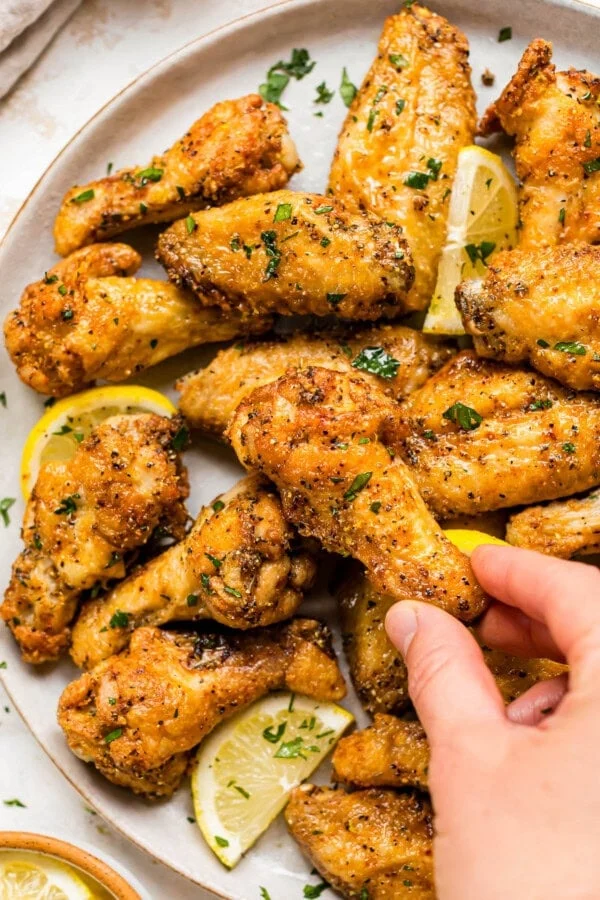
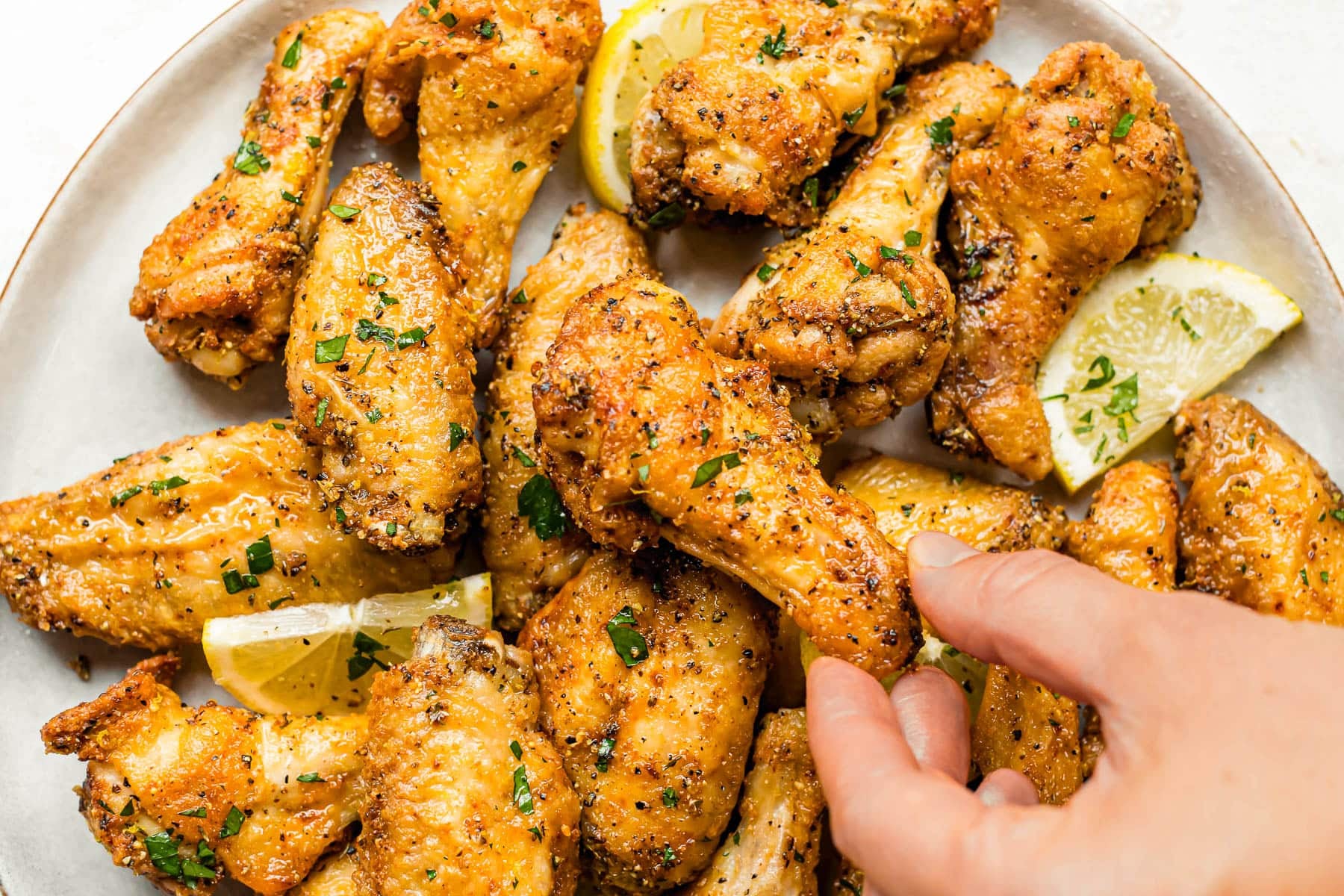
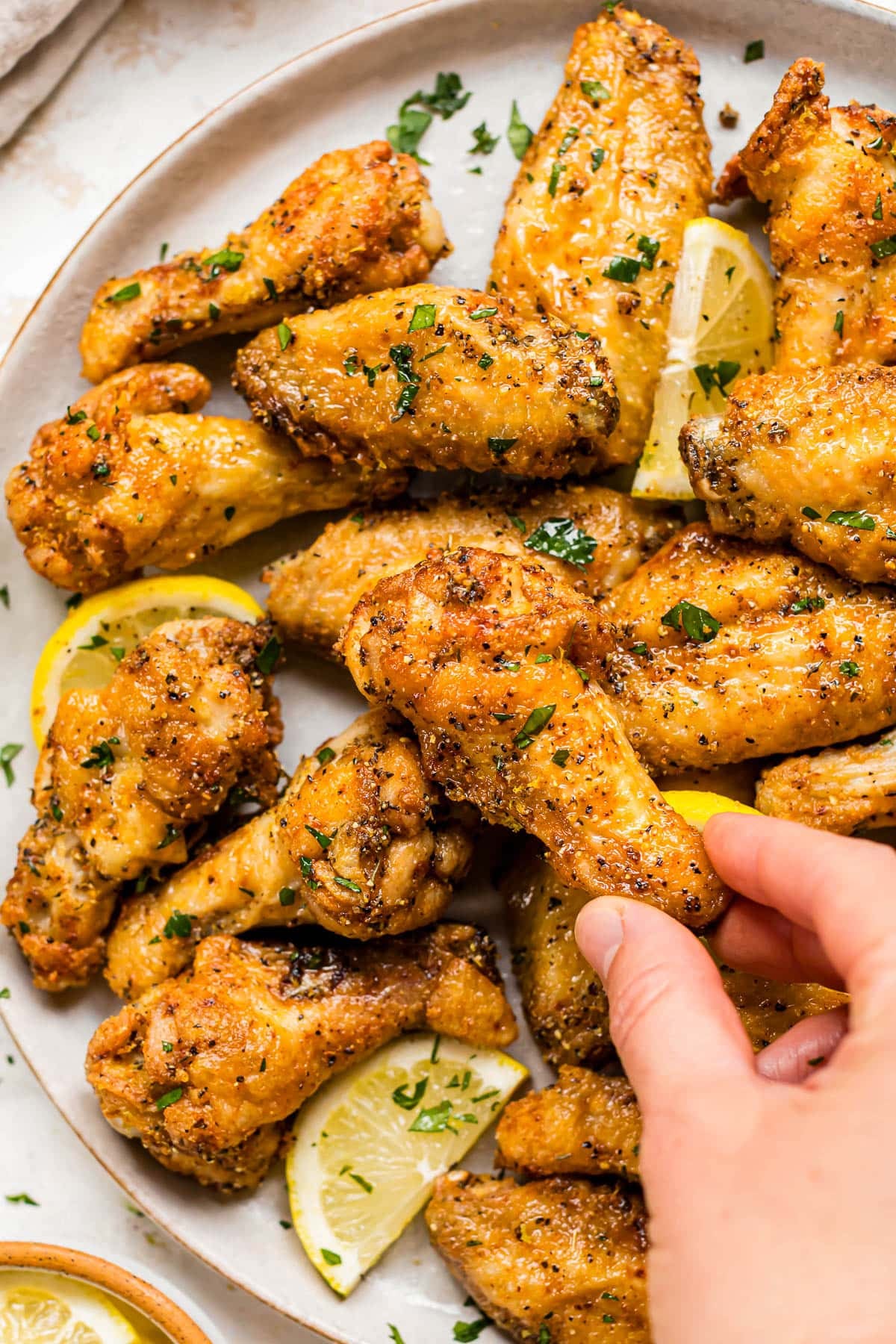
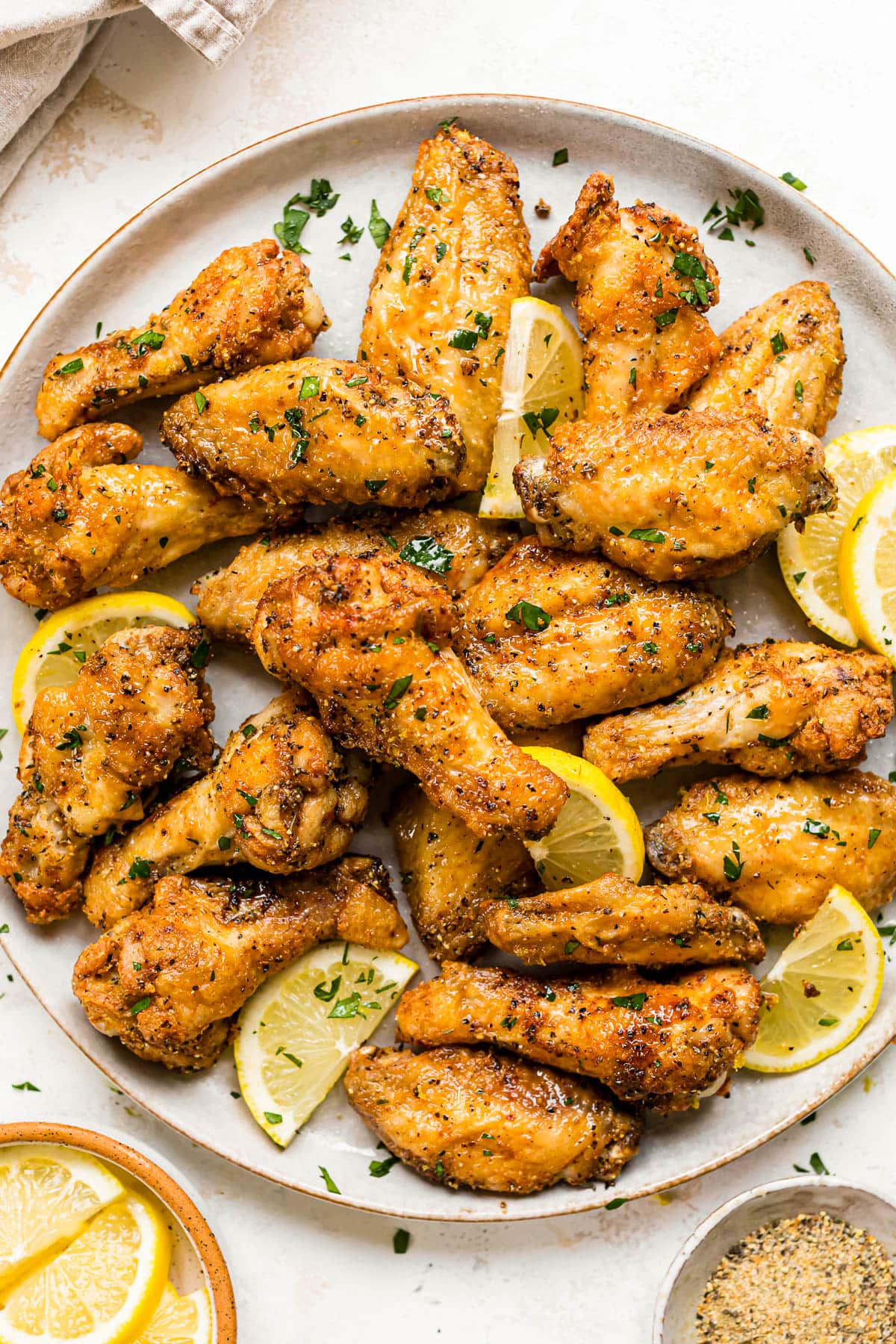
The culinary landscape continues to evolve, with discerning home cooks increasingly seeking preparations that balance robust flavor with healthier cooking methods. In this context, the emergence of crispy Air Fryer Lemon Pepper Wings represents a significant development, offering a vibrant, zesty alternative to traditional deep-fried options while leveraging the efficiency of modern kitchen technology. These wings, seasoned with a bright blend of lemon pepper and garlic, and finished with fresh lemon zest and parsley, deliver a restaurant-quality experience without the caloric density often associated with their deep-fried counterparts.
The Air Fryer Phenomenon: A Paradigm Shift in Home Cooking
The method of preparation is central to the appeal of these lemon pepper wings. The air fryer, a kitchen appliance that simulates deep-frying by circulating hot air, has revolutionized how many households approach fried foods. Its ascent to prominence, particularly in the last decade, is not merely a fad but a reflection of changing consumer priorities. Initial models began appearing in the early 2010s, but it was from 2015 onwards, and significantly amplified during the global pandemic when home cooking surged, that air fryers became a staple in kitchens worldwide. Industry reports indicate that air fryer ownership in the United States alone has surpassed 50% of households, demonstrating its widespread adoption.
The fundamental advantage of air frying lies in its ability to achieve a remarkably crispy exterior through the Maillard reaction – the chemical reaction between amino acids and reducing sugars that gives browned food its distinctive flavor and texture – with significantly less oil than traditional deep-frying. This process renders the chicken skin beautifully golden and delightfully crisp, creating a textural experience often equated with, or even preferred over, conventionally fried wings. For the Lemon Pepper Wings, this means the seasoning adheres perfectly, and the chicken remains juicy inside, a hallmark of well-prepared poultry.
The Enduring Allure of Chicken Wings: A Culinary Staple Reimagined
Chicken wings have long held a coveted spot in global cuisine, evolving from a humble, often discarded, cut of chicken into a beloved appetizer and casual meal. Originating notably in Buffalo, New York, in the mid-20th century, the dish quickly gained popularity for its versatility and satisfying flavor. Whether coated in spicy Buffalo sauce, tangy barbecue, or a dry rub, wings have cemented their status as a go-to for game days, parties, and relaxed gatherings.
However, the traditional deep-fried preparation, while delicious, often comes with a higher fat and calorie count, prompting health-conscious consumers to seek lighter alternatives. The Air Fryer Lemon Pepper Wing recipe directly addresses this demand, maintaining the intrinsic appeal of crispy chicken wings while aligning with contemporary dietary preferences. This innovation reflects a broader trend in the food industry to adapt classic dishes to modern health standards without compromising on taste or texture.
Lemon Pepper: A Flavor Profile Defined by Brightness and Zest

The flavor profile of these wings is meticulously crafted to deliver a vibrant and refreshing experience. Lemon pepper seasoning, a blend typically comprising granulated lemon zest, black pepper, garlic powder, onion powder, and salt, provides a pungent, savory, and distinctly citrusy note. This combination is particularly effective on poultry, as the lemon’s acidity tenderizes the meat while its zest imparts a clean, aromatic freshness.
In this specific recipe, the addition of fresh lemon zest and chopped parsley at the end amplifies the brightness, transforming a standard seasoning into a gourmet flourish. This layering of fresh and dried citrus notes, coupled with the sharp warmth of black pepper and garlic, creates a complex yet harmonious flavor that stands out from heavier, sauce-laden wing preparations. Culinary experts often highlight the growing consumer preference for "cleaner" and "fresher" flavor profiles, and lemon pepper wings perfectly embody this trend, offering big flavor without the heaviness. The balance achieved in these wings—crispy skin, juicy meat, and a burst of zesty flavor—is a testament to thoughtful recipe development.
The Skinnytaste Approach: Health-Conscious Culinary Excellence

This particular recipe hails from Skinnytaste.com, a prominent online culinary platform founded by Gina Homolka, dedicated to providing healthier, flavorful recipes. Skinnytaste has built a reputation for expertly re-engineering popular dishes to reduce calories and fat without sacrificing taste. The Air Fryer Lemon Pepper Wings exemplify this philosophy. By utilizing the air fryer, the recipe significantly reduces the need for oil, thereby cutting down on unhealthy fats.
Nutritional analysis of the Air Fryer Lemon Pepper Wings reveals a notable improvement over traditional deep-fried versions. Each serving of five wings, according to the provided data, contains approximately 344 kcal, 1g carbohydrate, 30g protein, and 24g fat (with 8g saturated fat), along with 195mg cholesterol and 565.5mg sodium. For comparison, a typical serving of five deep-fried, sauced chicken wings from a restaurant can often exceed 500-700 calories and significantly higher fat content, depending on the preparation. This makes the air-fried version a compelling choice for individuals monitoring their caloric intake or seeking a more balanced diet.
A key endorsement of the recipe’s success comes directly from the source, with Gina Homolka recounting her daughter Madison’s reaction: "She said they taste better than Wing Stop." This anecdotal evidence, while informal, underscores the recipe’s ability to achieve a highly desirable, restaurant-quality taste in a home-cooked, healthier format, directly addressing a common concern among home cooks who often feel they must compromise on flavor for health benefits. This testament highlights the recipe developer’s commitment to culinary excellence within a health-conscious framework.

Crafting Culinary Excellence: The Methodical Precision of Preparation
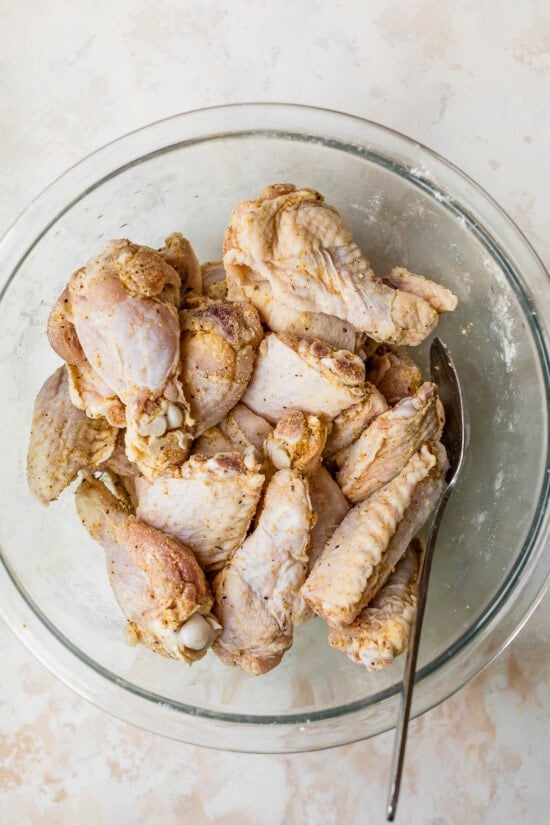
Achieving the perfect crispy air-fried wing requires attention to detail, a process meticulously outlined in the recipe. The initial preparation involves thoroughly patting the chicken wings dry. This crucial step eliminates excess moisture, which is the primary antagonist to crispiness. Moisture on the skin creates steam, preventing the direct heat from interacting with the surface and inhibiting the Maillard reaction, thus resulting in a less-than-crisp texture.
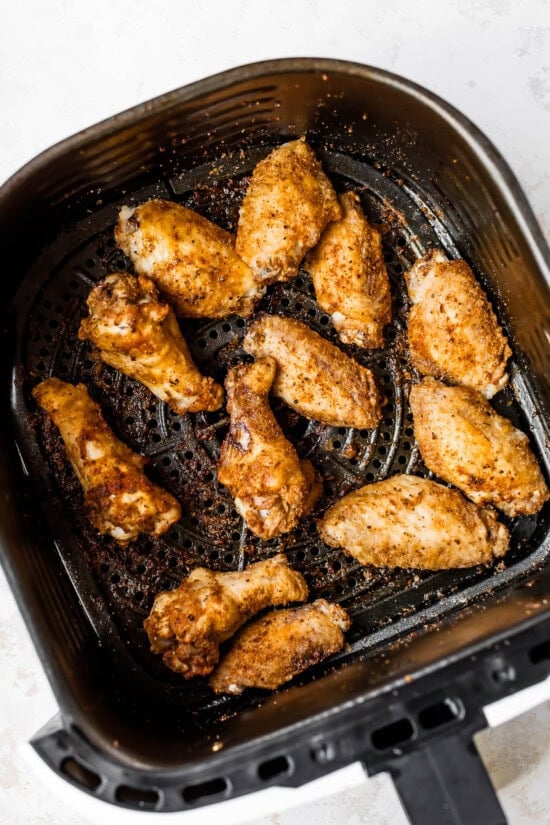
Following this, the wings are seasoned with lemon pepper and garlic. The seasoning is applied directly to the dry skin, ensuring maximum adherence and flavor penetration. The air frying process then involves arranging the wings in a single layer within the air fryer basket to allow for optimal hot air circulation around each piece. Overcrowding the basket is a common pitfall that can lead to steaming rather than frying, compromising crispiness. The wings are cooked at a specific temperature (often around 375-400°F or 190-200°C) and flipped midway through to ensure even cooking and browning on all sides. The total cooking time, typically around 20-25 minutes, is carefully calibrated to render the fat, crisp the skin, and cook the chicken through to a safe internal temperature of 165°F (74°C).
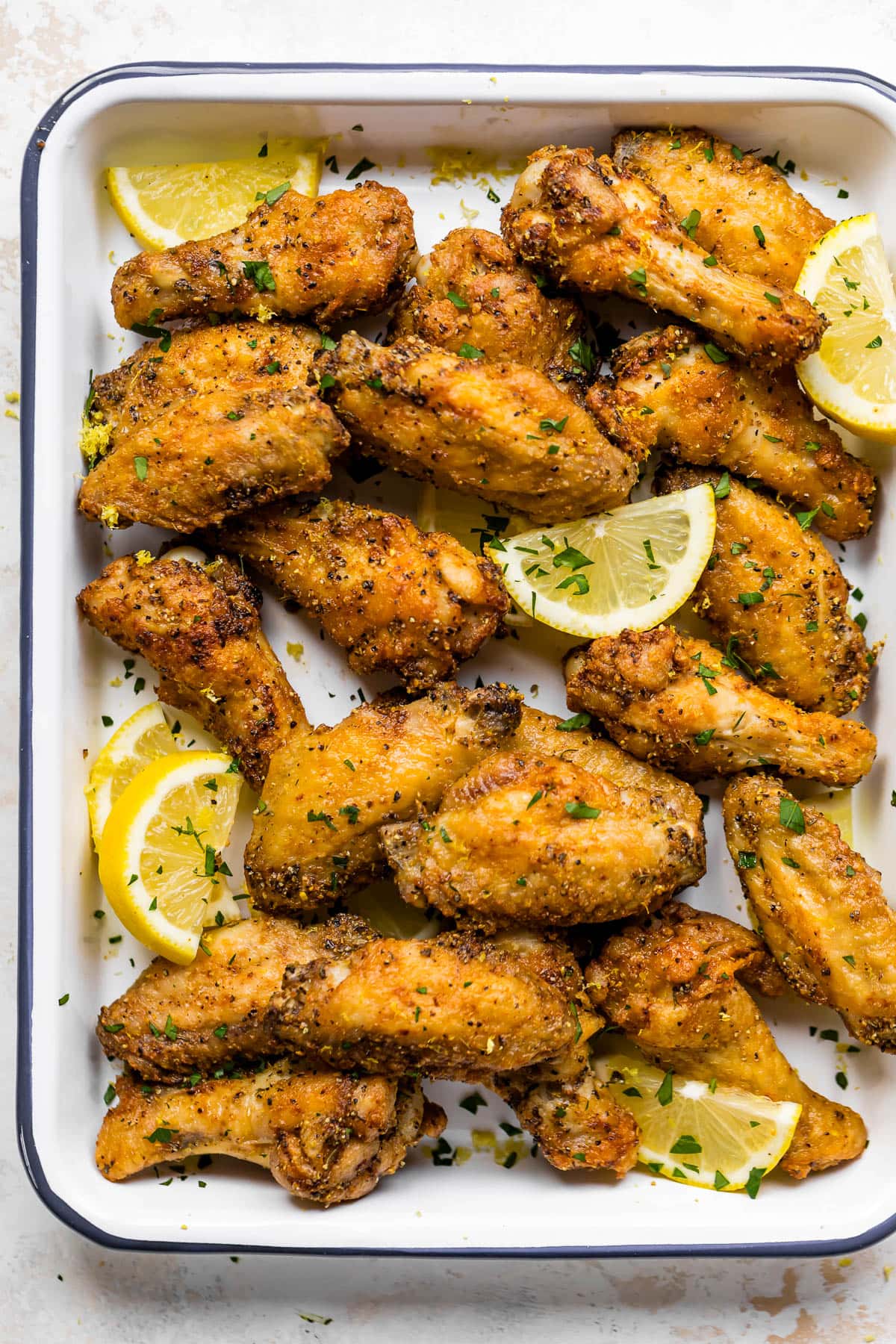
The final flourish involves tossing the hot, crispy wings with melted butter, fresh lemon zest, and fresh parsley. This step is strategic; the melted butter acts as a vehicle to help the fresh zest and parsley adhere, while also adding a subtle richness. The heat from the wings gently warms the butter and releases the aromatics of the fresh lemon and parsley, creating an immediate sensory burst of freshness upon serving. This multi-layered approach to flavor and texture is what elevates these wings from simple home cooking to a dish worthy of celebratory occasions.
Practicality and Versatility: Serving Suggestions and Storage
The versatility of these Air Fryer Lemon Pepper Wings makes them suitable for a myriad of dining scenarios. As a party appetizer, they shine, often served alongside classic accompaniments such as celery and carrot sticks, offering a lighter option for guests. For a more substantial meal, they pair exceptionally well with a range of side dishes. Options like roasted broccoli or a crisp green salad provide a refreshing counterpoint to the rich chicken, contributing to a balanced meal. Other popular choices include creamy coleslaw, hearty potato wedges, or, staying true to the appliance’s capabilities, air fryer French fries.
For larger gatherings, particularly game-day spreads, these wings integrate seamlessly with other popular dishes. They offer a flavorful contrast to more traditional options like Buffalo Wings, and can be complemented by a variety of finger foods such as deviled eggs, baked sweet potato skins, or hot spinach and artichoke dip, creating a diverse and satisfying spread for entertaining.
Furthermore, the practical aspects of storage and reheating add to their appeal for busy households. Leftover wings can be stored in an airtight container in the refrigerator for up to three to four days. Reheating them in the air fryer at 350°F (175°C) for 5-7 minutes restores their crispiness without drying them out, making them an excellent option for meal prepping or quick subsequent meals. This convenience factor is a significant draw for modern consumers who value efficiency and waste reduction.
Addressing Common Queries: Expert Tips for Home Cooks
The article also provides valuable insights addressing common questions from home cooks, further enhancing its utility. For those without an air fryer, the recipe offers an oven-baked alternative: seasoned wings arranged on a rack over a baking sheet, baked at 425°F (218°C) for approximately 45 minutes, with a mid-bake flip, before being tossed with the lemon-pepper butter. While the air fryer is lauded for superior crispiness, this alternative ensures accessibility.
The use of frozen chicken wings is another common query. For optimal crispiness, it is advised to thaw wings completely and pat them thoroughly dry. Excess moisture from frozen wings not only hinders crisping but also makes it difficult for the seasoning to adhere properly. Lastly, ensuring chicken wings are fully cooked is paramount for food safety. The recommended internal temperature of 165°F (74°C), checked near the bone with a meat thermometer, alongside visual cues of browning and crispiness, serves as the definitive guide.
Broader Culinary Implications: The Future of Home Cooking
The popularity of recipes like the Air Fryer Lemon Pepper Wings reflects several overarching trends in the culinary world. Firstly, it underscores the profound impact of innovative kitchen appliances in democratizing sophisticated cooking techniques. Air fryers empower home cooks to achieve results previously only attainable through deep-frying, but with a healthier profile, thus expanding their culinary repertoire.
Secondly, it highlights the sustained consumer demand for health-conscious yet uncompromisingly flavorful food. This recipe demonstrates that "healthy" does not equate to "bland," but rather encourages creative approaches to classic dishes. This trend is likely to continue driving innovation in both recipe development and food product offerings.
Finally, the role of digital platforms, such as Skinnytaste.com, in disseminating culinary knowledge and trends cannot be overstated. These platforms serve as vital resources for home cooks seeking reliable, tested recipes that align with their lifestyle and dietary goals. The detailed instructions, nutritional information, and practical tips provided ensure that even novice cooks can achieve successful and satisfying results. As consumers increasingly prioritize convenience, health, and taste, recipes like these Air Fryer Lemon Pepper Wings will continue to shape the future of home cooking, proving that delicious and nutritious meals are well within reach.
