

The State of California is significantly intensifying its regulatory scrutiny of franchise businesses, with a recent pronouncement from the Department of Financial Protection and Innovation (DFPI) signaling a robust effort to safeguard franchisees from potentially exploitative contract terms. This proactive stance, which has seen a marked increase in enforcement actions over recent months, stems from a comprehensive review of franchise agreements across various states. The DFPI’s findings indicate a widespread prevalence of contract clauses that contravene California’s consumer protection laws, particularly those enacted in 2022 to curb deceptive business practices within the franchise sector.
The DFPI’s guidance specifically targets several common provisions within franchise agreements that are now under the microscope. Chief among these are what the agency terms "backdoor fees." These are described as arrangements where franchisors allegedly circumvent their reporting obligations for all fees by mandating that franchisees utilize specific services or vendors. The critical element here is that these mandated services are often priced at inflated rates, with the franchisor subsequently receiving rebates or kickbacks, effectively pocketing additional revenue without transparent disclosure to the franchisee. This practice, according to the DFPI, represents a subtle yet significant form of fee concealment that disadvantages the franchise owner.
Another area of significant concern for the DFPI is the inclusion of non-disparagement clauses, which the agency has unequivocally labeled as "gag orders." These clauses are typically designed to prevent franchisees from publicly criticizing or undermining the franchisor or the brand. While franchisors argue these provisions are necessary to protect brand reputation, the DFPI aligns with the stance of the U.S. Federal Trade Commission (FTC), which has previously stated that such clauses cannot be utilized to silence franchisees from reporting legitimate wrongdoing to government authorities. The DFPI’s position underscores a commitment to ensuring that franchisees have the freedom to report illegal or unethical activities without fear of contractual reprisal.
Furthermore, the DFPI has made it unequivocally clear that noncompete clauses are not permissible within franchise contracts in California. This ruling has broad implications for franchisors who have historically relied on such clauses to restrict former franchisees from opening competing businesses in the vicinity or within a certain timeframe after the franchise agreement terminates. The agency’s assertion that these clauses are illegal, even in the context of a franchise relationship, represents a significant shift and a strong protective measure for individuals seeking to enter the franchise market.
A Proactive Stance Amidst Shifting Federal Enforcement
The DFPI’s intensified enforcement of franchise business regulations is not occurring in a vacuum. The agency explicitly cited the context of "federal regulators continuing to roll back enforcement of franchise protections" as a key driver for California’s more assertive approach. This suggests a deliberate strategy by the state to fill a perceived void in federal oversight, ensuring that businesses operating within its borders adhere to stringent standards of fairness and transparency. This divergence in regulatory focus between the state and federal level highlights California’s commitment to acting as a bulwark for franchisee rights.
Key Provisions Under Scrutiny and Their Implications
The DFPI’s recent guidance has illuminated several problematic clauses commonly found in franchise agreements:
- "Backdoor Fees" (Rebate Schemes): This practice involves franchisors steering franchisees towards specific vendors or services, often at inflated prices. The franchisor then receives undisclosed rebates or kickbacks from these vendors. This practice can significantly increase the operational costs for franchisees, impacting their profitability without their full knowledge or consent. The DFPI’s focus on these hidden fees aims to ensure that all costs associated with operating a franchise are transparently disclosed.
- Non-Disparagement Clauses ("Gag Orders"): These clauses prevent franchisees from making negative public statements about the franchisor, its products, or its business practices. While intended to protect brand image, the DFPI views them as a mechanism to silence legitimate complaints and prevent the reporting of misconduct. The agency’s stance aligns with federal guidelines that permit franchisees to report violations to authorities.
- Noncompete Clauses: The DFPI has declared these clauses to be illegal in California franchise agreements. These clauses restrict former franchisees from operating similar businesses in a defined geographic area for a specified period after the termination of their franchise agreement. Their prohibition aims to foster greater entrepreneurial freedom and reduce barriers to entry for individuals seeking to re-enter the business landscape.
Official Statements and Commitment to Fairness
The DFPI’s commitment to this enhanced regulatory posture was articulated by DFPI Commissioner KC Mohseni. In a public statement, Mohseni emphasized, "California is committed to protecting small business owners and ensuring that franchise buyers receive fair, transparent, and lawful agreements." He further elaborated on the significant financial investment entrepreneurs make when purchasing a franchise, stating, "They deserve honest information and contracts that comply with the law, not coercive clauses, hidden fees, or misleading statements about potential income." This statement underscores the state’s intent to foster an equitable franchise ecosystem where entrepreneurs are empowered with accurate information and protected from unfair practices.
Enforcement Actions: A Clear Warning to Franchisors
The DFPI has not shied away from taking concrete enforcement actions to underscore its regulatory agenda. The agency highlighted recent enforcement actions against two prominent restaurant franchises as illustrative examples of its intensified scrutiny:
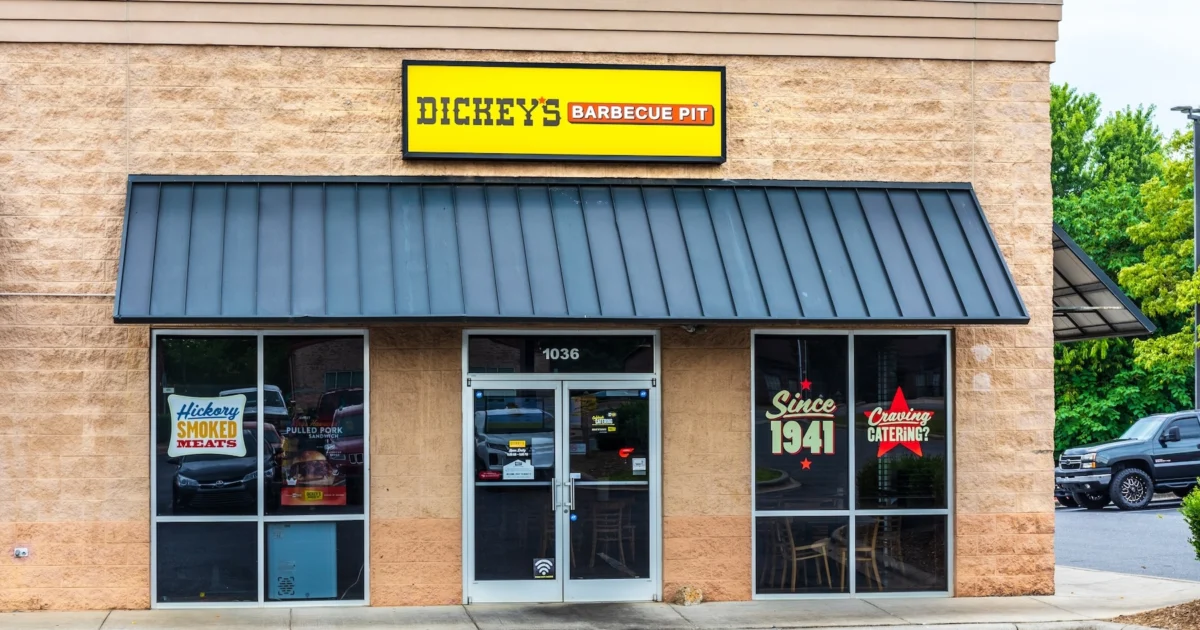
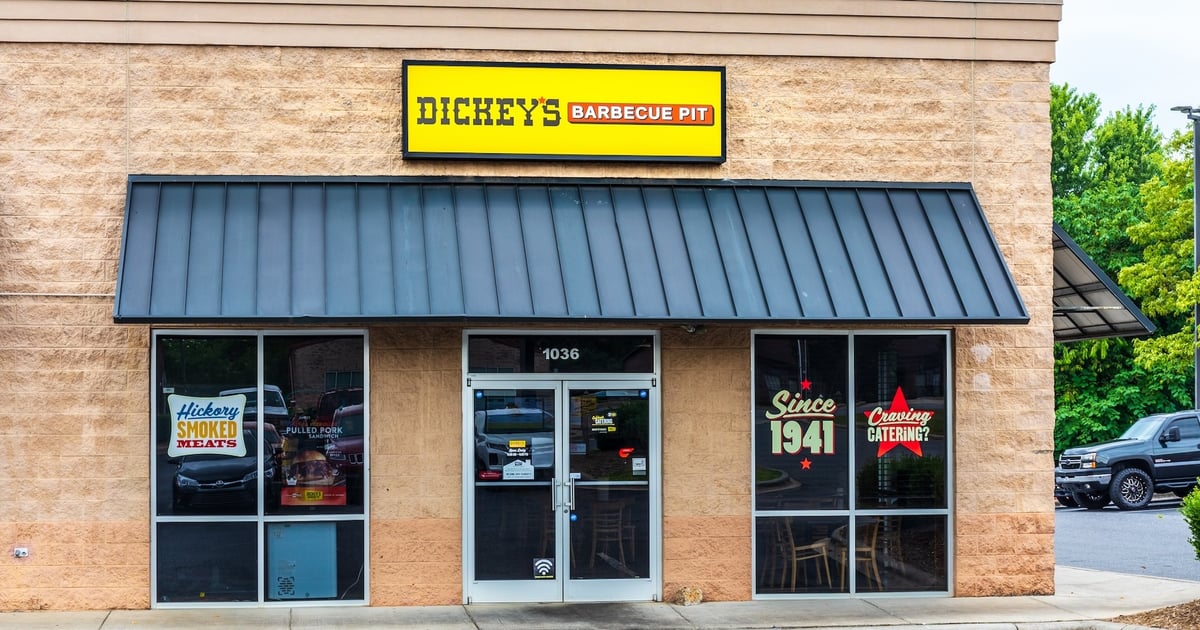
- Dickey’s Barbecue Pit: The barbecue chain faced fines for allegedly concealing the number of its locations that had closed. This action signals the DFPI’s intent to hold franchisors accountable for misrepresenting the success or viability of their franchise systems, which can be crucial information for prospective franchisees.
- Kickin’ Crab: This franchise was cited for engaging in unregulated franchise sales. This indicates a focus on ensuring that franchisors comply with all necessary registration and disclosure requirements before offering franchises for sale in California.
These enforcement actions serve as a clear warning to franchisors operating in or seeking to enter the California market. The DFPI has made it clear that including non-compliant clauses in franchise agreements can lead to significant penalties, including the potential blocking of companies from selling franchises within the state. This provides a powerful incentive for franchisors to review and revise their agreements to ensure full compliance with California law.
Background and Broader Implications
The franchise model, while offering a proven business structure and brand recognition, inherently involves a power dynamic between franchisors and franchisees. Franchisors provide the established brand, operational systems, and marketing support, while franchisees invest capital and labor to operate individual units. Historically, franchise agreements have often been drafted by franchisors, leading to concerns about one-sided terms that may favor the franchisor at the expense of the franchisee.
California’s move to tighten franchise regulations is part of a broader trend of states seeking to enhance protections for small businesses and independent contractors. The state has been at the forefront of labor law reform, and its approach to franchising reflects a similar philosophy of prioritizing worker and business owner protections.
The implications of California’s strengthened enforcement are far-reaching:
- Increased Compliance Costs for Franchisors: Franchisors will likely incur additional legal and administrative costs to review, revise, and ensure compliance of their franchise agreements with California’s stricter standards. This may involve significant legal counsel and operational adjustments.
- Potential for a More Equitable Franchise Market: By curbing deceptive practices and hidden fees, California’s actions could lead to a more transparent and fair franchise market, encouraging more individuals to pursue franchise ownership with greater confidence.
- Impact on National Franchise Practices: Given California’s large market size and its influence on national business practices, other states and franchisors nationwide may feel compelled to review and potentially adopt similar protections to ensure consistency and avoid fragmentation in their franchise operations.
- Shift in Bargaining Power: The DFPI’s assertive stance could lead to a subtle shift in the bargaining power between franchisors and prospective franchisees, potentially leading to more mutually beneficial agreements.
The DFPI’s recent pronouncements and actions signal a significant escalation in California’s commitment to regulating the franchise industry. By focusing on transparency, fairness, and the elimination of deceptive practices, the state aims to foster a more robust and equitable environment for entrepreneurs who invest in franchise opportunities, thereby contributing to the overall health of its business economy. The coming months will likely see further developments as franchisors adapt to these new regulations and the DFPI continues its enforcement efforts.
