

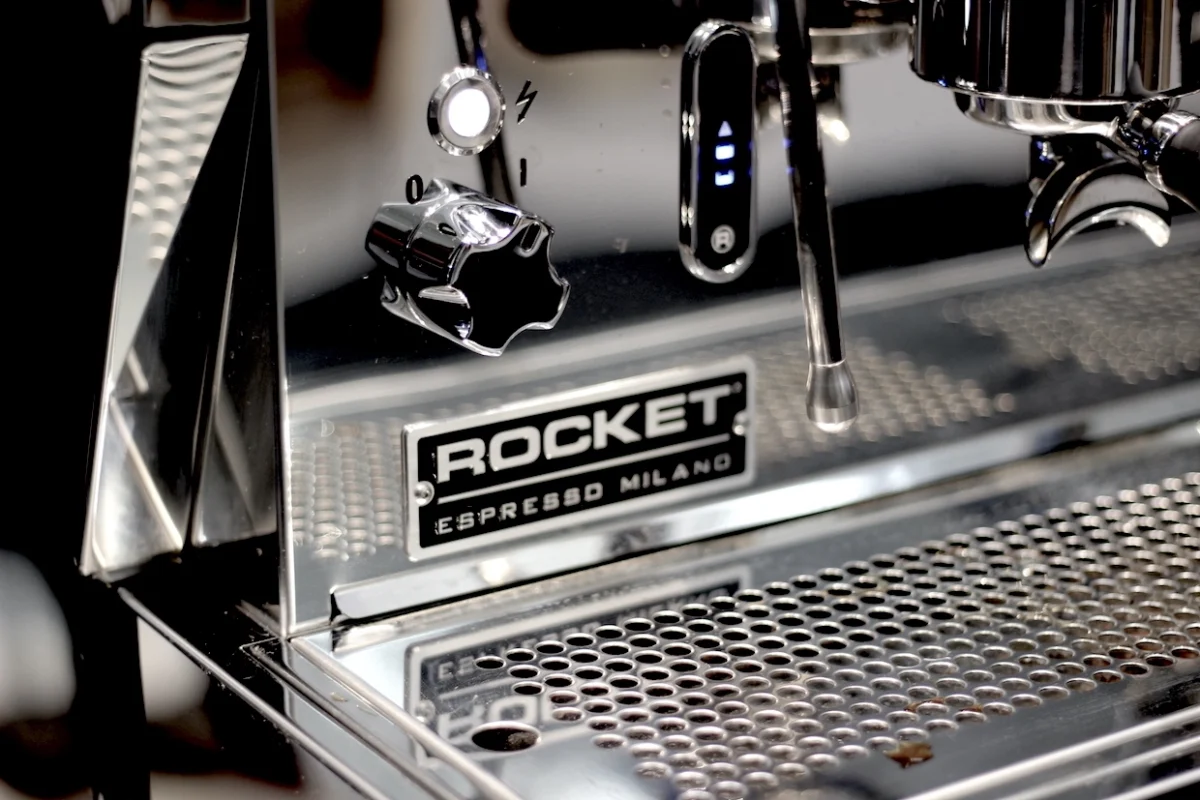
Italian espresso machine manufacturer Rocket Espresso has launched an innovative modular retail concept within Chronic Coffee Roasters in Geneva, Switzerland, a move that signals a new direction in point-of-sale design for the premium coffee equipment brand. Simultaneously, the broader coffee industry is grappling with serious allegations of labor abuse against the Brazilian cooperative Cooabriel, highlighting ongoing ethical challenges within global coffee supply chains. These developments, alongside other industry news, paint a dynamic picture of innovation, legal scrutiny, and evolving business practices in the coffee sector.
Rocket Espresso Pioneers Adaptable Retail Design
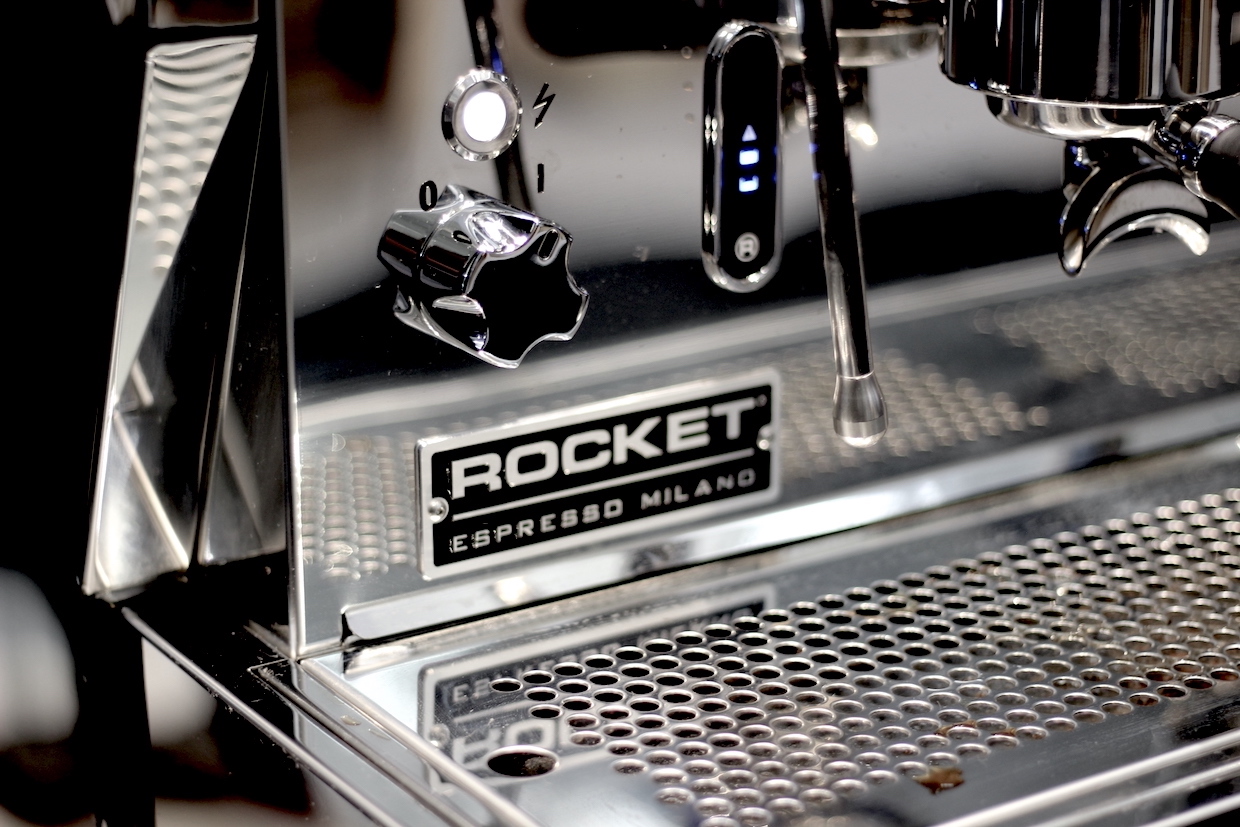
Rocket Espresso, renowned for its meticulously crafted espresso machines, has partnered with multidisciplinary design studio OPS Team to introduce a groundbreaking retail space at Chronic Coffee Roasters, located at Rue Argand 2 in Geneva. This new concept is characterized by its sophisticated matte black aesthetic, complemented by a mobile demonstration table and a sleek metal display grid system. The core innovation lies in the modularity of the fixtures, engineered to be highly adaptable to a variety of store sizes and spatial configurations.
This strategic approach allows for a flexible and dynamic retail environment, enabling partners like Chronic Coffee Roasters to optimize their showroom space based on current needs and inventory. The design prioritizes functionality and visual appeal, showcasing Rocket Espresso machines in a premium setting that aligns with the brand’s high-end positioning. The introduction of such a concept suggests Rocket Espresso’s commitment to enhancing the customer experience at the retail level, moving beyond just equipment manufacturing to offer comprehensive showroom solutions. The ability for these fixtures to be reconfigured or scaled suggests potential for widespread adoption across different retail partners and geographical locations, potentially standardizing the presentation of Rocket Espresso products globally.
Cooabriel Faces Scrutiny Over Allegations of Labor Abuses
In stark contrast to the innovative retail developments, the Brazilian coffee cooperative Cooabriel finds itself at the center of a significant legal challenge concerning alleged labor abuses on its member farms. A hearing on November 16 addressed accusations that the cooperative failed to adequately prevent exploitative labor practices. Prosecutors have indicated that a preliminary order issued in October mandates enhanced monitoring mechanisms and stricter protocols for excluding coffee produced under conditions resembling slavery.
Cooabriel, in a public statement, asserted its commitment to compliance, stating that it regularly consults Brazil’s labor violations registry and suspends any members found on it. However, the gravity of the allegations has prompted scrutiny from major industry players. Nestlé, a significant buyer of coffee from the cooperative, confirmed its procurement relationship but clarified to Reuters that the specific growers implicated in the labor abuse case are not part of its direct supply chain. This distinction is crucial as it highlights the complex web of sourcing and the challenges in ensuring ethical practices at every level of production, especially within large cooperative structures. The case underscores the increasing focus on supply chain transparency and ethical sourcing, with regulatory bodies and consumer advocacy groups demanding greater accountability from coffee producers and buyers alike. The potential implications for Cooabriel are substantial, ranging from reputational damage to significant financial and operational repercussions if found liable.
Black Rock Coffee Bar Navigates Securities Litigation Following IPO
Black Rock Coffee Bar has disclosed an amended complaint filed on November 2 in a proposed securities class action lawsuit. The legal proceedings, taking place in the Southern District of New York, stem from the company’s initial public offering (IPO) in 2025. According to the company’s latest quarterly filing with the Securities and Exchange Commission (SEC), the amended complaint alleges misleading statements concerning key business metrics. Specifically, the lawsuit targets representations made about the company’s store growth trajectory, construction costs associated with new locations, overall sales performance, and the impact of new store openings on the performance of existing establishments.
Black Rock Coffee Bar has publicly stated its intention to vigorously defend against these allegations. This legal challenge follows a period of significant expansion for the coffee chain, which has been actively pursuing a growth strategy. Securities class actions are not uncommon for companies undergoing the transition to public markets, especially those with aggressive expansion plans. The outcome of this lawsuit could have implications for investor confidence and the company’s future capital-raising efforts. The core of the allegations revolves around the accuracy of disclosures made during the IPO process, a critical juncture for any publicly traded company. Investors often rely heavily on the information provided in prospectuses and subsequent filings to make investment decisions.
Scott Snyder Departs Bad Ass Coffee of Hawaii, Ceding Ownership
Scott Snyder has announced his departure from day-to-day leadership at Bad Ass Coffee of Hawaii and the sale of his ownership stake in the company. The announcement, made via a LinkedIn post on November 17, marks the culmination of a planned and mutually agreed-upon transition, with the change in leadership becoming effective on October 15. Snyder’s exit comes after he co-founded Royal Aloha Coffee Company with investors in 2019 to acquire the assets of the Hawaiian coffee brand.
This transition follows a series of strategic moves by Bad Ass Coffee of Hawaii, including its headquarters relocation to Kentucky and the promotion of Tom Wylie to the position of president. The sale of Snyder’s ownership interest to the company’s largest investor suggests a consolidation of control and potentially a new strategic direction for the brand. The company’s recent operational shifts, such as the headquarters move, indicate a broader effort to streamline operations and enhance scalability. Snyder’s departure signifies the end of an era for the brand under his leadership, paving the way for new management to steer its future growth.
San Antonio’s Folklores Coffee House Rebrands as Por La Vida Coffee Post-Ownership Change
Folklores Coffee House, a well-regarded establishment in San Antonio, is undergoing a significant transformation, rebranding as Por La Vida Coffee following a recent change in ownership. The news of the sale and subsequent rebranding was reported by CultureMap San Antonio. Nikki Martinez has acquired the Government Hill cafe, taking the reins after co-founder Emilie Herrera announced the sale on November 5.
The transition has been met with internal challenges, as reports indicate that employees resigned upon learning about the ownership change through social media channels. This situation highlights the sensitive nature of ownership transitions in small businesses and the importance of transparent communication with staff. The rebranding to Por La Vida Coffee signifies a new chapter for the cafe, potentially introducing fresh concepts and operational strategies under Martinez’s leadership. The new ownership aims to build upon the existing foundation while imbuing the establishment with its own vision and identity. The swift resignation of employees underscores the strong community and personal connections often forged within local coffee shops, and the disruption that significant changes can cause.
The Coffee Class Initiates Third Crowdfunding Campaign for Expansion
The Las Vegas-based hospitality group, The Coffee Class, has launched its third crowdfunding round, offering common stock through the platform StartEngine. This initiative aims to secure capital for further expansion and development of its multi-brand portfolio. The company’s filing with the SEC outlines a minimum fundraising target of approximately $20,000, with a maximum goal of approximately $618,000, and the campaign is set to conclude on January 26, 2027.
Founded by Kyle Cunningham in 2019, The Coffee Class has experienced substantial growth, now operating seven cafes and a cocktail bar across the Las Vegas metropolitan area. The group’s diverse brand portfolio includes The Coffee Class, Almond & Oat, Horizon Shine Coffee Co., and Terminal 4 Bar. This crowdfunding strategy allows for broader investor participation, potentially fostering a loyal customer base that also has a vested interest in the company’s success. The success of previous crowdfunding rounds indicates a strong investor appetite for the company’s growth narrative and its diversified approach to the hospitality sector. The capital raised will likely fuel the opening of new locations, the development of new brands, and enhancements to existing operations.
Bellator Roasting Company Seeks Community Support After Fire
Bellator Roasting Company, a New Bern, North Carolina-based coffee roaster, has temporarily closed its doors following a fire that damaged its coffee roaster on November 17. The incident has led to an indefinite suspension of operations, with the extent of the damage currently under review. In response to the setback, a GoFundMe campaign has been launched to support the business’s recovery.
The campaign has set a fundraising goal of $15,000, intended to cover potential equipment repairs or replacement, cleanup costs, and other essential recovery expenses. The fire represents a significant operational disruption for the local roaster, impacting its production capabilities and potentially its ability to fulfill orders. The community’s response through the GoFundMe campaign highlights the local support for Bellator Roasting Company and the desire to see it rebound from this unfortunate incident. The ability to resume operations will depend on the assessment of the damage and the success of their fundraising efforts.
Bean Counter App Enhances User Experience with Recipe Editing and Accessibility Features
Steven Orel, an independent developer, has released a significant update for his iPhone application, Bean Counter: Coffee Ratio. This update introduces key enhancements designed to improve the user experience for coffee enthusiasts and home baristas. The November update prominently features recipe editing capabilities, allowing users to customize and save their preferred brewing ratios. Additionally, the app now supports logging brews in advance, providing greater flexibility for planning and tracking coffee preparation.
Bean Counter: Coffee Ratio is a tool designed to assist users in achieving precise coffee brewing ratios, a critical factor in producing consistently delicious coffee. Beyond the new editing and scheduling features, the app continues to offer a comprehensive suite of tools including a brew timer with integrated bloom and pour prompts, a detailed brew log for recording past preparations, and a coffee inventory tracker to manage green and roasted beans. These updates position the app as a robust and user-friendly companion for anyone serious about home coffee brewing, catering to both novice and experienced baristas seeking to refine their craft.
OhCrisp Introduces OhSip Freeze-Dried Coffee Cubes for Instant Convenience
OhCrisp, a Los Angeles-based brand known for its freeze-dried fruit products, has expanded its offerings with the launch of OhSip, a new sister brand specializing in instant coffee cubes. This innovative product aims to provide unparalleled convenience for coffee consumption without the need for specialized equipment. Each OhSip cube is individually wrapped, weighing 1.8 grams, and is composed solely of high-quality arabica coffee.
The key feature of OhSip is its rapid dissolution in both hot and cold water, eliminating the need for brewing machines, filters, or extensive preparation. This makes it an ideal solution for consumers seeking a quick and easy coffee fix, whether at home, in the office, or while traveling. The launch taps into the growing market for convenient beverage solutions and the increasing demand for high-quality instant coffee options. The freeze-drying process is known for preserving the flavor and aroma of coffee, suggesting that OhSip aims to deliver a superior taste experience compared to traditional instant coffee powders.
Bosch Refreshes VeroCafe Automatic Espresso Machine Lineup
Bosch has announced a comprehensive refresh and renaming of its VeroCafe automatic espresso machine line for the North American market. The updated lineup now comprises Series 4, 6, 8, and 10 machines, with pricing ranging from $999 to $2,999, catering to a spectrum of consumer needs and budgets. The new series introduces a range of features designed to enhance the home barista experience, with specific functionalities varying across the models.
Key advancements include options for up to 41 different beverage preparations, a dedicated cold brew setting, and adjustable cup clearance to accommodate various mug sizes. Furthermore, the machines incorporate an automatic steam rinsing function for the milk system, simplifying maintenance and ensuring hygiene. This rebranding and product update reflect Bosch’s commitment to innovation in the home appliance sector, particularly in the premium coffee machine segment. The introduction of cold brew functionality addresses a popular beverage trend, while the enhanced customization and ease of use are expected to appeal to a broad consumer base seeking convenience and quality in their home coffee preparation.
