

Hendrick’s Gin, a brand synonymous with the modern gin resurgence, has fundamentally altered the landscape of the spirits industry since its inception at the turn of the millennium. Produced by William Grant & Sons at the Girvan Distillery in Scotland, Hendrick’s famously broke the mold of traditional London Dry gins by introducing a flavor profile dominated by Bulgarian rose and cucumber. In recent years, under the guidance of Master Distiller Lesley Gracie, the brand has expanded its portfolio through the "Cabinet of Curiosities," a series of limited-edition experimental releases. This ranking evaluates the entire lineup as of late 2024, analyzing the technical merits, market reception, and mixability of each expression.
The Evolution of a Spirit: A Chronology of Innovation
The history of Hendrick’s is a timeline of deliberate disruption within the spirits category. Launched in 1999, the flagship Hendrick’s Gin arrived at a time when the gin market was largely stagnant, dominated by century-old brands adhering strictly to the juniper-heavy London Dry style.
The "Cabinet of Curiosities" project was formalized nearly two decades later, allowing Lesley Gracie to experiment with rare botanicals and unconventional distillation techniques. The timeline of these releases reflects a shifting consumer interest toward complex, occasion-based spirits:
- 1999: Launch of the original Hendrick’s Gin.
- 2017: Introduction of Hendrick’s Orbium (initially limited, then expanded).
- 2019: Release of Midsummer Solstice, the first official "Cabinet" limited edition.
- 2020: Amazonia is released, primarily as a Global Travel Retail exclusive.
- 2021: Lunar Gin debuts, inspired by nocturnal botanicals.
- 2022: Neptunia Gin enters the market with a focus on coastal flavors.
- 2023: Flora Adora is released, emphasizing intense garden florals.
- 2024: Grand Cabaret is introduced, drawing inspiration from historical stone fruit spirits.
Technical Methodology: The Still and the Blend
The consistency and quality of the Hendrick’s line stem from a unique dual-still distillation process. The distillery utilizes two distinct types of stills: the Bennett Still, a traditional copper pot still dating back to 1860, and the Carter-Head Still, constructed in 1948.
The Bennett Still produces a heavy, oily spirit with deep botanical complexity by boiling the botanicals directly in the neutral spirit. In contrast, the Carter-Head Still uses a vapor-infusion basket, resulting in a lighter, more delicate floral spirit. The final product is a marriage of these two distillates, which is then further refined with the signature infusions of rose and cucumber. The Cabinet of Curiosities releases build upon this foundation, adding proprietary botanical "essences" post-distillation to achieve their specific thematic profiles.
Detailed Rankings: From Experimental Missteps to Modern Classics
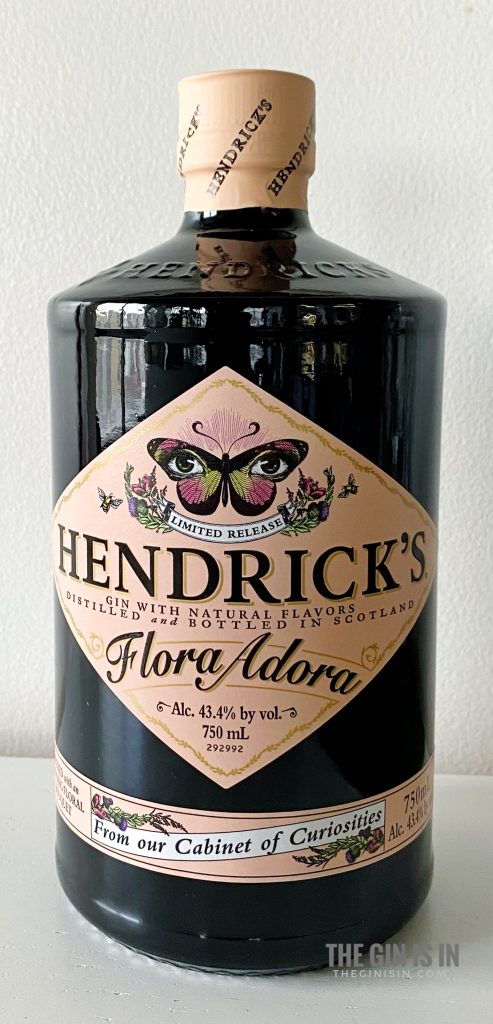
8. Hendrick’s Flora Adora (2023)
While Hendrick’s is built on floral foundations, the 2023 release of Flora Adora has been widely critiqued for overextending the concept. Designed to mimic the aroma of a garden in full bloom, the botanical bill includes lavender, hibiscus, and rose. Industry analysts and critics have noted that the intensity of these floral notes can be overwhelming, often crossing into a "soapy" territory that masks the base gin’s structural integrity. While it finds a niche among serious collectors, its lack of versatility in classic cocktails like the Martini makes it the least successful entry in the series.
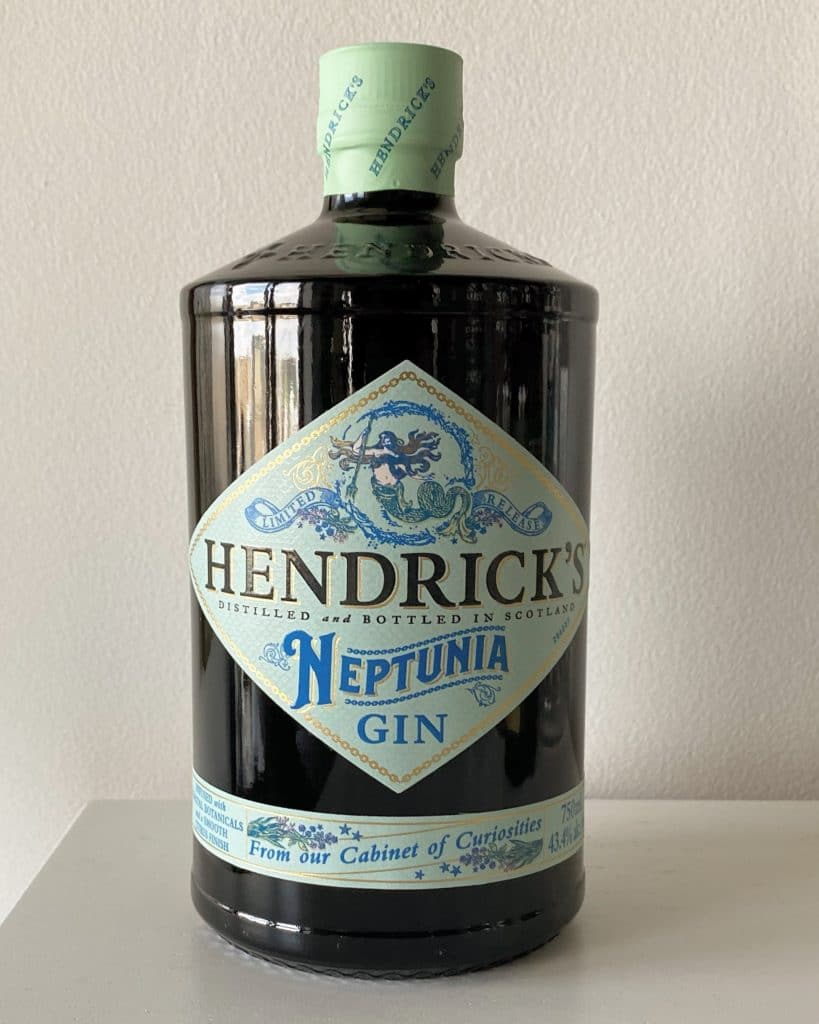
7. Hendrick’s Neptunia (2022)
Neptunia was Hendrick’s attempt to capture the "maritime" trend in spirits, utilizing coastal botanicals to create a briny, savory profile. While it succeeds in offering a refreshing citrus-forward entry followed by an herbal finish, it has been described by spirits critics as "chaotic." The combination of saline notes with the traditional Hendrick’s rose-cucumber base creates a polarizing experience. Behind the bar, Neptunia remains a challenging mixer, often clashing with traditional tonics or vermouths.
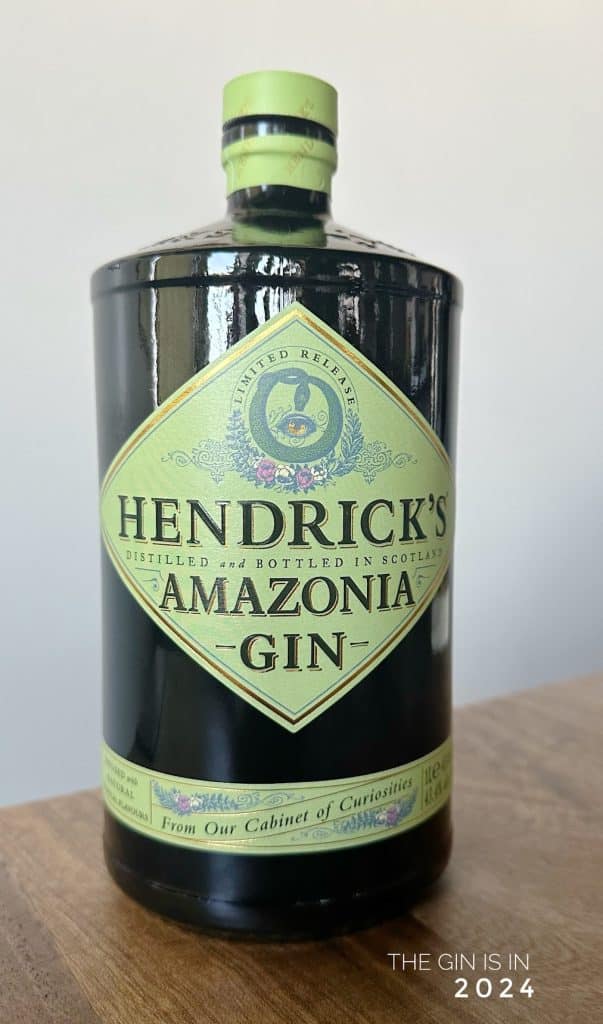
6. Hendrick’s Amazonia (2019/2024)
Inspired by Lesley Gracie’s 2013 expedition to the Venezuelan Amazon, this expression focuses on tropical fruit notes, tonka beans, and pink peppercorns. Despite the allure of its exotic origins, the heavy emphasis on tropical fruit makes it feel more aligned with flavored vodkas or rums than a traditional gin. While it is a "fun" novelty, particularly in tropical-style drinks like a Pineapple Gin Punch, it lacks the balance found in the brand’s higher-ranked offerings.
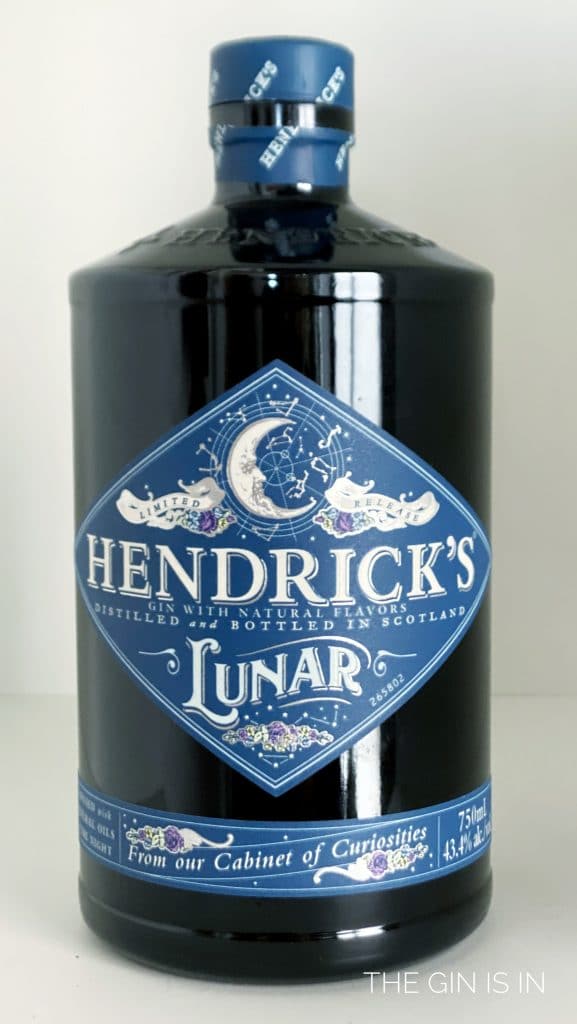
5. Hendrick’s Lunar (2021)
Lunar Gin was marketed as a "nocturnal" spirit, intended for evening sipping. It features a moderate floral nose—honeysuckle and violet—balanced by a warm, spice-led heart of black peppercorn and coriander. Lunar represents a successful middle ground; it is floral enough to satisfy Hendrick’s fans but spicy enough to maintain its identity in a Negroni or a Gin and Tonic. It remains a solid, if not revolutionary, addition to the portfolio.
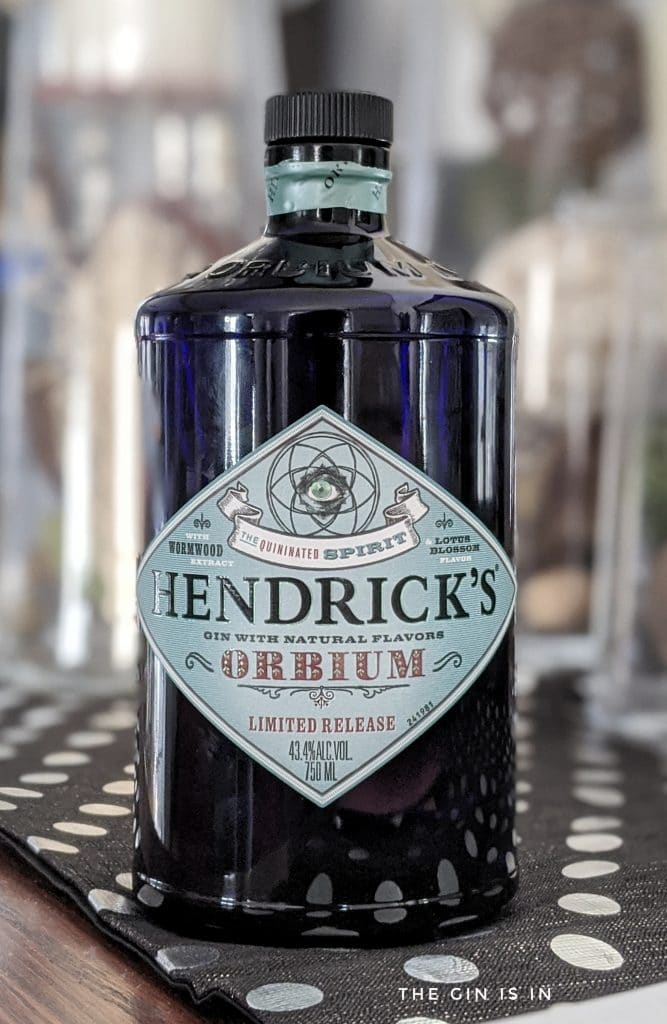
4. Hendrick’s Orbium (2017)
Orbium is perhaps the most intellectually stimulating of the collection. By adding quinine, wormwood, and lotus blossom, Gracie essentially "deconstructed" the ingredients of a Gin and Tonic and a Martini and infused them back into the gin itself. The result is a bitter, complex, and deeply floral spirit that appeals to enthusiasts of bitter liqueurs and amari. While not as versatile as the flagship, it is a masterclass in botanical balancing.
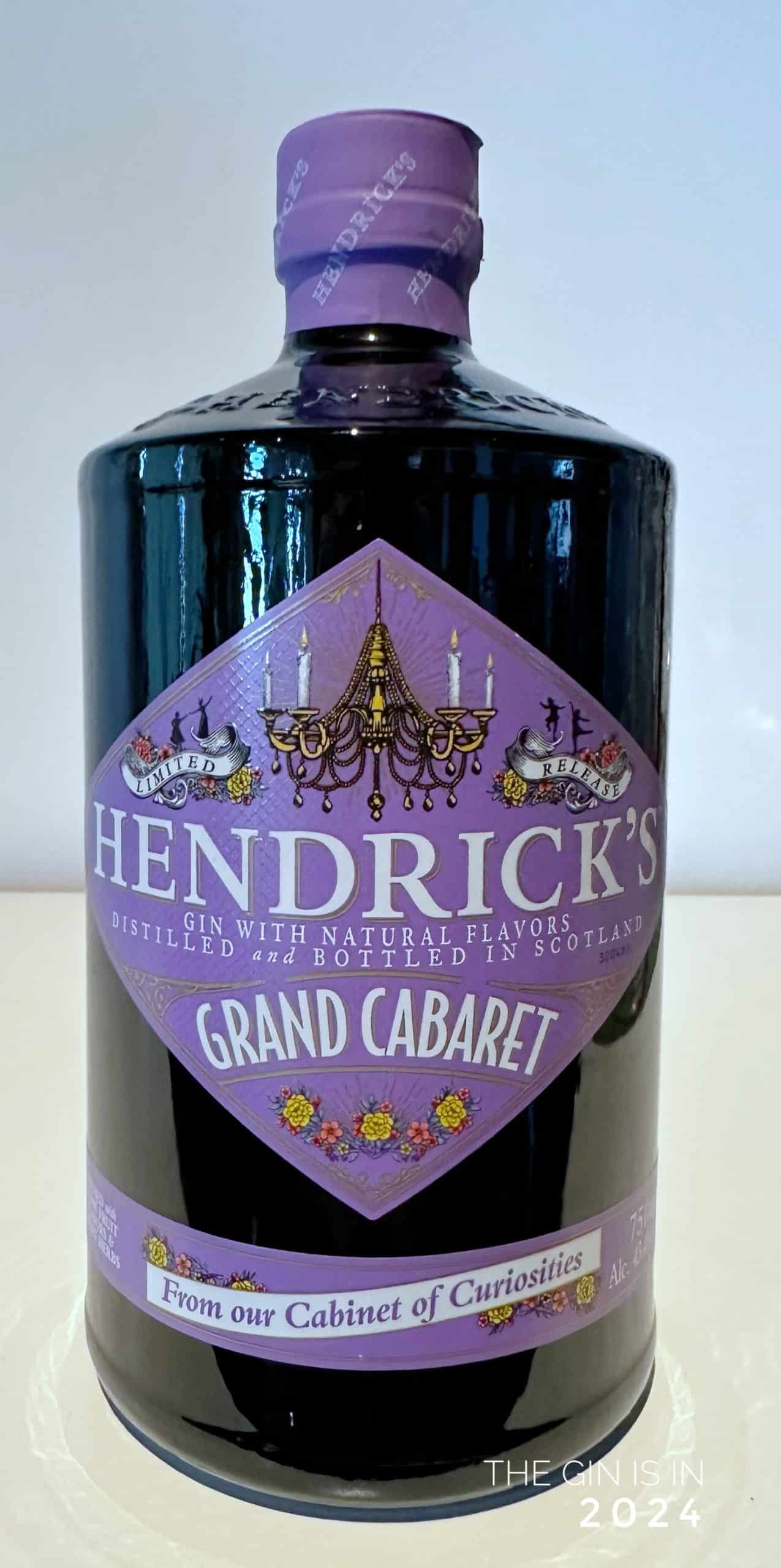
3. Hendrick’s Grand Cabaret (2024)
The most recent addition to the Cabinet, Grand Cabaret, draws on 17th-century French stone fruit distilling traditions. Focusing on apricots and mirabelle plums, this gin manages to be fruit-forward without losing its "gin-ness." The stone fruit sweetness is tempered by elderflower and the classic juniper backbone. It has been praised for its accessibility and its performance in simpler builds, such as a Gin and Lemonade or a Spritz.
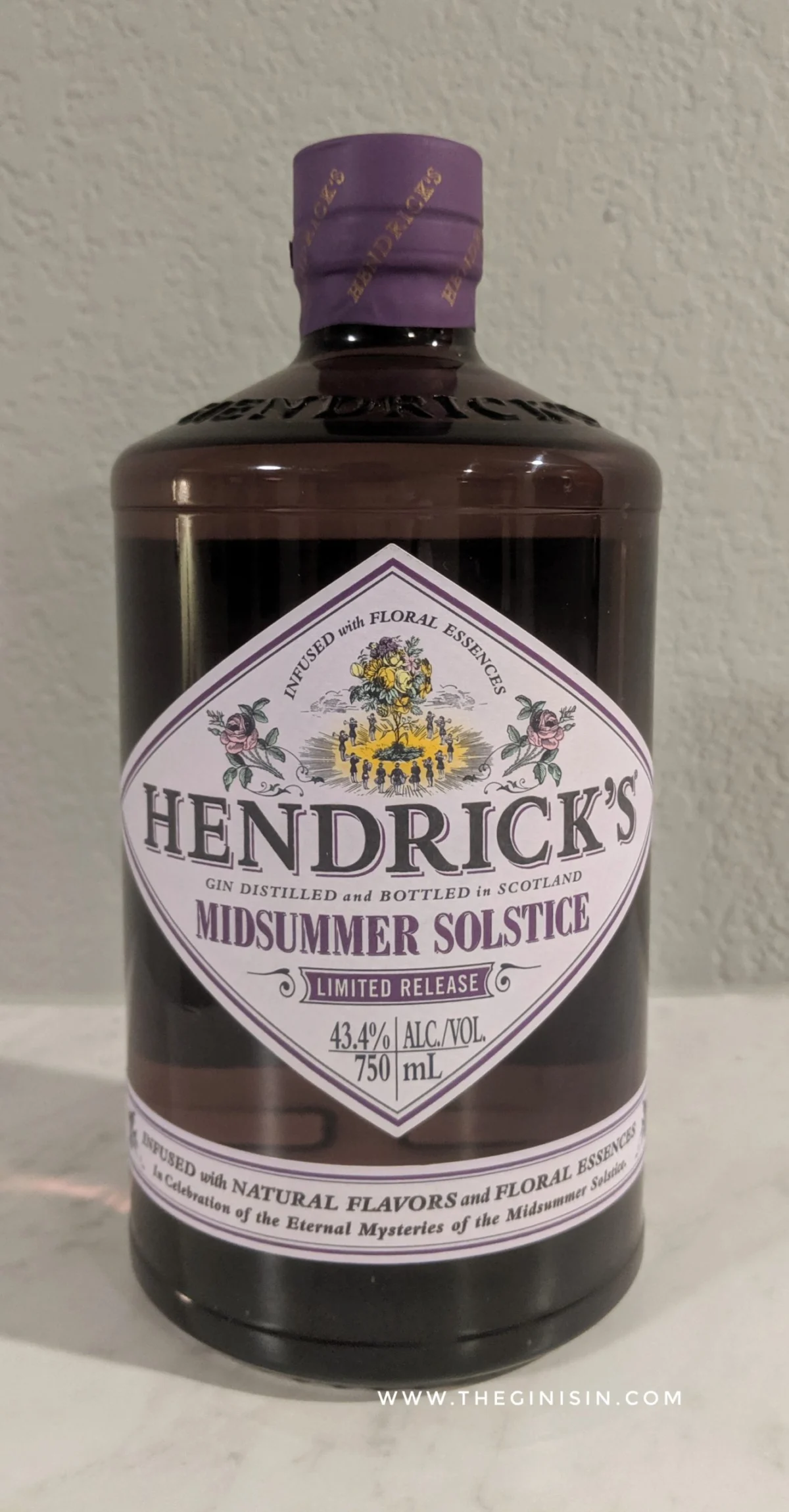
2. Hendrick’s Midsummer Solstice (2019)
Midsummer Solstice remains the benchmark for the Cabinet of Curiosities series. It captured the "pink gin" trend without resorting to artificial coloring or excessive sugar. By using natural floral essences that emphasize raspberry and rose, it created a sweet, airy, and highly approachable spirit. It served as a gateway for many consumers to enter the contemporary gin category and remains one of the most requested "vaulted" releases by enthusiasts.
1. Hendrick’s Flagship (1999)
Despite 25 years of competition and internal experimentation, the original Hendrick’s Gin remains the pinnacle of the brand. Its historical significance cannot be overstated; it proved that gin could be premium, "weird," and accessible all at once. The balance of the 11 base botanicals with the rose and cucumber infusions remains perfectly calibrated. It is the only gin in the lineup that is equally at home in a bone-dry Martini, a refreshing Gin and Tonic, or a complex contemporary cocktail.
Market Impact and Industry Implications
The success of the Hendrick’s product line has had a measurable impact on global spirit trends. According to data from the IWSR (International Wine and Spirits Research), the "Super Premium" gin category, which Hendrick’s helped define, has seen consistent growth even as standard gin sales have fluctuated.
The "Cabinet of Curiosities" model has also influenced how other heritage brands approach innovation. By utilizing limited-time offerings (LTOs), Hendrick’s maintains brand relevance and consumer excitement without diluting the identity of its core flagship product. This strategy allows the distillery to test boundary-pushing flavor profiles—like the brine of Neptunia or the bitterness of Orbium—without committing to a permanent SKU that might not have universal appeal.
Analysis of Consumer and Critical Reception
The reaction to the Hendrick’s lineup highlights a tension in the modern spirits market between "traditionalists" and "explorationists." Traditionalists, who value the piney, resinous punch of juniper, often find the later Cabinet releases (like Flora Adora) to be too far removed from the definition of gin. However, explorationists—typically younger consumers or those coming from the cocktail culture—value the brand’s ability to provide a "narrative in a bottle."
From a professional mixology perspective, the ranking reflects the utility of the spirits. The higher-ranked gins (Original, Midsummer Solstice, Grand Cabaret) possess a structural "hook" that allows them to interact well with modifiers like citrus, sugar, or vermouth. The lower-ranked gins often lack this versatility, requiring specific, narrow applications to be palatable.
Conclusion and Future Outlook
As Hendrick’s continues to open its Cabinet of Curiosities, the brand faces the challenge of maintaining its signature "oddity" while ensuring liquid quality. The 2024 success of Grand Cabaret suggests that the brand is finding its footing again after the more polarizing releases of 2022 and 2023.
The legacy of Hendrick’s is not just in its bottles, but in the permission it gave the industry to experiment. While not every curiosity is a triumph, the collective body of work produced by Lesley Gracie and William Grant & Sons remains a vital component of the modern bar. As the gin market moves toward more savory and functional botanical profiles, Hendrick’s is well-positioned to continue its role as the industry’s most eccentric pioneer.
