

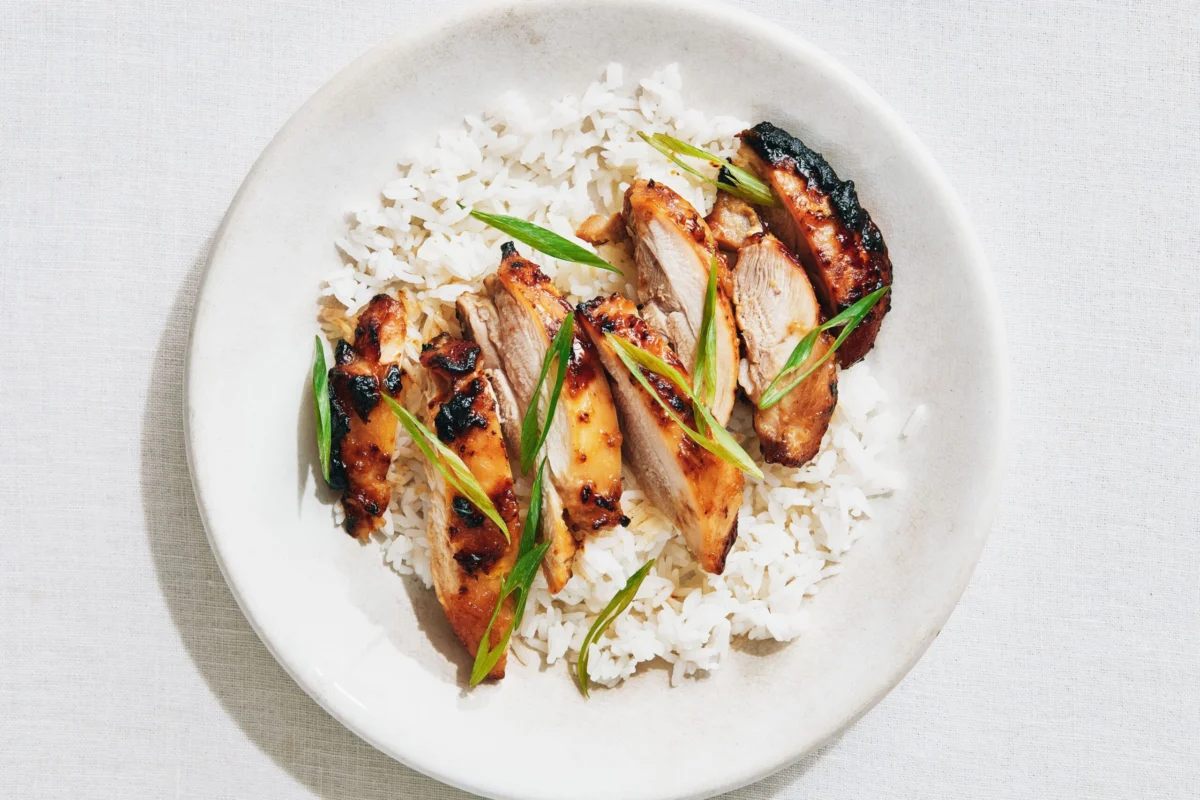
New York, NY – Bon Appétit, a prominent voice in contemporary culinary media, has recently captured the attention of home cooks with the release of its latest entry in the acclaimed "It’s That Simple" series: a Miso, Soy, and Honey Chicken recipe. This minimalist yet impactful dish, requiring only three core ingredients for its marinade, underscores a growing trend towards accessible, high-flavor cooking solutions for the modern kitchen. The recipe, featuring skinless, boneless chicken thighs, is designed to demystify sophisticated flavors, proving that culinary excellence does not necessitate extensive ingredient lists or complex techniques.
The Miso, Soy, and Honey Chicken capitalizes on a potent flavor triumvirate—the rich umami of miso, the savory depth of soy sauce, and the sweet caramelization potential of honey. This combination yields a marinade lauded for its versatility, capable of transforming not only chicken but also fish like cod or salmon, an array of vegetables such as broccoli or zucchini, and plant-based proteins like tofu into a "singing" culinary experience. The recipe also provides practical guidance, including a crucial cautionary note regarding broiler use, particularly for drawer-style units, to prevent over-charring and ensure optimal results. This pragmatic advice is emblematic of Bon Appétit’s commitment to guiding its audience through common kitchen pitfalls, fostering confidence and success for cooks of all skill levels.
The Philosophy of "It’s That Simple": Demystifying Home Cooking
The "It’s That Simple" series, of which this chicken recipe is a prime example, represents a strategic initiative by Bon Appétit to address the contemporary home cook’s desire for efficiency without compromising on taste. Launched several years ago, the series was conceived as a direct response to feedback from readers who, despite a burgeoning interest in cooking, often felt intimidated by overly complicated recipes, extensive ingredient lists, and time-consuming preparation methods. The philosophy is straightforward: deliver delicious, impactful dishes using minimal ingredients and laid-back techniques. This approach aims to make home cooking an enjoyable and stress-free activity rather than a daunting chore.
The series has gained considerable traction for its ability to empower novice cooks and provide seasoned chefs with elegant solutions for weeknight meals. Each installment typically features a concise list of core ingredients, often fewer than five, coupled with straightforward instructions that prioritize clarity and achievable results. This emphasis on simplicity extends beyond just ingredient count; it also encompasses preparation methods that are intuitive and require minimal specialized equipment. The Miso, Soy, and Honey Chicken recipe perfectly encapsulates this ethos, promising "results so delicious you’ll text home about them," a testament to the series’ commitment to delivering memorable culinary experiences with remarkable ease. The consistent success of "It’s That Simple" highlights a broader shift in culinary media towards practical, user-friendly content that aligns with the realities of modern lifestyles, where time is a precious commodity.
The Power Trio: Miso, Soy, and Honey
The selection of miso, soy, and honey as the foundational elements of this marinade is a testament to their individual culinary strengths and their synergistic potential. Each ingredient brings a unique profile that, when combined, creates a complex, balanced, and deeply savory-sweet flavor profile.
Miso: The Umami Powerhouse
Miso, a traditional Japanese seasoning, is produced by fermenting soybeans with salt and kōji (a fungus, Aspergillus oryzae), and sometimes rice, barley, or other grains. Its history dates back over a thousand years, originally as a preservative and later evolving into a staple flavoring agent in Japanese cuisine. Miso is celebrated for its profound umami flavor—often described as the fifth basic taste, characterized by a savory, meaty, and mouth-filling sensation.
There are numerous varieties of miso, categorized primarily by their ingredients and fermentation period. White miso (shiro miso), the type specified in the Bon Appétit recipe, is typically made with a higher proportion of rice kōji and a shorter fermentation time. This results in a lighter color, a sweeter, milder flavor, and a creamy texture, making it incredibly versatile and approachable for those new to miso. In contrast, red miso (aka miso) undergoes a longer fermentation, yielding a darker color and a more robust, saltier, and deeper umami flavor. Yellow miso (shinshu miso) falls somewhere in between, offering a balanced profile.
Beyond its flavor, miso is recognized for its nutritional benefits, including being a good source of protein, essential minerals, and beneficial bacteria due to its fermented nature, which can support gut health. Its increasing popularity in Western cuisine over the past two decades reflects a global appreciation for umami-rich ingredients and a growing interest in Asian culinary traditions. Culinary professionals frequently incorporate miso into marinades, dressings, soups, and glazes for its ability to add depth and complexity without overpowering other flavors. The Bon Appétit recipe leverages white miso’s gentle sweetness and potent umami to build a foundational layer of savory richness.
Soy Sauce: The Salty Backbone
Soy sauce, another ancient Asian condiment, is a fermented liquid condiment of Chinese origin, made from a paste of fermented soybeans, roasted grain, brine, and Aspergillus oryzae or Aspergillus sojae molds. Its history spans over 2,500 years, making it one of the world’s oldest and most widely used seasonings. The specified "low-sodium soy sauce" in the recipe is a nod to health-conscious cooking, offering the characteristic umami and savory notes with reduced sodium content, aligning with contemporary dietary recommendations.
The fermentation process of soy sauce breaks down proteins and carbohydrates into amino acids, sugars, and alcohols, contributing to its distinctive flavor profile: a complex blend of salty, savory, slightly sweet, and faintly bitter notes. It serves as a fundamental seasoning in numerous Asian cuisines, used as a dipping sauce, a marinade component, and a flavor enhancer in stir-fries, soups, and stews. Its ability to deepen and harmonize flavors makes it an indispensable ingredient in kitchens worldwide. In the context of the Bon Appétit marinade, soy sauce provides the essential salty counterpoint to the sweetness of honey and the earthy umami of miso, ensuring a well-rounded and tantalizing flavor.
Honey: The Sweet and Browning Agent
Honey, a natural sweetener produced by bees, adds more than just sweetness to the marinade. Its viscous texture helps bind the other ingredients, creating a glaze that adheres beautifully to the chicken. When exposed to heat, honey undergoes caramelization, contributing to a desirable golden-brown crust and a subtle toasted flavor. Beyond its primary role as a sweetener, honey also acts as a tenderizer, helping to keep the chicken moist during cooking. Its natural acidity can also contribute to the marinade’s effectiveness in breaking down muscle fibers, resulting in a more tender final product. The presence of honey ensures a perfect balance against the savory and salty elements of miso and soy, creating a highly appealing contrast that makes the marinade so addictive.
Culinary Trends and Market Impact
The introduction of recipes like the Miso, Soy, and Honey Chicken by Bon Appétit is not an isolated incident but rather a reflection of broader culinary trends and market shifts.
The Ascendance of Umami and Asian Flavors
The past decade has seen an exponential growth in the appreciation and adoption of umami-rich ingredients and Asian flavor profiles in Western cooking. Miso, once considered an exotic ingredient found only in specialty stores, is now a common staple in mainstream supermarkets across North America and Europe. This accessibility, coupled with increased media exposure through cooking shows and food blogs, has normalized its use in everyday cooking. Market research data consistently points to a rise in consumer demand for globally inspired flavors, with Asian ingredients leading the charge. The global miso market, for instance, has seen steady growth, projected to expand significantly over the next few years, driven by its health benefits and versatility. Similarly, soy sauce consumption remains robust globally, indicating its enduring appeal.
The Demand for Simplicity and Efficiency
Modern consumers, particularly those with demanding schedules, are actively seeking ways to integrate healthy, delicious home-cooked meals into their routines without sacrificing excessive time or effort. Surveys conducted by food industry analytics firms frequently highlight "quick and easy preparation" as a top priority for meal decisions. The "It’s That Simple" series directly taps into this demand, offering solutions that fit within a busy lifestyle. The average American household, for example, reports spending less than 30 minutes on weeknight meal preparation, making recipes with minimal ingredient lists and straightforward steps highly attractive. This trend intensified during the recent global pandemic, which saw a resurgence in home cooking, further solidifying the need for approachable and foolproof recipes.
Ingredient Accessibility and Economic Implications
The success of a three-ingredient recipe like this also hinges on the widespread availability of its components. Honey, miso, and low-sodium soy sauce are now readily available in most grocery stores, making the recipe achievable for a vast audience. This accessibility has economic implications, potentially driving sales for these specific products as consumers seek to replicate the Bon Appétit experience. Food retailers often observe a direct correlation between trending recipes published by influential media outlets and an uplift in sales of featured ingredients.
Inferred Statements and Expert Commentary
While Bon Appétit has not issued a formal press release specifically for this single recipe, the publication’s overarching strategy and the ethos of the "It’s That Simple" series provide a basis for inferred statements from its editorial leadership and general commentary from culinary experts.
"Our ‘It’s That Simple’ series was born from a desire to strip away the unnecessary complexities of cooking and refocus on the pure joy of creating delicious food," a Bon Appétit editorial representative might state. "This Miso, Soy, and Honey Chicken recipe embodies that philosophy perfectly. It’s about maximizing flavor with minimal effort, proving that incredible meals don’t have to be intimidating. We believe empowering home cooks with confidence is just as important as providing them with innovative recipes."
A hypothetical statement from a Bon Appétit test kitchen chef could emphasize the rigorous development process: "Even with just three ingredients, perfecting this marinade involved extensive testing to ensure the right balance of umami, sweetness, and salt. We wanted it to be foolproof, versatile, and consistently delicious, whether you’re using it for chicken, fish, or vegetables. The broiler warning, for example, comes directly from our experience in the test kitchen – it’s those small, practical tips that make a big difference for home cooks."
Independent culinary analysts and food writers often echo the sentiment that simplicity is a powerful trend. "Recipes like Bon Appétit’s Miso, Soy, and Honey Chicken are culinary game-changers," comments Dr. Anya Sharma, a food sociologist. "They validate the idea that you don’t need a pantry full of obscure ingredients or hours of prep time to create something truly satisfying. This approach fosters a more inclusive cooking culture, encouraging more people to step into the kitchen." Chef Marcus Chen, known for his work in Asian-fusion cuisine, adds, "The combination of miso, soy, and honey is a classic for a reason. It hits all the right notes: savory, sweet, and deeply flavorful. Bon Appétit has done an excellent job presenting it in a way that’s approachable for everyone, showcasing the elegance of these foundational Asian ingredients."
Broader Impact and Future Implications
The Miso, Soy, and Honey Chicken recipe, situated within Bon Appétit’s "It’s That Simple" series, carries significant implications for the future of home cooking, culinary education, and the food media landscape.
Empowering the Home Cook
By distilling complex flavors into an accessible format, the recipe empowers novice cooks to experiment with ingredients like miso that they might previously have deemed intimidating. This builds culinary confidence and encourages further exploration of global cuisines. For experienced cooks, it offers a quick, reliable, and flavorful option for busy weeknights, demonstrating that elegant simplicity can be just as satisfying as intricate dishes. The explicit guidance on broiler use, including the specific mention of "drawer-style broilers," highlights Bon Appétit’s dedication to practical, real-world cooking advice, fostering a sense of trust and reliability with its audience. This attention to detail in seemingly simple recipes underscores a commitment to culinary education beyond just ingredient lists.
Shaping Culinary Education and Media
The success of "It’s That Simple" suggests a lasting shift in how culinary content is produced and consumed. Food media outlets are increasingly recognizing the value of approachable, concise, and visually appealing content over overly technical or time-intensive recipes. This emphasis on brevity and impact will likely continue to shape recipe development and presentation across various platforms, from print magazines to digital video series. It encourages culinary educators to focus on fundamental flavor pairings and efficient techniques rather than just exhaustive ingredient knowledge.
Cultural Exchange and Ingredient Integration
Recipes that successfully integrate global ingredients into a simple, appealing format play a crucial role in cultural exchange. They normalize the use of ingredients like miso and soy sauce in Western kitchens, fostering a greater understanding and appreciation for diverse culinary traditions. As these ingredients become commonplace, they pave the way for further experimentation and fusion, enriching the global gastronomic landscape. The Miso, Soy, and Honey Chicken is more than just a recipe; it is a gateway to broader culinary exploration.
In conclusion, Bon Appétit’s Miso, Soy, and Honey Chicken is a meticulously crafted recipe that transcends its simple ingredient list to embody a significant culinary trend. It stands as a testament to the power of thoughtful simplicity, the enduring appeal of umami-rich flavors, and the ongoing evolution of home cooking. By offering an accessible yet profoundly flavorful dish, Bon Appétit continues to influence how millions approach their daily meals, making sophisticated tastes achievable for everyone.
