

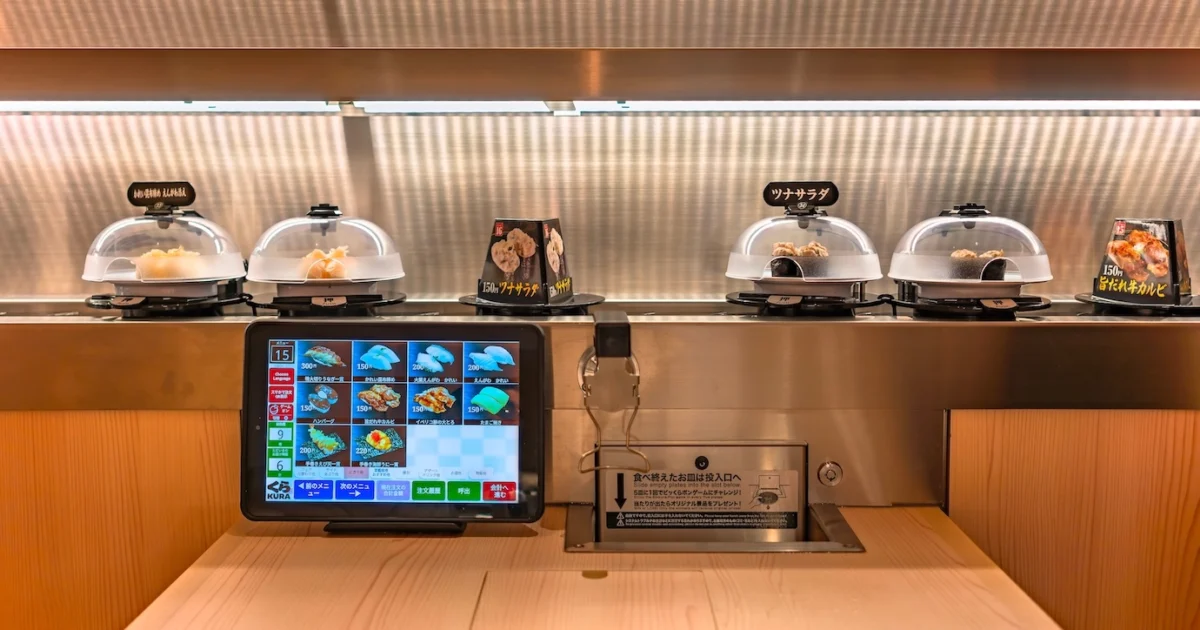
Kura Sushi, the popular conveyor belt sushi chain, is actively recalibrating its operational and pricing strategies in response to a notable dip in customer traffic and a decline in same-store sales during its fiscal fourth quarter. While the company experienced an 11.5% decrease in foot traffic and a 5.7% drop in same-store sales compared to the same period in the prior fiscal year (2025), its leadership remains optimistic about mitigating these challenges through a renewed focus on value and operational efficiency. The Irvine, California-based company, known for its high-tech dining experience where plates travel along a conveyor belt to patrons’ tables, is implementing strategic initiatives aimed at attracting a broader customer base and bolstering revenue streams.
Hajime Uba, President, CEO, and CFO of Kura Sushi, articulated the company’s strategic pivot during a recent earnings call. He directly attributed the traffic decline to "strong consumer headwinds," a broad term encompassing the current economic climate, inflationary pressures impacting household budgets, and evolving consumer dining preferences. In an effort to counteract these headwinds, particularly during the traditionally slower weekday lunch hours, Kura Sushi is set to roll out value-priced lunch packages systemwide in the second quarter of fiscal year 2027. This move is a direct response to the observation that Kura Sushi’s current average check of $29 is higher than many casual-dining competitors for the lunch daypart.
Strategic Response: Value-Driven Lunch Packages and Off-Premise Growth
The introduction of these value offerings is not a new experiment for Kura Sushi. The company recently conducted successful tests of two lunch value combos, priced at $9.99 and $11.99. These targeted promotions proved effective, accounting for approximately 5% of the menu mix and, crucially, attracting new guests to the restaurants. This positive outcome has bolstered management’s confidence in a broader systemwide rollout. Beyond in-store dining, Kura Sushi is also developing value bundles specifically for off-premises customers, recognizing the continued strength and importance of the takeout and delivery market. This dual approach aims to capture value-conscious diners both within and outside the traditional restaurant setting.
The company’s financial performance for the fiscal fourth quarter, which concluded on August 31, 2026, presented a mixed picture. Total sales reached $88.9 million, a significant increase from $79.4 million in the same period of fiscal year 2025. This top-line growth was primarily driven by the addition of new locations. Kura Sushi expanded its footprint by opening four new restaurants during the fourth quarter and has continued its expansion pace with three more openings in the two months preceding the earnings call. The company now boasts a presence in 25 states, with recent market entries in Oklahoma, Iowa, and North Carolina, bringing its total U.S. unit count close to 100. Despite this rapid physical expansion, the company indicated on the call that aggressive unit growth is no longer the primary strategic imperative. The focus appears to be shifting towards optimizing existing operations and improving same-store performance.
Navigating Cost Pressures and Technological Leverage
Despite revenue growth, the company’s profitability metrics for the fourth quarter showed a decline. Kura Sushi reported an operating loss of $0.6 million, a stark contrast to the operating income of $1.5 million recorded in the fourth quarter of fiscal year 2025. Adjusted EBITDA (earnings before interest, taxes, depreciation, and amortization) stood at $7.7 million. A key factor contributing to the increased costs was a rise in food and beverage expenses, which as a percentage of sales, increased to 29.7% from 28.4% in the prior year’s comparable quarter.
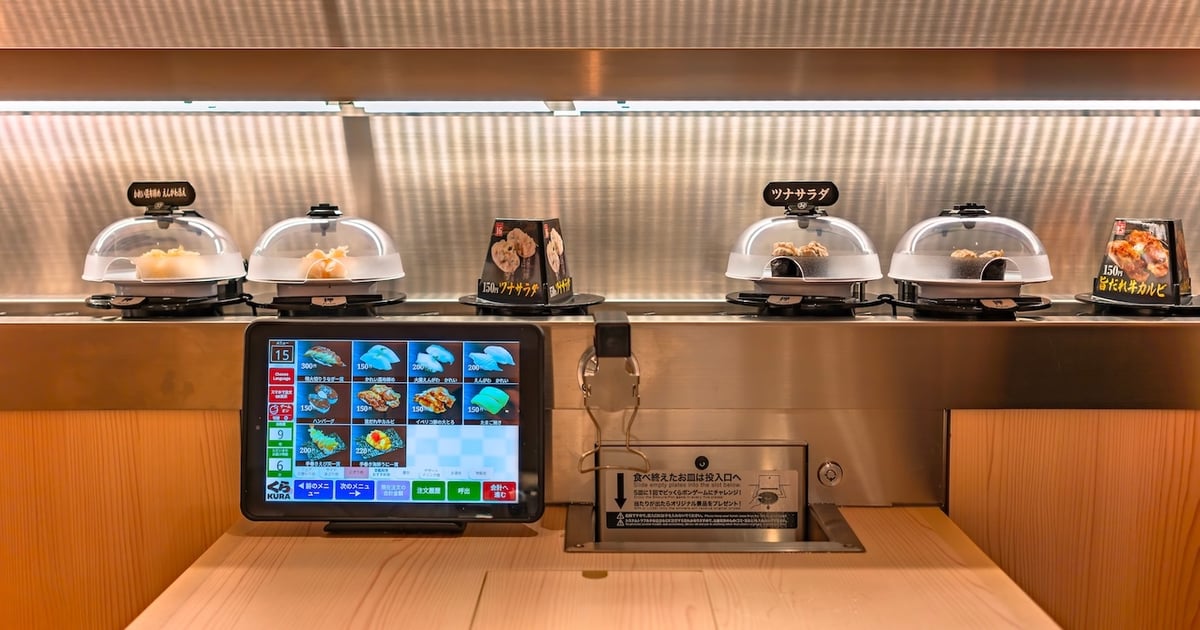
Uba highlighted that this increase in the cost of goods sold (COGS) was primarily driven by tariffs on imported ingredients. These tariffs, he explained, collectively increased the company’s COGS and other costs by 180 basis points. However, Kura Sushi demonstrated resilience by strategically offsetting these rising input costs through operational efficiencies. The company achieved a labor leverage of 190 basis points compared to fiscal year 2025. This labor efficiency gain is directly linked to the "technological innovation that is core to our concept," referring to the automated ordering and delivery systems inherent in its conveyor belt model, which reduce the need for extensive front-of-house staffing per customer served. Furthermore, a sustained commitment to General and Administrative (G&A) leverage resulted in a 90 basis point improvement in that area. These efficiencies, coupled with strategic menu price adjustments, allowed the company to grow its Adjusted EBITDA margin and dollars year-over-year.
"As we look back at our fiscal year 2026, I’m proud of our efforts to protect margin despite tariffs and consumer headwinds," Uba stated during the earnings call. His remarks underscore a proactive approach to managing external cost pressures and internal operational challenges. The company’s ability to leverage its technological infrastructure to control labor costs while simultaneously implementing modest price increases on its menu demonstrates a sophisticated approach to margin management in a volatile economic environment.
Outlook for Fiscal Year 2027: Projected Growth and Traffic Recovery
Looking ahead to fiscal year 2027, Kura Sushi projects a continued upward trajectory in total sales, forecasting a range of $376 million to $381 million. This represents a substantial increase from the $88.9 million reported in the most recent fourth quarter, indicating expectations for sustained growth through new unit openings and improved same-store sales. The company anticipates opening an additional 17 new restaurants during fiscal year 2027, continuing its expansion strategy, albeit with a potentially more measured pace.
A critical component of Kura Sushi’s forward-looking strategy is the anticipated "relief from tariffs." If these trade policies ease, it would directly reduce the cost of imported ingredients, providing a tailwind for the company’s margins. Coupled with their goal of achieving "traffic to flat," meaning stabilizing and eventually growing customer visits to prior levels, the company believes these factors will "accelerate improvement in comps" (comparable store sales). This indicates a strong focus on driving foot traffic and increasing sales at established locations, which is often a key indicator of a restaurant chain’s underlying health and consumer appeal.
The company’s strategic adjustments, particularly the emphasis on value during lunch and the ongoing expansion of its off-premises offerings, are designed to address the immediate challenges posed by consumer spending habits and rising costs. The successful implementation of these initiatives, alongside potential positive shifts in tariff policies, will be crucial in determining Kura Sushi’s ability to not only recover lost traffic but also to drive sustainable, profitable growth in the coming fiscal year. The narrative for Kura Sushi in the near future will likely center on its capacity to balance its innovative, high-tech dining experience with the fundamental need for accessible value propositions in a competitive casual-dining market.
