

BJ’s Restaurants has once again demonstrated robust performance, reporting its ninth consecutive quarter of growth driven by strong same-store sales and increased customer traffic. The casual dining chain announced on Thursday that its same-store sales rose by an impressive 8.1%, while customer traffic saw an even more significant uptick of 8.3%. This sustained momentum has prompted the company to revise its full-year guidance upwards, now projecting same-store sales growth of 4.7%, a notable increase from its previous estimate of 3% to 4%. Furthermore, BJ’s Restaurants celebrated its eighth consecutive quarter of profit growth, underscoring a period of sustained financial health and operational success.
Strategic Menu Development Drives Consumer Engagement
The company’s success is largely attributed to its strategic approach to menu innovation, particularly its focus on popular and limited-time offerings. The introduction and refinement of its signature Pizookie dessert, alongside a comprehensive overhaul of its pizza platform late last year, have been pivotal in attracting and retaining customers.
"We outperformed the Black Box casual dining national benchmarks on both sales and traffic, led by traffic outperformance of more than 800 basis points, with our outperformance extending across all geographic regions," stated Todd Wilson, BJ’s Chief Financial Officer, during an earnings call. "Growth was broad-based, with gains across every day of the week, daypart, and revenue center."
CEO Lyle Tick highlighted that this quarter’s growth was achieved despite a slight decline of 0.2% in average check size. This indicates that the company is effectively drawing in more customers without necessarily increasing the spending per customer. Over the past two years, BJ’s has managed to increase average unit volumes by approximately 10%, reaching $6.7 million, and has seen a substantial 24% rise in average unit profit during the same period.
"Looking at the consumer, demand remains resilient as we continue to grow traffic while moderating check compression and driving interest in new and renovated menu items," Tick elaborated. He emphasized the company’s strategic layering of growth drivers, starting with the value-oriented Pizookie Meal Deal, which was then augmented by seasonal Pizookie promotions, creating a dual engine for revenue generation.
Holiday Menu and Continued Innovation
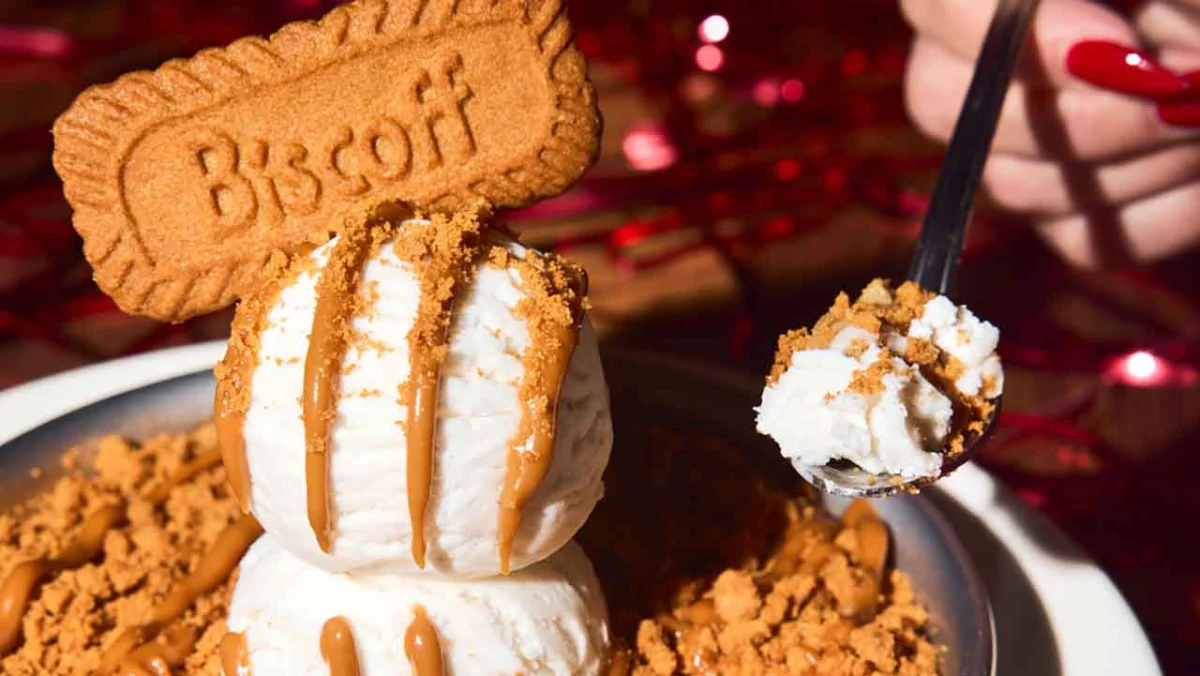
In line with its strategy of continuous menu evolution, BJ’s Restaurants unveiled a new holiday menu on Thursday. A standout item is the return of the Biscoff Pizookie, now enhanced with a new brown-butter base, a move likely to appeal to its loyal customer base and attract new patrons seeking seasonal indulgence. The holiday offerings also include premium items such as a Hawaiian Rib Eye, Truffle Mac & Cheese, Loaded Mashed Potatoes, and Truffle Fries, catering to a diverse range of preferences and occasions.
"I feel great about the programs that we’re putting into the market," Tick expressed confidence. "We’re growing traffic, we’re moderating check, and building a stronger business." This optimistic outlook suggests that BJ’s Restaurants is well-positioned to capitalize on the current consumer spending environment within the casual dining sector.
The Pizookie Phenomenon: A Case Study in Menu Success
The Pizookie, a warm cookie baked in a pizza-like pan and served with ice cream, has become a cornerstone of BJ’s Restaurants’ success. Its popularity is not a recent development; the dessert has been a signature item for years, consistently driving traffic and customer satisfaction. The company’s strategic decision to leverage the Pizookie through various promotions, including meal deals and seasonal variations, has proven to be a highly effective revenue-generating strategy.
The introduction of the Pizookie Meal Deal provided a compelling value proposition, attracting families and groups looking for an affordable and enjoyable dining experience. This was followed by the introduction of limited-time seasonal Pizookies, such as the Biscoff Pizookie, which creates a sense of urgency and exclusivity, encouraging repeat visits and generating social media buzz. This tiered approach to menu development has allowed BJ’s to continuously refresh its offerings while building upon a beloved core product.
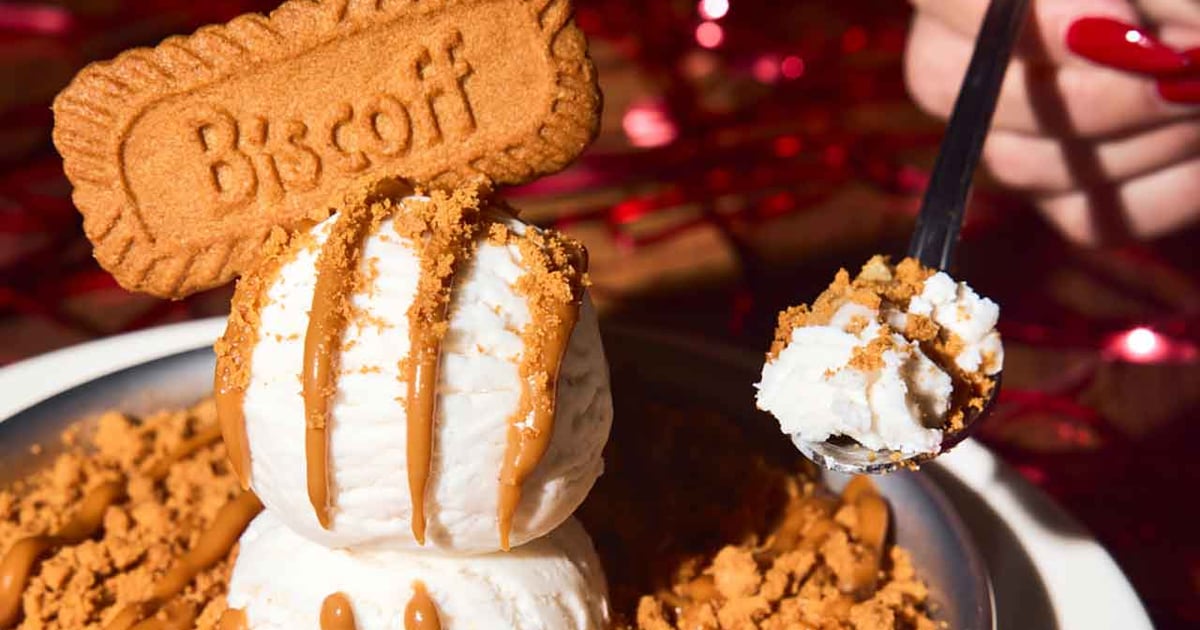
The recent enhancement of the Biscoff Pizookie with a brown-butter base demonstrates a commitment to refining existing popular items, a strategy that often yields better results than introducing entirely new, unproven products. This meticulous attention to detail and customer feedback is crucial in maintaining a competitive edge in the fast-paced restaurant industry.
Market Context and Competitive Landscape
BJ’s Restaurants operates within the highly competitive casual dining segment of the U.S. restaurant industry. This sector has faced significant challenges in recent years, including rising labor and food costs, evolving consumer preferences, and increased competition from fast-casual and quick-service alternatives. Despite these headwinds, BJ’s Restaurants has managed to carve out a distinct niche and achieve consistent growth.
The company’s performance stands in contrast to some of its competitors. For instance, Kura Sushi, another player in the broader restaurant industry, recently reported a sharp decline in traffic during its fourth quarter, illustrating the varied fortunes within the sector. BJ’s ability to not only maintain but grow traffic and sales suggests a successful execution of its business strategy, particularly its focus on value, comfort food, and an engaging dining experience.
The "Black Box casual dining national benchmarks" mentioned by CFO Todd Wilson serve as a crucial industry yardstick. Outperforming these benchmarks by a significant margin, especially in traffic, indicates that BJ’s Restaurants is capturing market share and appealing to a broader customer base than the average casual dining establishment. This broad-based outperformance across all geographic regions further reinforces the widespread appeal of the company’s offerings and operational execution.
Financial Performance and Future Outlook
The consistent growth in same-store sales and profits paints a picture of a financially sound company. The upward revision of full-year guidance is a strong signal of management’s confidence in the ongoing success of their strategies. The increase in average unit volumes and profits over the past two years suggests improved operational efficiency and pricing power, even with a slight moderation in check size.
The company’s ability to grow traffic while managing check size is a delicate balancing act. It indicates that BJ’s is attracting a larger number of diners without significantly discounting its menu, thereby preserving margins. This approach is sustainable in the long term, as it focuses on building a loyal customer base through consistent quality and appealing promotions.
The broader economic environment plays a significant role in the performance of casual dining chains. While inflation has impacted consumer spending power, BJ’s Restaurants appears to have navigated these challenges effectively by offering perceived value and desirable menu items. The resilience of consumer demand, as noted by CEO Lyle Tick, is a positive indicator for the industry, though economic fluctuations remain a factor to monitor.
Analysis of Implications
BJ’s Restaurants’ sustained growth has several key implications:
- Menu Strategy Validation: The success of the Pizookie and its various iterations, alongside the pizza platform overhaul, validates a strategy of focusing on signature items and executing limited-time offers effectively. This approach can be replicated by other restaurant brands looking to drive traffic and create buzz.
- Operational Efficiency: The increase in average unit volumes and profits suggests that the company is operating more efficiently. This could be due to improved supply chain management, optimized staffing, or better utilization of restaurant space.
- Consumer Resilience: The continued demand for casual dining experiences, even amidst economic uncertainties, indicates a strong underlying consumer appetite for accessible, enjoyable dining out. This bodes well for the sector, provided companies can continue to offer compelling value.
- Brand Loyalty: The consistent growth points towards strong brand loyalty among BJ’s customers. This loyalty is likely built on a combination of food quality, service, atmosphere, and the perceived value of the offerings.
- Competitive Advantage: By consistently outperforming industry benchmarks, BJ’s Restaurants is solidifying its competitive position. This can translate into greater market share, increased investor confidence, and potentially more leverage with suppliers.
Conclusion
BJ’s Restaurants’ ninth consecutive quarter of growth is a testament to its strategic focus on menu innovation, operational excellence, and a deep understanding of consumer preferences. The company’s ability to consistently deliver on sales and traffic, while also improving profitability, positions it as a leader in the casual dining sector. The ongoing success of its signature Pizookie and the introduction of new, appealing menu items, such as the holiday offerings, suggest that BJ’s Restaurants is well-equipped to navigate the evolving restaurant landscape and continue its trajectory of sustained growth. The company’s forward-looking approach, coupled with its strong financial performance, provides a compelling narrative of resilience and strategic success in a dynamic market.
