

The landscape of dining has irrevocably shifted, with off-premises consumption – encompassing delivery, takeout, and curbside pickup – becoming a dominant force. This evolution extends beyond main courses, presenting a significant, often underutilized, opportunity for restaurants to capture additional revenue through dessert sales. While consumers may initially decline a sweet finale in-house due to satiation or time constraints, the burgeoning demand for at-home indulgence is prompting operators to innovate, ensuring that dessert can be enjoyed long after the main meal has concluded. From specialized freezing techniques for ice cream to the enduring appeal of portable jarred desserts, the industry is adapting to meet the consumer’s desire for convenience without compromising on quality or personalization.
Historically, the end of a restaurant meal was often synonymous with the immediate enjoyment of dessert. However, the widespread adoption of online ordering platforms and third-party delivery services has fundamentally altered this dynamic. Consumers are increasingly viewing restaurant food as an extension of their home dining experience, seeking the same level of satisfaction and customization they would expect from a meal prepared in their own kitchens. This paradigm shift necessitates a re-evaluation of how desserts are conceived, prepared, and presented for off-premises consumption.
The Growing Dessert Delivery Market
The demand for desserts delivered to homes has seen a dramatic surge in recent years. Data from industry analytics firms consistently highlights this trend. For instance, a 2023 report by Technomic indicated that nearly 60% of consumers have ordered dessert for delivery or takeout in the past year, a figure that has steadily climbed since 2020. This growth is not confined to specific demographics; it spans across age groups and dining preferences, from quick-service restaurants to fine-dining establishments. The COVID-19 pandemic acted as a significant accelerant, normalizing the idea of enjoying restaurant-quality desserts in the comfort of one’s home. As restaurants pivoted to bolster their off-premises operations, dessert menus were often initially overlooked, but the sustained consumer interest has brought this category into sharper focus.
Addressing the Challenges of Off-Premises Desserts
The primary hurdles for off-premises desserts revolve around maintaining their intended quality and presentation during transit. Delicate pastries, temperature-sensitive ice creams, and sauces that require immediate application can all degrade significantly between the kitchen and the consumer’s table. Leigh Omilinsky, a respected pastry chef at Chicago’s Daisies and The Radicle, articulates this challenge: "People ask for desserts to go pretty frequently," she notes. "I don’t love the idea of to-go desserts, but I love the idea of being able to take a treat home for your partner/babysitter/kid/whatever." This sentiment underscores a common dilemma for chefs: balancing the integrity of their creations with the growing consumer demand for portability.
Omilinsky offers a pragmatic approach, suggesting that desserts best suited for takeout are those that can withstand room temperature and do not rely on immediate serving conditions. "If it’s set in a bowl, has ice cream, or requires a pour-over sauce, just spend the time in the restaurant to enjoy it," she advises. "We work hard so people can enjoy it in a certain way." This perspective emphasizes that not all desserts are created equal when it comes to off-premises viability. However, for those that are, strategic packaging and preparation can make a significant difference.
Innovations in Ice Cream Preservation
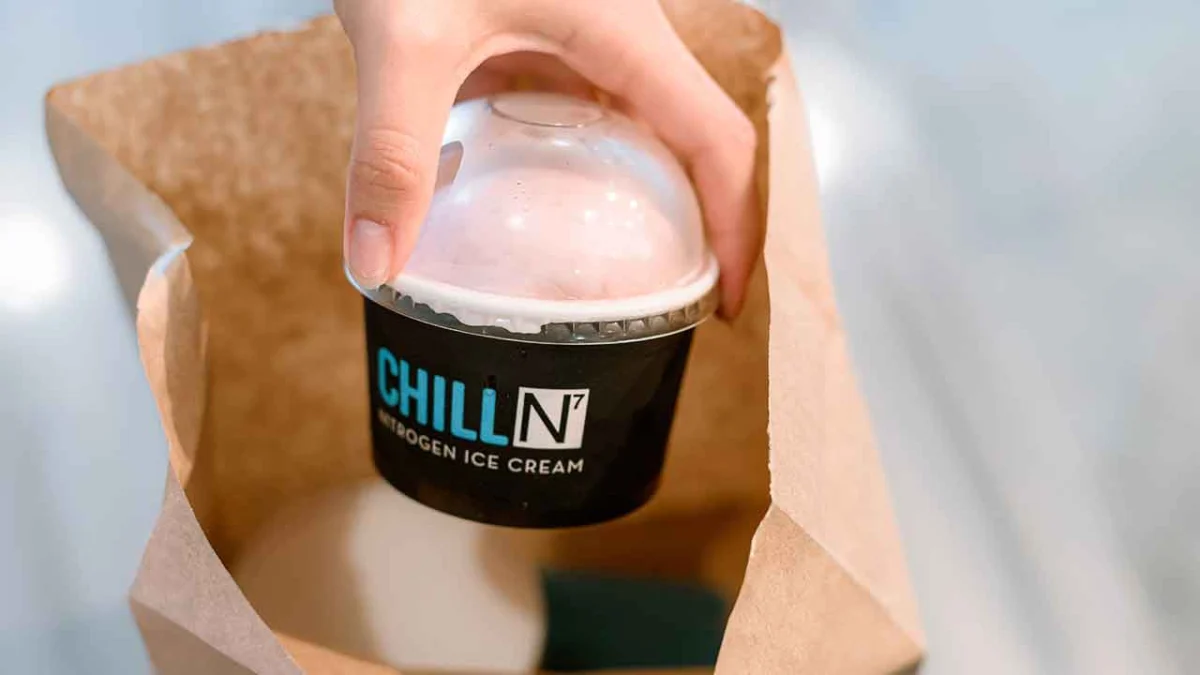
The iconic frozen treat, ice cream, presents a unique set of challenges for off-premises sales. The very nature of its appeal – its cold, creamy texture – is its greatest vulnerability during delivery. Chill-N Nitrogen Ice Cream, a Miami-based establishment specializing in customizable, flash-frozen ice cream, has developed a notable solution. By employing a secondary freeze using liquid nitrogen, they enhance the ice cream’s structural integrity. This process allows the product to remain at an optimal temperature for an extended period, typically up to 20 minutes longer than conventional freezing methods. This buffer is often sufficient to ensure the ice cream arrives at its destination in a desirable state, maintaining its quality for delivery or takeout orders.
David Leonardo, CEO of Chill-N, emphasizes the consumer’s unwavering expectation for both convenience and quality. "Consumers expect convenience, but they won’t trade quality or personalization for it," Leonardo stated. "Dessert has become an at-home occasion as much as a destination, and guests want it made for their needs, whether that’s non-dairy, sugar-free, gluten-free, or kosher, and delivered in great condition." This highlights the critical intersection of customization and quality assurance in the modern dessert market. Chill-N’s commitment to this principle is reflected in their sales figures; delivery has more than doubled since pre-pandemic levels, now accounting for over 20% of sales, with some individual stores reaching as high as 30%. This data point illustrates a tangible shift in consumer purchasing habits and the success of businesses that adapt to these changes.
The Enduring Appeal of Portable Jar Desserts
Beyond the realm of frozen treats, the concept of jarred desserts has emerged as another highly effective strategy for off-premises dessert sales. These desserts, often prepared by hand and served in reusable mason jars with lids, offer a dual benefit: portability and a distinctive, Instagram-worthy presentation. Slim Chickens, a popular fast-casual chain, has a long-standing tradition of offering jar desserts and recently expanded its selection with a Reese’s Peanut Butter Brownie Jar.
Ben Turner, vice president of brand performance for Slim Chickens, elaborated on the appeal of this format: "We make them by hand and serve them in a mason jar with a lid, so you don’t need to have room for dessert right then," Turner explained. "Finish your tenders and take it with you." This convenience factor is paramount for consumers who wish to savor their dessert at a time and place of their choosing. Turner further noted that consumers are increasingly seeking greater control over their indulgence. "They just want more say in when and how they enjoy it," he stated. "With a lid on the jar, you can eat it in the car, save it for after the kids are in bed, or split it with someone. It’s little treat culture with portability built in. The novelty helps too: a dessert in a mason jar stands out, and the jar is yours to keep and reuse." This "treat culture" with built-in portability resonates strongly with a consumer base that values flexibility and personalized experiences.
Slim Chickens also employs strategic online merchandising to promote its desserts. The brand utilizes highlighted "add-to-bag" recommendations that appear during the online checkout process. Furthermore, on third-party delivery platforms, desserts are offered as add-on options within existing menu items, ensuring visibility to customers as they build their orders. This proactive approach to showcasing desserts is a testament to their perceived value and revenue potential.
Similarly, Lazy Dog Restaurants, a casual dining brand, has found success with a similar strategy. Laura LaVigne, vice president of marketing for Lazy Dog, shared that their banana pudding is their "number one takeout item." The restaurant actively features it as a suggested add-on during online checkout, effectively encouraging guests to round out their to-go meals with a sweet conclusion. This integration of dessert recommendations into the online ordering flow has proven to be a highly effective method for boosting sales of these specific items.
Broader Implications for the Restaurant Industry
The trends observed in off-premises dessert sales have significant implications for the broader restaurant industry. Firstly, it underscores the evolving definition of a "meal." For many consumers, a restaurant order now encompasses not just the main course but also appetizers, drinks, and crucially, dessert, all intended for consumption in a home setting. This necessitates a holistic approach to menu engineering and operational planning.
Secondly, it highlights the increasing importance of technology and digital presence. Online ordering platforms, user-friendly websites, and effective digital marketing are no longer optional but essential tools for maximizing dessert sales. The ability to seamlessly integrate dessert options into the online ordering journey, whether through prominent add-ons or curated recommendations, can significantly impact revenue.
Thirdly, the success of specialized approaches like Chill-N’s nitrogen freezing or Slim Chickens’ jar desserts suggests that innovation in preparation and packaging can unlock new revenue streams. Restaurants that are willing to invest in understanding the specific challenges of off-premises food transportation and develop creative solutions are likely to gain a competitive advantage. This might involve exploring new packaging materials, investing in insulated delivery bags, or even rethinking dessert recipes to be more transport-friendly.
Finally, the continued demand for desserts, even in the face of health trends and evolving dietary preferences, indicates the enduring human desire for comfort and indulgence. Restaurants that can cater to this desire with high-quality, convenient, and personalized dessert options are well-positioned to thrive in the post-pandemic dining landscape. The "sweet takeaway" is not merely a fleeting trend but a fundamental aspect of the modern restaurant business model, requiring ongoing adaptation and strategic foresight. The data clearly indicates that there is indeed always room for dessert, provided it can be delivered in a manner that satisfies both convenience and quality expectations.
