


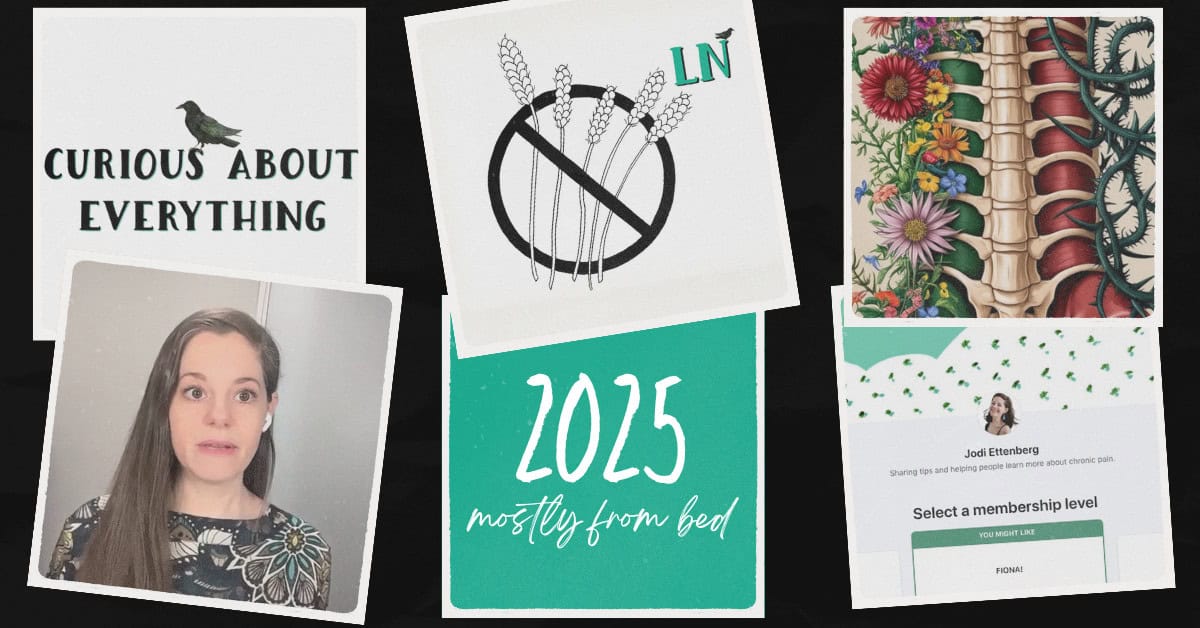
Jodi Ettenberg, the former corporate lawyer turned digital entrepreneur and patient advocate, has concluded a landmark year in 2025, marked by significant contributions to medical research and the global celiac community despite facing severe physical limitations. Known for her platform Legal Nomads, which transitioned from a travel blog to a resource for chronic illness advocacy following her 2017 diagnosis of a spinal cerebrospinal fluid (CSF) leak, Ettenberg has spent the past twelve months spearheading organizational shifts at the Spinal CSF Leak Foundation and expanding accessibility for gluten-free travelers worldwide. Her 2025 trajectory highlights a growing trend of patient-led expertise influencing clinical standards and non-profit management, even as she manages a condition that restricts her "uptime"—the ability to remain upright—to mere minutes or hours a day.
The 2025 Chronology: From Physical Setback to Advocacy Leadership
The year 2025 began under a cloud of physical uncertainty for Ettenberg. On December 25, 2024, a fall in the shower resulted in a significant reopening of her spinal CSF leak, a condition characterized by a hole or tear in the dura mater, the membrane that holds fluid around the brain and spinal cord. This setback unspooled years of relative stability, forcing her into a "supine-first" lifestyle for the first quarter of the year. During this period, Ettenberg’s professional output was primarily managed from a horizontal position, a testament to the "digital nomad" infrastructure she built over the previous decade.
Despite this initial period of despair, the second quarter of 2025 saw Ettenberg take on an expanded leadership role. In a significant organizational shift, she was appointed Board President of the Spinal CSF Leak Foundation. This role required her to oversee the most intensive hiring process in the foundation’s history, as the organization sought a new Executive Director. Simultaneously, Ettenberg managed the care of both her father and stepmother during their respective hospitalizations, a convergence of personal and professional responsibilities that tested the limits of her endurance.
By the latter half of the year, Ettenberg’s focus shifted toward clinical collaboration and public speaking. She participated as a patient-author in a peer-reviewed medical study and delivered a keynote "fireside chat" at a medical conference in Colorado. This progression from bed-bound recovery to international advocacy illustrates the resilience required to manage Spontaneous Intracranial Hypotension (SIH) while maintaining a global business.
Advancements in Spinal CSF Leak Research and Clinical Reporting
One of the most significant professional milestones for Ettenberg in 2025 was her role as a co-author of a research paper published in the American Journal of Neuroradiology (AJNR). The paper, titled "Enhancing Clarity in Dynamic Myelography Reporting: Results of a Survey of Patients and Referring Providers Evaluating a Standardized Reporting System in the Myelographic Work-Up of Patients with Suspected Spontaneous Intracranial Hypotension," proposed a new standardized system known as SIH-RADS.
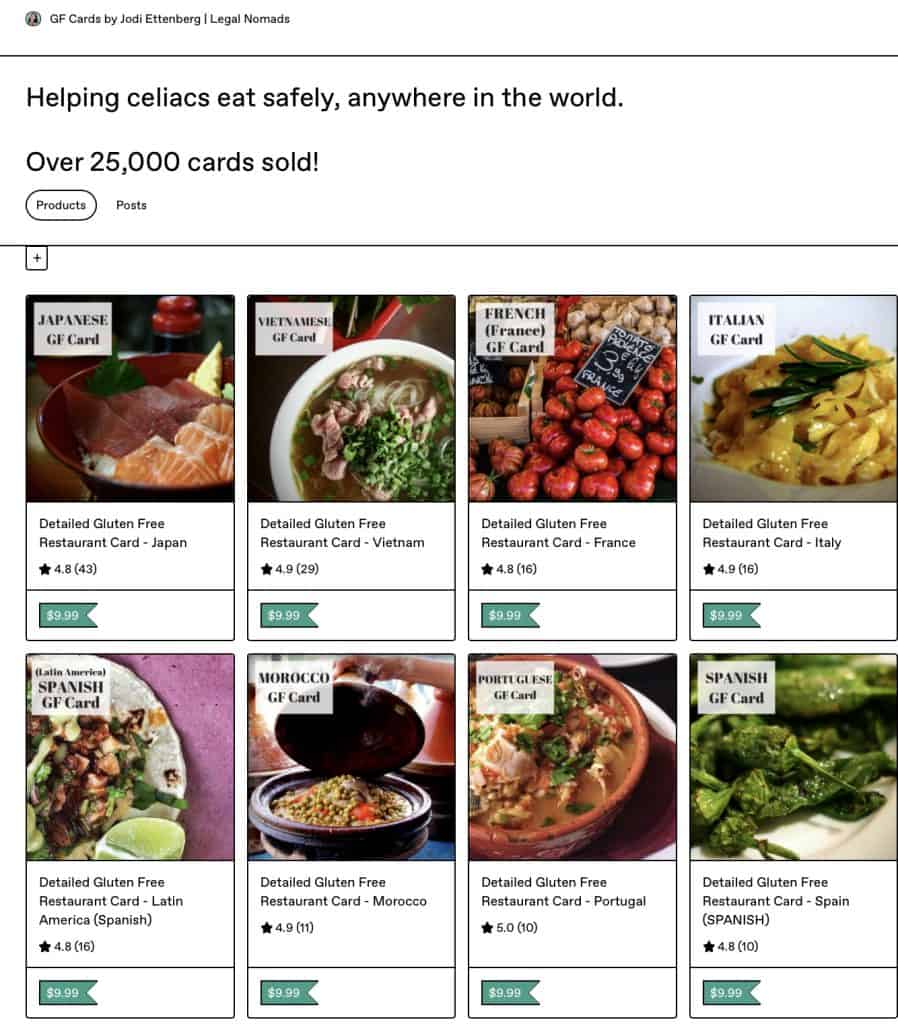
Spinal CSF leaks are notoriously difficult to diagnose, often requiring specialized imaging such as dynamic CT myelography, where contrast dye is injected to visualize the fluid’s escape in real-time. Before the introduction of SIH-RADS, reporting measures lacked standardization, leading to potential miscommunications between radiologists and treating physicians. The study, which Ettenberg helped facilitate from a patient perspective, found that both physicians and patients preferred the standardized SIH-RADS reporting over traditional methods. This contribution is viewed by the medical community as a critical step toward reducing the diagnostic delay that plagues SIH patients, many of whom go years without an accurate diagnosis.
Organizational Transformation at the Spinal CSF Leak Foundation
Ettenberg’s appointment as Board President of the Spinal CSF Leak Foundation in 2025 coincided with a period of rapid growth for the 501(c)(3) non-profit. The foundation, which focuses on funding research and raising awareness for a condition that remains largely misunderstood by general practitioners, faced a critical transition period.

Under Ettenberg’s leadership, the foundation conducted an exhaustive search for a new Executive Director, attracting over 130 applicants. Ettenberg designed the hiring framework, which included:
- The creation of standardized scoring rubrics to mitigate bias.
- The development of interview questions focused on the intersection of non-profit management and medical advocacy.
- Coordination with pro bono employment counsel to ensure legal compliance across different jurisdictions.
Beyond hiring, Ettenberg oversaw the planning of "LeakWeek," the foundation’s annual awareness campaign. The 2025 campaign successfully hit the top of its fundraising leaderboard, with Ettenberg’s personal community contributing $4,217 USD toward research initiatives. She also played a pivotal role in the preliminary stages of launching the first international patient registry for spinal CSF leak, a data-gathering tool designed to track patient outcomes and treatment efficacy on a global scale.

Expanding Global Resources for the Celiac Community
While her advocacy for spinal CSF leak patients took center stage, Ettenberg continued to expand the commercial and resource-based side of her business, Legal Nomads. For nearly 20 years, Ettenberg has been a leading voice for celiac travelers—those with an autoimmune response to gluten who must maintain a strict diet to avoid severe health complications.
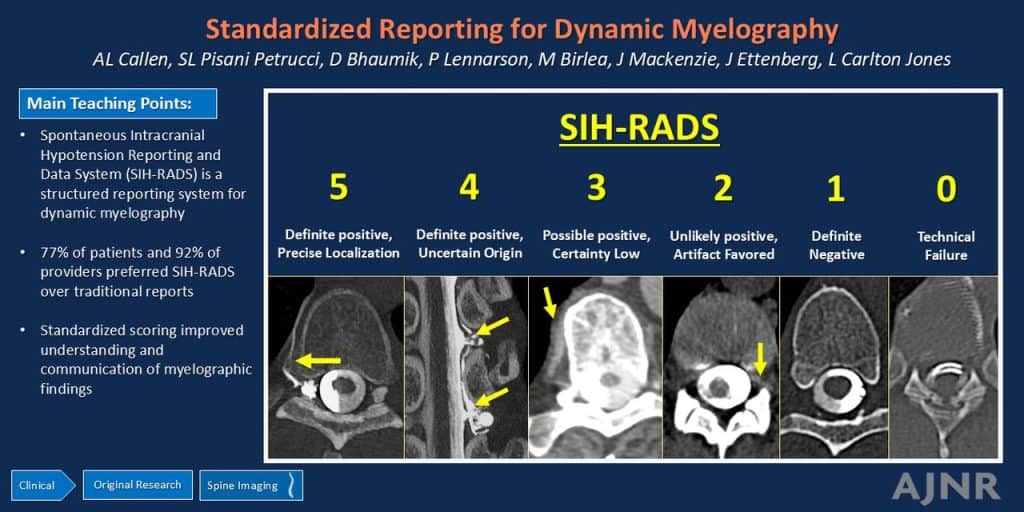
In 2025, Ettenberg celebrated the sale of her 25,000th celiac translation card. These cards, which are professionally translated and vetted by local speakers, allow travelers to communicate their dietary needs safely in foreign languages. The year saw the addition of three new languages to the store: Croatian, Korean, and Khmer.
Furthermore, Ettenberg published two new "Essential Gluten-Free Guides" for Cambodia and South Korea. These guides, ranging from 3,000 to 5,000 words, provide a comprehensive breakdown of safe and unsafe local dishes, cross-contamination risks in street food, and vetted restaurant recommendations. In an era of AI-generated travel content, Ettenberg’s guides remain distinct for their reliance on peer-vetted data and her own historical expertise as a former resident and frequent traveler to these regions.
Bridging the Gap: The Legal Brain and Patient Advocacy
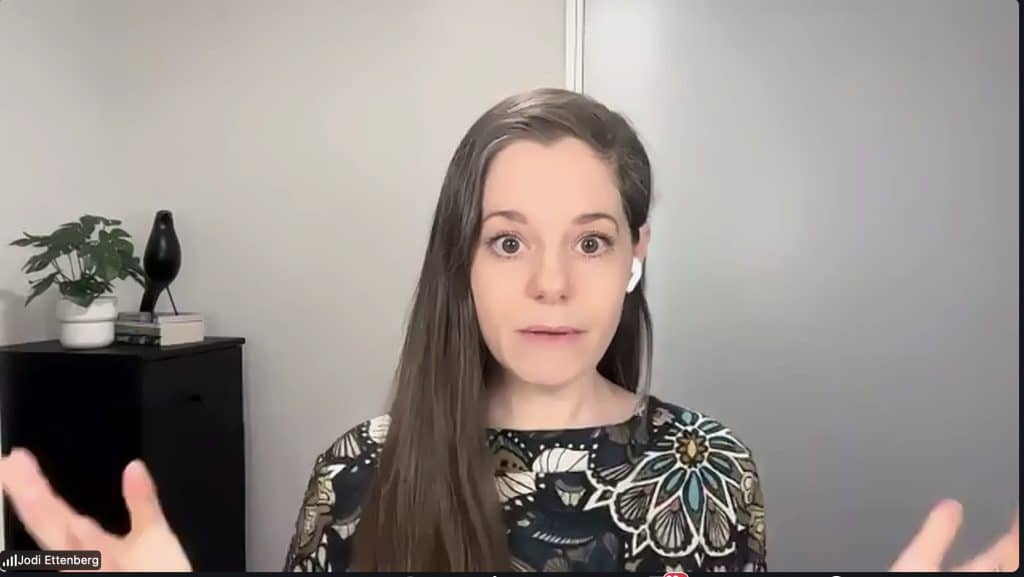
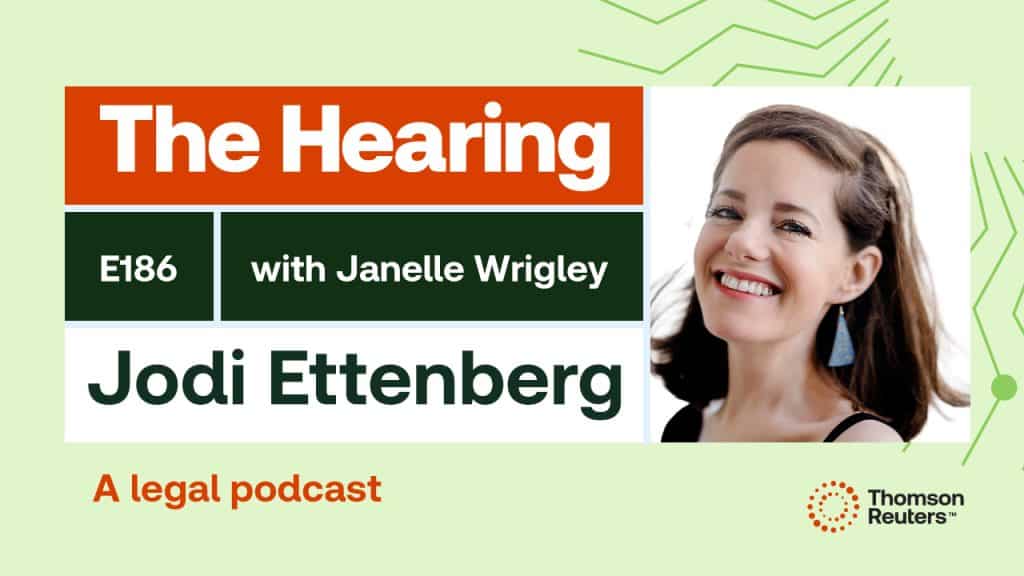
Ettenberg’s transition from a high-level legal career to a life of advocacy was highlighted in a December 2024 episode of The Hearing, a podcast produced by Thomson Reuters. In the 53-minute interview, Ettenberg discussed the "billable hour" mindset and how it ironically prepared her for a life measured in "uptime increments."
Legal analysts and career consultants have pointed to Ettenberg as a prime example of "alternative legal careers," where the skills of a lawyer—analytical rigor, evidence-based writing, and complex project management—are applied to non-legal fields. Her ability to navigate the legal complexities of non-profit hiring and the technical requirements of medical co-authorship suggests that the "legal brain" remains a potent tool even when the individual is no longer in active practice.
Analysis of Broader Impacts and Implications
Ettenberg’s 2025 activities reflect a broader shift in the healthcare landscape: the rise of the "Expert Patient." As social media and digital platforms allow patients with rare conditions to connect and aggregate data, individuals like Ettenberg are no longer merely recipients of care; they are active participants in the clinical and organizational structures of medicine.
The implications of her work in 2025 are threefold:
- Clinical Standardization: The SIH-RADS proposal demonstrates how patient input can drive more empathetic and clearer medical reporting, potentially becoming a model for other rare and "invisible" illnesses.
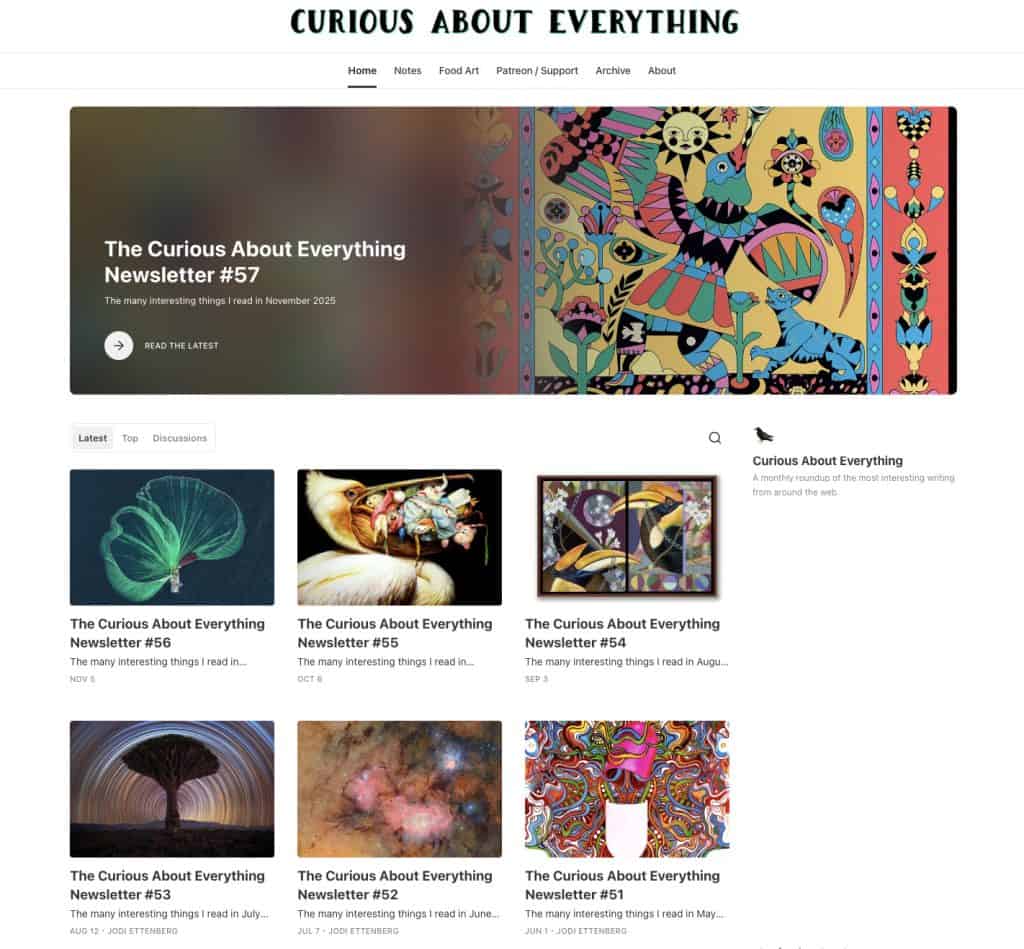
- Economic Resilience of the Disabled: Ettenberg’s ability to maintain a profitable business (via Patreon and digital products) while being largely bed-bound provides a blueprint for "accessible entrepreneurship." Her Patreon model, which utilizes a "Support Only" tier system, allows for a fluctuating output based on health, providing a more sustainable income stream for those with chronic pain.
- Non-Profit Professionalization: By applying corporate-level hiring standards to a small medical foundation, Ettenberg has helped elevate the operational maturity of the Spinal CSF Leak Foundation, ensuring it can handle larger research grants and international collaborations in the future.
As 2025 draws to a close, the "teeny tiny sliver" of Ettenberg’s physical life stands in stark contrast to the "infinite" nature of her digital and advocacy footprint. Her year-end retrospective serves as a case study in how technology can bridge the gap between physical disability and global impact, turning a personal medical catastrophe into a catalyst for systemic change in both the travel and medical sectors.
