

The culinary landscape of Canada’s National Capital Region (NCR) has undergone a significant transformation over the last 24 months, reflecting a global shift toward heightened allergen awareness and the medical necessity of celiac-safe dining. As the population of individuals diagnosed with celiac disease—an autoimmune condition affecting approximately 1 in 100 Canadians—continues to grow, the demand for dining environments that mitigate the risk of cross-contamination has reached an all-time high. In Ottawa and Gatineau, this demand is being met by a diverse array of dedicated facilities and highly trained "gluten-aware" establishments, marking a departure from the days when gluten-free options were relegated to mere footnotes on a menu.

The distinction between "gluten-friendly" and "celiac-safe" is a critical one for public health. While many restaurants offer dishes without gluten-containing ingredients, the risk of cross-contact—shared fryers, common cutting boards, or airborne flour—remains a prohibitive barrier for those with an autoimmune response. Recent data from the Celiac Canada association highlights that even trace amounts of gluten, as small as a crumb, can trigger intestinal damage in celiac patients. Consequently, the emergence of dedicated 100% gluten-free facilities in the NCR represents a vital development in the region’s hospitality sector.

The Evolution of Dedicated Gluten-Free Facilities in Ottawa
The growth of the gluten-free sector in Ottawa is characterized by a mix of established local favorites and innovative newcomers. A cornerstone of this movement is Strawberry Blonde Bakery, located in the Westboro neighborhood. Operating as a vegan, nut-free, and kosher facility, it exemplifies the "multi-allergen" approach that has become increasingly popular in urban centers. By removing the most common allergens from the production line entirely, such establishments provide a baseline of safety that standard kitchens cannot replicate.

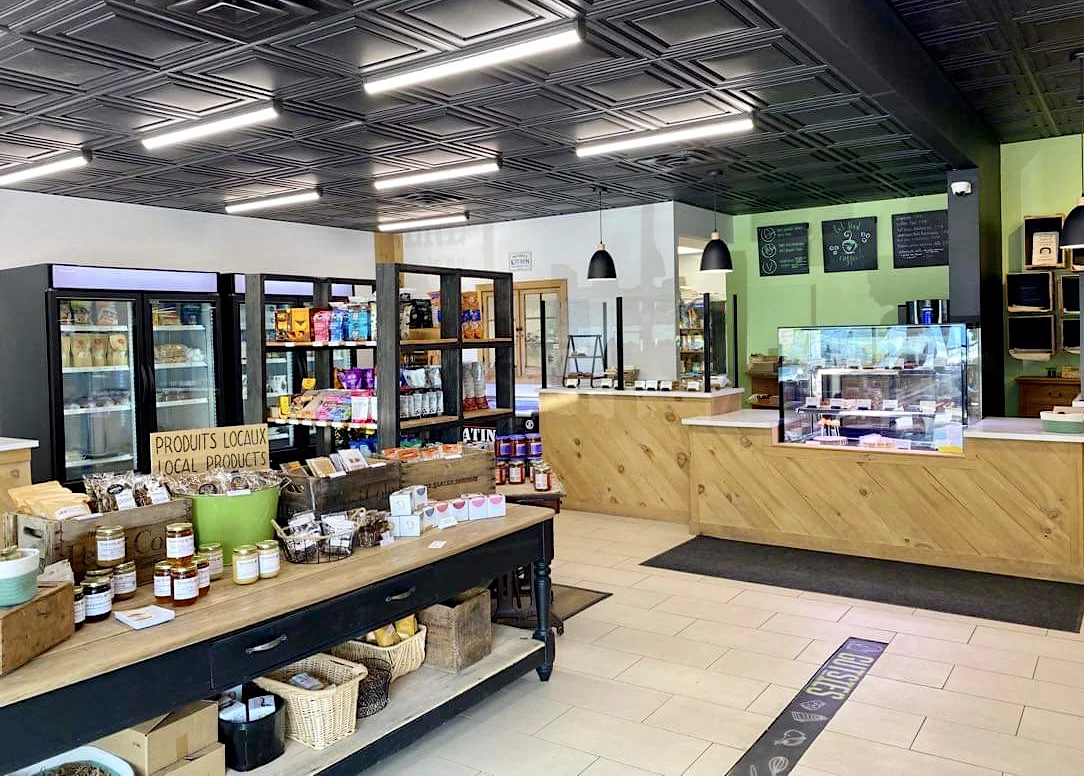
In 2023 and 2024, the region saw a notable expansion in specialized retail. Gutsies, located in Orléans, has positioned itself as a hybrid bakery and boutique, sourcing high-quality gluten-free goods from larger markets like Montreal and Toronto to supplement its in-house production. This model of "curated safety" allows local consumers access to products that were previously unavailable in the NCR. Similarly, the rebranding of "5 Cupcakes" to 2 Sprinkles signifies a maturation of the local market, as family-owned businesses scale their operations to meet the increasing demand for both daily staples and artisanal treats.

Chronology of Market Entry and Expansion (2019–2024)
The timeline of celiac-safe dining in Ottawa reveals a steady upward trajectory:

- 2019: The opening of Wolf Down on Bank Street introduced Berlin-style döner to the region with a specific focus on limited, high-quality ingredients. By offering rice-based bowls and ensuring all sauces remained gluten-free, the establishment set an early standard for fast-casual safety.
- 2021–2022: Despite the challenges of the global pandemic, the region saw a surge in specialized food trucks and market stalls. Establishments like Spring Chips and Farang Thai began utilizing the "pop-up" model to reach celiac diners at festivals and farmers’ markets, often operating with 100% gluten-free menus to eliminate the risk of cross-contact in small spaces.
- 2023: A significant year for Latin American cuisine in the NCR. The Tortilla Maker of Canada opened in Orléans, focusing on traditional nixtamalized corn processes. Concurrently, Sona Indian Kitchen entered the market, bringing heightened awareness of cross-contact protocols to the Hunt Club area.
- 2024: The consolidation of the "dedicated" market continues, with established brands like Strawberry Blonde and The Merry Dairy expanding their reach through retail partnerships and increased delivery radius.
International Cuisines and Cross-Contamination Protocols
For celiac diners, international cuisines often provide a natural haven, provided the kitchen staff understands the nuances of soy sauce (which often contains wheat) and shared cooking surfaces. In the NCR, several restaurants have distinguished themselves through rigorous safety protocols.

Mediterranean and Italian Excellence
The Greek Souvlaki Shack on Bank Street has gained a reputation for its house-made gluten-free pita and dedicated fryers. In the realm of Italian dining, La Dolce Vita on Preston Street stands as a benchmark, having earned certification from the Gluten-Free Food Program (GFFP). This certification involves third-party auditing of ingredients and kitchen practices, providing a level of transparency that is increasingly sought after by the medical community.

Asian Culinary Adaptations
While traditional Southeast Asian cooking often relies on naturally gluten-free ingredients like rice and coconut milk, the modern use of commercial thickeners and soy-based marinades poses a risk. Social Thai and Siam Bistro have been noted for their ability to navigate these risks, often substituting tamari or ensuring wok-searing is done in cleaned vessels. In the Vietnamese sector, La Maison Pho in Aylmer has been recognized for its clear labeling and understanding of rice-paper roll preparation, ensuring that grilled meats are free from wheat-based binders.

Supporting Data: The Economic Impact of the Gluten-Free Market
The shift toward gluten-free dining is supported by compelling economic data. According to market research, the Canadian gluten-free food market is projected to continue growing at a compound annual growth rate (CAGR) of approximately 9% through 2028. This growth is driven not only by the 1% of the population with celiac disease but also by the estimated 5% to 10% of the population with non-celiac gluten sensitivity.
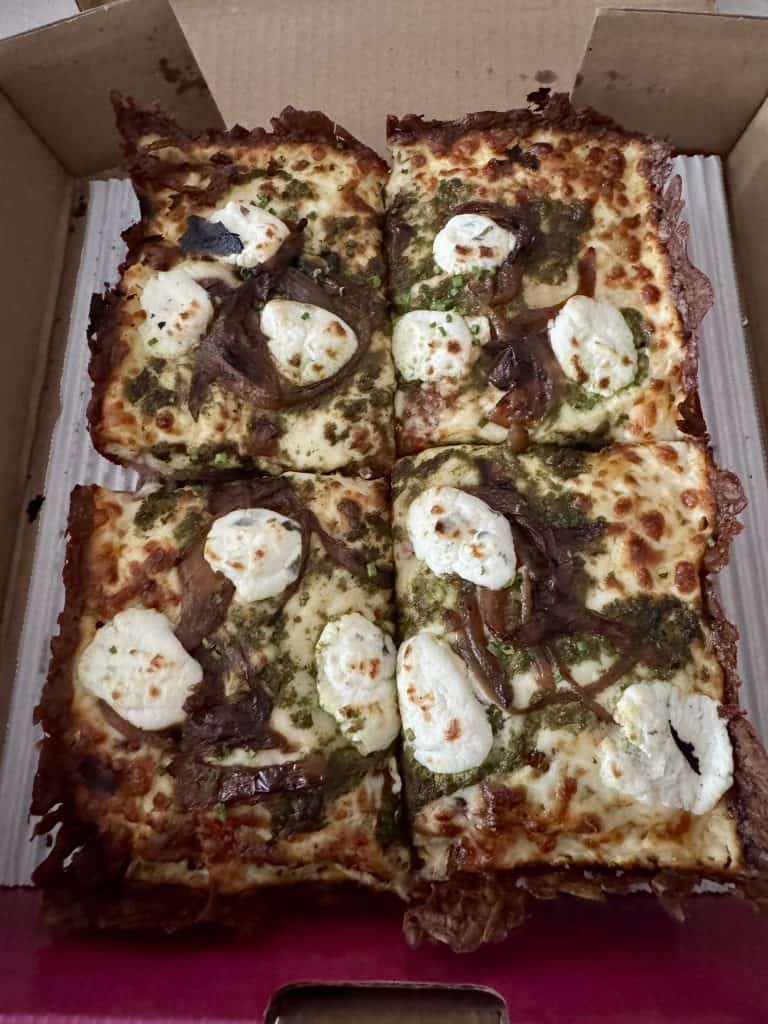
In Ottawa, this economic reality has encouraged non-dedicated restaurants to invest in separate prep areas. For example, Pizza Stay Gold and Pizza Nerds have implemented "pan-cooking" methods for their gluten-free crusts, ensuring that the dough never touches the floor of a shared stone oven—a common source of contamination in traditional pizzerias.

Comfort Food and the "Dedicated Fryer" Standard
One of the most significant barriers for celiac diners is the "shared fryer" issue. In many standard restaurants, French fries are considered gluten-free, but they are cooked in the same oil as breaded chicken or onion rings. In the NCR, a new standard is being set by "comfort food" specialists.

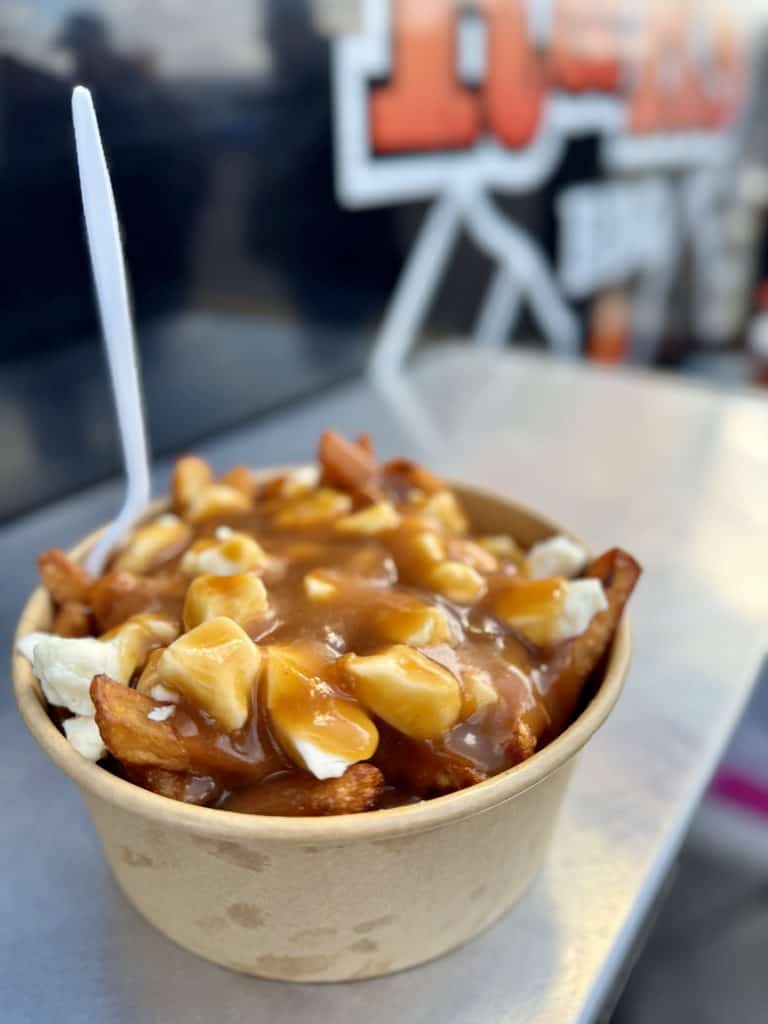
Smokin’ RR’s in Stittsville and Patate Lou Lou in Gatineau have prioritized dedicated fryers, allowing celiac diners to safely consume poutine—a staple of the regional diet. Smokin’ RR’s, in particular, has been lauded for ensuring its gravy and cheese curds are sourced from certified suppliers, ensuring that the entire dish meets medical safety standards. Similarly, Little Mac’s on Wellington Street West has created a "cholesterol paradise" for celiacs by ensuring that nearly their entire southern-fried menu is gluten-free by default, using corn-based breading for chicken and waffles.

Analysis of the Regulatory Environment and Future Outlook
When compared to international standards, specifically those in the United Kingdom and the European Union, Canada’s allergen labeling laws are robust but often fall short in the "service" industry. In the UK, the "Food Information for Consumers" regulation requires food businesses to provide accurate information on 14 allergens, including cereals containing gluten, for every dish served.
While Canada does not yet have an equivalent federal mandate for restaurants, the proactive approach of Ottawa’s culinary community suggests a voluntary move toward these standards. The success of certified spots like La Dolce Vita indicates that there is a competitive advantage to formalizing gluten-free protocols.

Industry analysts suggest that the next phase of growth in the NCR will involve more "dark kitchens" and frozen-to-order services. Companies like The Bean Sprout GF, which operates out of Toronto but holds regular pop-ups in Ottawa, demonstrate the viability of the "frozen-safe" model. By providing dumplings, egg rolls, and steamed buns produced in a 100% gluten-free facility, they fill a gap in the market for complex, labor-intensive dishes that are difficult to find in celiac-safe versions.

Community Support and the Role of Local Advocacy
The resilience of the gluten-free scene in Ottawa is also deeply tied to local advocacy. The Ottawa Celiac Association plays a pivotal role in vetting establishments and providing resources for newly diagnosed residents. Furthermore, the rise of "food angels"—community members who assist disabled or housebound celiac patients—highlights the social dimension of food safety.

As the National Capital Region continues to evolve, the integration of celiac-safe practices into the broader hospitality industry is no longer an outlier but a necessity for any establishment seeking to be inclusive. The transition from "options" to "safety" marks a significant milestone in the region’s journey toward becoming a world-class culinary destination for all diners, regardless of medical dietary restrictions.
