

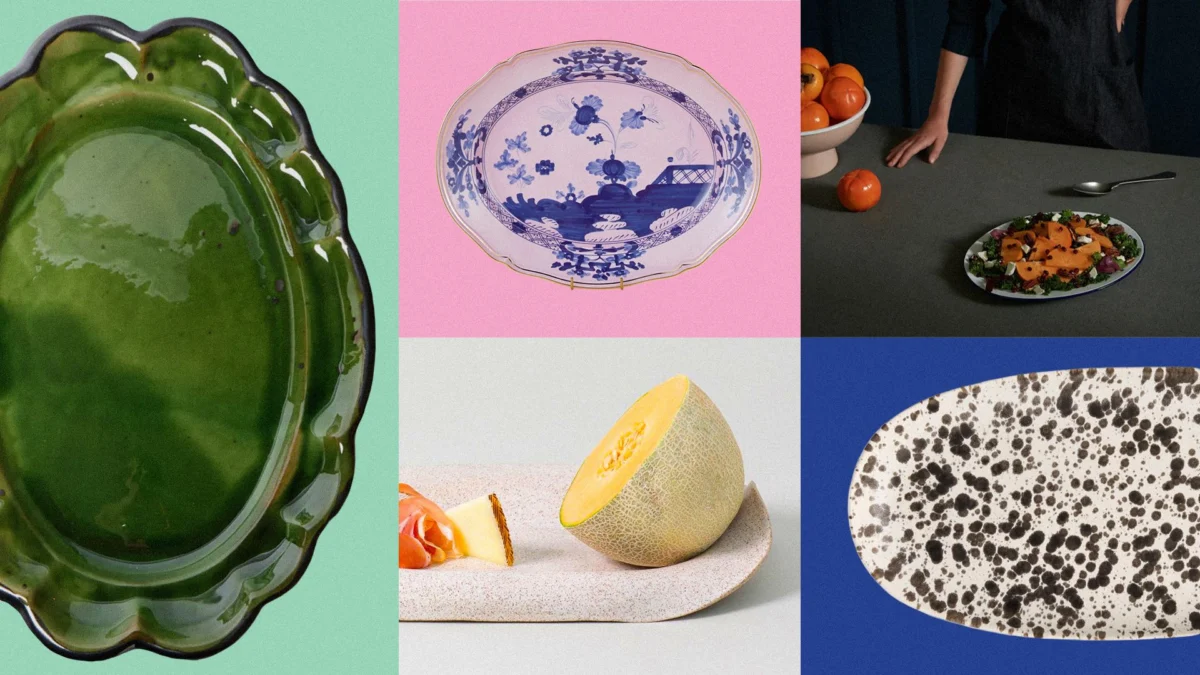
The culinary world increasingly recognizes that the enjoyment of a meal extends far beyond taste and aroma, deeply intertwining with the visual and tactile aspects of its presentation. While the intrinsic flavor of a dish remains paramount, the vessel upon which it is served significantly shapes the overall dining experience, influencing perception, atmosphere, and even satisfaction. This shift in appreciation has propelled serveware from a mere functional necessity to a crucial element of gastronomic artistry and home entertaining, driving innovation and demand across the design and retail sectors.
Historically, the act of serving food has always held cultural and social significance. From communal wooden trenchers in medieval Europe to elaborate porcelain services of the Rococo era, tableware has evolved not just in material and craftsmanship but also in its symbolic role. Early forms were primarily utilitarian, designed for practicality and durability. Over centuries, as societies became more stratified and artistic expressions flourished, serveware began to reflect status, wealth, and prevailing aesthetic movements. The Industrial Revolution brought about mass production, making elegant tableware more accessible, yet it often sacrificed the unique character found in handcrafted pieces. The 20th century saw a pendulum swing between minimalist functionality and decorative flair, culminating in today’s diverse market where consumers seek pieces that resonate with their personal style and enhance their culinary narratives.
Modern consumer trends underscore a renewed emphasis on home entertaining and personalized dining. Data from market research firms specializing in home goods indicate a steady growth in the premium serveware segment, with consumers increasingly willing to invest in pieces that contribute to a curated dining environment. This trend is fueled by several factors, including the rise of culinary tourism, an increased interest in cooking and baking at home, and the pervasive influence of social media, where visually appealing food presentations garner significant attention. The "Instagrammable" quality of a meal now often includes the backdrop of a distinctive platter or bowl, transforming dining into a shareable aesthetic experience. This has led to a burgeoning market for artisanal, unique, and design-forward serveware that offers a departure from conventional, mass-produced options.
The Psychology of Plating and Perception
Numerous psychological studies have explored how visual cues impact the perception of food. Research suggests that elements such as color, arrangement, and the quality of the serving vessel can alter perceived taste, portion size, and even the emotional response to a meal. For instance, food served on a vibrant, glossy glazed platter might be perceived as more appealing and flavorful than the exact same dish on a chipped, generic white plate. The texture and weight of a hand-painted stoneware piece can evoke a sense of craftsmanship and authenticity, implicitly suggesting that the food it holds is also prepared with care and quality ingredients. This phenomenon is not merely subjective preference; neurological responses to visual stimuli directly influence our sensory interpretation of food, making the choice of serveware a powerful, albeit often subconscious, tool in culinary presentation.

Diverse Design Philosophies in Contemporary Serveware
The current serveware market is characterized by an impressive breadth of design philosophies, catering to a spectrum of aesthetic preferences and dining occasions. This diversity allows individuals to select pieces that truly reflect their personal style and the specific ambiance they wish to create, from casual family meals to sophisticated dinner parties.
Minimalist Elegance: Sleek and Simple Designs
For those whose aesthetic leans towards modern simplicity, monochrome options and understated forms offer an elegant solution. These pieces prioritize clean lines, refined finishes, and often a focus on the natural beauty of the material itself. A glossy glazed platter in a striking solid color can introduce a subtle pop of visual interest without overwhelming the food. Alternatively, a black marble tray provides a sophisticated, neutral backdrop that highlights the vibrancy of the dishes served. Renowned ceramists like Jono Pandolfi exemplify this approach, with their signature exposed clay rims offering a tactile contrast to smooth glazes, embodying a Michelin-worthy understated luxury. Brands such as Softedge Studio and Noble Pottery also contribute to this category, offering sleek, well-crafted pieces that speak to a minimalist sensibility. The appeal lies in their timelessness and versatility, seamlessly integrating into various decor schemes while allowing the culinary creation to take center stage.
Artisanal Heritage: Hand-Painted Gems
In contrast to minimalist designs, hand-painted stoneware platters offer a more intricate and personal touch. These pieces often draw inspiration from rich cultural traditions and artisanal techniques, transforming serveware into canvases for artistic expression. Iconic Italian brand Ginori 1735, with its centuries-old legacy, transports diners to a realm of exquisite craftsmanship and historical elegance, featuring delicate patterns and vibrant motifs that evoke the grandeur of Italian artistry. Other designers, like Maison Flâneur, offer more contemporary graphic interpretations, such as checkered platters, that inject a playful yet sophisticated personality into the table setting. The allure of hand-painted serveware lies in its inherent uniqueness; each piece often bears subtle variations that attest to its handmade origin, providing a conversation starter and a connection to traditional craftsmanship. This category appeals to consumers seeking pieces with character, history, and a narrative beyond mere utility.
Refined Details: Darling Decorative Edges
Decorative edges present an ingenious way to elevate an otherwise simple platter, adding visual interest that remains prominent even when the platter is laden with food. This design approach focuses on subtle embellishments that enhance the piece’s aesthetic appeal without detracting from its function. Options range from delicate ruffles, which impart a whimsical and soft elegance, to orderly scallops that suggest a more classic and structured sophistication. Bead-like dots along the rim can add a tactile dimension and a touch of vintage charm. Brands like Hawkins New York, known for their ruffle-edged platters, and Salto Workshop, with their beaded designs, showcase how these subtle details can significantly impact a platter’s overall presence. Poterie de Cliousclat’s slipware serving platters often feature traditional decorative edgework, while Usuki Ware’s Rinka Oval Dinner Plate presents a more organic, petal-like edge, demonstrating the versatility of this design element. These pieces are favored by those who appreciate understated ornamentation and a sense of curated refinement.
Expressive Forms: Abstract and Free-Form Designs
For those who champion asymmetry and organic contours, abstract and free-form platters offer a distinct departure from conventional shapes. These designs celebrate natural imperfections and fluid lines, bringing an artistic, sculptural quality to the table. Such pieces are versatile, equally at home as part of a casual coffee table grazing spread or as a striking element on a formal dinner party table. The Nuno Splatter Stoneware Serve Platter, for instance, combines a classic shape with an expressive, almost painterly, abstract finish. Meanwhile, the Large Ceramic Wavy Tapas Platter, often found from independent artisans on platforms like Etsy, uses its undulating contours to naturally section and accommodate various food items like crackers, cheeses, and olives, transforming functionality into an artistic feature. Brands like Sin, with their Manta Oval Platter, further explore these organic forms, creating pieces that feel both modern and timeless. These platters appeal to individuals who seek to infuse their dining experience with a sense of artistic freedom and unconventional beauty.

Seasonal Celebrations: For Holiday Hosting
While many versatile platters can grace a holiday table, certain designs inherently evoke a festive spirit, making them particularly fitting for celebratory occasions. These pieces are often chosen to complement the richness of holiday meals, serving as impressive vessels for bronzed turkeys, glistening hams, towering stacks of flaky biscuits, or vibrant mountains of maple-glazed Brussels sprouts. Brixton Pottery’s "Swags and Bows" oval platter, for example, offers a traditional charm with its festive motifs, perfect for classic holiday aesthetics. LEIF’s Pear Embossed Ceramic Platter adds a touch of rustic elegance, while Anthropologie and Zara Home often release seasonal collections that feature intricate patterns or warm, inviting colors. Crate & Barrel’s Marin Botanical Stoneware Platter, with its nature-inspired motifs, can also beautifully anchor a festive spread. These platters become part of the holiday tradition, cherished pieces that bring joy and beauty to annual gatherings, reflecting the warmth and abundance of the season.
Durability and Versatility: Outdoor-Ready Serveware
Outdoor entertaining presents its own set of challenges, primarily the risk of breakage associated with delicate ceramic or glass serveware. This has led to a demand for lightweight, shatterproof alternatives that do not compromise on style. Materials such as enamelware, melamine, and various types of wood have emerged as ideal choices for alfresco dining, offering durability without sacrificing aesthetic appeal. UK-based brand Falcon Enamelware is a prominent example, renowned for its glossy, resilient products that combine vintage charm with modern practicality. Their collection, notably, defies common misconceptions by being entirely dishwasher-safe, simplifying post-meal cleanup. Melamine platters have also undergone a design renaissance, moving beyond their utilitarian origins to feature sophisticated patterns and textures that mimic more fragile materials. Wooden serving boards and platters, from brands like Etu Home available at Anthropologie, offer a natural, rustic elegance that is both durable and visually appealing for garden parties and barbecues. This category highlights a pragmatic approach to serveware, ensuring that style can be maintained in less formal, more dynamic settings.
Implications for the Industry and Consumers
The growing appreciation for diverse and high-quality serveware has significant implications. For the design and manufacturing industry, it fosters innovation in materials, production techniques, and artistic expression. It supports artisanal communities and smaller design studios, allowing them to thrive in a market that values craftsmanship and uniqueness. Retailers are adapting by offering broader selections, often curating collections that tell a story or fit a specific lifestyle narrative, moving beyond mere product listings.
For consumers, this trend signifies a move towards more mindful consumption, where purchases are driven by a desire for pieces that are not only functional but also aesthetically pleasing and emotionally resonant. Investing in quality serveware transforms everyday meals into small celebrations and elevates special occasions into memorable events. It encourages a deeper engagement with the dining experience, fostering creativity in plating and presentation, and ultimately enriching the sensory journey of food consumption. As home remains a central hub for social interaction and personal expression, the role of thoughtful serveware will undoubtedly continue to expand, cementing its place as an indispensable element in the art of living well.
