

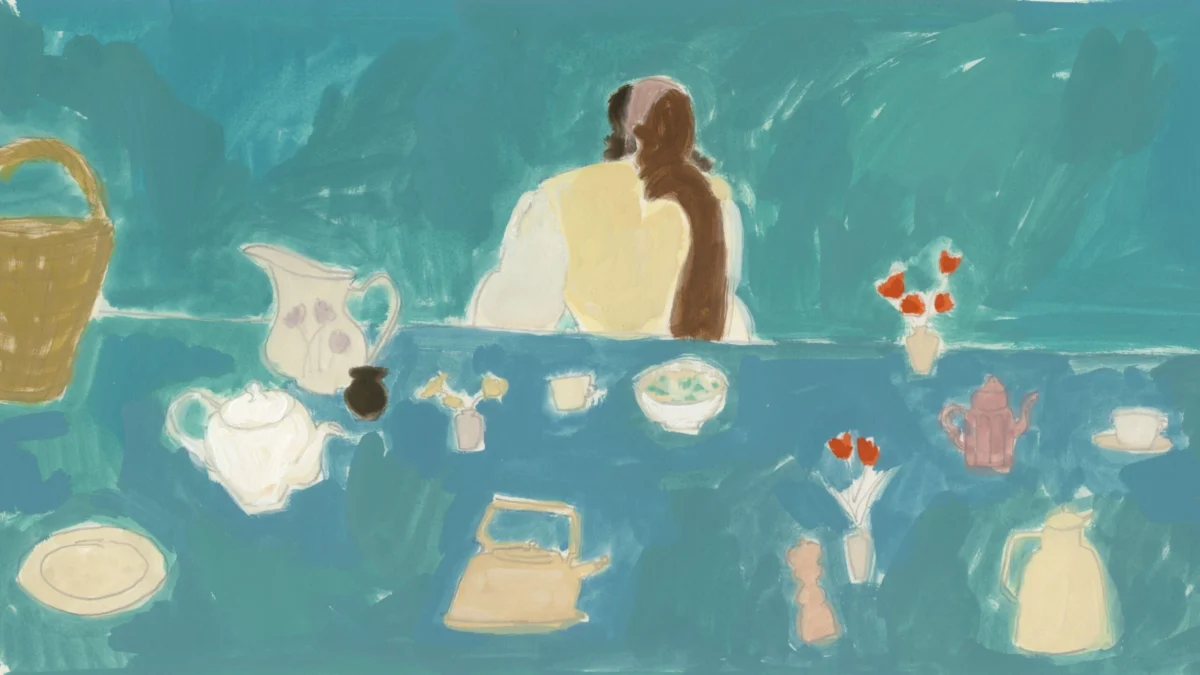
Trinity Mouzon Wofford, author of Eating at Home, recently shared her deeply personal and illuminating journey into motherhood, marked by an unexpected home birth and the profound comfort found in a traditional Japanese rice porridge, okayu, during the vital "Fourth Trimester." Her experience, chronicled within the Bon Appétit series focusing on postpartum nourishment, highlights a growing trend among parents seeking personalized and holistic approaches to childbirth and recovery, often driven by a desire for autonomy and compassionate care.
The Paradigm Shift: From Conventional Care to Empowered Home Birth
Wofford’s initial foray into pregnancy care began conventionally. Upon receiving the "welcome surprise" of a positive pregnancy test, she, by her own admission, considered herself "risk-averse, pain-intolerant, and skeeved-out by the sort of spiritual mumbo-jumbo that seemed to accompany an unmedicated birth." This led her to dutifully enroll with a traditional obstetrics (OB) practice, a common first step for many expectant parents navigating the modern healthcare system.
However, her journey took an abrupt and concerning turn halfway through her pregnancy. A critical misreading of a test result by the OB practice, based on the assumption of her being Caucasian, led to a distressing flag suggesting a potentially fatal birth defect in her unborn child. The week that followed, between the alarming phone call and a scheduled Level II ultrasound, was fraught with anxiety and self-reproach, a stark illustration of how systemic biases and miscommunication can profoundly impact patient well-being. This incident served as a significant breaking point, eroding the trust she had placed in the conventional medical system.
The ultrasound technician, witnessing Wofford’s distress and privy to other "horror stories" from the practice, courageously encouraged her to switch providers, offering a list of alternative local OBs. Yet, it was a friend’s earlier home birth experience that resonated more profoundly. This pivotal moment coincided with Wofford’s independent reading of Ina May Gaskin’s Guide to Childbirth, a foundational text in natural birth advocacy. Gaskin’s book, described by Wofford as a "’70s-commune-era book, filled with firsthand tales of ecstatic births," inadvertently exposed her to the "potential upsides of an unmedicated labor at home." The book’s candid imagery and narratives, while sometimes surprising to houseguests, cemented a burgeoning interest in a different path.
The decision to pursue a home birth, once considered antithetical to her cautious nature, settled with "surprising ease" after her first conversation with a midwife. This initial call marked a profound shift from a fragmented, impersonal medical experience to one defined by attentive listening and pragmatic reassurance. Her midwife addressed her "antsy questions" with clear, sensible answers, notably regarding complications: "We call it early and head to the hospital—the same as if you’d planned on that all along." This directness and emphasis on safety protocols demystified the perceived risks of home birth. Over the subsequent few months leading up to her due date, the regular, hour-long appointments, which always welcomed her husband, Issey, fostered a deep sense of trust. This personalized care instilled in Wofford "total confidence in my body, my baby, and her practice," laying the groundwork for an empowered birthing experience.
The Arrival of Ruby Natsuko: A Serene Home Birth Experience
The birth of Ruby Natsuko, a name chosen for its Japanese meaning "Summer Child," unfolded on a Tuesday afternoon in late July, within the comforting familiarity of Wofford’s home. This intimate setting, attended by her midwife, husband Issey, and grandmother, stood in stark contrast to the sterile environments of hospital deliveries, offering a testament to the growing appeal of home births for those seeking a more personal and controlled experience.

Early labor commenced overnight, building in intensity through the following morning. Wofford embraced techniques learned from Gaskin’s Guide to Childbirth, such as "horse lips" breathing and accepting back rubs from her supportive team. Her primary objective was to maintain a state of relaxation, allowing her body to progress naturally, a challenging feat amidst escalating contractions. The midwife, cognizant of the typically extended early labor for first-time mothers, arrived about an hour before Ruby’s birth. Her calming presence was immediate and palpable. Wofford vividly recalls the moment her midwife entered the "yellow music room," where a birthing pool had been set up, and gently placed a cool hand on her forehead. In the brief 30-second respites between intense contractions, Wofford describes experiencing a "dream-like bliss that placed me inside of another reality altogether," underscoring the profound, almost spiritual, dimension some individuals find in unmedicated labor.
The intimate nature of Ruby’s birth, caught by her midwife and witnessed by her immediate family, underscored the shift in Wofford’s perspective on childbirth. What began as an apprehension towards anything "spiritual mumbo-jumbo" transformed into an appreciation for a birth experience that felt deeply connected to her body, her environment, and her chosen support system. This narrative resonates with a broader movement advocating for patient-centered birth experiences that prioritize individual comfort, informed choice, and the physical and emotional well-being of the birthing person.
The "Fourth Trimester" and the Healing Power of Okayu
In the immediate aftermath of Ruby’s birth, as the new family settled into their rhythm, the concept of the "Fourth Trimester"—the crucial postpartum period encompassing the first three months after birth—took center stage, particularly through the lens of nourishment. This period is increasingly recognized by healthcare professionals and parents alike as a critical phase for maternal recovery, bonding, and establishing new family dynamics. During this time, mothers navigate significant physical, hormonal, and emotional changes, often while simultaneously learning to care for a newborn.
On Ruby’s first morning, amidst the "endless summer days" where the sun’s warmth lingered, Issey prepared a large pot of okayu. This Japanese-style rice porridge is a traditional comfort food, deeply embedded in Japanese culture as a dish served "whenever comfort and care were the highest priority." For the Wofford family, it became the inaugural meal of their new life as three, symbolizing warmth, care, and a gentle welcome into parenthood. Wofford, still in her pajamas, sat at the kitchen table, observing Issey cradle Ruby’s tiny fingers and toes, creating a poignant memory inextricably linked to the soothing porridge.
Okayu’s significance extends beyond its cultural roots; it is a nutritionally sound choice for postpartum recovery. The recipe calls for "plenty of seaweed," which is rich in essential minerals, providing a much-needed boost for a recovering mother. Its gentle, hydrating, and easily digestible nature makes it ideal for a body that has undergone the immense physical exertion of childbirth. Nutritionists often emphasize the importance of nutrient-dense, warm, and easily consumable foods during the postpartum period to aid healing, replenish energy stores, and support lactation. Okayu, with its simple ingredients and comforting texture, perfectly fits this description, offering both physical sustenance and emotional solace.
Broader Context: Trends in Birthing Choices and Postpartum Wellness
Trinity Mouzon Wofford’s experience is indicative of several evolving trends in maternal healthcare and family wellness. The shift from a traditional OB practice to a home birth with a midwife reflects a growing desire among expectant parents for more personalized, less medicalized birthing experiences.
Rising Interest in Home Births and Midwifery Care: Data from the Centers for Disease Control and Prevention (CDC) in the United States shows a consistent, albeit small, increase in home births over the past two decades, particularly since 2004. While still representing a small percentage of overall births (around 1.5% as of recent reports), the upward trend highlights a segment of the population actively seeking alternatives to hospital deliveries. Reasons cited often include a desire for greater autonomy, a more natural and less interventional birth experience, avoiding hospital policies or interventions, and the comfort of familiar surroundings. The presence of a midwife, offering continuous support and a holistic approach to care, is often a central component of these choices.

Safety and Support for Home Births: Major medical organizations, such as the American College of Obstetricians and Gynecologists (ACOG), acknowledge that planned home births with a certified nurse-midwife or other qualified healthcare professional can be a safe option for low-risk pregnancies, provided there are established protocols for emergency transfer to a hospital. Wofford’s midwife’s pragmatic approach to potential complications aligns with these recommendations, emphasizing that safety remains paramount. Birth advocates often highlight that midwifery care, characterized by longer appointments and a focus on education and emotional support, contributes significantly to positive birth outcomes and maternal satisfaction.
The Crucial Role of Postpartum Nutrition: The concept of the "Fourth Trimester" has gained significant traction, moving beyond anecdotal experience to a recognized period requiring dedicated care. Health organizations and maternal wellness advocates stress the importance of holistic postpartum support, including adequate rest, emotional well-being, and, critically, nourishing food. Expert nutritionists consistently recommend warm, easily digestible, and nutrient-rich meals for new mothers to aid physical recovery, balance hormones, support breast milk production, and combat fatigue. Foods rich in iron, calcium, protein, and healthy fats are often highlighted. Okayu, with its simple carbohydrate base for energy and the mineral-rich seaweed, exemplifies a traditional food that meets many of these postpartum nutritional requirements. It aligns with global traditions where specific healing foods are prepared for new mothers, recognizing their unique needs.
Cultural Significance of Comfort Foods: Wofford’s reliance on okayu also underscores the universal human need for comfort through food, particularly during vulnerable life stages. In many cultures, specific dishes are intrinsically linked to care, healing, and significant life events. For the Japanese, okayu is not just food; it’s a gesture of profound care, often given to the sick, the elderly, infants, and new mothers. Its blandness is purposeful, making it easy to digest, while its warmth and texture provide a sense of security and well-being. This cultural connection between food, family, and healing adds another layer of depth to Wofford’s narrative.
The Enduring Legacy of Okayu: A Family Tradition and Culinary Philosophy
The soothing rice porridge, okayu, transcends its initial role as a postpartum meal for the Wofford family. It has become an enduring symbol of comfort and care, a culinary touchstone they return to repeatedly. Wofford notes that they "still reach for okayu now, sometimes because we’re all recovering from flu symptoms or simply for want of comfort in the depths of an upstate New York winter." This ongoing tradition reinforces the power of food to evoke memories, provide solace, and strengthen family bonds. Each bowl serves as a gentle reminder of "that fleeting sweetness of our first days together as a family of three," a tangible connection to a precious and transformative period.
This experience also deeply informs Wofford’s professional work. As the author of Eating at Home: The Nourishing Practice of Everyday Cooking, she champions a philosophy that extends beyond mere recipes. Her cookbook, like her personal story, advocates for intentional, nourishing practices in daily life, emphasizing that food can be a source of profound healing and connection. The okayu story is a living embodiment of this philosophy, demonstrating how simple, thoughtfully prepared meals can nurture not just the body, but also the spirit and the family unit through life’s most significant transitions.
Conclusion
Trinity Mouzon Wofford’s journey, from an initially conventional pregnancy path to an empowered home birth and a deeply nourishing postpartum, offers a compelling narrative on modern parenthood. Her story illuminates the growing demand for patient autonomy and compassionate care within the birthing landscape, challenging conventional norms and advocating for informed choices. The central role of okayu in her postpartum recovery beautifully illustrates the profound connection between food, culture, and well-being during the critical "Fourth Trimester." As more families seek holistic approaches to health, Wofford’s experience serves as a powerful reminder that sometimes, the most profound comfort and care can be found in the familiar warmth of home, a trusted midwife, and a simple, nourishing bowl of rice porridge. Her work, both personal and professional, underscores the enduring truth that true nourishment extends far beyond the plate, encompassing emotional support, cultural heritage, and a deep sense of belonging.
