

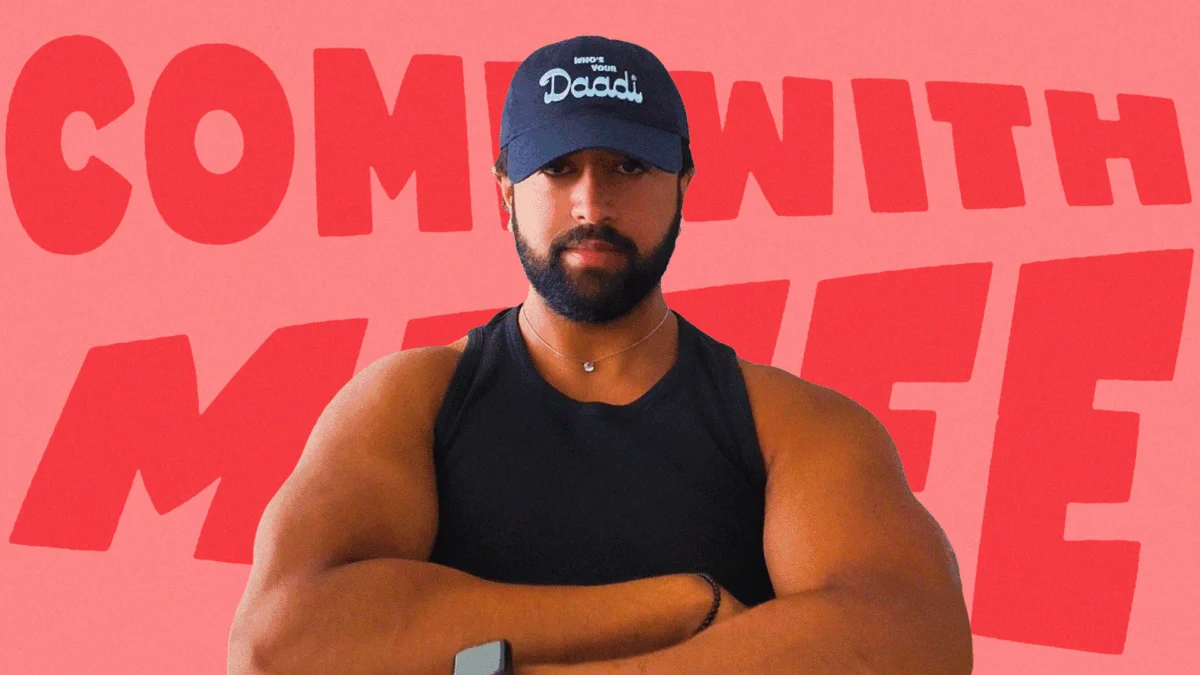
In an era dominated by polished social media campaigns and strategic influencer partnerships, a nascent consumer product good (CPG) brand, Daadi Snacks, has carved out a distinctive niche by overtly challenging the very conventions that underpin modern digital marketing. Jay, the co-founder of the family-run popcorn enterprise, has garnered significant internet fame and a massive following not through traditional promotional tactics, but by satirizing the often-exaggerated and contrived antics of lifestyle and food influencers. This unconventional approach has not only propelled Daadi Snacks into the public consciousness but also sparked a broader conversation about authenticity and the evolving dynamics of online brand promotion.
The Genesis of Daadi Snacks: A Family Legacy Amidst Global Crisis
The story of Daadi Snacks is rooted in a cherished family tradition, a testament to the enduring power of home-cooked recipes. For generations, Jay’s grandmother meticulously crafted a unique popcorn recipe that became a staple for family gatherings. While the idea of commercializing this beloved snack had been a recurring thought, it remained largely conceptual until the advent of the COVID-19 pandemic. The global health crisis, with its enforced lockdowns and emphasis on remote living, inadvertently provided the impetus for the family to transform their long-held dream into a tangible business venture.
In 2020, as remote work became the norm, Jay, then in his thirties and preferring to keep his last name private, saw an opportunity to connect with his grandparents, mother, and uncles by collaborating on the popcorn project. This period of collective isolation became a fertile ground for entrepreneurial spirit. While family members dedicated themselves to perfecting the cherished recipe, Jay took on the critical responsibilities of marketing, branding, and promotion. The subsequent two years, spanning 2021 and 2022, were dedicated to intensive iteration, meticulously refining their initial two flagship flavors to meet commercial standards while preserving the homemade essence.
The Traditional CPG Playbook and its Digital Evolution
The standard operational procedure for launching a CPG company into the marketplace typically involves a multi-pronged marketing strategy heavily reliant on digital visibility. Brands often create engaging short-form video content for platforms like Instagram Reels and TikTok, offering behind-the-scenes glimpses or showcasing product benefits. Pop-up events and experiential marketing activations are also common. However, the cornerstone of modern CPG marketing, especially for emerging brands seeking rapid scalability, has become influencer marketing. This involves allocating significant budgets – often thousands of dollars – to send products to high-reach individuals on social media, hoping their endorsements translate into sales and brand awareness.
The global influencer marketing industry has witnessed exponential growth, projected to be worth billions of dollars annually. Brands across sectors, from beauty and fashion to food and beverages, funnel substantial resources into these collaborations, viewing influencers as trusted conduits to their target demographics. The perceived authenticity of influencer recommendations, combined with their ability to bypass traditional advertising fatigue, made this strategy a dominant force in digital promotion.
A Deliberate Departure: Jay’s Anti-Influencer Manifesto
Jay, however, chose to deviate sharply from this established playbook. Remarkably, he did not even possess an Instagram account until 2022, underscoring his initial detachment from the very ecosystem he would later master. His foray into social media was not born out of a desire to conform but rather from a profound disillusionment with the existing influencer landscape. A particularly "terrible interaction" with a prominent food influencer solidified his conviction that relying on external personalities for brand amplification was not only ineffective but potentially detrimental. This pivotal experience led him to a radical conclusion: instead of courting influencers, he would critique them.
His strategy involved creating parody videos that meticulously mimic and exaggerate the common tropes of online influencers. Each video typically begins with an over-the-top, nasally intonation of phrases like "OHMYGODYOUGUYS" or "Come with me…," instantly recognizable to anyone familiar with influencer content. He then proceeds to "skewer his latest victim," often highlighting the absurdities of aspirational content, such as an American tourist complaining about Italian baristas not replicating a specific coffee order. This satirical approach, far from alienating audiences, struck a chord with a segment of internet users weary of overly curated and inauthentic online personas.
Viral Momentum and Accidental Influence
The initial anti-influencer reels, which began appearing around March of the previous year, slowly but steadily started to gain traction. Daadi Snacks’ sales, while growing, were still reliant on traditional methods like pop-up events. However, a significant inflection point arrived in June, when the brand experienced an unprecedented surge in orders, with hundreds pouring in within a mere two days. This sudden explosion of interest underscored the power of Jay’s unconventional digital strategy.
The real catalyst for exponential growth, according to Jay, was a specific video where he openly named the influencer whose negative interaction inspired his anti-influencer content. This candid disclosure, combined with the underlying narrative of his journey, resonated deeply with viewers. Within a week or two, Daadi Snacks’ Instagram following skyrocketed from approximately 70,000 to over 130,000 or 140,000, and has since surpassed 929,000 followers.
This remarkable ascent has placed Jay in an ironic position: he has become an internet sensation, a content creator, and, by many definitions, an influencer himself, albeit one who actively critiques the very culture he now navigates. Despite this, he maintains a strict code of conduct, consistently declining collaboration requests, samples, or free products from other brands. He emphasizes that his platform is not for sale, reinforcing his commitment to the authenticity that underpins his initial critique.

The Appeal of Counterculture and Authenticity
The widespread engagement and responsiveness to Jay’s content can be attributed to a growing sentiment of fatigue and skepticism towards the pervasive influencer culture, particularly in metropolitan areas like New York City. The city, a vibrant hub of diverse cultures and authentic experiences, has increasingly been subjected to a deluge of highly curated, aspirational content that often feels disconnected from the lived realities of its residents.
Jay articulates this perfectly: "In New York City it just feels like there’s this need for some degree of counterculture." The sheer volume of NYC-based influencers, many with millions of followers and a constant stream of brand deals, has created a sense of oversaturation. This has fostered a desire among many consumers to push back against what they perceive as manufactured authenticity and commercialized narratives. His parodies, while humorous, tap into a collective frustration with the performative nature of much online content.
The phenomenon Jay critiques often targets individuals who "aspire to live here" rather than those who genuinely inhabit the city. He points to analyses suggesting that much of this content mechanically repurposes tropes, akin to the "Carrie Bradshaw effect," selling a "manicured, aspirational idea of being a West Village girl." For New Yorkers, who inherently possess an independent spirit and a knack for discovering hidden gems, the notion that they need influencers to find good food or experiences is often met with disdain. Jay’s ability to perfectly mimic the "restaurant influencer voice" highlights his keen observation of these dynamics and the perceived superficiality that often accompanies them.
Distinguishing Influencer from Content Creator: A Nuanced Perspective
Jay draws a clear distinction between an "influencer" and a "content creator," even as his own role blurs these lines. For him, an influencer’s core function revolves around a "perpetual cycle of brand deals," where content primarily serves as a vehicle to market products and secure more collaborations. He attributes the unchecked growth of this model, particularly post-COVID, to the abundant funding available to beauty and CPG brands, which allowed them to scale rapidly without necessarily prioritizing genuine connection or effort.
In contrast, Jay sees his role as that of a content creator with a specific mission. He leverages his platform for good, aspiring to be "the Keith Lee of New York City." Keith Lee, a former MMA fighter turned food critic, is renowned for his authentic, unbiased food reviews that often spotlight lesser-known, family-run establishments, significantly boosting their business. Jay aims to emulate this model by promoting long-standing, un-aesthetic, and often overlooked local spots in NYC that typically don’t receive attention from mainstream or influencer channels. This long-term vision extends beyond merely selling popcorn; it’s about fostering community and supporting the authentic fabric of the city.
His commitment to this ethos is unwavering. He makes it a point to never review establishments that solicit his attention or offer freebies. "I’m very clear about where I stand on all that," he states, emphasizing his dedication to maintaining an unbiased perspective. His process for creating his viral videos is spontaneous and authentic: a genuine feeling of annoyance or a strong opinion triggers an immediate 30-second recording, often from his office chair in his "crappy apartment lighting." This raw, unpolished approach further cements his image as an authentic voice in a sea of manufactured perfection.
Broader Implications for Marketing and Brand Authenticity
The success of Daadi Snacks and Jay’s anti-influencer campaign carries significant implications for the broader marketing and CPG landscape. It challenges the prevailing wisdom that large-scale influencer collaborations are the sole path to brand visibility and sales. Jay’s model demonstrates that a strategy built on critique, authenticity, and a connection with consumer fatigue can be equally, if not more, effective.
Firstly, it underscores the growing demand for authenticity in digital spaces. As consumers become more discerning and aware of marketing tactics, overtly promotional content can lead to skepticism. Brands that embrace transparency and genuine engagement, even if unconventional, may find greater resonance.
Secondly, it highlights the potential for "counter-marketing" strategies. By satirizing industry norms, Daadi Snacks has created a unique brand identity that stands out. This disruption can generate significant earned media and organic reach, often at a fraction of the cost of traditional influencer campaigns.
Thirdly, Jay’s journey exemplifies the evolving definition of an "influencer." While he may shy away from the term, his platform undeniably influences consumer behavior and perceptions. His approach suggests a future where influence is not solely about aspirational living or product promotion but also about critical commentary, community advocacy, and genuine storytelling.
Finally, his ambition to be the "Keith Lee of New York City" points towards a burgeoning trend where content creators leverage their platforms for social good and local economic empowerment. This shift could redefine the role of digital personalities, moving beyond mere product endorsement to genuine community building and support for underrepresented businesses.
In conclusion, Jay and Daadi Snacks have not merely launched a popcorn brand; they have ignited a cultural commentary on the state of digital marketing. By burning the traditional CPG playbook and embracing a strategy rooted in satire and authenticity, they have amassed a loyal following and demonstrated that in a world saturated with manufactured perfection, sometimes the most effective way to be heard is to loudly call out the noise.
