

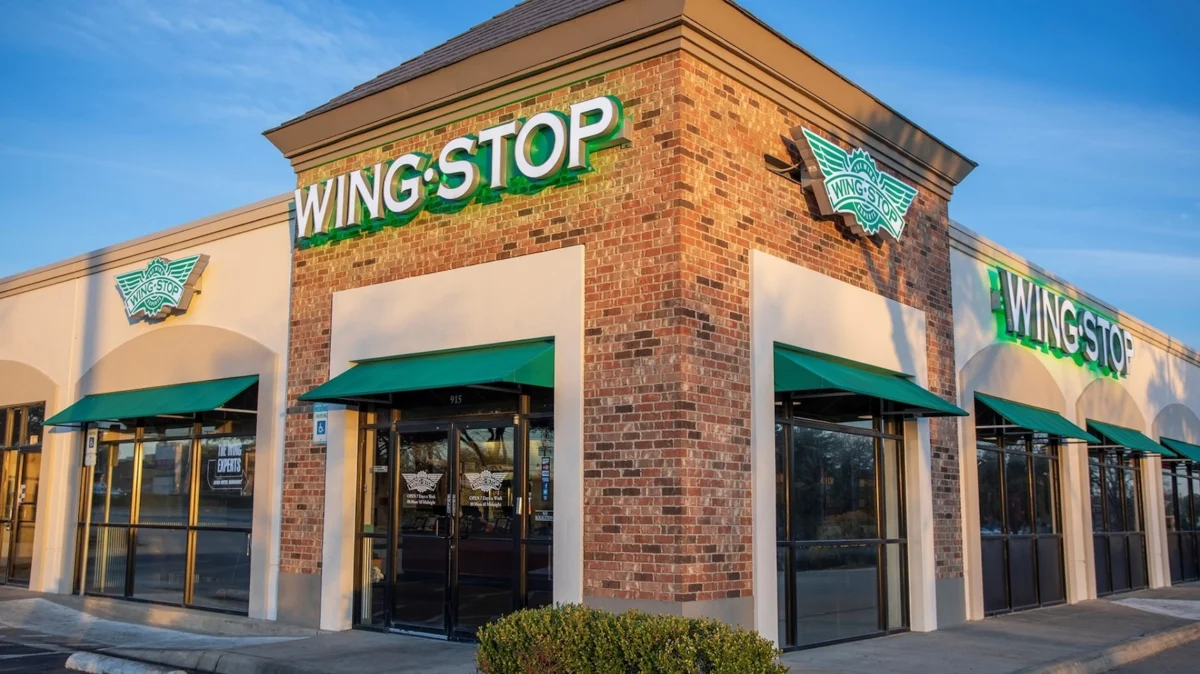
The restaurant industry is experiencing a period of stark contrasts, with some established brands grappling with persistent consumer spending challenges while others embark on ambitious growth trajectories and landmark financial maneuvers. Wingstop, a prominent player in the fast-casual chicken wing segment, has reported a challenging second quarter marked by declining same-store sales, a trend that underscores broader economic pressures impacting discretionary spending. Simultaneously, Jersey Mike’s Subs is poised for a historic initial public offering (IPO), signaling robust investor confidence in its expansion strategy. In parallel, Church’s Texas Chicken has secured significant growth equity, fueling its plans for accelerated development and modernization.
Wingstop’s Sales Dip Amidst Shifting Consumer Priorities
Wingstop’s financial performance in the second quarter revealed a continued struggle with same-store sales, which fell by 7.5%. This decline follows a similar 8.7% decrease in the first quarter and comes on the heels of a 1.9% negative result during the same period last year. This marks the fifth consecutive quarter of negative same-store sales for the Dallas-based chain, a trend its leadership attributes to ongoing pressures on lower-income consumers, a demographic that represents a significant portion of Wingstop’s customer base.
The current economic climate, characterized by elevated inflation and a tightening household budget for many, has directly impacted discretionary spending on dining out, particularly for categories perceived as less essential. Wingstop, while popular for its indulgent offerings, appears to be feeling the pinch as consumers re-evaluate their spending habits. The company’s over-indexing with lower-income consumers means that any contraction in their disposable income disproportionately affects sales volumes.
Despite the headwinds, Wingstop’s CEO, Michael Skipworth, highlighted strategic initiatives aimed at bolstering future performance. The company is prioritizing several key areas for upside potential. Foremost among these is the impending launch of its first loyalty program, a move designed to foster customer retention and encourage repeat business. Loyalty programs have become a standard tool in the restaurant industry for building a dedicated customer base and gathering valuable consumer data.
Furthermore, Wingstop is increasing its investment in value propositions and menu innovation. This dual approach seeks to attract price-sensitive consumers by offering appealing deals while simultaneously enticing them with new and exciting flavor profiles or product offerings. Menu innovation is crucial for maintaining relevance and catering to evolving consumer tastes, especially in a competitive market.
Aggressive development remains a cornerstone of Wingstop’s long-term strategy. The company reported systemwide sales growth of 5.3% in the second quarter, largely driven by the opening of 102 net new units. This expansion indicates a continued belief in the brand’s potential for physical growth, even as same-store sales face challenges. The strategy suggests a focus on market penetration and capturing new customer bases through new locations, while concurrently working to revitalize sales at existing stores.
The timeline of these sales declines suggests a persistent economic influence rather than a short-term anomaly. The consistent negative trend over five quarters indicates that the factors impacting consumer spending have a sustained effect on Wingstop’s performance. Analysts will be closely watching the impact of the new loyalty program and the success of their value and innovation strategies in the coming quarters to gauge their effectiveness in reversing the negative same-store sales trajectory.
Jersey Mike’s Poised for Historic IPO Amidst Robust Demand
In a significant development for the fast-casual sector, Jersey Mike’s Subs is set to make its debut on the New York Stock Exchange (NYSE) with the ticker symbol JMKE. This highly anticipated IPO is projected to be one of the largest restaurant offerings in U.S. history, with the company aiming to raise over $1 billion. The valuation of the sandwich chain is reportedly around $8 billion.
The strong investor interest in Jersey Mike’s IPO is a testament to its successful growth strategy and strong brand recognition. Reports indicate that the offering is significantly oversubscribed, meaning that demand from investors far exceeds the number of shares being offered. This oversubscription typically signals a successful debut and can lead to an initial surge in the stock price.
Filings for the IPO reveal that shares will be accessible to investors not only in the United States but also in the United Kingdom. This international reach underscores Jersey Mike’s global ambitions, as the company is actively plotting expansion in the UK market. This move aligns with a broader trend of international expansion among successful U.S. restaurant brands seeking new avenues for growth.
The success of Jersey Mike’s IPO, especially in the current market environment, highlights the resilience and appeal of well-executed franchise models. The company’s focus on fresh, high-quality ingredients and its commitment to community involvement, often seen through its "Day of Giving" events, have cultivated a loyal customer base. These factors, combined with a clear vision for expansion, have clearly resonated with investors.
The timing of this IPO is particularly noteworthy. While Wingstop grapples with consumer spending slowdowns, Jersey Mike’s IPO signals a strong appetite for growth-oriented restaurant concepts that have demonstrated a clear path to profitability and market expansion. The funds raised are expected to fuel further franchise development, marketing initiatives, and potentially international expansion, solidifying Jersey Mike’s position as a major player in the fast-casual sandwich market.
Church’s Texas Chicken Secures Growth Capital for Next Phase
Church’s Texas Chicken, a 74-year-old brand with a significant presence in the fried chicken segment, has announced a strategic growth equity investment from Golub Capital. While the specific financial terms of the investment were not disclosed, the funding is intended to empower the company to accelerate its "next phase of growth" and maintain its competitive edge in the rapidly evolving chicken category.
This investment comes at a time when the quick-service chicken market remains highly dynamic, with intense competition and evolving consumer preferences. Church’s Texas Chicken aims to leverage this capital infusion to enhance its operational capabilities and expand its market reach.
A key area of focus for the investment is the acceleration of the company’s remodel program. According to Church’s, its existing remodel initiatives have already demonstrated positive impacts on sales performance. By investing further in modernizing its restaurant footprint, the company seeks to create a more appealing dining environment for customers and improve operational efficiency for franchisees. This strategic upgrade of existing locations is often a cost-effective way to boost sales and enhance brand image.

In addition to remodels, the funding will also be utilized to expedite the opening of new company-operated restaurants. This direct investment in company-owned units suggests a strategic approach to controlling brand standards and capturing a larger share of revenue in key markets. Furthermore, the capital will support other initiatives designed to foster both brand and franchisee growth. This holistic approach aims to strengthen the entire Church’s Texas Chicken ecosystem, from corporate operations to individual franchisee success.
The investment from Golub Capital signifies a vote of confidence in Church’s Texas Chicken’s long-term potential and its strategic plan for expansion. By securing this growth equity, the company is positioning itself to capitalize on opportunities within the chicken market and to navigate the challenges of a competitive landscape with renewed financial strength. The timeline for the deployment of these funds and the subsequent impact on sales and store growth will be closely monitored by industry observers.
Broader Implications and Industry Outlook
The contrasting financial narratives of Wingstop, Jersey Mike’s, and Church’s Texas Chicken paint a complex picture of the current restaurant industry. Wingstop’s struggles highlight the pervasive impact of economic uncertainty and inflation on consumer discretionary spending, particularly for brands that cater to budget-conscious demographics. The company’s strategic pivot towards loyalty programs, value offerings, and menu innovation reflects a common industry response to these challenges, aiming to shore up existing customer loyalty and attract new patrons through compelling offers.
Conversely, Jersey Mike’s impending IPO and the strong investor demand underscore the enduring appeal of well-managed, growth-oriented franchise businesses. The success of its IPO suggests that investors are actively seeking out concepts with clear expansion strategies and demonstrated brand strength, even in a potentially challenging economic climate. The significant capital raised will undoubtedly accelerate its growth trajectory, potentially leading to increased market share and brand visibility.
The growth equity investment in Church’s Texas Chicken signals a renewed focus on modernization and expansion within a more established segment of the market. By investing in store remodels and new openings, the company is demonstrating a commitment to revitalizing its brand and capturing market opportunities. This strategic move is crucial for long-term sustainability and competitiveness in the highly contested chicken restaurant space.
Collectively, these developments suggest that while broad economic pressures are impacting consumer spending across the board, strategic execution, brand strength, and innovative approaches to growth can still yield significant success. The industry is likely to see continued bifurcation, with strong brands leveraging capital and strategic initiatives to thrive, while those heavily reliant on discretionary spending by lower-income consumers may continue to face headwinds. The ongoing evolution of consumer behavior, driven by economic factors and changing lifestyle preferences, will remain a critical determinant of success for all restaurant operators in the coming years. The industry is in a state of dynamic adaptation, with companies like Wingstop, Jersey Mike’s, and Church’s Texas Chicken representing different facets of this ongoing transformation.
