

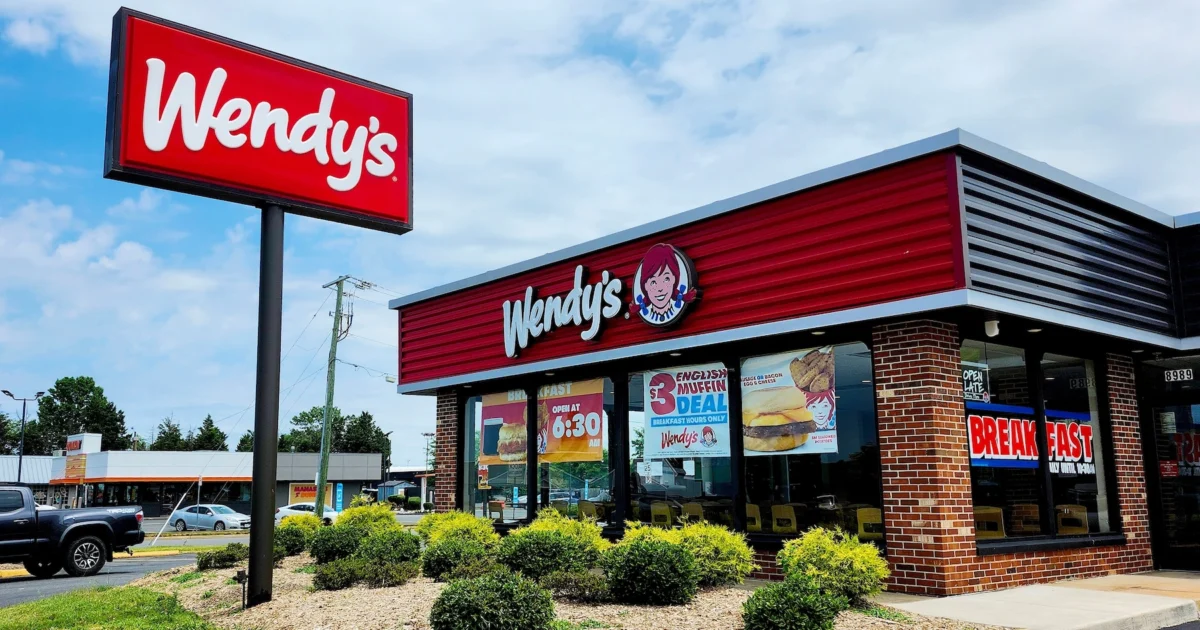
A substantial wave of restaurant closures is set to impact the Wendy’s fast-food chain, following the bankruptcy filing of one of its largest franchisees, Meritage Hospitality Group. The company has already shuttered dozens of locations and anticipates further reductions, a move that signals ongoing challenges within the quick-service restaurant sector and specific pressures on Wendy’s operational landscape. This situation exacerbates a broader trend of contraction for the burger giant, which has seen a net decrease in its store count in recent years.
Meritage Hospitality Group’s Deepening Crisis
Meritage Hospitality Group, headquartered in Grand Rapids, Michigan, has significantly ramped up its restaurant closures in the wake of its September 17 bankruptcy filing. Late last week, the company announced the closure of an additional 13 Wendy’s locations, bringing the total number of shuttered restaurants since the end of September to 33. However, this figure is projected to climb considerably higher. Court documents reveal a potential for up to 60 more restaurants to cease operations by mid-November.
These impending closures do not account for the 60 restaurants Meritage had already closed earlier in the year, prior to its formal bankruptcy petition. When considering all these reductions, a franchisee that once operated a formidable 374 Wendy’s locations could ultimately see its footprint shrink by 120 restaurants if the further 60 closures proceed as planned. This represents a dramatic contraction for a major player within the Wendy’s system.
The restaurants targeted for closure are generally characterized by low average unit volumes (AUVs) and a consistent pattern of financial losses. This strategic decision by Meritage is a direct effort to improve the company’s overall profitability. Financial stakeholders, including lenders holding Meritage’s $155 million in secured debt, are keen to preserve capital. Money-losing establishments are seen as significant drains on financial resources, and their closure is a necessary step in a restructuring process aimed at shoring up the franchisee’s financial health.
Financial Performance of Closing Locations
The financial data emerging from court filings paints a stark picture of the underperforming units. The restaurants slated for closure typically generate revenue well below the system average for Wendy’s. Some of these locations are reporting annual revenues of less than $900,000, which is less than half the typical AUV for a Wendy’s restaurant. This indicates a significant struggle to attract and retain customer spending at these particular sites.
Beyond revenue generation, the profitability metrics for these sites are also deeply concerning. Each of the restaurants identified for closure is reportedly operating with negative EBITDA (earnings before interest, taxes, depreciation, and amortization). In some instances, these individual locations have incurred losses of nearly $200,000 over the past 12 months. Such figures underscore the unsustainable nature of their operations and the rationale behind their impending closure.
Broader Context: Wendy’s System-Wide Challenges
The difficulties faced by Meritage Hospitality Group are occurring within a broader context of systemic challenges for Wendy’s. The chain has experienced a net decline in its store count in recent years. Since the beginning of 2024, Wendy’s has closed more than 300 locations. A significant portion of these closures, specifically 245 net closures, were reported in the first half of the year alone, according to company filings. Many of these strategic closures were implemented with the explicit goal of enhancing franchisee profitability and optimizing the overall unit portfolio.
The headwinds affecting Wendy’s sales and franchisee performance are multi-faceted. The fast-food dining environment has become increasingly competitive, with consumers facing economic pressures that lead them to cut back on discretionary spending, including dining out. This weak operating environment has put pressure on all quick-service brands, but Wendy’s has also faced its own internal hurdles.
In response to these challenges, Wendy’s has undertaken significant leadership changes. Earlier this year, the company appointed Bob Wright as its new CEO. This leadership transition has been accompanied by a broader overhaul of the executive team. A notable recent addition is Tariq Hassan, who was brought on board as the chain’s new chief marketing officer, signaling an intent to revitalize the brand’s marketing strategies and consumer engagement.
Timeline of Closures and Restructuring
The sequence of events leading to the current situation for Meritage Hospitality Group began prior to its formal bankruptcy filing. The company had already initiated a round of closures earlier in the year, suggesting that financial pressures were mounting for some time. The filing on September 17 marked a more formal acknowledgment of these difficulties and an attempt to restructure its debt and operations under court supervision.
- Pre-Bankruptcy Closures: Meritage Hospitality Group had already closed 60 Wendy’s locations before its September 17 bankruptcy filing. This indicates an ongoing effort to address underperforming assets.
- September 17, 2024: Meritage Hospitality Group files for Chapter 11 bankruptcy protection. This filing allows the company to reorganize its debts and operations while continuing to operate.
- Late September Onwards: Meritage begins a new phase of closures. By the end of September, 33 restaurants had been shut down.
- Late October/Early November: An additional 13 restaurants are closed, bringing the total to 46 since the bankruptcy filing.
- Mid-November Projection: Court documents indicate that Meritage may close up to an additional 60 restaurants by mid-November, potentially bringing the total number of closures since the filing to 93 and the overall total (including pre-filing closures) to 153.
This phased approach to closures allows the franchisee to manage the process, potentially minimizing immediate disruption while strategically shedding unprofitable units. The court oversight inherent in Chapter 11 proceedings also provides a framework for these decisions, ensuring they align with the goals of debt repayment and business stabilization.
Analysis of Implications
The substantial number of closures by a major franchisee like Meritage Hospitality Group carries significant implications for both the franchisee and the Wendy’s brand.
For Meritage Hospitality Group, these closures are a critical, albeit painful, step towards financial recovery. By eliminating money-losing operations, the company aims to reduce overhead, streamline its management structure, and focus resources on its more profitable locations. The success of this strategy will depend on its ability to emerge from bankruptcy as a leaner, more financially sound entity, capable of operating its remaining Wendy’s restaurants effectively. The support and cooperation of its lenders will be paramount throughout this process.
For Wendy’s, the widespread closures by a significant franchisee present a mixed bag of challenges and opportunities. On the one hand, it contributes to the negative perception of store count decline, which can impact investor confidence and brand visibility. It also signifies that not all franchisees are weathering the current economic climate successfully, raising questions about the overall health of the franchise system.
However, the closures also represent an opportunity for Wendy’s to re-evaluate its footprint and potentially re-franchising or re-developing key markets. By shedding underperforming locations, Wendy’s corporate can work with its remaining franchisees to ensure that the brand is represented in locations with strong market potential and that these locations are operated efficiently and profitably. The strategic leadership changes, including the appointment of a new CEO and CMO, suggest that the company is actively seeking to address these broader market challenges and revitalize its brand image and marketing efforts.
The financial performance of the remaining Meritage locations and the overall recovery of the franchisee will be closely watched. The continued success of Wendy’s as a whole will depend on its ability to support its franchisees, adapt to changing consumer behaviors, and execute its strategic growth plans effectively in a dynamic and competitive industry. The current wave of closures underscores the intense pressures facing the fast-food sector and the critical importance of operational efficiency and financial prudence for all stakeholders.
Industry-Wide Economic Pressures
The challenges faced by Meritage Hospitality Group and Wendy’s are not isolated incidents but are occurring within a broader economic landscape that is impacting the entire restaurant industry. Persistent inflation in food costs, coupled with rising labor expenses and a tightening labor market, has squeezed profit margins for many operators. Consumers, facing their own inflationary pressures, are becoming more discerning with their spending, leading to shifts in dining habits. This environment necessitates a strategic approach to site selection, operational efficiency, and menu innovation.
Fast-food chains, while often seen as resilient due to their value proposition, are not immune to these economic forces. Intense competition from other quick-service brands, as well as the growing popularity of fast-casual dining and at-home meal solutions, further complicates the operating environment. Franchisees, who bear the brunt of local operating costs and revenue fluctuations, are particularly vulnerable to economic downturns and shifts in consumer demand.
The trend of store closures, while concerning, can also be viewed as a natural market correction. Businesses that are unable to adapt to changing economic conditions or consumer preferences are likely to face consolidation or closure. For a brand like Wendy’s, a strategic pruning of unprofitable locations, whether through franchisee bankruptcies or corporate-driven initiatives, can ultimately lead to a stronger, more focused brand portfolio. The key will be to ensure that the remaining locations are well-positioned for success and that the company can effectively drive traffic and sales to these sites.
Looking Ahead: Leadership and Strategy
The recent leadership appointments at Wendy’s are a clear indication of the company’s intention to navigate these complex challenges. Bob Wright’s tenure as CEO will likely focus on operational improvements, financial discipline, and strategic growth initiatives. The addition of Tariq Hassan as CMO suggests a renewed emphasis on brand building, marketing innovation, and connecting with consumers in new and impactful ways.
These leadership moves, combined with the ongoing restructuring efforts by major franchisees, could set the stage for a revitalized Wendy’s. The company will need to continue to innovate its menu, enhance its digital ordering capabilities, and ensure a consistent and positive customer experience across all its locations. The ability to attract and retain strong franchisees, who are vital to the brand’s success, will also be a critical factor.
The current situation with Meritage Hospitality Group serves as a significant case study in the pressures facing large fast-food franchisees. The outcome of this bankruptcy will undoubtedly be a closely watched development, offering insights into the resilience of the Wendy’s brand and the broader strategies for navigating a challenging economic environment in the quick-service restaurant sector.
