

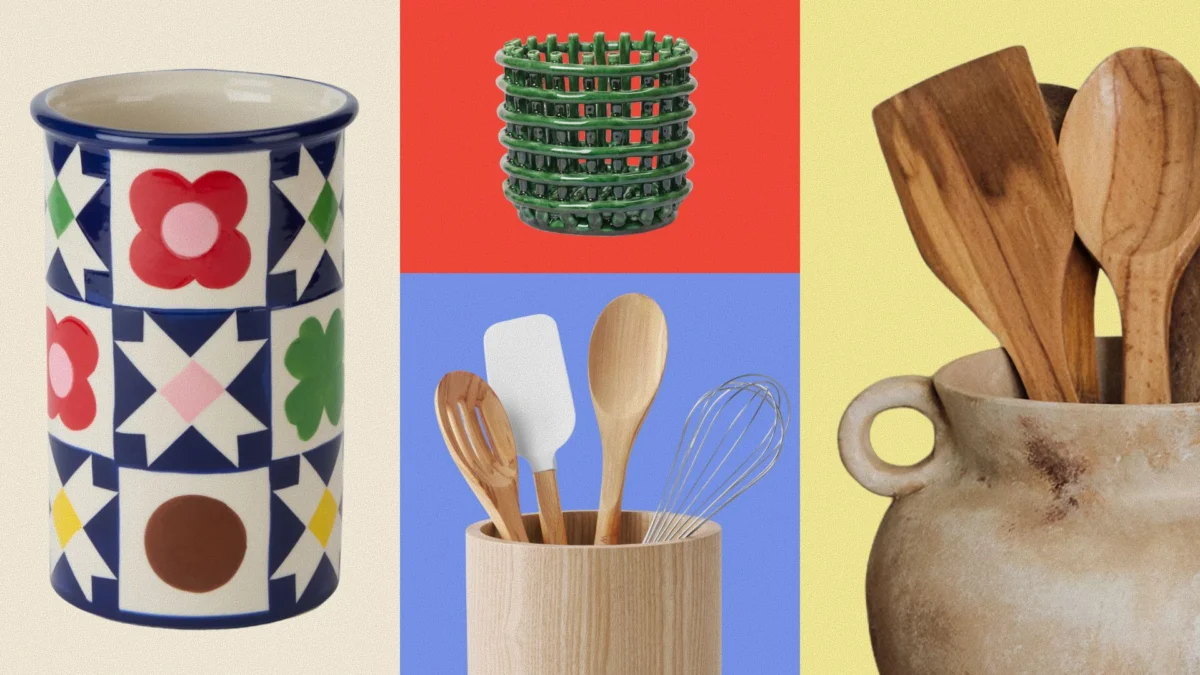
In the intricate tapestry of modern kitchen design, where every element is increasingly scrutinized for both utility and aesthetic contribution, the humble utensil holder often resides in an overlooked corner. Positioned typically between the artisanal olive oil and the elegant salt cellar, it quietly performs its essential duty, safeguarding an array of culinary implements—from robust wooden spoons to specialized fish spatulas and nimble wire whisks. Unlike its more celebrated counterparts, such as the statement-making Dutch oven or the meticulously tucked-away stand mixer, the utensil holder is a permanent fixture, an ever-present sentinel of the culinary workspace. This constant visibility elevates its status from a mere storage vessel to a subtle, yet potent, arbiter of kitchen style, embodying a distinct "opinion" on the counter.
The Evolving Role of the Utensil Holder
Historically, kitchen tool storage was primarily dictated by necessity and limited by available space. Early solutions ranged from simple wall hooks and rudimentary wooden boxes to built-in drawers designed for efficiency over elegance. As kitchens transitioned from purely functional back-of-house spaces to central hubs of domestic life and social interaction, particularly from the mid-20th century onwards, so too did the expectations placed upon their contents. The advent of open-plan living and the rise of the "display kitchen" paradigm meant that even the most quotidian objects, including utensil holders, became subject to aesthetic appraisal. What was once a purely practical decision—a ceramic crock or a simple metal cylinder—has morphed into a deliberate design choice, reflecting the homeowner’s broader stylistic inclinations and even their culinary philosophy.
This shift underscores a broader trend in consumer behavior: an increasing demand for functionality seamlessly integrated with sophisticated design. Market analysts observing the kitchenware sector have noted a steady upward trajectory in the sales of premium and design-led accessories. For instance, recent industry reports indicate a year-over-year growth in the "decorative kitchen storage" segment, with particular emphasis on items that blend artisanal craftsmanship with modern utility. This suggests that consumers are no longer content with merely containing their cooking tools; they seek vessels that enhance the visual narrative of their kitchen. The utensil holder, by its very nature, becomes a recurring point of interaction and visual engagement, influencing the overall perceived ambiance of the kitchen space with every reach for a whisk or spoon.
Aesthetic Statements: Materials and Their Messages
The choice of material for a utensil holder is a primary communicator of aesthetic intent. A substantial marble crock, for example, conveys an impression of enduring quality and timeless sophistication. Its inherent weight provides unmatched stability, preventing wobbles or accidental counter-skating during frantic meal preparation. The subtle veining and unique tonal shifts of natural stone, coupled with the way light plays across its honed surface, render each piece a unique artifact. This deliberate "presence" anchors the countertop, transforming an ordinary arrangement of cutting board and olive oil into a thoughtfully composed still life. However, this gravitas comes with a particular care requirement; marble demands gentle handling and prompt drying to maintain its pristine condition, a routine that for some is a minor inconvenience, for others, a cherished ritual. Brands like CB2 and Crate & Barrel offer elegant black and white marble options, while artisan sources provide unique onyx and travertine holders, emphasizing the unrepeatable beauty and substantial feel of natural stone.
In contrast, high-gloss enamel holders exude a playful, vibrant energy, injecting a pop of color and personality into the kitchen. These pieces are often favored in contemporary or retro-inspired spaces, signaling a lighthearted approach to decor. Hand-thrown ceramic crocks, with their inherent imperfections—subtle asymmetry, unpredictable glaze pooling, and a distinctly non-mathematical rim—speak to an appreciation for craftsmanship and a connection to the artisanal. These pieces suggest a homeowner who values the story behind an object as much as the garlic it might sit beside. Brands such as Farmhouse Pottery and Sin offer stoneware and ceramic options that champion these deliberate irregularities, bringing warmth and texture to otherwise hard, glossy surfaces. They are designed to feel "human" even before a utensil finds its home within them.
For those who champion a more restrained palette and uncluttered surfaces, minimalist and architectural utensil holders offer a serene integration. These designs prioritize clean lines, negative space, and an absence of extraneous detail, embodying the principle that confidence and quietude are not mutually exclusive. They integrate seamlessly rather than competing for attention, appealing to an aesthetic that values form and proportion as statements in themselves. Products like Crate & Barrel’s recycled stoneware or Kinto’s CLK-211 holder exemplify this approach, aligning perfectly with kitchens featuring magnetic knife strips and a preference for visual calm.
The Rise of Curated Kitchens: Beyond Utilitarianism
The growing emphasis on kitchen aesthetics has led to innovative approaches to utensil storage, most notably the "vase strategy." This unconventional method involves repurposing objects not explicitly designed as utensil holders—such as decorative vases, small buckets, or even wine and ice buckets—to house culinary tools. The underlying principle is that items primarily intended for visual appreciation often inject more personality into a space than those strictly marketed for storage. The success of this strategy hinges on practical considerations: a stable base, an opening wide enough for easy access, and a material that can withstand minor kitchen splatters without losing its charm. The reward is unparalleled flexibility, allowing a piece to transition effortlessly from holding a bouquet of tulips one week to a collection of tongs the next. This fluidity blurs the traditional lines between décor and utility, transforming everyday kitchen items into dynamic components of the home’s interior design. Brands like Roan Iris offer fluted vases, while even a simple galvanized French bucket from Michaels can serve this dual purpose, alongside more luxurious options like Maison Flâneur’s rattan shell vase or Godinger’s crystal mini ice bucket.
Metal options—stainless steel and copper—offer another distinct aesthetic. Stainless steel, with its enduring presence in professional kitchens, conveys a sense of clean, unsentimental efficiency. A brushed steel cylinder stands in intentional contrast to warmer materials like wood or stone, asserting a modern, industrial edge. This material is inherently indifferent to mess and rewards a kitchen that already possesses a strong, self-assured identity. Ikea’s Ordning holder is a prime example of this accessible, practical aesthetic. Hammered copper, on the other hand, brings a unique glow and depth that only improves with age, developing a rich patina that tells a story of use. It introduces a touch of warmth and historical charm, appealing to kitchens that embrace a more rustic or heritage-inspired feel. Columbia Copper Works offers handmade solid copper crocks that exemplify this beautiful aging process.
Finally, wood, a material that uniquely improves with the passage of time, offers a natural and inviting choice. Teak and walnut holders acquire a rich patina, subtle nicks, and a gentle darkening—a visual record of a kitchen where genuine cooking takes place. Beyond its aesthetic evolution, wood provides a tactile warmth, a softness that contrasts with stone and metal, making it a more comfortable and approachable element on the countertop. Its versatility allows it to complement a wide range of kitchen styles, from stone and ceramic to open shelving, making it an ideal choice for kitchens leaning towards a warm, natural, or organic aesthetic. Hawkins New York’s simple wood utility canister and Williams Sonoma’s Hold Everything utensil holder in ashwood are examples that celebrate this enduring, natural beauty.
Expert Perspectives and Broader Implications
Interior designers and culinary experts increasingly emphasize the importance of small details in crafting a cohesive and inviting kitchen environment. Sarah Lantham, a renowned kitchen designer, notes, "The utensil holder is no longer just a functional afterthought. It’s a micro-statement piece. In an era where kitchens are increasingly open-concept and visible, every item on display contributes to the overall narrative. A thoughtfully chosen utensil holder can tie together disparate elements, add a pop of personality, or reinforce a minimalist theme." This sentiment is echoed by food stylists and photographers who meticulously curate every visible item to tell a story about the culinary space.
Furthermore, the consumer’s choice in utensil holders can reflect broader societal values. The preference for handmade ceramics, for instance, often signals an appreciation for slow living, sustainability, and supporting local artisans. The imperfections become features, celebrating the human touch over mass-produced uniformity. Similarly, the growing popularity of recycled materials in kitchenware, as seen in some stoneware options, aligns with a global movement towards eco-conscious consumption.
The implications extend beyond mere aesthetics. A well-organized and visually appealing countertop can subtly influence the cooking experience itself. A study on kitchen ergonomics and user satisfaction found that visual clutter can increase perceived stress, while an organized, aesthetically pleasing environment can enhance creativity and enjoyment in cooking. Thus, the utensil holder, far from being a trivial item, plays a role in fostering a more harmonious and inspiring culinary space. Its deliberate selection contributes to a curated environment where both form and function are celebrated, transforming everyday cooking into a more intentional and enjoyable activity. The continuous evolution of its design, driven by changing aesthetic sensibilities and a deeper appreciation for domestic details, solidifies its position as a truly significant, albeit unsung, element in the modern kitchen.