

The concept of "little treat culture" has permeated contemporary discourse, evolving from a niche internet meme to a widespread consumer phenomenon. Rooted in the widely popularized "Treat Yo’ Self" mantra from the television series Parks and Recreation, this cultural movement advocates for micro-moments of delight, transforming routine activities—such as an afternoon coffee run or a post-meal dessert—into romanticized acts of personal indulgence. Increasingly viewed as a form of accessible self-care and attainable luxury, these small pleasures offer a psychological buffer against the backdrop of rising prices and pervasive global instability.
The "Little Treat" Phenomenon: A Cultural and Economic Response
At its core, little treat culture reflects a profound human need for comfort and control in uncertain times. In an economic climate characterized by inflation and fluctuating markets, grand gestures of luxury often become unfeasible for many consumers. This has led to a strategic shift in spending patterns, where individuals opt for smaller, more frequent indulgences that provide immediate gratification without significant financial strain. This trend is not new; historical precedents, such as the emphasis on simple, comforting foods during economic downturns, underscore a resilient human tendency to seek joy in small, accessible forms. Modern little treat culture, however, is amplified by social media, where sharing these moments of curated happiness becomes part of the experience, reinforcing its widespread appeal.
Sociologically, the emphasis on self-care has gained significant traction, particularly in post-pandemic society. Mental well-being has become a priority, and little treats are often framed as essential components of a balanced lifestyle, offering brief respites from stress and daily pressures. From a consumer behavior standpoint, this translates into a robust market for specialty coffees, artisanal pastries, gourmet snacks, and unique beverages. While individual purchases are modest, the aggregate impact on small businesses and specialty food sectors is substantial, signaling a vibrant segment of the economy driven by the pursuit of everyday happiness.
Bon Appétit’s Quest: Scouting America’s Culinary Frontiers
The esteemed culinary publication Bon Appétit has long been a barometer for gastronomic trends and emerging culinary talent. Each year, their "Best New Restaurants" list is highly anticipated, representing months of rigorous travel, meticulous tasting, and critical evaluation by a dedicated team of editors. The process involves crisscrossing the nation, sampling countless dishes, and immersing themselves in diverse local food scenes to identify establishments pushing the boundaries of culinary innovation and excellence. For the upcoming Best New Restaurants 2026 compilation, this exhaustive undertaking saw editors journeying through numerous cities, dining at potential candidates for the prestigious list.
Amidst this demanding schedule, a curious pattern emerged. As editors reconvened, a shared anecdote surfaced: each had, almost instinctively, sought out "little treats" in their downtime. These weren’t components of formal restaurant reviews but rather personal explorations—savory snacks, sweet confections, or spirited beverages discovered between assignments. This collective experience highlighted the universal appeal and psychological necessity of these micro-indulgences, even for seasoned food professionals. It underscored that beyond the high-stakes world of fine dining, the simple act of finding a delicious, unassuming treat offered a moment of genuine pleasure, a brief anchor against the relentless pace of their travels. These spontaneous discoveries, initially personal coping mechanisms, evolved into a curated list, an official ode to the tiny edible luxuries that provided solace and smiles when far from home.

Deep Dive: America’s Most Exquisite Micro-Indulgences
The editors’ serendipitous discoveries paint a vivid picture of America’s diverse and dynamic "little treat" landscape, showcasing innovation in traditional forms and a fusion of global flavors.
Peanut Butter Shoyu Pie: A Symphony of Salty-Sweet in Seattle
The Wayland Mill, Seattle, WA
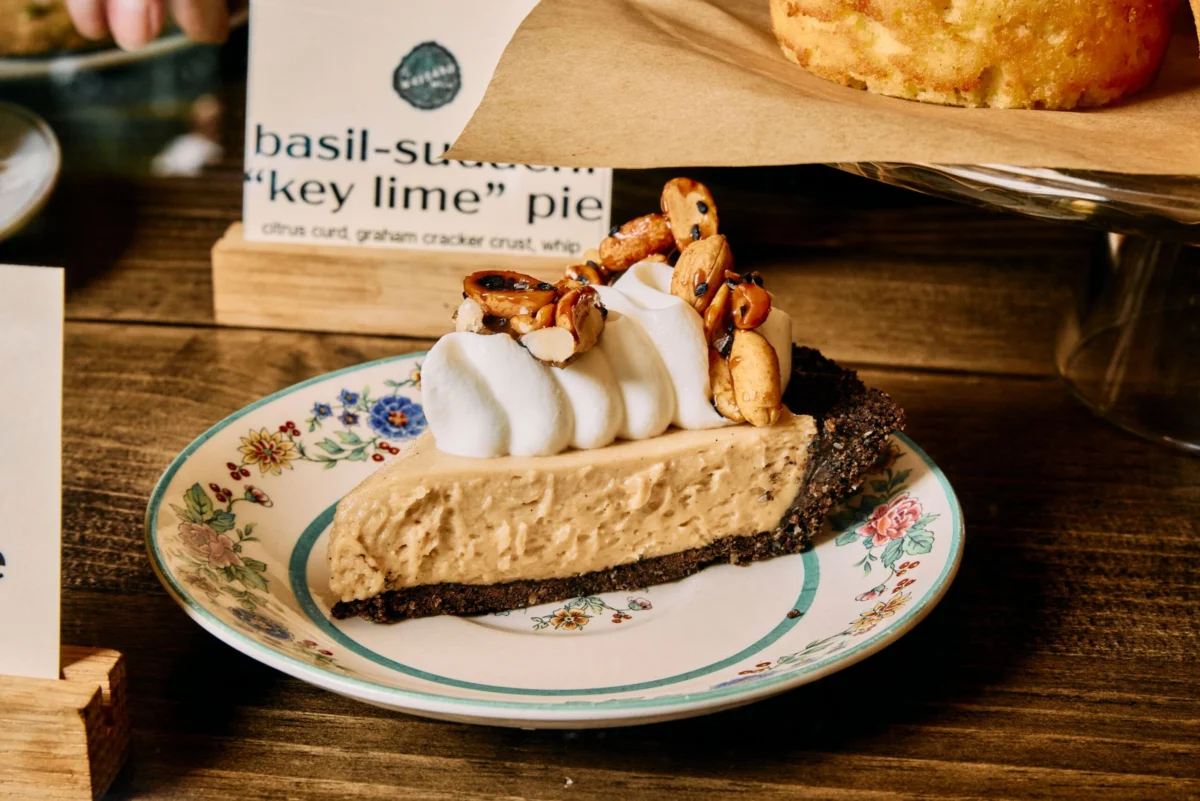
The Wayland Mill, already distinguished as a Best New Restaurant 2026, has captured the hearts of Seattleites with its exceptional pastries. Spearheaded by pastry chef Ellary Collins, the bakery’s gleaming display case is a testament to daily creativity. While items like Gohan gooey butter cookies and hojicha canelé are highly sought after, the Peanut Butter Shoyu Pie stands as a remarkable triumph. This dessert redefines familiar flavors, featuring a rich chocolate and black sesame sable crust that provides a deep, earthy foundation. The filling is an airy, whipped blend of peanut butter, cream cheese, and shoyu, creating a boldly salty-sweet profile that firmly positions it as a sophisticated dessert rather than a mere novelty. Topped with a delicate crème fraîche whip and crunchy candied peanuts, the pie achieves a harmonious balance, cutting through richness without diminishing its robust flavor. Patrons often find a single slice insufficient, opting for a whole pie to savor its intricate layers. This creation exemplifies how the skillful integration of unexpected ingredients can elevate a classic dessert to an extraordinary experience.
The Cult Classic: Passionfruit Lime Icebox Pie from Los Angeles
Chainsaw, Los Angeles, CA
Chainsaw Cafe, a celebrated establishment in Los Angeles, owes much of its rapid ascent and fervent following to its iconic Passionfruit Lime Icebox Pie. This dessert is a masterclass in textural and flavor contrast. Its foundation is a perfectly toasted graham cracker crust, offering a buttery and subtly salty counterpoint that enhances the vibrant filling. The filling itself is a silky, chilled custard, boasting a dreamy consistency punctuated by delightful pops of crunch from tiny passionfruit seeds. A generous dollop of crema whipped cream crowns the pie, finished with a bright flourish of lime zest and a scattering of crunchy, citrus-infused coarse sugar. Each bite delivers a powerful surge of bold, tropical flavors—tart, sweet, and floral notes intertwine in an utterly addictive symphony. It achieves a rare balance, feeling simultaneously indulgent yet remarkably light, an engineering feat that explains its status as the dessert that indelibly marked Chainsaw Cafe on the culinary map. The pie’s sustained popularity speaks to its universally appealing profile and impeccable execution.
Ecuadorian Elegance in Miami: Cotoa’s Banana Rum Cake
Cotoa, North Miami, FL
At Cotoa, a soulful Ecuadorian restaurant nestled in Miami Shores, the culinary journey culminates in an olfactory and gustatory delight: the Banana Rum Cake. Its intoxicating aroma often precedes its arrival, even amidst the vibrant smells of the dining room. Presented as a substantial rectangular slab, a size many wish were quadrupled, the cake is generously adorned with deeply caramelized banana coins, a drizzle of salted toffee, and a sprinkle of cacao nibs. It is served alongside a dynamic scoop of ice cream, which might vary from a rich cacao sorbet to a delicate banana stracciatella gelato, reflecting a commitment to seasonal variations. Every dish at Cotoa, including this grand-finale-worthy dessert, thoughtfully integrates ingredients that are staples in both Ecuadorian cuisine and the Miami culinary landscape—bananas, cassava, and cacao. This thoughtful connection to regional ingredients and cultural heritage imbues the cake with a profound sense of place and authenticity, making it a fitting conclusion to a meal steeped in tradition and flavor.

A Refined British Classic: Wilde’s Sticky Toffee Pudding in LA
Wilde’s, Los Angeles, CA
On the chic Hillhurst street in Los Angeles, Wilde’s attracts a discerning crowd, drawn by its inviting crimson facade. While the menu offers a plethora of enticing dishes, the Sticky Toffee Pudding is an absolute imperative for concluding any meal. This interpretation of the British classic is notably delicate and restrained, distinguishing itself from often-stodgy counterparts. A generous slice of the pudding rests upon a velvety crème fraîche custard, its surface exquisitely brûléed to form a coarse sugar crust. The result is a dessert that defies the typical expectations of sticky toffee pudding, presenting an airy yet rich texture. Deeply caramelized notes of dates, subtly infused with British tea, provide a complex sweetness. The interplay between the crunchy sugared crust and the tender, flavorful pudding creates a sophisticated and memorable experience. It’s a dish that, while unmistakably British in origin, possesses an inherent lightness and ease that feels perfectly at home in the vibrant culinary landscape of Los Angeles, reflecting a masterful adaptation of a beloved tradition.
Portland’s Refreshing Oasis: OK Chicken & Khao Soi’s Watermelon Agua Fresca
OK Chicken & Khao Soi, Portland, OR
In Portland, Oregon, the former site of the iconic Pok Pok now houses OK Chicken & Khao Soi, a bustling Northern Thai eatery that invites lingering. Its paper menus, where diners tick off selections like lip-tingling laab, luscious khao soi, and juicy pomelo salad, encourage a continuous culinary exploration. While the alcoholic offerings, such as the rum-based Dr. Girlfriend cocktail, are tempting, the non-alcoholic (NA) menu confidently commands attention. A diverse array of tea slushies, lemonades, fruit punches, and aguas frescas are crafted to be complete beverages in their own right, with spirits presented as optional enhancements rather than foundational elements. The Watermelon, Calamansi, Ginger Agua Fresca exemplifies this philosophy. It proved to be an ideal pairing for a boldly piquant dinner, its tart-floral calamansi and subtly warming ginger providing a zesty counterpoint to the honeyed sweetness of watermelon juice. This innovative combination offers a refreshing, multi-layered experience, showcasing how thoughtful NA beverages can elevate a dining experience with complex, invigorating flavors.
Chicago’s Savory Delight: Radicle’s Sausage-Stuffed Olives
Radicle, Chicago, IL
Radicle, located in Chicago’s vibrant Logan Square neighborhood, embodies the ideal night out with its lively atmosphere and accessible menu. From the team behind the acclaimed farm-driven Daisies, Radicle buzzes with energy, offering an affordable selection of wines under $15 and cocktails under $12. Beyond its soft, chewy-crusted pizzas, the menu features an array of "snacky little things" perfect for an aperitivo hour. A standout among these is the deep-fried, Italian sausage-stuffed olives, served alongside a zesty preserved lemon aioli. These crunchy, briny, and surprisingly substantial bites offer a playful yet satisfying experience. The combination of the rich sausage, the salty olive, and the bright aioli creates a dynamic flavor profile that is both comforting and exciting. They represent a perfect companion for a spritz and an evening of convivial conversation, embodying the spirit of relaxed indulgence that defines Radicle’s appeal.
Nashville’s Subtle Sweetness: Babychan’s Black Sesame Swiss Roll
Babychan, Nashville, TN
Babychan, an all-day Japanese café and bakery in Nashville’s Germantown, and a sibling establishment to Kisser (one of Bon Appétit‘s Best New Restaurants of 2024), offers a multitude of culinary delights. However, for a singular, memorable treat, the Black Sesame Swiss Roll is indispensable. This dessert features a nutty, earthy gray fluffy cake swirl, elegantly encasing a silky, cloud-like cream filling. It falls squarely into the "sweet" category but is crafted with a discerning balance, achieving just enough sweetness to satisfy without overwhelming the palate—a genuine compliment in the realm of desserts. Its delicate flavor profile makes it a versatile pairing. Guests can enhance the experience with one of Babychan’s specialty beverages, such as the miso caramel latte or banana hojicha, or fully embrace the sesame theme with a black sesame latte, creating a harmonious and uniquely Japanese-inspired indulgence.

An Unexpected Masterpiece: Hilltown Hotpies’ Cannoli in Rural Massachusetts
Hilltown Hotpies, Egremont, MA
In a delightful subversion of expectation, the finest cannoli discovered by Bon Appétit this year did not originate from a traditional Italian American bakery, but from Hilltown Hotpies in Egremont, Massachusetts. This pizza pop-up, now a brick-and-mortar establishment helmed by Chef Rafi Bildner, unexpectedly delivered a cannoli of unparalleled quality. Characterized by a thin yet resilient shell, it cradled a light ricotta filling delicately scented with amarena cherries, meticulously bookended by bitter dark chocolate chips. This composition achieved an extraordinary balance, artfully navigating the line between sweet and savory. The dessert’s restraint and thoughtful design showcased what can be accomplished when classic forms are approached with innovative precision. Six months post-discovery, the initial assessment remains steadfast: "Nobody does cannoli like this." It stands as a testament to Bildner’s culinary vision, proving that exceptional culinary experiences can emerge from the most surprising locales.
Avondale’s Artisanal Gem: Milli by Metric’s Yuzu and Jasmine Eclair
Milli by Metric, Chicago, IL
Milli by Metric, nestled in Chicago’s Avondale neighborhood, is a culinary beacon where the pastry program is nothing short of exceptional. Head baker Lou Turner, formerly the esteemed pastry chef at Obelix, consistently crafts superb pastries that inspire genuine obsession. The establishment itself is aesthetically stunning, complemented by an impeccable coffee program, as Metric roasts its coffee on-site. During a leisurely, drizzly Chicago day, one editor was compelled to explore nearly every offering in the pastry case, a testament to the tantalizing array. Turner’s philosophy embraces seasonality, resulting in an ever-evolving selection of unique flavor combinations—from pawpaw caramel eclairs in early autumn to canelé reflecting the freshest produce. A particular highlight was a yuzu-jasmine eclair, described as being "as delicate as a glass slipper." Its impossibly creamy interior and pleasingly crackly shell delivered a dreamlike taste of spring, providing a vibrant contrast to the autumnal weather outside and showcasing a remarkable blend of French technique with nuanced Asian flavors.
San Francisco’s Caramelized Secret: Parachute’s Okinawa Black Sugar Canelé
Parachute, San Francisco, CA
At San Francisco’s bustling Ferry Building, Parachute Bakery has cultivated a devoted following, and its Okinawa Black Sugar Canelé is a significant reason why. One editor, tasked with sharing pastries, found themselves utterly captivated by this particular creation, unable to speak of little else. The profound, soul-settling deliciousness stems from Okinawa black sugar, which imparts a distinctly molasses-like quality. In a canelé, this sugar transforms the exterior into a deeply caramelized crust, a flavor profile rarely achieved with standard sugars. Small in stature but mighty in impact, Parachute’s canelé is a powerhouse of a little treat. Its rich, complex sweetness and perfectly tender interior offer a sophisticated take on a classic French pastry, demonstrating how a single, distinctive ingredient can elevate a familiar confection into an unforgettable culinary experience, making it a standout in San Francisco’s competitive bakery scene.
Detroit’s Cozy Indulgence: Bar Chenin’s Ice Cream and Wine Pairing
Bar Chenin, Detroit, MI
Bar Chenin, a diminutive 10-seater wine bar tucked within Detroit’s Siren Hotel, is a genuine discovery for wine enthusiasts. This low-lit, convivial space, reminiscent of a French wine cave or a Spanish tapas joint, offers an energetic list favoring biodynamic and natural wines, alongside a selection of snacks, cocktails, and, unexpectedly, ice cream. The kitchen, though small, is remarkably mighty, with offerings like the "Detroit pie" evoking nostalgic memories of childhood pizza parties. However, for a truly unique "little treat," the recommendation is to simplify: pair an ephemeral bottle of natural wine with Bar Chenin’s ever-changing scoops of sorbet, gelato, or ice cream. Flavors rotate seasonally, ranging from vibrant raspberry-basil and classic strawberry to innovative sourdough soft serve, available on lucky occasions. This unconventional pairing of sophisticated wine with artisanal frozen desserts exemplifies Bar Chenin’s inventive spirit, offering a delightful and transportive experience that perfectly encapsulates the charm of an accessible, yet refined, indulgence.

The Broader Implications: A New Era of Culinary Appreciation
The curated list of "little treats" by Bon Appétit editors is more than just a collection of delicious recommendations; it signals significant shifts within the broader culinary landscape. Economically, the emphasis on achievable luxury directly supports small, independent bakeries, cafes, and specialized food businesses. These establishments, often focused on craft and unique ingredients, thrive on the consumer desire for high-quality, memorable experiences that don’t necessitate a lavish full-service meal. This trend fosters local economies and encourages entrepreneurial spirit in the food sector.
Culturally, these treats represent a growing appreciation for authenticity, artisanal craftsmanship, and the nuanced fusion of global flavors. From Japanese-inspired Swiss rolls in Nashville to Ecuadorian cakes in Miami and canelé infused with Okinawa black sugar in San Francisco, the selections highlight a dynamic cross-pollination of culinary traditions. This reflects an increasingly adventurous and discerning palate among American consumers, who seek out unique and culturally rich experiences in their everyday indulgences.
Furthermore, Bon Appétit‘s decision to formally recognize these "side quests" elevates the status of such micro-indulgences, legitimizing them as significant culinary contributions worthy of journalistic attention. This act helps to democratize the concept of fine dining, shifting focus from strictly high-end, multi-course meals to equally impactful, albeit smaller, moments of gastronomic pleasure. It underscores that innovation and exceptional quality can be found in a simple slice of pie or a refreshing drink, making culinary delight more accessible and integrated into daily life.
In a world that frequently feels overwhelming, the enduring power of these "little treats" cannot be overstated. They serve as tangible reminders that joy can be found in the small, carefully crafted moments, offering comfort, a sense of control, and a delicious escape. As Bon Appétit continues to chart the course of America’s culinary future, this spotlight on micro-indulgences reaffirms that the pursuit of happiness, one exquisite bite or sip at a time, remains a timeless and essential human endeavor.
