

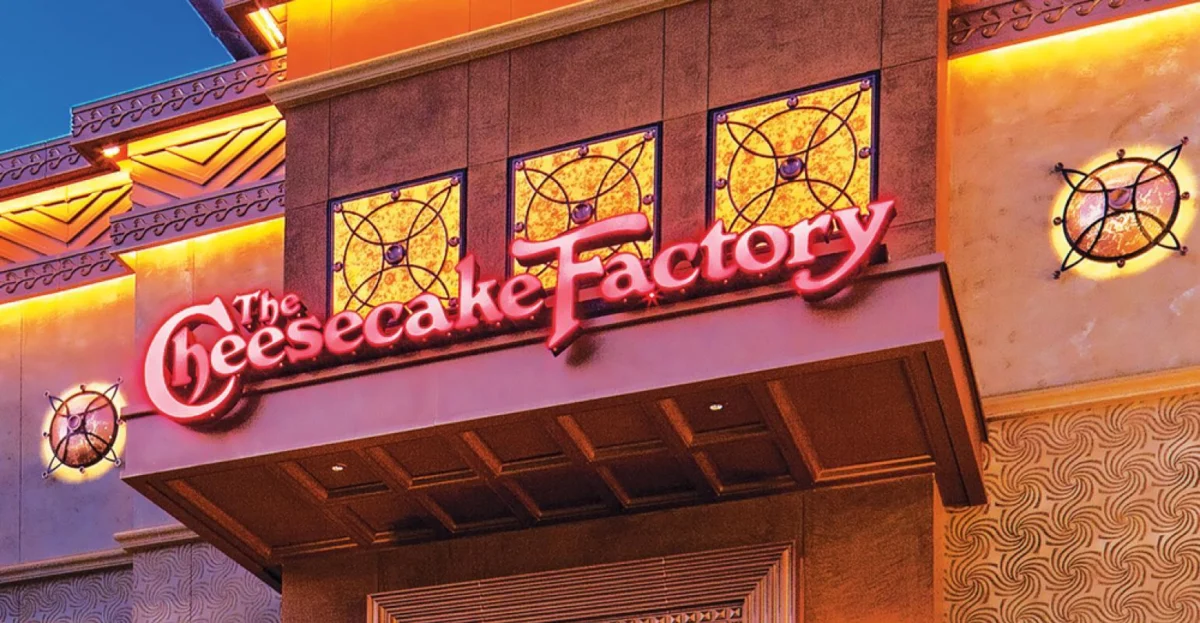
The Cheesecake Factory, a titan of the casual-dining industry, has found itself at the center of an unexpected and widely publicized political exchange, a phenomenon that has momentarily eclipsed its impressive financial achievements. While the company recently reported its second consecutive quarter of revenues exceeding $1 billion – a significant company milestone – its name has become a focal point in a political debate between former President Barack Obama and President Donald Trump. This unlikely intersection of culinary and political discourse has generated substantial media attention during a politically charged period leading up to the midterm elections.
Genesis of the Viral Moment
The political entanglement began during a campaign rally in Ohio last weekend, where former President Obama was endorsing Senator Sherrod Brown. In a moment aimed at criticizing President Trump’s renovations and aesthetic choices within the White House, Obama remarked, "He’s got the White House looking like Saddam Hussein opened a Cheesecake Factory." This statement, intended as a pointed critique, rapidly gained traction across social media platforms, sparking a viral reaction.
The immediate aftermath saw a surge of online commentary, with many users rallying in defense of The Cheesecake Factory. The brand, known for its extensive menu and distinctive decor, became an unexpected symbol in the ensuing political discourse. While some interpreted Obama’s remark as a humorous jab, others, particularly on the conservative side, characterized it as elitist.
The White House Responds: An Unconventional Defense
In a rather unconventional move, the Trump administration’s social media channels appeared to embrace the comparison. The White House’s official X (formerly Twitter) account and YouTube channel began featuring AI-generated images depicting President Trump waving to crowds in front of a Cheesecake Factory establishment. This strategy seemed to transform a perceived insult into a form of promotional content, albeit under duress.
Adding to this unusual response, Treasury Secretary Scott Bessent was photographed participating in a staged photo opportunity, dining at a Cheesecake Factory restaurant. These actions suggested a deliberate effort to counter the narrative and reframe the political jab.
Obama’s Rebuttal and the Broader Context of Food Politics
Undeterred, former President Obama addressed the ensuing controversy at a subsequent campaign rally. Acknowledging the reaction to his initial remark, he stated, "I heard the President was not happy." He then offered a more personal and relatable anecdote, stating, "I am the father of two daughters. Do you think I could have survived their childhood without going to The Cheesecake Factory?"
Obama further leveraged the moment to pivot towards economic concerns, a key theme in election cycles. He added, "prices have gotten so high, a lot of folks can barely afford to go out to eat. You would think this administration would spend time worrying about that." This statement directly linked the political discussion back to pressing economic issues, such as inflation and the cost of living, which are often top concerns for voters.
This is not the first instance where restaurant chains have been inadvertently drawn into the political arena concerning food prices and affordability. Just last month, Senator Elizabeth Warren (D-Mass.) posted a social media video titled "Why Food Chains Taste Worse and Cost More," where she attributed rising prices and declining quality at several U.S. restaurant chains to private equity practices. Jersey Mike’s Subs was specifically named in her critique.
The Cheesecake Factory’s Strategic Silence
In the face of this escalating political attention, The Cheesecake Factory, much like Jersey Mike’s in the earlier instance, has adopted a deliberate strategy of non-response. Prior to Obama’s initial comments, the company’s Instagram account had been actively posting almost daily. However, since the viral moment, the account has remained notably silent on the matter.
This silence can be interpreted as a calculated move to avoid further entanglement in partisan politics. For a large, publicly traded corporation, navigating such sensitive political waters requires extreme caution. The company’s executive team has evidently chosen to let the brand’s performance and customer loyalty speak for themselves, rather than engaging directly with the political discourse.
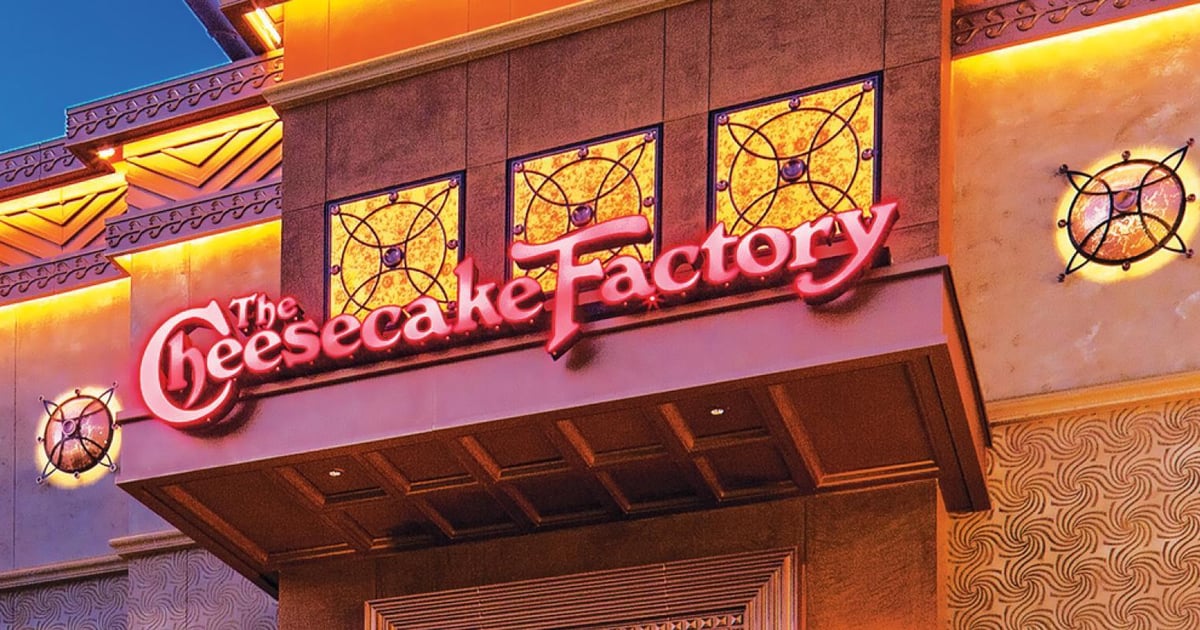
During the company’s third-quarter earnings call, executives did not directly address the viral social media moment. Instead, they focused on the company’s robust financial results and strong customer traffic, which have defied industry trends. This approach suggests a prioritization of core business objectives and brand integrity over engagement in potentially divisive political conversations.
Financial Performance Amidst the Storm
The Cheesecake Factory’s financial health remains exceptionally strong, underscoring its resilience. The company’s ability to achieve over $1 billion in revenue for two consecutive quarters is a testament to its successful business model and enduring customer appeal. This financial stability provides a strong foundation, allowing the company to weather external distractions like political controversies.
The company’s reported revenues for the first quarter of fiscal year 2024 reached $1.002 billion, marking a 5.5% increase compared to the same period in the prior year. This growth was driven by a 2.5% increase in comparable sales at The Cheesecake Factory locations and a significant 10.3% rise in comparable sales at its Fox Restaurant Concepts division. Overall comparable sales for the company increased by 4.3%.
In the second quarter of fiscal year 2024, The Cheesecake Factory reported total revenues of $1.012 billion, a 4.8% increase year-over-year. Comparable sales across all its restaurants saw a 2.4% uptick. This sustained revenue performance highlights the strength of the brand and its ability to attract and retain customers despite economic fluctuations and external noise.
Analyzing the Implications: Brand Management and Political Engagement
The situation involving The Cheesecake Factory raises important questions about corporate brand management in the digital age. The ease with which a brand can be drawn into political conversations, intentionally or unintentionally, presents both risks and opportunities.
Potential Risks:
- Alienating Customer Segments: A perceived alignment with one political party can alienate customers from opposing viewpoints, potentially impacting sales and brand loyalty.
- Negative Publicity: Mishandling political engagement can lead to widespread criticism and damage a brand’s reputation.
- Distraction from Core Business: Excessive focus on political controversies can divert attention and resources from essential business operations and strategic planning.
Potential Opportunities (if handled carefully):
- Enhanced Brand Visibility: Viral moments, even those that begin as criticism, can significantly increase brand awareness.
- Demonstrating Values: A well-crafted response can allow a brand to showcase its values and connect with consumers on a deeper level.
- Humorous Engagement: Lighthearted and self-aware responses can sometimes diffuse tension and endear a brand to the public. For instance, had The Cheesecake Factory chosen to engage, they might have posted lighthearted messages such as, "We know it’s a lot to take in. And we’re not just talking about the menu," or "Our décor might not be for everyone, but our seasonal pumpkin pecan cheesecake sure is."
The Cheesecake Factory’s decision to remain silent is a pragmatic approach that prioritizes stability and avoids potential pitfalls. By focusing on its strong financial performance and consistent customer traffic, the company is demonstrating confidence in its core business and its ability to thrive regardless of external political narratives.
The company’s choice to ignore the viral social media moment during its earnings call, allowing its industry-defying strong traffic to speak for itself, reflects a strategic understanding of its market position. In an era where political polarization can easily spill over into consumer behavior, maintaining a neutral yet robust brand presence appears to be the chosen path for The Cheesecake Factory. The brand’s enduring popularity and consistent financial success suggest that this strategy, for now, is proving effective.
The saga also highlights the evolving landscape of political rhetoric and its intersection with everyday life. What began as a political jab has inadvertently spotlighted a beloved American restaurant chain, underscoring the pervasive influence of popular culture and consumer brands in the broader societal discourse. The Cheesecake Factory, by virtue of its widespread recognition and its prominent role in American dining culture, has become an unlikely participant in this ongoing political dialogue, demonstrating the complex interplay between commerce, culture, and politics in contemporary society.
