

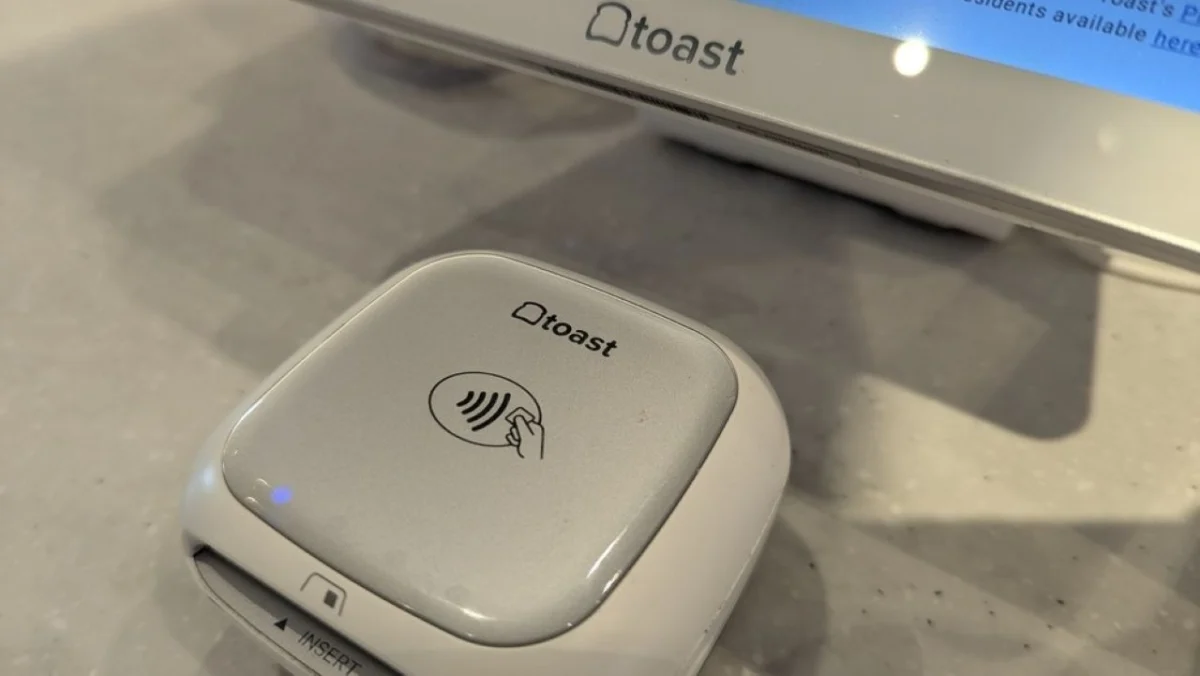
The Federal Trade Commission (FTC), in conjunction with the attorneys general of seven states and the people of California, has initiated a significant legal action against Toast, a leading technology provider for the restaurant industry. The lawsuit, filed in federal court in Northern California, alleges a pattern of deceptive practices that have unfairly burdened small and medium-sized restaurants. The core accusations revolve around Toast’s alleged misrepresentation of fees, inadequate customer support, and labyrinthine cancellation policies, practices that plaintiffs contend have siphoned essential profits from businesses striving to serve their patrons.
Christopher Mufarrige, Director of the FTC’s Bureau of Consumer Protection, articulated the commission’s stance, stating, "These practices have drained the hard-earned profits of businesses just trying to serve their customers. These practices are illegal, and the FTC will continue to take aggressive action to ensure a fair, transparent and competitive marketplace." This assertion underscores the FTC’s commitment to safeguarding small businesses from what it perceives as predatory business tactics within the technology sector.
Toast, a company that boasts nearly 200,000 business clients utilizing its comprehensive suite of services, including point-of-sale (POS) systems, ordering devices, payment processing, online ordering platforms, and marketing tools, has vehemently denied the allegations. The Boston-based company, which generated over $6 billion in revenue in 2025, with more than 80% derived from financial services like payment processing and business loans, expressed strong disagreement with the FTC’s claims. Toast stated that it had been actively engaged with the FTC since mid-2025, attempting to resolve the issues outside of court.
"The FTC disregarded the information we provided showing the extent to which our restaurant customers negotiate their contracts," the company said in a statement. "We are prepared to defend our business and fight this unprecedented action through litigation." Toast further argued that the FTC’s attempt to apply the Restore Online Shoppers’ Confidence Act (ROSCA) is misplaced, asserting that the act is not applicable to business-to-business contracts.
A History of Allegations and Regulatory Scrutiny
The lawsuit’s filing marks a significant escalation in regulatory scrutiny for Toast, a company that has become ubiquitous in the restaurant technology landscape. While the exact timeline of the FTC’s investigation remains under wraps, the allegations suggest a sustained period of alleged misconduct. The inclusion of multiple state attorneys general in the suit indicates a broad concern among state-level regulators about the impact of Toast’s practices on businesses within their jurisdictions.
The FTC’s mandate, in part, is to prevent unfair or deceptive acts or practices in commerce. The core of this lawsuit hinges on whether Toast’s business model and operational conduct have violated these principles. The plaintiffs’ detailed accusations point to a systematic approach to fee structures and customer engagement that may have been designed to obscure true costs and complicate customer departures.
Key Allegations Detailed in the Lawsuit
The complaint lodged against Toast outlines several specific areas of concern:
1. Hidden and Deceptive Pricing: A central tenet of the lawsuit is the allegation that Toast deliberately obscures the true cost of its services, particularly through its "$0/month ‘Pay-as-you-Go’" subscription. This pricing model, often marketed to smaller, single- or two-unit restaurants, offers free hardware and software. However, the lawsuit contends that this is achieved by imposing significantly higher payment processing fees, effectively shifting the cost burden onto transaction volume.
The complaint highlights that this "$0/month" offer is often undermined by fine-print stipulations that are easily overlooked. For example, the suit claims that the advertised $0 price may only apply to a single POS terminal, even when the marketing targets restaurants requiring multiple units. This disclosure, it is alleged, is buried in small type at the bottom of web pages, making it difficult for potential customers to fully grasp the total cost of service. This practice, if proven, could be seen as a violation of transparency principles, leading businesses to enter contracts under false pretenses regarding their overall financial commitment.
2. Undisclosed and Unilateral Fees: The lawsuit also revisits the controversial 99-cent online ordering fee that Toast imposed on consumers between September 2021 and June 2023. Crucially, the complaint alleges that this fee was not disclosed to the restaurants themselves within their contractual agreements. The subsequent backlash from restaurants in the summer of 2023, which led Toast to eventually remove the fee, underscores the lack of transparency in its fee-setting practices. Furthermore, the lawsuit points out that Toast has not reimbursed customers for these previously charged fees, adding another layer to the alleged financial misconduct.
3. Unauthorized Service Add-ons: A recurring complaint detailed in the lawsuit is that after restaurants commit to a Toast subscription, the company allegedly enrolls them in additional services that were not explicitly requested or agreed upon. Even when restaurants attempt to cancel these unsolicited add-ons, the lawsuit claims, Toast sometimes continues to charge for them. This practice suggests a potential pattern of upselling or bundling that is not based on genuine customer demand or consent.
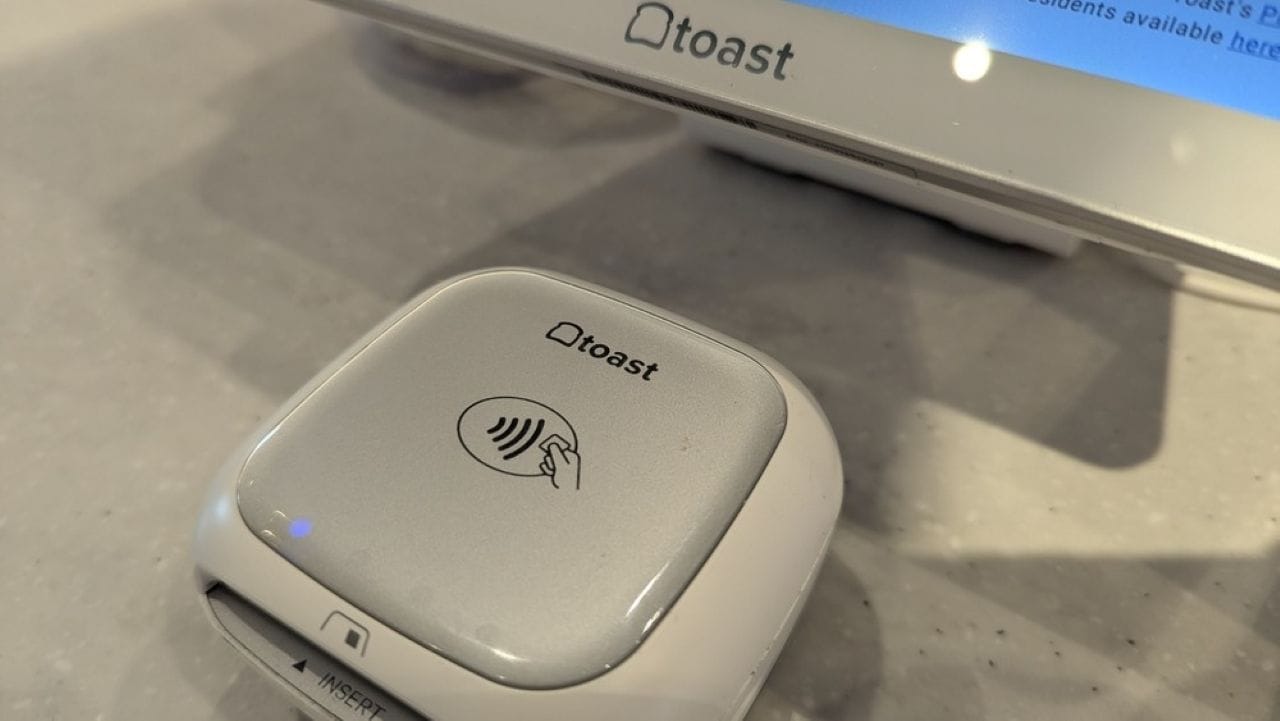
4. Obstruction of Cancellations: The legal action strongly criticizes Toast’s cancellation policies, describing them as intentionally difficult and multi-faceted. According to the lawsuit, terminating a contract with Toast is not a straightforward process but rather a complex procedure requiring intervention from multiple company departments. This, the plaintiffs argue, is designed to create friction and discourage customers from leaving, even when they are dissatisfied with the service.
5. Inadequate and Misrepresented Customer Support: Despite Toast’s widespread advertising of "24/7 support" from "real Toast representatives," the lawsuit alleges that restaurants frequently struggle to obtain timely and effective assistance. The complaint cites numerous instances where customers reported significant difficulties in reaching a human representative, with some attempts taking weeks or even months to yield a response. This alleged gap between advertised service levels and actual support delivery is a key point of contention, potentially violating consumer protection laws regarding service guarantees. The lawsuit includes accounts from over a dozen customers detailing these frustrating experiences.
Supporting Data and Industry Context
Toast operates in a highly competitive and rapidly evolving restaurant technology market. The increasing reliance on digital tools for operations, customer engagement, and payment processing has made platforms like Toast indispensable for many businesses. As of the latest available data, Toast serves nearly 200,000 businesses, a testament to its market penetration. The company’s significant revenue, particularly its substantial income from financial services, highlights the critical role it plays in the financial ecosystem of its restaurant clients.
However, this reliance also makes restaurants vulnerable to the practices of their technology providers. The growth of the "restaurant tech stack" has been rapid, with businesses often consolidating multiple services under a single provider for efficiency. This consolidation can inadvertently increase a restaurant’s dependence on that provider, making it more challenging to switch if issues arise. The lawsuit’s focus on fee structures and cancellation policies speaks to a broader concern within the industry about the power dynamics between large technology vendors and small business operators.
Data from industry surveys often point to cost and contract terms as significant pain points for restaurant owners. The complexity of technology contracts, the hidden fees that can emerge, and the difficulty in disentangling from a service provider are common complaints. The FTC and state attorneys general are likely responding to a growing volume of such grievances from restaurant operators.
Broader Implications and Analysis
The lawsuit against Toast carries significant implications for the restaurant technology sector and small businesses nationwide. If successful, the FTC and the participating states could set important precedents regarding transparency in pricing, the enforceability of contract terms, and the level of customer support required from technology providers serving the small business community.
For Restaurants: The immediate impact for Toast’s existing customers could be a renewed sense of urgency to review their contracts and understand their rights. The lawsuit may also empower restaurants to demand clearer terms and better service from all their technology vendors. In the long term, a favorable outcome for the plaintiffs could lead to more equitable business practices across the industry, potentially reducing operational costs and increasing profitability for restaurants.
For Toast: The company faces potential financial penalties, including monetary damages and civil penalties, as well as injunctive relief that could force changes to its business practices. The reputational damage from such a high-profile lawsuit could also affect customer acquisition and retention. Toast’s strong rebuttal and commitment to litigation suggest they believe the allegations are unfounded and that they have a strong defense. However, the sheer volume of allegations and the involvement of multiple governmental bodies indicate a serious challenge.
For the Regulatory Landscape: This action by the FTC and several states signals an increased willingness by regulators to intervene in the technology sector, particularly when small businesses are perceived to be at a disadvantage. The case could lead to greater scrutiny of other technology providers that offer similar services to the restaurant industry. It underscores the ongoing effort by consumer protection agencies to adapt to the evolving digital marketplace and ensure fair competition.
The Restore Online Shoppers’ Confidence Act (ROSCA), while Toast argues it doesn’t apply, is a key piece of legislation aimed at protecting consumers from deceptive online sales practices. If the FTC can successfully argue for its applicability or establish similar principles through other legal avenues, it could broaden the scope of consumer protection in business-to-business transactions.
The coming months will likely see extensive legal arguments as Toast prepares its defense and the plaintiffs present their evidence. The outcome of this litigation will be closely watched by businesses, regulators, and technology providers across the country, potentially shaping the future of how technology services are marketed and sold to small and medium-sized enterprises. The core issue remains whether Toast’s practices have indeed created an unfair and deceptive marketplace, thereby harming the very businesses it aims to support.
