

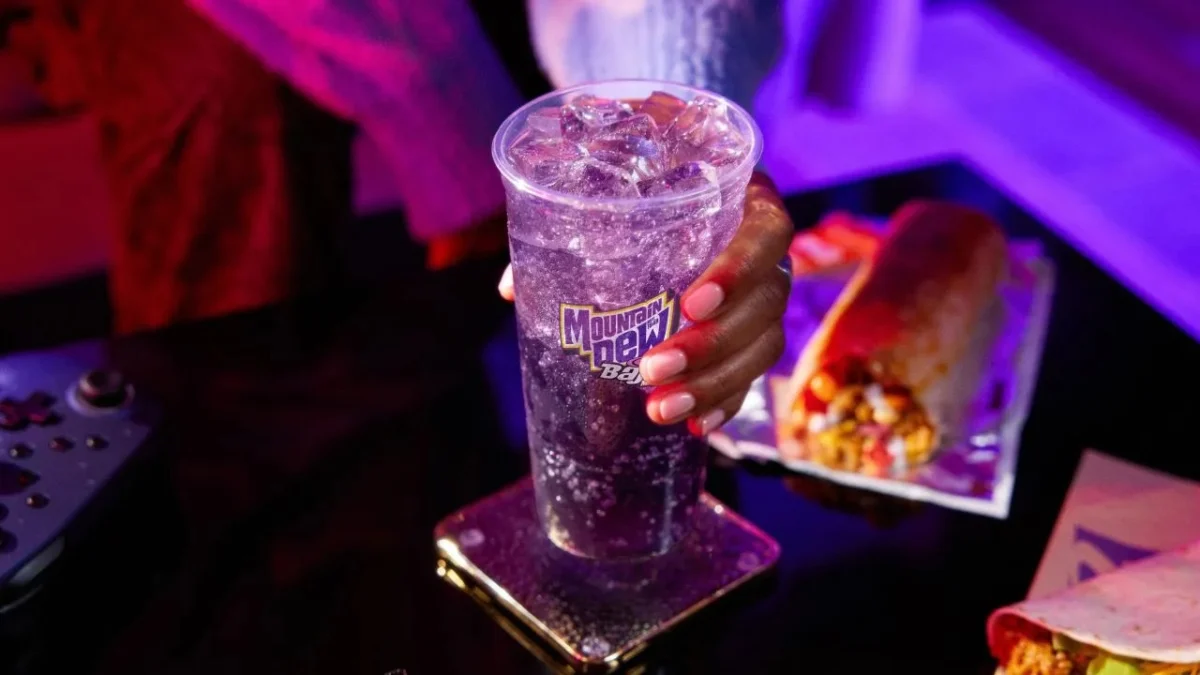
In a significant move for the quick-service restaurant landscape, Taco Bell has inked a renewed beverage partnership with PepsiCo, extending their collaboration through 2036. This decision comes at a pivotal moment, following the unexpected shift of its sister Yum! Brands chain, KFC, to a Coca-Cola exclusive beverage supplier. The extended agreement solidifies Taco Bell’s long-standing relationship with PepsiCo, a bond that extends beyond mere fountain drinks to encompass the iconic Baja Blast, a beverage deeply intertwined with the Taco Bell brand identity.
The strategic alignment between Taco Bell and PepsiCo is more than just a contractual renewal; it represents a calculated decision to maintain stability and leverage existing synergies. For decades, PepsiCo’s beverage portfolio has been a consistent fixture on Taco Bell’s menus, contributing to a familiar and comforting customer experience. This continuity is particularly valuable in an industry marked by rapid change and evolving consumer preferences. While the Baja Blast, a Mountain Dew variant exclusive to Taco Bell, is often cited as a primary driver of this partnership’s success, industry analysts suggest the benefits run deeper. The comprehensive nature of the agreement likely includes significant marketing support, operational efficiencies, and potential for co-branded initiatives that benefit both entities.
The backdrop to this announcement is the broader beverage war playing out across the restaurant sector. KFC’s departure from its long-standing PepsiCo relationship in favor of Coca-Cola sent ripples through the industry, prompting widespread speculation about whether other Yum! Brands-owned restaurants would follow suit. This strategic pivot by KFC aimed to tap into Coca-Cola’s extensive global distribution network and potentially leverage its diverse beverage offerings to appeal to a wider customer base. However, Taco Bell’s decision to remain with PepsiCo underscores the unique brand equity and customer loyalty it has cultivated with its current beverage partner.
Industry observers note that the financial implications of such long-term beverage contracts are substantial. These agreements typically involve guaranteed purchase volumes, marketing investments, and rebates, all of which contribute significantly to a restaurant chain’s profitability. For PepsiCo, securing Taco Bell’s business through 2036 represents a substantial and predictable revenue stream, especially in a competitive market where beverage sales are a critical component of overall restaurant revenue. The longevity of the deal also allows for long-term planning of product development and promotional campaigns.
Sweetgreen’s Beverage Pivot: A Bid for Re-energization?
In a separate development within the fast-casual dining sector, Sweetgreen has introduced a refreshed beverage lineup, featuring new offerings such as Tropical Black Tea and Fresh Blackberry Basil. This strategic move comes as the health-conscious salad chain grapples with declining sales. Sweetgreen has been actively pursuing innovative product introductions, including the recent launch of Ripple Fries and Wraps, in an effort to reignite customer interest and boost its financial performance.
The company’s sales have faced significant headwinds, prompting a re-evaluation of its menu and operational strategies. The focus on beverages, particularly those emphasizing healthier, functional, and house-made qualities, could represent a strategic avenue for growth. This aligns with a broader consumer trend favoring beverages that offer more than just refreshment, such as added health benefits or unique flavor profiles.
While the impact of these new beverage offerings on Sweetgreen’s overall sales trajectory remains to be seen, analysts suggest that a well-executed beverage strategy can indeed contribute to a brand’s revitalization. The fast-casual segment, in particular, has seen an increasing emphasis on beverage innovation, with consumers seeking premium and artisanal options. Sweetgreen’s foray into this space, with its emphasis on fresh ingredients and potentially lower sugar content compared to traditional soft drinks, could resonate with its target demographic.
However, some industry experts express caution regarding the extent to which beverage innovation alone can reverse a sustained sales decline. The challenges facing Sweetgreen are likely multifaceted, encompassing factors such as market competition, pricing strategies, and the overall dining experience. Nevertheless, the introduction of appealing and on-trend beverages is a vital component of any comprehensive turnaround effort, and Sweetgreen’s commitment to this area warrants close observation.
The Resurgence of QSR Pizza: Capturing Market Share
Shifting focus to the pizza category, recent data indicates a notable shift in consumer spending, with quick-service restaurants (QSRs) significantly increasing their share of the pizza market. While the overall pizza category experienced sales declines last year, according to Technomic, QSR pizza has emerged as a surprising growth area. New data from Numerator reveals that QSR pizza now accounts for an impressive 45% of total pizza spending, marking a substantial 3.1% increase compared to 2019.
This trend suggests that despite broader challenges within the pizza sector, QSR brands are effectively capturing consumer dollars. The convenience and value proposition offered by quick-service pizza chains appear to be resonating strongly with a significant segment of the market. This is particularly notable when contrasted with the performance of other pizza channels, such as retail or traditional dine-in establishments.
The data implies that QSR pizza is not only holding its own but is actively "stealing share" from other segments, including the frozen pizza aisle found in supermarkets. This phenomenon can be attributed to several factors. The ongoing demand for convenience, amplified by busy lifestyles and a desire for quick meal solutions, plays a crucial role. QSRs have optimized their operations for speed and efficiency, making it easier for consumers to access a hot, freshly made pizza with minimal delay.
Furthermore, the competitive pricing strategies employed by many QSR pizza chains likely contribute to their market gains. In an economic climate where consumers are increasingly price-conscious, the affordability of QSR pizza compared to some other dining options makes it an attractive choice. This economic advantage, coupled with consistent product quality and widespread accessibility through delivery and carry-out services, creates a compelling value proposition.
The increased reliance on delivery platforms has also been a significant tailwind for QSR pizza. These partnerships have expanded the reach of pizza brands, allowing them to connect with customers beyond their immediate geographical vicinity. As a result, the pizza category is increasingly defined by a fierce competition centered on convenience, value, and accessibility, leading to strategic adjustments among larger players to maintain their market positions.

Wendy’s Faces Challenges, Seeks Value-Driven Revival
In the realm of burger chains, Wendy’s is currently navigating a period of sales decline, with a reported 12% drop in revenue last quarter. The iconic fast-food giant is actively seeking solutions to address operational, product, and marketing challenges that have contributed to this downturn. In a concerted effort to win back customers and re-establish its market appeal, Wendy’s has recently implemented a two-pronged strategy focused on nostalgic branding and value-oriented promotions.
The company has reintroduced its signature yellow packaging, a visual cue that harks back to its branding from before 2012. This return to a familiar aesthetic aims to evoke a sense of nostalgia and remind consumers of Wendy’s established brand identity. The move signifies a recognition of the emotional connection many consumers have with the brand and an attempt to leverage that sentiment as part of its revival.
Complementing the branding initiative, Wendy’s has also launched a new "Dave’s Single combo meal" priced at $7.99. This value-driven offering is designed to attract price-sensitive customers and provide a clear, affordable meal option. The introduction of a specific combo deal at a competitive price point is a direct response to the increasing importance of value in the current economic climate.
While these measures are unlikely to be immediate "silver bullets" for Wendy’s, industry analysts view them as potentially positive steps in the right direction. The reintroduction of familiar branding can help reinforce brand recognition and customer loyalty, particularly among long-term patrons. Simultaneously, a focus on value is crucial for attracting new customers and retaining existing ones who may be seeking more budget-friendly dining options.
The success of these initiatives will depend on their execution and sustained impact. Wendy’s must not only attract customers with its new promotions but also ensure that the overall dining experience—from food quality to service speed—meets or exceeds expectations. The company’s ability to address underlying operational issues and refine its product offerings will be equally critical in achieving a lasting turnaround. The current strategy represents a deliberate effort to reconnect with consumers by emphasizing both brand heritage and economic sensibility, a combination that could prove effective if managed strategically.
