

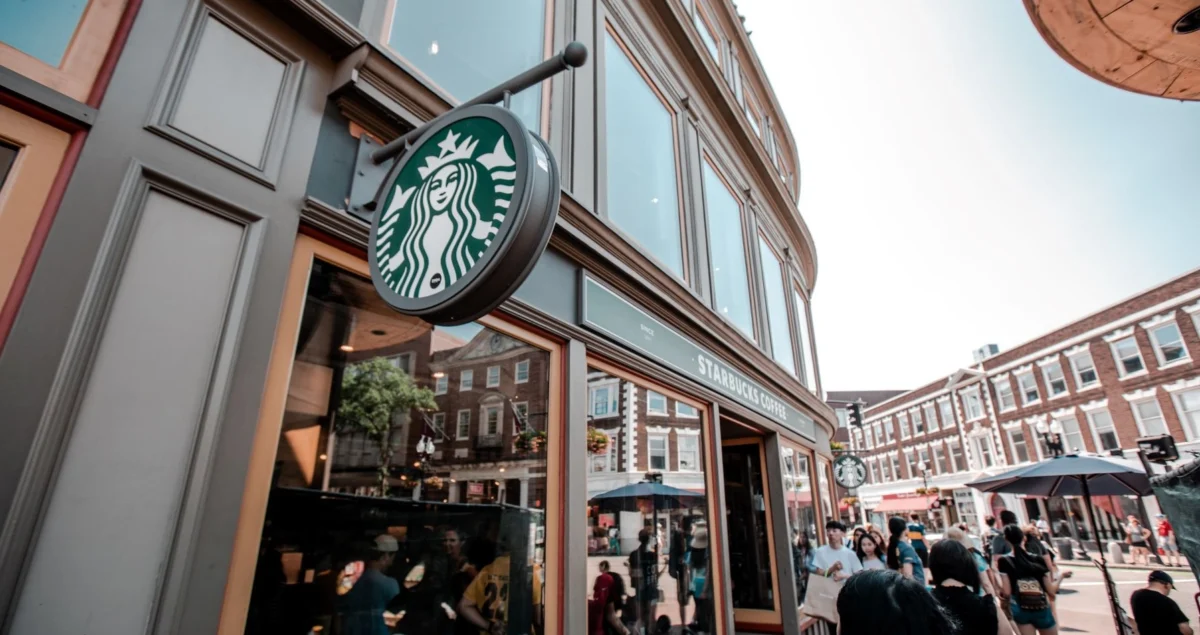
Starbucks customers have unequivocally demonstrated a potent affinity for unicorns, with the recent limited-time reintroduction of the vibrantly hued Unicorn Frappuccino propelling the coffee giant to unprecedented sales figures over the weekend of August 15-16. The Seattle-based corporation announced that its company-operated stores across North America collectively sold an astounding 2 million of these distinctive beverages, marking the highest sales weekend in the company’s history. This surge in demand underscores the potent influence of viral marketing and the enduring appeal of novelty in the fast-casual dining sector.
Brian Niccol, the Chief Executive Officer of Starbucks, characterized the reintroduction as "one for the record books" in a company-wide communication this week. He elaborated, "It was a terrific cultural moment for Starbucks that every partner helped bring to life." This sentiment is powerfully validated by external data, which paints a vivid picture of the dramatic increase in customer traffic.
Quantifying the Unprecedented Surge
Foot traffic analysis conducted by Placer.ai, a prominent retail analytics firm, revealed that on Saturday, August 15th, Starbucks locations experienced a remarkable 44.3% increase in visitor numbers compared to the daily average for the year. This figure significantly outpaced the typical Saturday traffic, which saw a 28.5% rise above the average Saturday. Niccol himself confirmed that this particular Saturday was indeed the biggest single sales day in the company’s storied existence.
The momentum continued into Sunday, August 16th, albeit at a slightly moderated pace. Placer.ai reported that Sunday traffic remained robust, with a 22.2% increase over the average Sunday. This sustained high level of engagement across the entire weekend highlights the broad appeal and widespread adoption of the promotional beverage.
The Genesis and Evolution of the Unicorn Frappuccino
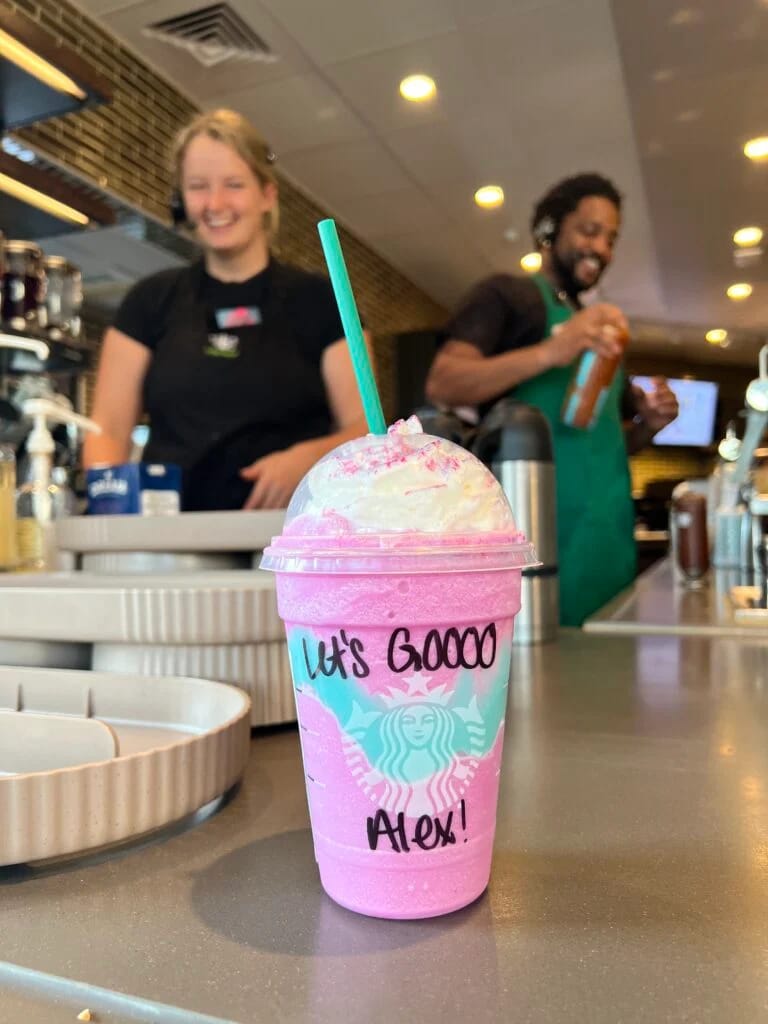
The Unicorn Frappuccino first captured the public’s imagination in 2017. Its initial introduction was strategically positioned as a limited-time offer, meticulously designed to resonate with the burgeoning social media landscape. The drink’s visual appeal was paramount, featuring a strikingly vibrant aesthetic that appeared to almost emit its own luminescence. It was crafted with a mango-flavored pink base, dramatically contrasted by a sour blue drizzle. The beverage was then adorned with whipped cream and a topping infused with both pink and blue sprinkles, creating a visually arresting and highly Instagrammable product.
The decision to reintroduce this particular Frappuccino was not arbitrary. It tapped into a successful formula that had previously demonstrated its capacity to generate significant buzz and drive customer engagement. In an era where social media virality can directly translate into tangible business results, Starbucks strategically leveraged the nostalgia and inherent appeal of a previously popular, visually distinctive product.
A Celebration of Partnership and Operational Excellence
Niccol’s internal message accompanying the sales figures highlighted the instrumental role of Starbucks employees, referred to as "partners," in the success of the promotion. He noted that the company’s baristas demonstrated exceptional "energy, creativity and care" in executing the launch. Their dedication and skillful preparation were crucial in meeting the overwhelming demand. Furthermore, Niccol lauded the support employees for their crucial role in ensuring adequate inventory levels and for their contributions to cultivating the widespread excitement that ultimately translated into record-breaking sales.
"We delivered world-class customer service with consistency and speed," Niccol stated, underscoring the operational efficiency that underpinned the promotional success. He added, "We showed up as visible, relevant, and loved." This statement reflects a broader strategic focus for Starbucks, which has been investing in enhancing the in-store experience and improving operational efficiency to better serve its customer base.
Strategic Investments Fueling Recent Growth
The record-breaking weekend for the Unicorn Frappuccino arrives at a time when Starbucks has been experiencing a broader trend of strengthening sales. In the most recent fiscal quarter, the company reported a robust 7.9% same-store sales growth in the U.S. This sustained positive performance is attributed, in part, to strategic investments aimed at improving the customer experience and operational capabilities.
Key initiatives have included remodeling existing stores to create more inviting and efficient spaces, increasing staffing levels to better manage peak periods, and significantly upgrading the company’s mobile application. The enhancements to the mobile app are particularly noteworthy, as they aim to streamline the ordering and pickup process, thereby reducing wait times and alleviating congestion during busy hours. These operational improvements are designed to not only support promotional events like the Unicorn Frappuccino launch but also to foster consistent customer satisfaction and loyalty on an ongoing basis.
The Broader Implications for the Foodservice Industry
The extraordinary success of the Unicorn Frappuccino reintroduction offers several key takeaways for the broader foodservice industry. Firstly, it underscores the immense power of social media marketing and the strategic advantage of leveraging visually appealing, shareable products. The "Instagrammable" nature of the drink was a critical driver of its viral spread, with customers eager to share their unique beverage experiences online.
Secondly, the event highlights the enduring appeal of novelty and nostalgia. Limited-time offers, especially those with a strong brand recall, can effectively drive significant customer traffic and stimulate sales. The strategic reintroduction of a popular, albeit past, menu item demonstrates a calculated approach to tapping into existing consumer enthusiasm.
Thirdly, the financial performance is a testament to the importance of operational readiness. While a compelling product can generate demand, the ability to fulfill that demand efficiently and with high-quality service is paramount. Starbucks’ investment in its stores, staff, and technology clearly played a crucial role in enabling them to capitalize on the surge in traffic.
Data-Driven Insights into Consumer Behavior
The data provided by Placer.ai offers invaluable insights into consumer behavior in response to promotional campaigns. The dramatic spike in foot traffic on the promotional weekend, far exceeding average daily and even typical weekend figures, illustrates the potent ability of a well-executed marketing strategy to disrupt established patterns. The sustained elevated traffic on Sunday further suggests that the buzz generated on Saturday had a lingering effect, encouraging continued engagement throughout the weekend.
This data also provides a quantifiable measure of brand resonance. The fact that a single, visually driven beverage could inspire such a significant influx of customers indicates a strong connection between the brand, its offerings, and its target demographic. The Unicorn Frappuccino, with its playful and whimsical nature, likely appealed to a broad spectrum of consumers seeking an enjoyable and shareable experience.
A Look Ahead: The Future of Promotional Strategies
As the foodservice industry continues to evolve, brands are increasingly looking for innovative ways to capture consumer attention and drive sales. The Starbucks Unicorn Frappuccino phenomenon serves as a compelling case study in the effectiveness of leveraging social media trends, limited-time offers, and operational excellence.
The success of this promotion suggests that future strategies will likely continue to emphasize:
- Visual Appeal: Products that are inherently shareable and visually striking will remain a priority for driving organic social media engagement.
- Nostalgia and Novelty: The strategic reintroduction of beloved past items, combined with entirely new and exciting creations, can create a powerful dual approach to menu innovation.
- Omnichannel Integration: Seamless integration between in-store experiences, mobile ordering, and digital marketing will be critical for maximizing reach and convenience.
- Data Analytics: Leveraging data to understand consumer behavior, predict demand, and measure the effectiveness of campaigns will be essential for optimizing marketing spend and operational planning.
The Unicorn Frappuccino’s return to the Starbucks menu was not merely a fleeting marketing stunt; it was a meticulously orchestrated event that capitalized on cultural trends and demonstrated the power of strategic execution. The record-shattering sales figures are a clear indicator of its success, offering valuable lessons for businesses across the retail and hospitality sectors aiming to create similar waves of consumer enthusiasm and drive significant business growth. The bright, whimsical allure of the unicorn has, for a weekend at least, proven to be a potent ingredient for unparalleled commercial success.
