


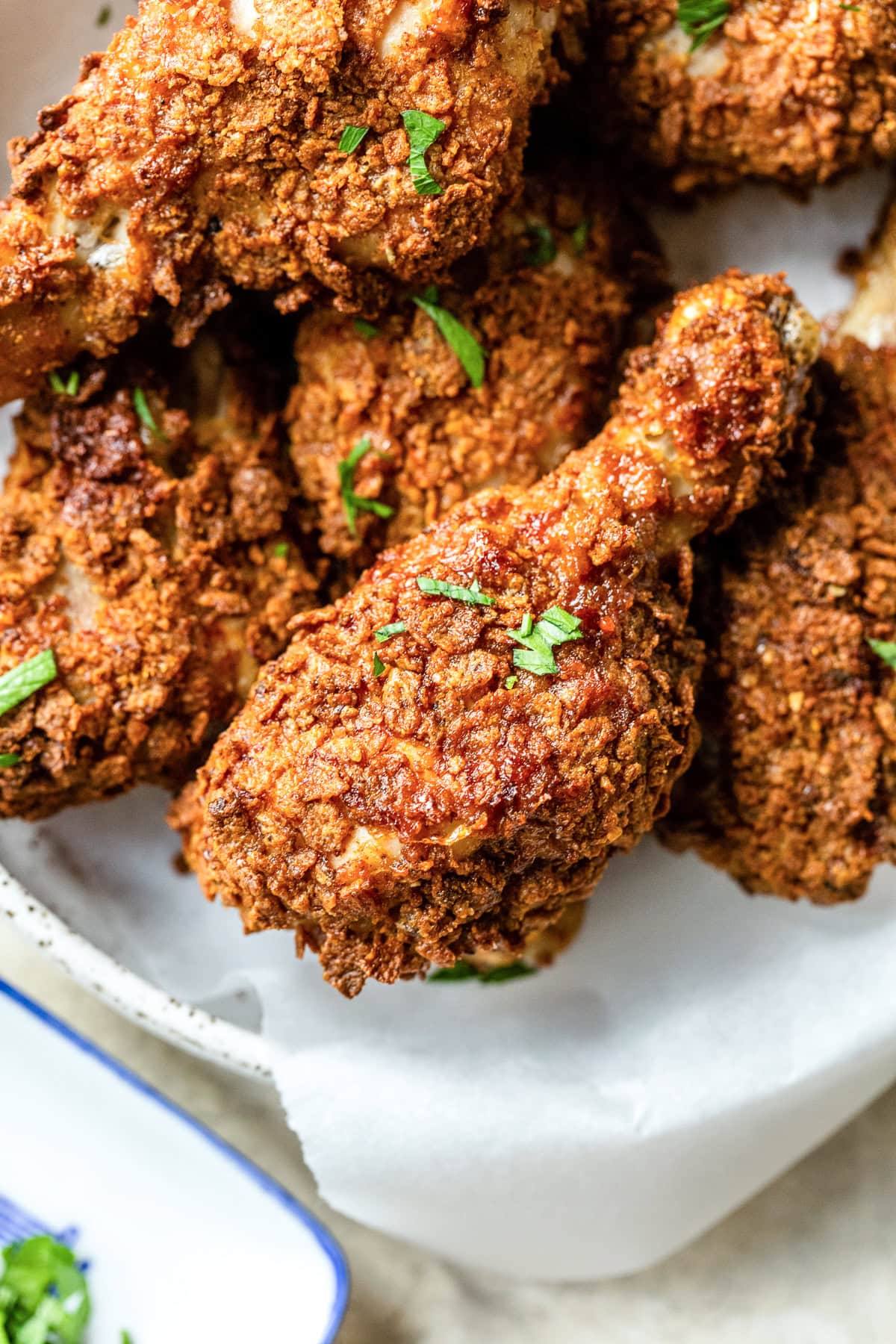
The traditional comfort food staple, fried chicken, is undergoing a significant transformation in kitchens worldwide, driven by the burgeoning popularity of air frying technology. This modern cooking method allows for the creation of crispy, flavorful fried chicken with a dramatically reduced oil content, offering a lighter alternative to its deep-fried counterpart. This shift is not merely a culinary trend but reflects a broader consumer demand for healthier eating options that do not compromise on taste or texture, leveraging innovative kitchen appliances to achieve classic flavors with contemporary health consciousness.
The Resurgence of a Classic Through Modern Technology
For generations, fried chicken has held an iconic status in global cuisine, celebrated for its succulent meat and audibly crispy exterior. However, the deep-frying process, while delivering undeniable flavor, also introduces substantial amounts of fat and calories, prompting many health-conscious individuals to limit their consumption or seek alternative preparations. The advent and widespread adoption of the air fryer have provided an elegant solution, enabling home cooks to recreate the beloved crunch and juiciness of fried chicken with a fraction of the oil typically required. This technological leap represents a pivotal moment in the evolution of home cooking, marrying the desire for traditional indulgence with modern dietary considerations.
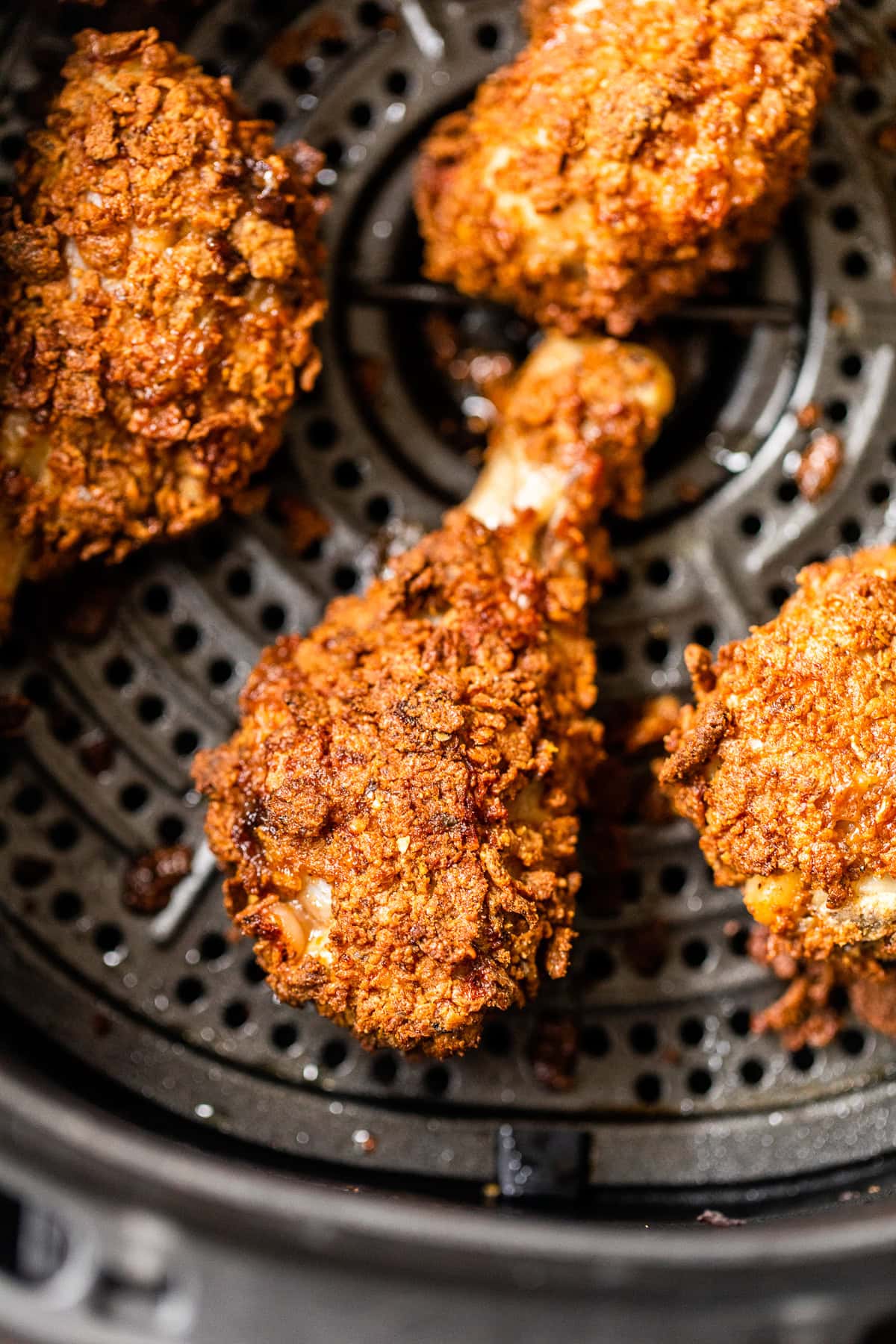
The air fryer operates by circulating hot air rapidly around food, mimicking the effects of deep frying through convection. This high-speed airflow creates a crispy outer layer by effectively dehydrating the surface of the food while cooking the interior evenly. For chicken, this means a golden-brown, crunchy coating and tender, moist meat, all achieved with minimal added oil, often just a light spray. This method not only reduces the caloric and fat content but also simplifies the cooking process, making cleanup considerably easier by eliminating large quantities of spent cooking oil.

Nutritional Profile and Health Implications
A direct comparison of deep-fried versus air-fried chicken reveals significant nutritional differences, positioning the air-fried version as a distinctly healthier choice. Deep-fried chicken typically absorbs a substantial amount of oil during cooking, leading to higher calorie counts, saturated fat, and cholesterol. For instance, a standard serving of deep-fried chicken can contain upwards of 500-700 calories and 30-50 grams of fat, depending on the cut and breading.
In contrast, air-fried chicken, particularly when prepared with a lean coating and a light application of olive oil spray, drastically cuts these figures. Recipes like the one leveraging a light mayonnaise and seasoned bran flake mixture, followed by a minimal oil spray, demonstrate a potential reduction in fat by 70-80% compared to traditional deep frying. The provided nutritional data for air-fried drumsticks, indicating approximately 386 kcal, 12g fat, and 2g saturated fat per two drumsticks, starkly highlights this improvement. This reduction is critical for individuals managing weight, cardiovascular health, or those simply seeking a more balanced diet without fully abandoning cherished comfort foods. Nutritionists widely advocate for cooking methods that minimize unhealthy fats, and the air fryer aligns perfectly with these recommendations, offering a practical tool for dietary improvement without sacrificing culinary enjoyment.

The Rise of the Air Fryer: A Market Phenomenon
The air fryer has transitioned from a niche kitchen gadget to a mainstream appliance in a remarkably short period. First introduced to the market in the late 2000s, its popularity surged in the mid-2010s and continues unabated into the current decade. Market research indicates a substantial increase in air fryer sales globally, with reports showing double-digit growth year-over-year in various regions. This rapid adoption is attributed to several factors: its versatility, ease of use, speed of cooking, and the health benefits it offers.
From a timeline perspective, early air fryer models focused primarily on frying potatoes and simple snacks. However, as the technology matured and consumer awareness grew, the appliance’s capabilities expanded. Manufacturers improved designs, increased capacity, and introduced smarter features, making air fryers capable of roasting, baking, and grilling a wide array of foods. The COVID-19 pandemic further accelerated its adoption, as more people cooked at home and sought convenient, healthier ways to prepare meals. Social media platforms and food blogs have also played a crucial role, with an explosion of air fryer recipes and tips contributing to its viral success and integrating it deeply into modern culinary practices.

Culinary Adaptations and Expert Insights
The adaptation of classic recipes like fried chicken for the air fryer requires a nuanced understanding of ingredients and cooking principles. Traditional deep-fried chicken relies on a wet batter or flour dredge, which forms a thick, crispy crust when submerged in hot oil. For air frying, the approach needs to be slightly different to achieve a similar texture without excessive oil.
Culinary experts and recipe developers have experimented extensively to perfect air-fried fried chicken. The use of a binding agent like light mayonnaise, as suggested in innovative recipes, serves multiple purposes. It helps the breading adhere firmly to the chicken, adds moisture, and contributes to browning. The choice of breading is also critical; bran flakes, when crushed and seasoned, offer a unique texture that crisps beautifully in the air fryer, providing a satisfying crunch reminiscent of traditional frying. This method also often incorporates a blend of spices—such as paprika, garlic powder, onion powder, and cayenne—to infuse the chicken with a rich, savory flavor profile.

Chef and food technologist, Dr. Eleanor Vance, comments on the scientific principles at play: "The Maillard reaction, responsible for the browning and complex flavors we associate with fried foods, occurs efficiently in an air fryer’s hot, circulating environment. The key is surface moisture and a thin layer of fat to facilitate heat transfer and achieve that desirable crispness without deep immersion in oil. Ingredients like mayo and certain cereals offer excellent adhesion and crisping properties when subjected to this intense convection heat."
Best Practices for Optimal Air-Fried Chicken
Achieving consistently crispy and juicy air-fried chicken involves several key steps and considerations, as highlighted by experienced home cooks and culinary guides.

- Preparation of Chicken: Using chicken drumsticks or other bone-in, skin-on cuts is often recommended for maximum flavor and moisture retention. Trimming excess skin or fat can further enhance the health profile. Ensuring the chicken is patted dry before applying the coating is crucial for crispiness.
- Coating Technique: A two-step coating process typically yields the best results. First, a thin layer of a binder (like light mayo or buttermilk) is applied, followed by a generous dredge in a seasoned breading mixture (such as crushed bran flakes or panko breadcrumbs). This ensures a robust crust.
- Oil Application: A light, even spray of olive oil or another high-smoke-point oil is essential. This oil helps the coating brown and crisp, preventing it from drying out and ensuring a golden finish. A second spray mid-cooking, after flipping, can further enhance crispiness.
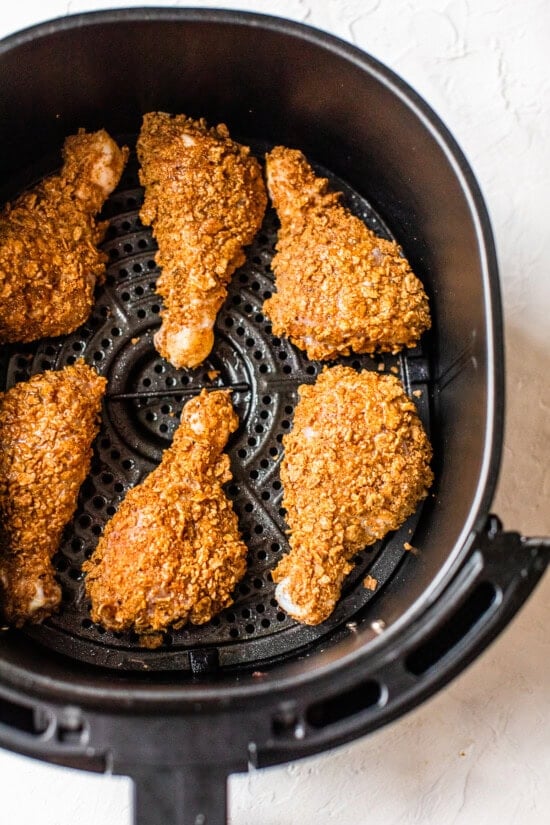
- Air Fryer Loading: Crucially, chicken pieces must be arranged in a single layer within the air fryer basket, with adequate space between them. Overcrowding leads to steaming rather than frying, resulting in soggy chicken. This often necessitates cooking in batches, a small trade-off for the superior texture.
- Temperature and Time: For drumsticks, a temperature around 370°F (188°C) for 22-24 minutes is a common recommendation, with a flip halfway through. The internal temperature of the chicken must reach a safe 165°F (74°C) to ensure it is fully cooked. An instant-read thermometer is an invaluable tool for this.
- Preheating: While not always strictly necessary, preheating the air fryer for a few minutes can help achieve a more consistent cook and crispier exterior from the start.
Versatility and Customization
Beyond the classic preparation, air-fried chicken offers extensive opportunities for variation and customization. The base recipe can be adapted to explore a myriad of flavor profiles:
- Spicy Chicken: Incorporating cayenne pepper, chili powder, or a dash of hot sauce into the mayo mixture can elevate the heat.
- Herbed Chicken: Adding dried herbs like thyme, rosemary, or oregano to the breading imparts aromatic complexity.
- Lemon-Garlic Chicken: A squeeze of fresh lemon juice and extra garlic powder can brighten the flavor profile.
- Gluten-Free Options: Using gluten-free breadcrumbs or crushed gluten-free cereals can cater to specific dietary needs without sacrificing crispness.
- Different Cuts: While drumsticks are ideal, thighs, wings, or even boneless breasts can be air-fried, though cooking times and temperatures may need slight adjustments.
This adaptability makes air-fried chicken a versatile dish suitable for various meal plans and dietary preferences, further contributing to its widespread appeal.
Broader Impact on Home Cooking and Dietary Habits
The widespread adoption of air fryers and the popularity of recipes like air-fried chicken signal a significant shift in contemporary home cooking. Consumers are increasingly seeking practical ways to balance their desire for indulgent flavors with growing health awareness. The air fryer perfectly encapsulates this trend, offering a guilt-free pathway to enjoying traditionally "unhealthy" foods.
This phenomenon has broader implications:
- Empowerment of Home Cooks: The air fryer makes sophisticated cooking techniques accessible to a wider audience, reducing intimidation associated with deep frying and encouraging culinary experimentation.
- Dietary Flexibility: It allows for greater dietary flexibility, as individuals can enjoy lighter versions of their favorite dishes, potentially leading to more sustainable healthy eating habits rather than restrictive diets.
- Innovation in Food Industry: The success of air fryer recipes has spurred innovation in the food industry, with manufacturers developing new convenience foods specifically designed for air frying and appliance companies continuously refining their products.
- Rise of Digital Culinary Content: Food blogs, recipe websites, and social media channels have become central to disseminating air fryer techniques and recipes, fostering a dynamic community of home cooks sharing tips and creations.
In conclusion, the air fryer’s capability to deliver crispy, juicy fried chicken with significantly less oil is more than just a convenient cooking hack; it represents a cultural and culinary milestone. It underscores a growing global trend towards healthier eating without sacrificing the joy and flavor of beloved comfort foods. As technology continues to evolve, the air fryer stands as a testament to how innovative kitchen appliances can profoundly reshape our approach to food preparation and consumption, making healthier choices both delicious and effortlessly attainable.
