

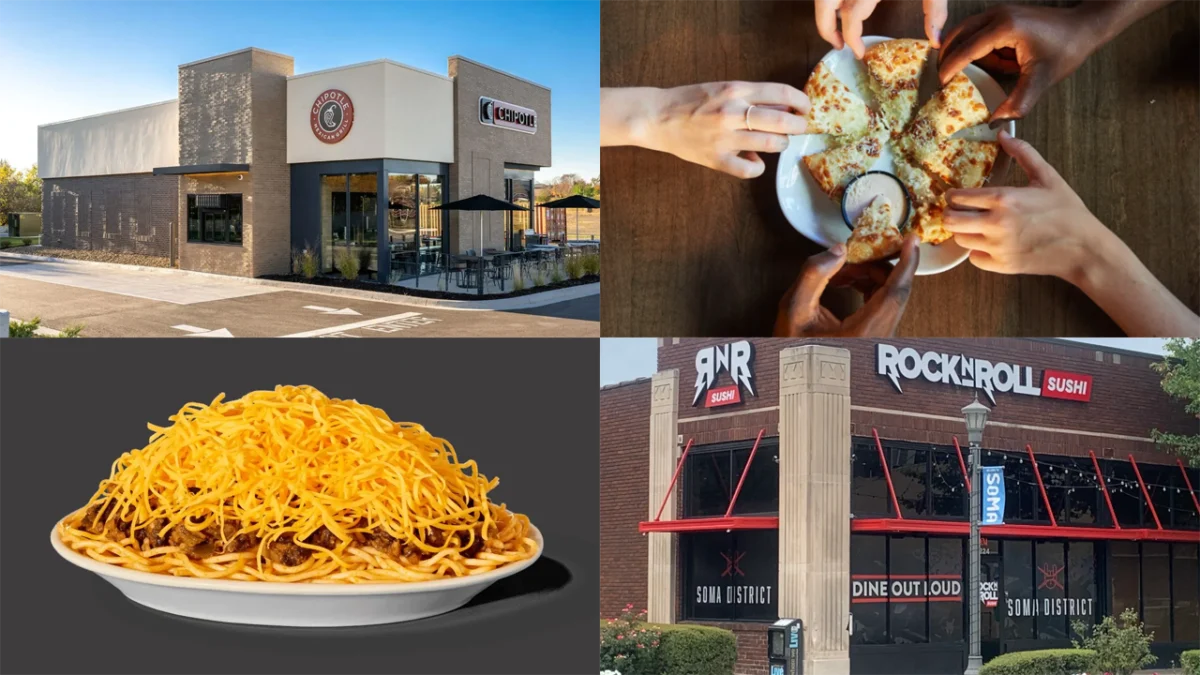
The restaurant industry experienced a substantial wave of executive transitions in September, with a total of 37 notable personnel changes across various leadership levels. Among these, seven individuals assumed or departed from the critical Chief Executive Officer (CEO) role, underscoring a period of significant leadership shifts within major and emerging brands. This turnover signals a dynamic environment where strategic realignments, market pressures, and the ongoing evolution of consumer preferences are likely driving these significant organizational adjustments.
The month’s executive movements were particularly pronounced at the highest echelons. Inspire Brands, a formidable conglomerate overseeing a portfolio of popular restaurant chains, saw its CEO enter medical leave, a development that immediately raises questions about leadership continuity and strategic direction for its extensive brand family, which includes Arby’s, Dunkin’, Baskin-Robbins, and Buffalo Wild Wings, among others. While Inspire Brands has not provided specific details regarding the interim leadership, such a situation typically necessitates a robust succession plan and clear communication to stakeholders, including franchisees, employees, and investors, to maintain operational stability and market confidence. The absence of a CEO at the helm of such a vast enterprise can create ripples across its numerous operations and brand strategies.
Adding to the top-tier changes, the chief executives of La Madeleine, a French-inspired bakery-café chain, and Hot Palette America, a relatively newer entrant or perhaps a specific regional entity within a larger culinary group, have stepped down. The reasons for these departures are often multifaceted, ranging from strategic disagreements, performance evaluations, to personal choices. For La Madeleine, a departure at the CEO level could signal a reevaluation of its market positioning, expansion strategies, or operational efficiencies in a competitive casual dining landscape. Similarly, for Hot Palette America, a new leadership appointment might indicate a pivot in its growth trajectory or a response to early-stage market challenges. The impact of these CEO changes can be profound, influencing brand identity, investor relations, and long-term strategic vision.
Regional Chains Undergo Leadership Transformations
Beyond the major players, several regional chains also saw new leaders stepping into the CEO positions, indicating a pattern of strategic renewal or adaptation within these geographically focused businesses. Rock N Roll Sushi, a vibrant, music-themed sushi concept, welcomed a new chief executive, suggesting a push for further expansion or refinement of its unique brand experience. Pacific Catch, known for its Pacific Rim-inspired seafood, also appointed a new leader, potentially signaling a renewed focus on menu innovation, supply chain management, or customer engagement in the seafood sector. Skyline Chili, a Cincinnati-based institution with a devoted following, appointed a new CEO, which could signify efforts to modernize operations, expand its reach beyond its traditional strongholds, or adapt to evolving consumer tastes for comfort food. Everbowl, a fast-growing brand specializing in acai bowls and healthy treats, also saw a change at the top, indicating a drive to maintain its rapid growth momentum and potentially explore new markets or product lines in the health and wellness food segment. The appointment of new CEOs in these regional entities often reflects a desire to inject fresh perspectives and strategies to navigate competitive local markets and capitalize on emerging consumer trends.
Presidential Appointments and the Importance of Operational Leadership
The month of September also witnessed a significant number of appointments to the presidential role, a position often responsible for overseeing specific business units, regions, or functional areas within larger organizations. GoTo Foods, a parent company that likely encompasses multiple food-related ventures, made three distinct presidential appointments, suggesting a strategic expansion of its leadership team to manage its diverse portfolio or growing operational demands. Boston Pizza, a Canadian casual dining staple, appointed a new president, a move that could herald efforts to strengthen its franchise network, enhance its menu offerings, or adapt to the evolving dining landscape in Canada. Bad Ass Coffee, a franchise known for its Hawaiian-themed coffee shops, also saw a new president take the helm, likely aiming to accelerate its franchise growth and solidify its brand presence in the competitive coffee market. Shula’s Restaurant Group, associated with the legendary football coach Don Shula, appointed a new president, which could signal a strategic review of its steakhouse and sports-themed dining concepts, potentially focusing on revitalization or expansion. These presidential appointments are crucial for driving operational excellence and implementing the strategic directives set by the CEO and the board.
Marketing and Operations Sectors See a Surge in New Leadership
The marketing and operations departments, the engines that drive brand visibility and day-to-day execution, were particularly active in September. The marketing sector saw new leaders appointed at several prominent brands. KFC, a global fried chicken giant, welcomed a new marketing executive, a crucial role given the brand’s ongoing efforts to innovate its menu and maintain its competitive edge in the fast-food arena. Red Lobster, a seafood casual dining chain, also appointed a new marketing leader, an area of significant importance as the company navigates market shifts and seeks to enhance customer loyalty. Cava, the fast-casual Mediterranean eatery that has seen significant growth, appointed a new marketing head, indicating a continued focus on building brand awareness and customer acquisition as it expands its footprint. Mountain Mike’s, a pizza chain known for its West Coast presence, and Hot Head Burritos, a fast-casual Mexican concept, also saw new marketing leadership, suggesting a commitment to refining their brand messaging and promotional strategies. Mo’ Bettahs Hawaiian Style Food, another brand capitalizing on the popularity of Hawaiian cuisine, likewise appointed a new marketing executive, pointing to a strategic effort to amplify its unique offerings.
Simultaneously, the operations side of the industry experienced its own significant leadership changes. El Pollo Loco, the flame-grilled chicken chain, appointed new operations executives, a move that typically focuses on optimizing kitchen efficiency, supply chain logistics, and in-store customer experience. Habit Burger & Grill, a fast-casual burger chain, also saw new operational leaders join, likely aiming to streamline processes and enhance service quality across its locations. Hai Hospitality, a group that may encompass various restaurant concepts, appointed new operations executives, suggesting a focus on scaling its operations and maintaining high standards across its portfolio. The Sports Bra, a unique establishment that has garnered attention for its focus on women’s sports, also saw new operations leadership, indicating a strategic effort to manage its growing popularity and operational demands. These operational appointments are vital for ensuring consistent quality, efficient resource allocation, and a positive customer experience, which are fundamental to the success of any restaurant brand.
Human Capital and Boardroom Updates
Beyond the direct operational and marketing leadership, September also saw key personnel shifts in human resources and corporate governance. Wingstop’s former Chief People and Culture Officer transitioned to an emerging brand, a move that highlights the movement of talent specializing in organizational development and employee engagement to support nascent growth companies. This indicates that the expertise in building strong company cultures and attracting talent is highly valued across different stages of a company’s lifecycle. Furthermore, major publicly traded companies like Chipotle and Jack in the Box made updates to their boards of directors. These boardroom changes are often strategic, aimed at bringing in new expertise, perspectives, or governance oversight to guide the company through evolving market conditions and strategic initiatives. Board composition can significantly influence a company’s long-term strategy, financial performance, and ethical conduct.
A Snapshot of Industry Dynamics
The sheer volume and diversity of these executive changes in September paint a picture of a restaurant industry in constant flux. The seven CEO transitions alone suggest a period of significant strategic recalibration for the companies involved. The medical leave of the Inspire Brands CEO, while a personal matter, introduces an element of uncertainty that could prompt a review of interim leadership structures and long-term succession planning within one of the industry’s largest players. The departures at La Madeleine and Hot Palette America, coupled with new leadership at four regional chains, indicate a broad trend of seeking new strategic direction, operational efficiency, or growth catalysts.
The appointments in marketing and operations underscore the critical importance of brand building and execution in today’s competitive landscape. As consumer preferences continue to evolve and the digital landscape transforms how brands connect with their audiences, strong marketing leadership is paramount. Similarly, efficient and customer-centric operations are the bedrock of profitability and customer satisfaction. The movement of a Chief People and Culture Officer to an emerging brand further emphasizes the growing recognition of human capital as a strategic asset, crucial for fostering innovation and driving growth, particularly in newer ventures. Finally, board updates at established companies like Chipotle and Jack in the Box signal a proactive approach to governance and strategic oversight, essential for navigating complex market dynamics and ensuring long-term shareholder value.
Broader Implications for the Restaurant Sector
This period of intense executive turnover is not merely a collection of isolated events but rather a reflection of broader industry trends and pressures. The ongoing economic uncertainties, including inflation and fluctuating consumer spending habits, likely compel companies to reassess their leadership to navigate these challenges. The demand for innovation, particularly in areas like plant-based options, digital ordering, and sustainable practices, necessitates leaders who can drive these changes effectively. Furthermore, the labor market, with its ongoing challenges in recruitment and retention, places a premium on executives with strong people-management skills and the ability to foster positive work environments.
The increased focus on regional chains finding new leadership suggests that while national brands often dominate headlines, localized success stories and strategies remain vital. These regional players may be adapting to specific demographic shifts or consumer tastes within their territories. The flurry of activity in marketing and operations indicates that brands are intensely focused on refining their customer proposition and ensuring seamless execution. In an era of heightened competition, a strong brand message and flawless operational delivery are no longer optional but essential for survival and growth.
The August data, showing 51 executives on the move including CEO changes at Pizza Hut, Dave & Buster’s, and HTeaO, suggests that September’s 37 changes, while substantial, might indicate a slight deceleration in the pace of executive churn compared to the previous month, or simply a different distribution of roles. However, the consistent high number of changes across various levels points to a sustained period of leadership evolution within the restaurant sector. This dynamic environment requires businesses to be agile, adaptable, and forward-thinking, with leadership playing a pivotal role in charting their course through an ever-changing landscape. The implications of these September appointments will likely unfold in the coming months and quarters as these new leaders implement their strategies and shape the future of their respective brands.
