

The landscape of the global gin market underwent a seismic shift in 1999 when William Grant & Sons introduced Hendrick’s Gin. Produced at the Girvan distillery in Scotland, the brand departed from the traditional London Dry style by incorporating essences of Bulgarian rose and specially selected cucumbers. This innovation effectively spearheaded the "New Western Dry" gin movement, prioritizing aromatic complexity over the aggressive juniper profiles that had dominated the category for decades. In the twenty-five years since its inception, Hendrick’s has moved beyond its flagship expression to establish the "Cabinet of Curiosities," a series of limited-edition releases helmed by Master Distiller Lesley Gracie. These experimental iterations have met with varying degrees of critical acclaim and commercial success, leading to a complex hierarchy of products within the brand’s portfolio.
The Evolution of the Cabinet of Curiosities
The Cabinet of Curiosities is an experimental laboratory within the Hendrick’s Gin Palace where Lesley Gracie explores unconventional botanical combinations. Each release is typically available for a limited window, usually one to two years, before being retired to make room for the next "curiosity." This strategy has allowed the brand to maintain consumer interest in a crowded market while testing the boundaries of what constitutes "gin."
As of late 2024, the product line includes eight distinct releases. These have been evaluated based on their botanical balance, versatility in mixology, and adherence to the core Hendrick’s identity. The following analysis ranks these expressions from the least successful to the definitive benchmark of the brand.
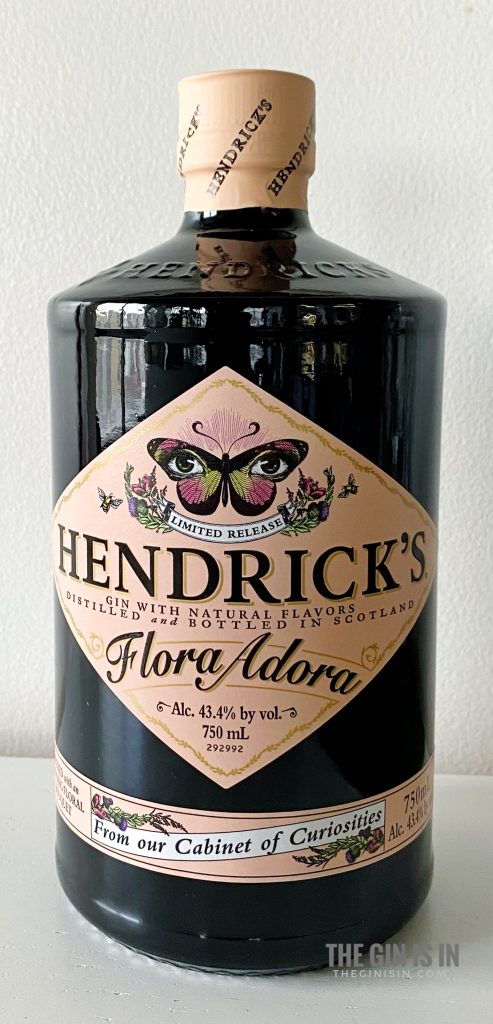
8. Hendrick’s Flora Adora (2023)
Introduced in early 2023, Flora Adora was designed to evoke the scents of a garden in full bloom, specifically targeting the aromatics that attract pollinators like bees and butterflies. The botanical bill includes lavender, rose, and hibiscus. However, market data and critical reviews suggest that this expression may have pushed the floral envelope too far.
Sensory analysis reveals a dominant aroma of honeysuckle and tuberose, which some critics have likened to vintage perfumes or scented soaps. While the mid-palate retains the signature Hendrick’s juniper, the finish is heavily influenced by lilac and lavender. In a professional bar setting, Flora Adora has proven difficult to balance; its intense herbaceous qualities often overwhelm other ingredients in classic cocktails, leading to its ranking as the least versatile member of the collection. It remains primarily a niche item for dedicated collectors.
7. Hendrick’s Neptunia (2022)
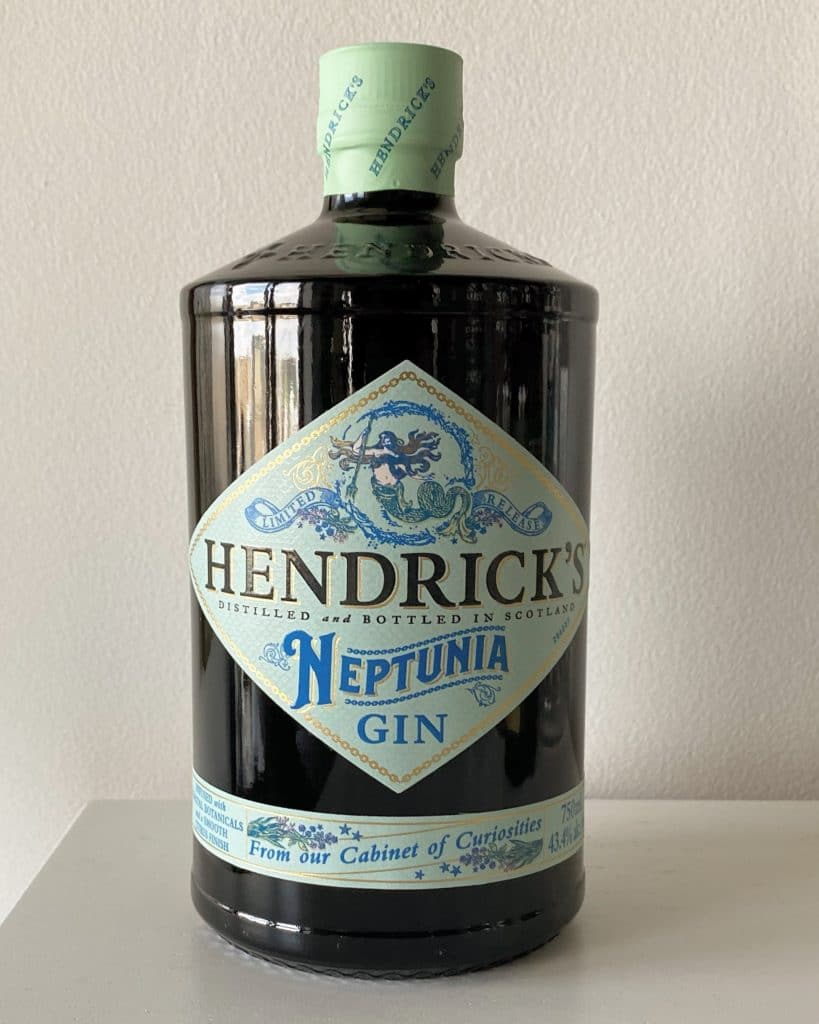
Neptunia represented a shift from the garden to the coast, inspired by the rugged Ayrshire shoreline near the Hendrick’s Gin Palace. This release incorporates coastal botanicals and a distinct saline finish. The objective was to capture the "briny ocean wind," aligning with a broader industry trend toward Mediterranean-style, savory gins.
While Neptunia is less polarizing than Flora Adora, it has been described by spirits analysts as "chaotic." The flavor profile attempts to bridge the gap between heavy citrus, piney juniper, and savory herbs, occasionally resulting in a lack of cohesion. While it finds favor among enthusiasts of savory martinis, its briny character makes it a challenging mixer for more traditional, fruit-based gin drinks.
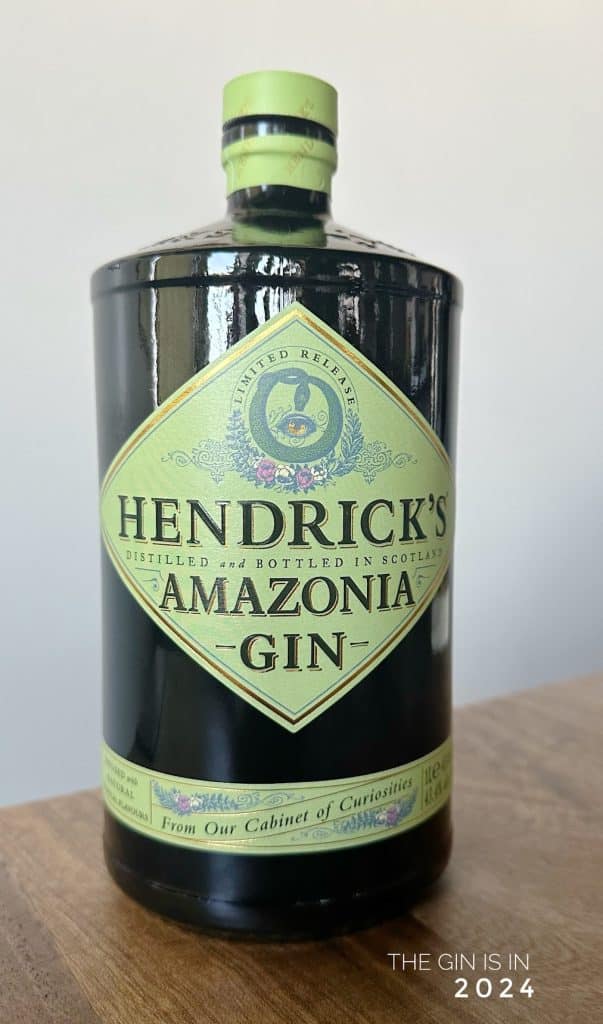
6. Hendrick’s Amazonia (2019)
Originally released as a Global Travel Retail exclusive, Amazonia was inspired by Gracie’s 2013 expedition to the Venezuelan rainforest. The gin features exotic botanicals, most notably tonka bean and pink peppercorn. Despite the pedigree of these ingredients, the final product leans heavily into tropical fruit notes.
Market feedback suggests that while Amazonia is a pleasant spirit, it strays significantly from the gin category’s traditional boundaries, at times resembling a tropical liqueur more than a botanical spirit. Its profile is better suited for Tiki-style cocktails—such as a Pineapple Gin Punch or a variation of a Pina Colada—rather than a standard Negroni or Martini. Compared to other fruit-forward releases in the Cabinet, Amazonia is often viewed as a novelty rather than a staple.
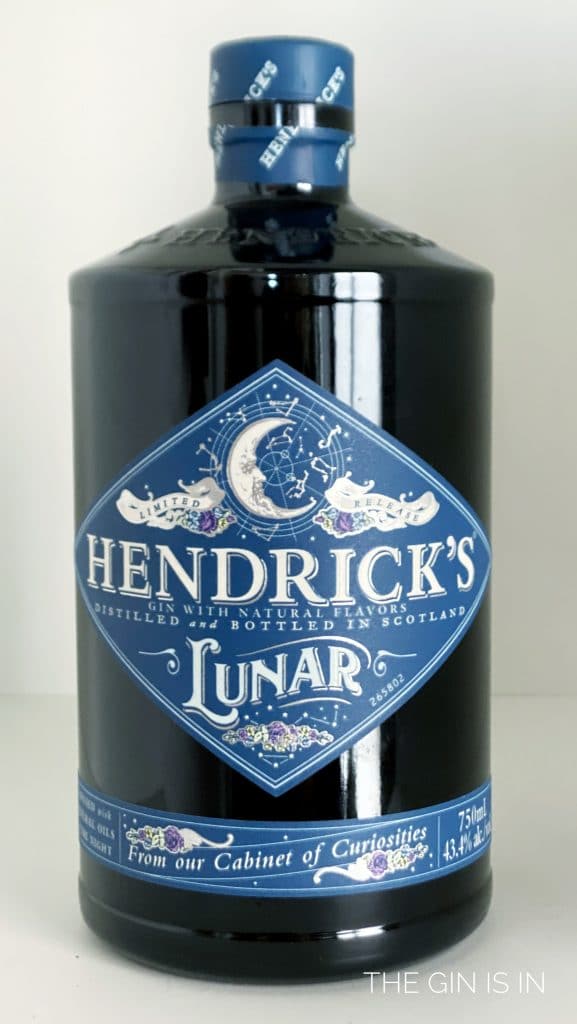
5. Hendrick’s Lunar (2021)
Released in early 2021, Hendrick’s Lunar was marketed as a "nocturnal" gin, intended for evening consumption. The flavor profile moves away from the bright, sun-drenched citrus of previous releases toward warm spices and earthy florals.
The palate is defined by jasmine and violet, supported by a spice-led core of black peppercorns and coriander. Lunar has been praised for its balance; while it emphasizes floral notes, the peppery finish provides a necessary counterpoint that prevents the spirit from becoming cloying. It is regarded as a highly competent mixer, performing well in spice-forward Gin and Tonics or as a base for a contemporary Negroni.
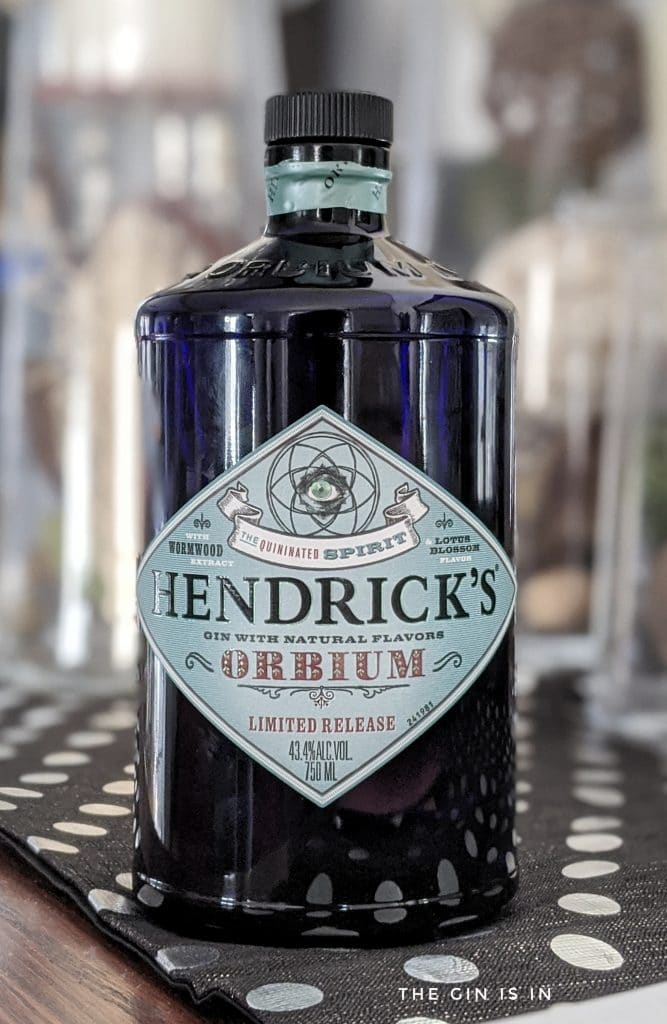
4. Hendrick’s Orbium (2017)
Orbium represents the most radical departure from the original Hendrick’s formula. It utilizes the base gin but adds three post-distillation essences: Blue Lotus blossom, Quinine, and Wormwood. The result is a "reimagined" gin that incorporates the flavors typically found in mixers like tonic water (quinine) and vermouth (wormwood).
This expression is intentionally bitter and herbal, making it a favorite among professional bartenders. Its complexity allows it to shine in minimalist cocktails like the Martini, where the added wormwood provides extra depth. However, its inherent bitterness makes it polarizing for general consumers who prefer a sweeter or more citrus-centric profile. It ranks fourth for its technical excellence and its bold, experimental spirit.
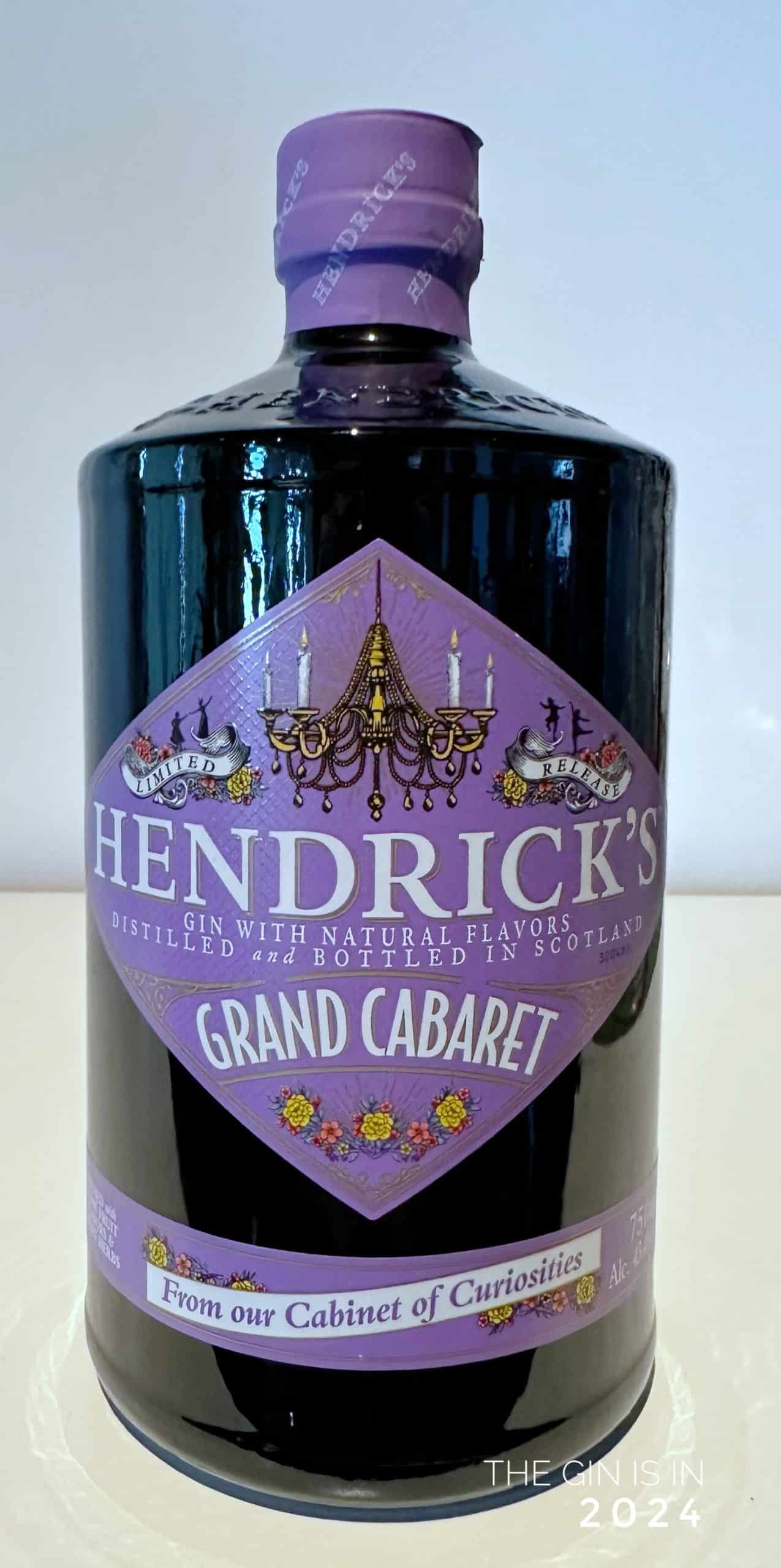
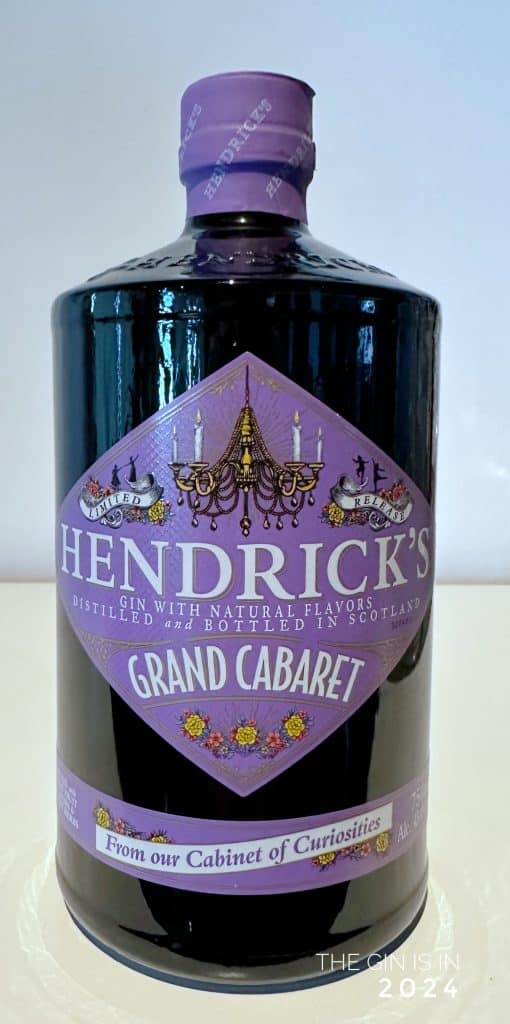
3. Hendrick’s Grand Cabaret (2024)
The newest addition to the Cabinet, Grand Cabaret, draws inspiration from 17th-century French stone fruit spirits. The profile is dominated by apricot and mirabelle plums, reflecting the heritage of the Alsace region.
Despite being fruit-heavy, Grand Cabaret manages a level of sophistication that Amazonia lacks. The sweetness of the peach and apricot is tempered by elderflower and the foundational juniper of the Hendrick’s recipe. It has been noted for its exceptional performance in simple highballs, such as gin and lemonade or a French 75. It represents the pinnacle of the brand’s fruit-focused experiments.
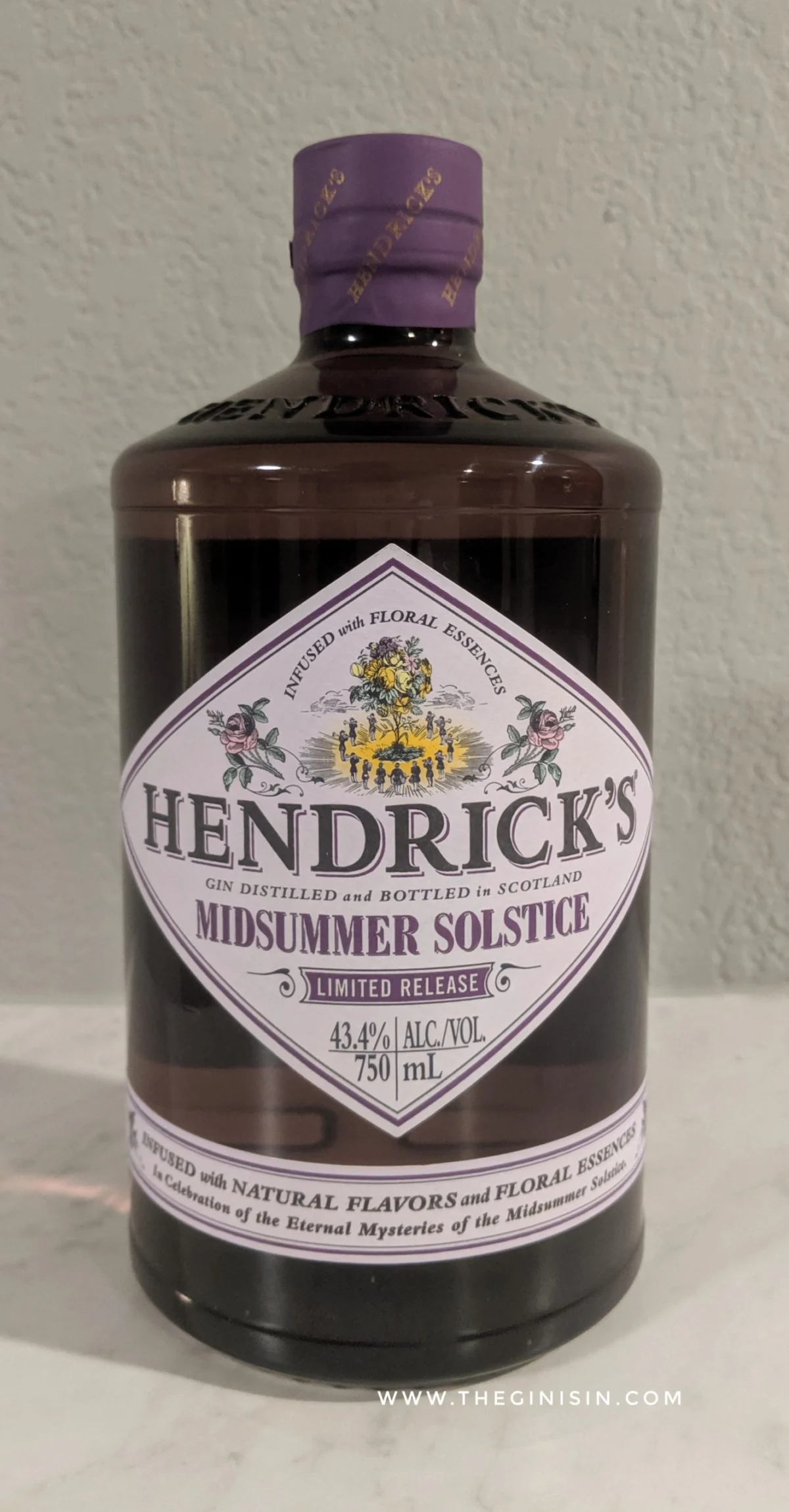
2. Hendrick’s Midsummer Solstice (2019)
The inaugural release of the Cabinet of Curiosities, Midsummer Solstice, remains one of the most beloved entries in the series. Created to capture the "aromatic intensity" of a midsummer day, it features a secret blend of floral essences that complement the original rose and cucumber.
The profile is sweet and accessible, with notes of raspberry and strawberry hidden beneath a floral canopy. It served as a sophisticated alternative to the "Pink Gin" trend that swept the industry in the late 2010s. Its massive popularity led to many consumers calling for it to become a permanent fixture in the lineup, as it offers a perfect entry point for those new to the gin category without alienating traditionalists.
1. Hendrick’s Original Flagship (1999)
Despite the innovation of the limited editions, the original Hendrick’s Gin remains the undisputed leader of the portfolio. Its production involves a unique "two-still" process: a portion of the spirit is produced in a 1948 Bennett Still, which creates a rich, complex liquid, while the remainder is produced in a rare 1948 Carter-Head Still, which yields a delicate, floral vapor.
The marriage of these two spirits, infused with rose and cucumber, created a flavor profile that did not exist prior to 1999. Its balance of citrus, juniper, and floral notes makes it one of the most versatile spirits on the market. Whether served in a classic G&T with a slice of cucumber or a Dirty Martini, the flagship Hendrick’s continues to set the standard for the contemporary gin category.
Chronology of Releases
- 1999: Hendrick’s Flagship Gin
- 2017: Orbium (Initial limited release)
- 2019: Midsummer Solstice
- 2019: Amazonia (Travel Retail Exclusive)
- 2021: Lunar
- 2022: Neptunia
- 2023: Flora Adora
- 2024: Grand Cabaret
Technical Analysis and Production Methods
The success of the Hendrick’s line is largely attributed to the technical specifications of its distillation. Unlike London Dry gins, which must have all botanicals distilled together, Hendrick’s is a "distilled gin" that allows for post-distillation infusions. This is what permits the delicate flavors of rose and cucumber to remain prominent; if they were boiled in a traditional pot still, their subtle aromatic compounds would be destroyed by the heat.
The Carter-Head still is particularly vital to the Cabinet of Curiosities. Rather than boiling the botanicals, the still bathes them in alcohol vapors, gently extracting the oils. This "vapor infusion" method is the secret behind the airy, ethereal floral notes found in Midsummer Solstice and Lunar.
Broader Industry Impact
The ranking of these gins reflects a larger shift in consumer behavior. The gin market has moved from a "one-size-fits-all" approach to one defined by seasonal preferences and "mood-based" drinking. By releasing limited editions like Neptunia for summer or Lunar for winter, Hendrick’s has successfully mirrored the "drop culture" seen in fashion and tech.
Industry analysts note that while not every release is a critical triumph—as seen with the reception of Flora Adora—the Cabinet of Curiosities serves as a powerful marketing tool. It keeps the brand in the conversation and allows William Grant & Sons to maintain a premium price point. As of September 2024, Hendrick’s remains a top-five global gin brand by volume, a testament to the enduring appeal of its flagship and the intrigue of its experimental Cabinet.
