

The economic landscape for American consumers has undergone a seismic shift as of mid-2026, with trade duties and tariffs emerging as primary drivers of grocery price volatility. For the average household, the financial impact is stark: a standard $100 grocery expenditure in 2024 now frequently totals $140 or more, a 40% increase that outpaces general wage growth. According to data from the U.S. Congress Joint Economic Committee (JEC), American families have been forced to spend an additional $3,500 on goods and services since early 2025, with approximately $310 of that increase attributed directly to the rising cost of food staples. This inflationary trend is not merely a byproduct of post-pandemic supply chain recovery but is increasingly linked to specific trade policies, including packaging tariffs on metal containers, import duties on seasonal produce, and retaliatory measures affecting international meat and seafood markets.
The Chronology of Trade Policy and Price Surges
To understand the current state of the American pantry, it is necessary to examine the timeline of trade interventions that have occurred over the last two years. Following a period of relative price stability in late 2024, the trade environment became increasingly complex.
In early 2025, the administration introduced steep tariffs on green coffee imports from major producers such as Brazil and Colombia. While these were eventually reversed after an acknowledgment that the crops are not grown in commercial quantities domestically, the initial shock caused a lasting ripple effect in retail pricing. By February 2026, the legal framework for broad emergency tariffs faced a significant challenge when the Supreme Court ruled that certain prior uses of tariff authority were unconstitutional. However, this judicial intervention provided only temporary relief.
By July 2026, a fresh round of trade measures was announced, targeting 60 different trading partners with baseline tariffs ranging from 10% to 12.5%. More aggressive duties were applied to specific neighbors, including a 50% tariff on Canadian imports and a 25% tariff on Brazilian goods. These measures, combined with ongoing geopolitical tensions affecting global fertilizer and fuel costs, have created a high-cost environment for both domestic farmers and international importers.
The Anatomy of the Modern Grocery Bill
The inflation currently felt at the checkout counter is the result of a "triple threat" of costs: port tariffs, shipping surcharges, and middleman markups. Economic analysts note that the U.S. distribution system often compounds the impact of a tariff. When a duty is applied at the port of entry, importers pass that cost to wholesalers, who then apply their own margins before the product reaches the retail shelf. Consequently, a 10% tariff at the border can result in a significantly higher percentage increase for the end consumer.

The Metal Crunch: Aluminum and Steel Surcharges
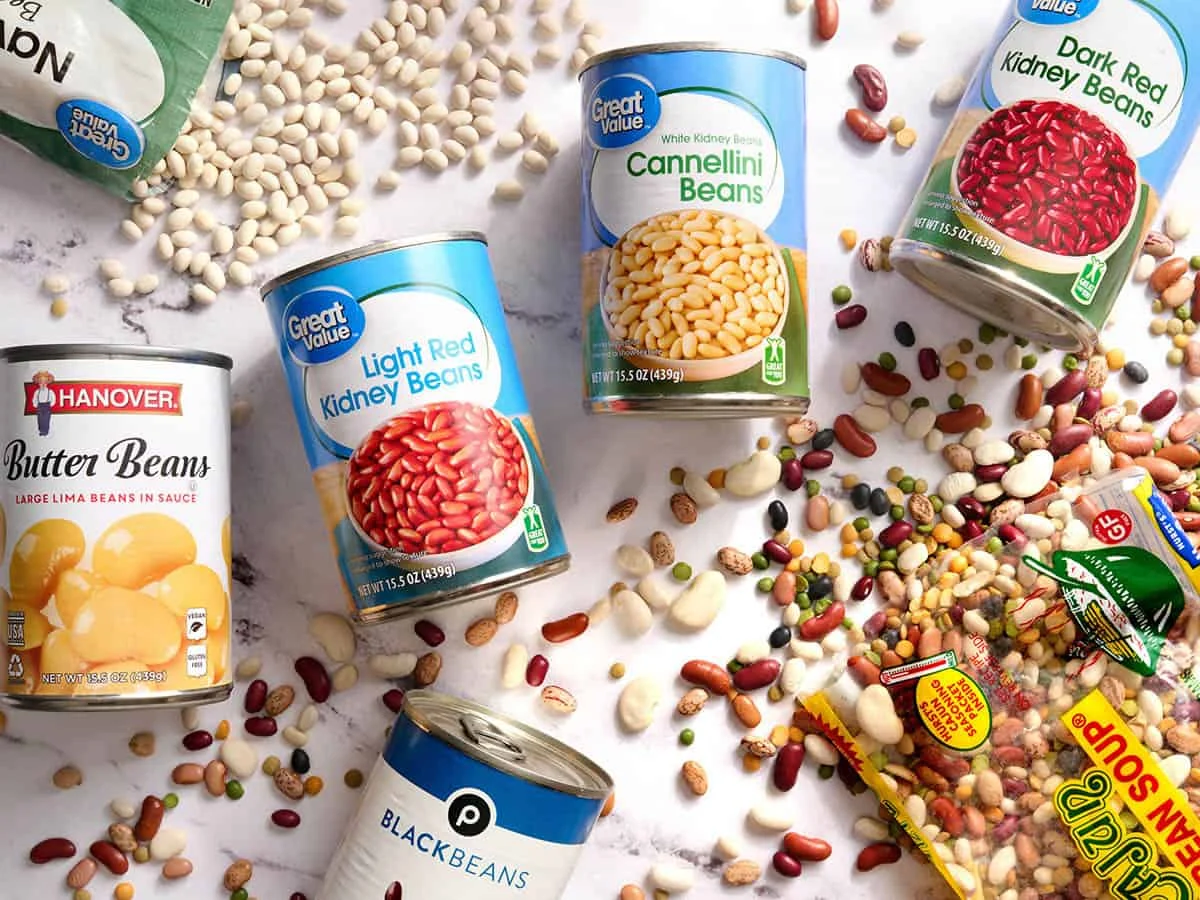
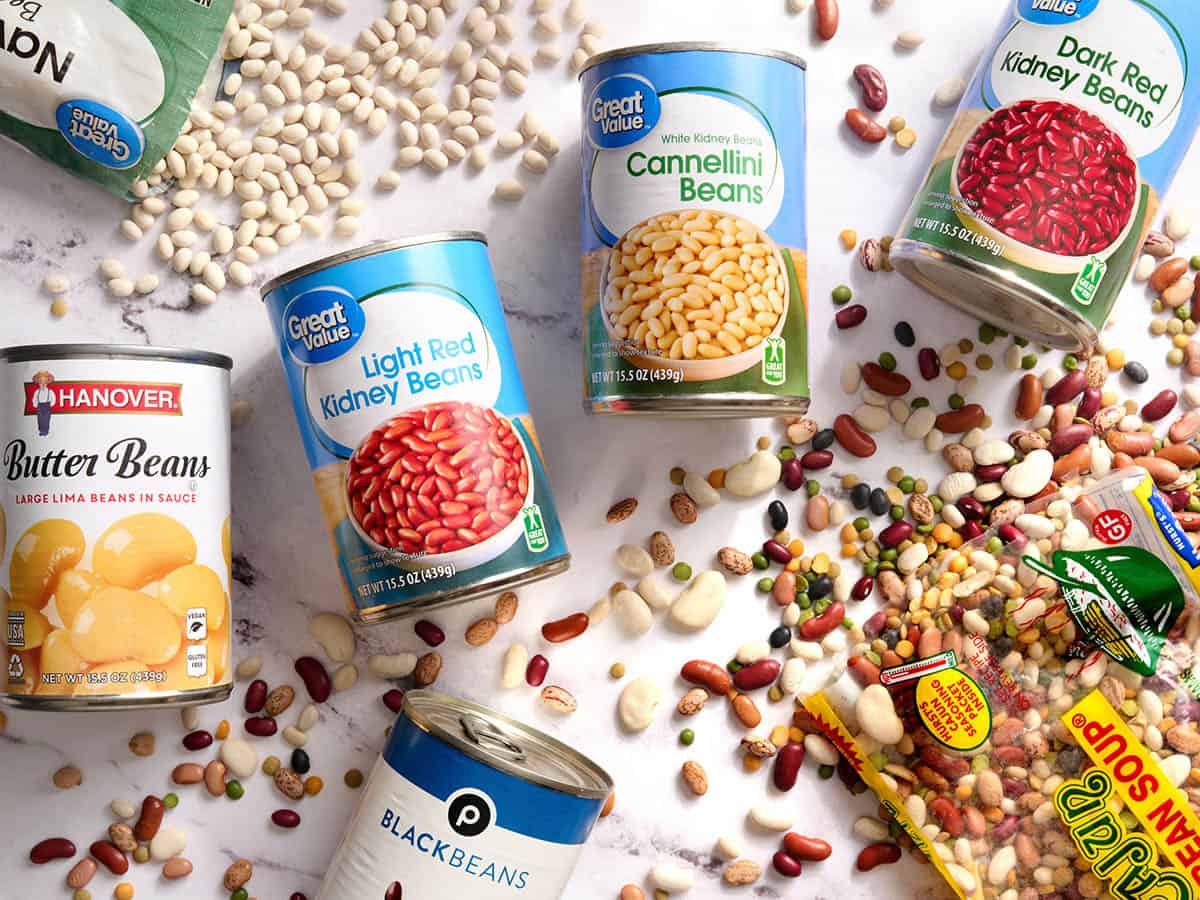
One of the most pervasive hidden costs in the grocery store is the "metal tax." Aluminum and food-grade tinplate steel, essential for canned goods, have been subject to heavy import duties. This affects everything from basic staples like canned beans and vegetables to soda and beer. Because these materials are often imported to supplement domestic production, the cost of the packaging occasionally rivals the cost of the food inside. Data indicates that the price of canned butter beans, for instance, has risen nearly 40% due to the combined cost of the metal container and the energy required for processing.
Produce and the Tomato Suspension Agreement
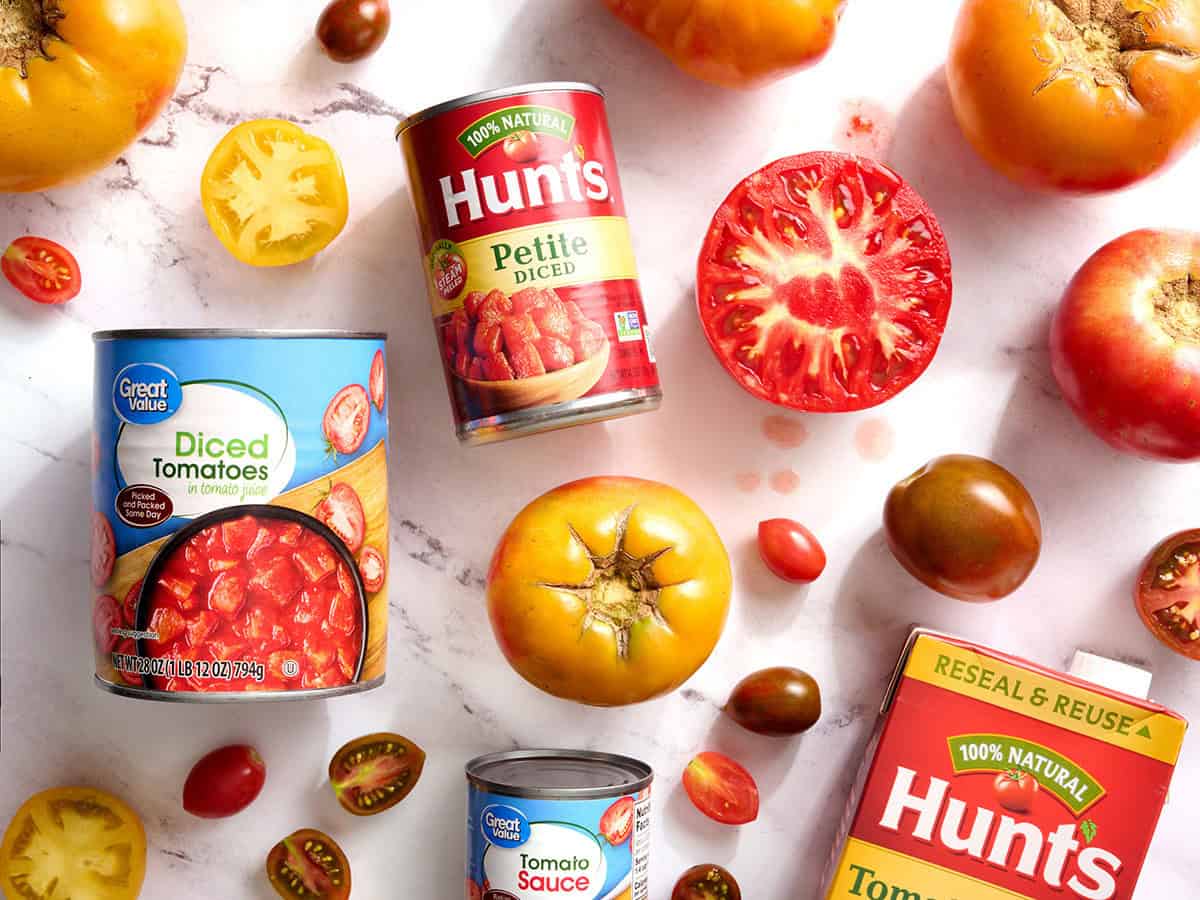
The cost of fresh vegetables has been heavily influenced by the withdrawal from the U.S.-Mexico Tomato Suspension Agreement. Mexico currently supplies approximately 70% of the fresh tomatoes consumed in the United States. The resulting 17% tariff on these imports has triggered a sharp rise in retail prices. While domestic production exists, it is often insufficient to meet national demand, particularly during off-peak seasons, leaving consumers with few alternatives to the higher-priced imports.
Protein Volatility and Cattle Shortages
The meat aisle has seen some of the most dramatic price hikes. The U.S. beef industry is currently grappling with a historic domestic cattle shortage, forcing a heavier reliance on imported lean beef trimmings from Australia and Brazil. These trimmings are essential for blending with domestic fat trimmings to produce retail-grade ground beef. Pricing friction on these imports, combined with high demand, has driven ground beef prices to record highs. Simultaneously, seafood remains highly vulnerable, as 80% to 90% of the seafood consumed in the U.S. is imported. Anti-dumping duties and Section 301 tariffs on exporters in Vietnam, India, and Indonesia have ensured that seafood inflation continues to outpace other food categories.
Case Studies in Recipe Inflation: 2024 vs. 2026
To quantify the impact of these policies, researchers re-costed popular domestic recipes from 2024 using July 2026 market prices. The results demonstrate how trade markups hit the dinner plate of the average citizen.
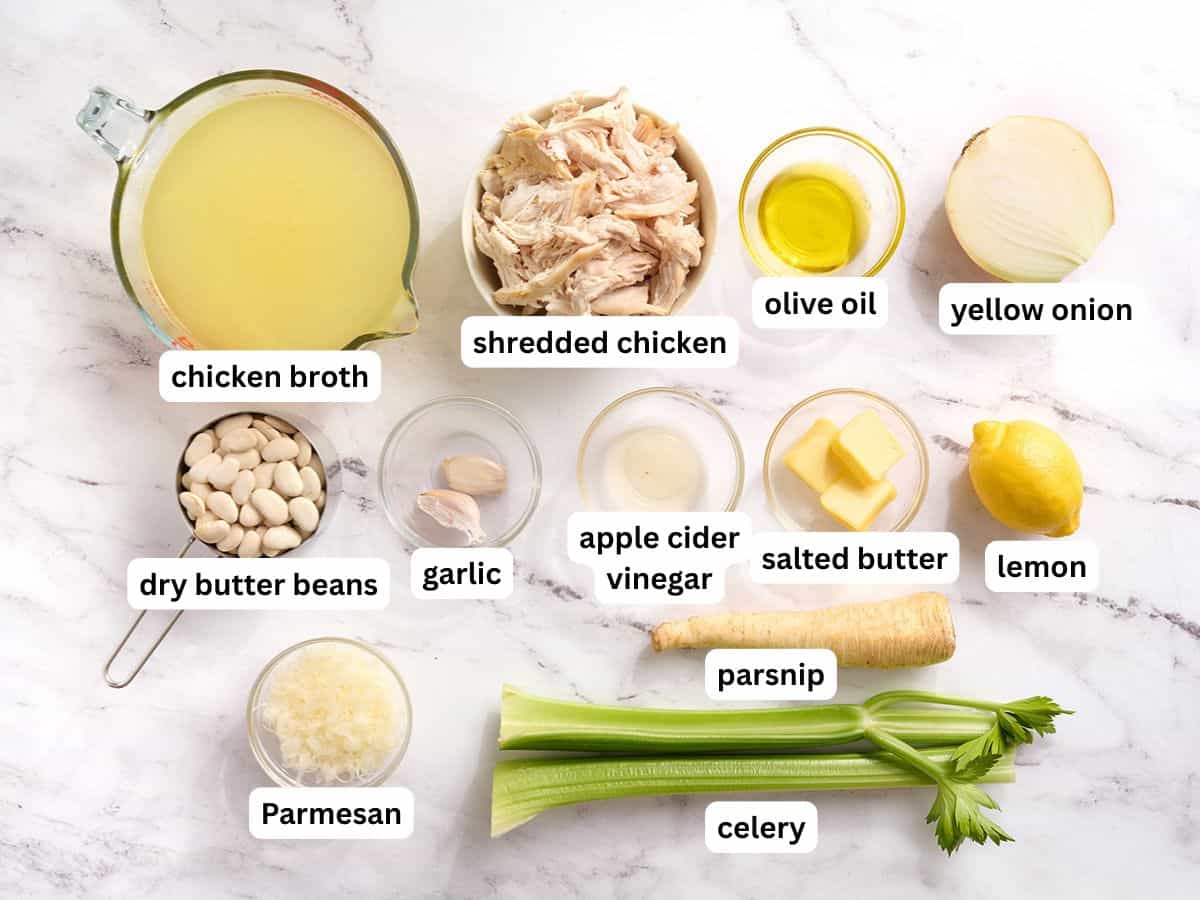
- Shrimp and Bean-Based Entrees: A standard shrimp and white bean stew, which cost roughly $11.22 to prepare in 2024, has surged to $15.69 in 2026—a 39.84% increase. The primary drivers were the 23% jump in the price of imported shrimp and the "metal packaging tax" applied to the canned beans.
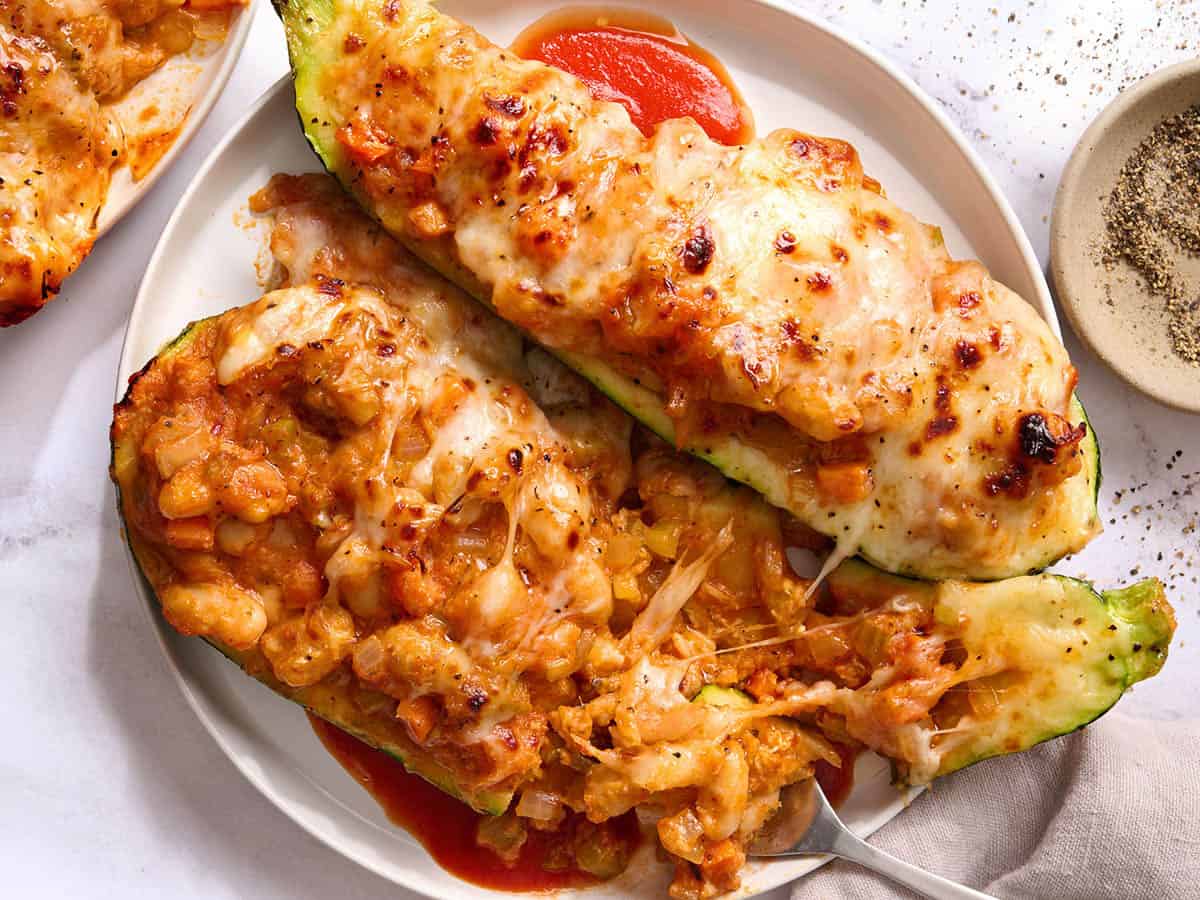
- Vegetable-Heavy Dishes: Tuscan stuffed tomatoes saw the highest percentage increase at 46.28%. The cost of the fresh tomatoes alone rose by nearly $3.50, reflecting the impact of the 17% tariff on Mexican imports and increased refrigerated transport costs.
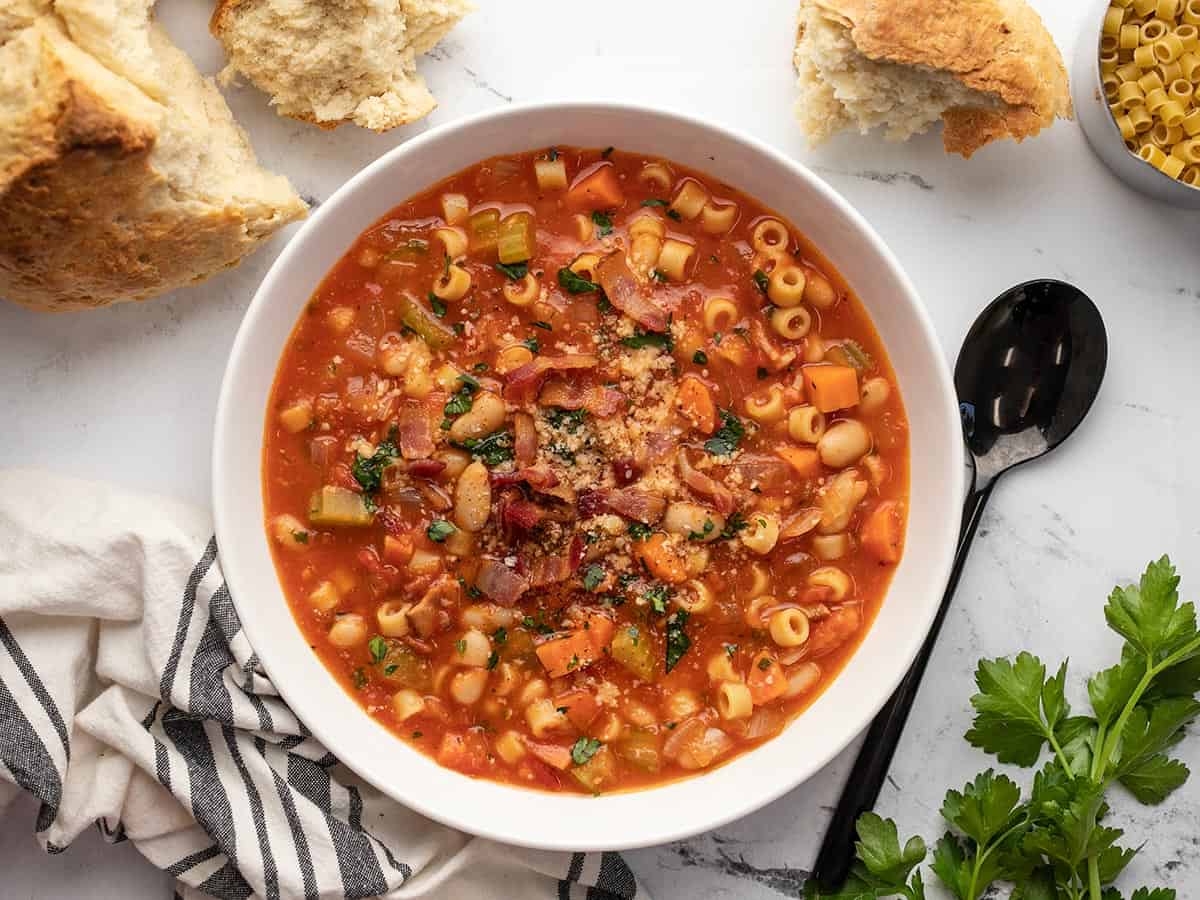
- Pasta and Legume Staples: Pasta e Fagioli, traditionally a budget-friendly meal, saw a 27.57% increase. While the cost of domestic ditalini pasta remained stable, the canned tomato and bean components absorbed the bulk of the inflation.
Economic Analysis of Consumer Shifts and Domestic Staples
As prices for imported and canned goods climb, a clear divergence has emerged between the cost of "tariff-exposed" goods and "tariff-resilient" staples. This has led to a significant shift in consumer behavior and retail strategy.
The Rise of Store Brands
Generic or "store brand" products have become a vital refuge for budget-conscious shoppers. For example, domestic pasta brands using U.S.-grown durum wheat incur zero import tariffs. By bypassing international borders, these products avoid the volatility associated with trade wars. Retailers like Walmart and Kroger have reported increased volume in their private-label sectors as consumers abandon premium European imports for domestic alternatives.
The "Kick the Can" Movement
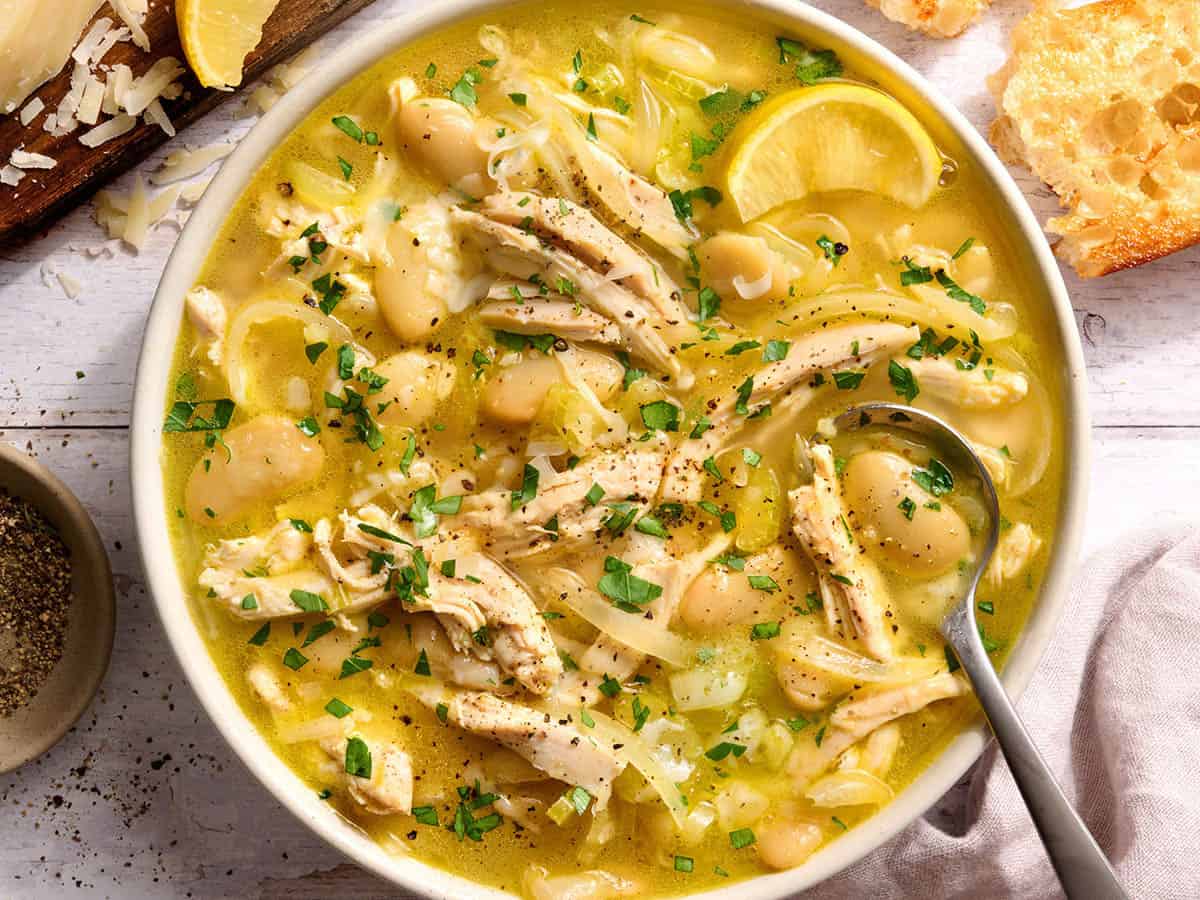
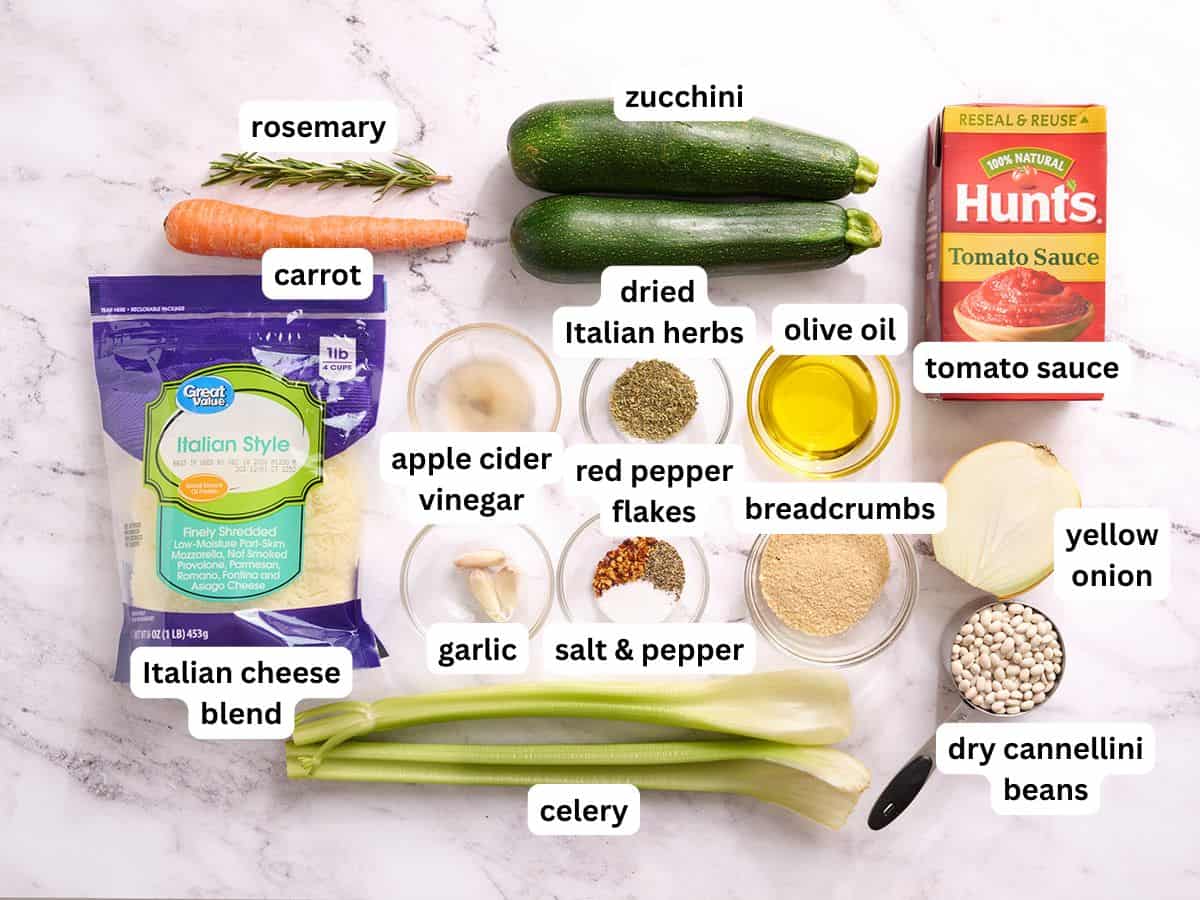
There is a growing trend toward purchasing dry goods in flexible plastic or paper packaging rather than metal cans. A one-pound bag of dry beans, which yields the equivalent of three to four cans once cooked, allows consumers to dodge the tinplate steel tax entirely. This shift requires more preparation time but offers a significant reduction in the per-serving cost of protein.
Protein Substitution
With beef prices reaching prohibitive levels for many, there has been a documented pivot toward U.S.-produced chicken and pork. Because these supply chains are largely contained within North America, they remain relatively insulated from the foreign trade taxes that plague the beef and seafood sectors.
Legislative Responses and Official Stance
The persistence of high grocery prices has become a central point of contention in the halls of Congress. While the current administration has defended its tariff policies as necessary measures to protect domestic industries and reduce reliance on foreign adversaries, critics argue that the burden is being unfairly placed on the American consumer.
In recent legislative sessions, Congress has voted multiple times to maintain the current tariff frameworks. Proponents of these duties argue they provide a "level playing field" for American farmers who face competition from subsidized foreign exports. However, the Michigan Families for Fair Care and the Campaign for a Family Friendly Economy have released statements urging lawmakers to reconsider duties on essential goods, particularly those from trade partners like Canada, where the 50% tariff has hit the price of frozen potato products and confectionery items.
The judicial branch remains a wild card in this economic saga. Following the February 2026 Supreme Court ruling, the administration has been forced to seek alternative legal avenues, such as non-IEEPA (International Emergency Economic Powers Act) trade measures, to sustain its trade agenda. This legal tug-of-war has created an environment of uncertainty for international food distributors and retailers alike.
Broader Implications for the U.S. Economy
The long-term impact of sustained grocery inflation extends beyond the kitchen table. High food costs act as a regressive tax, disproportionately affecting low-income households that spend a larger percentage of their earnings on essentials. Furthermore, the restaurant industry is facing a crisis of its own. Wholesale costs for staples like frozen fries (heavily imported from Canada and Belgium) and seafood have forced many independent eateries to raise menu prices or reduce portion sizes, leading to a cooling effect in the hospitality sector.
As the 2026 midterm elections approach, the "grocery store mandate" is expected to be a pivotal issue. The ability of elected officials to balance protectionist trade goals with the immediate need for affordable food will likely determine the political landscape for the remainder of the decade. For now, the American consumer remains in a defensive posture, navigating a complex web of tariffs, trade agreements, and domestic shortages to keep their families fed. The transition to a "tariff-proof" pantry—defined by raw, bagged, and domestically grown staples—is no longer just a trend for the frugal, but a necessary strategy for economic survival in a new era of global trade.
