

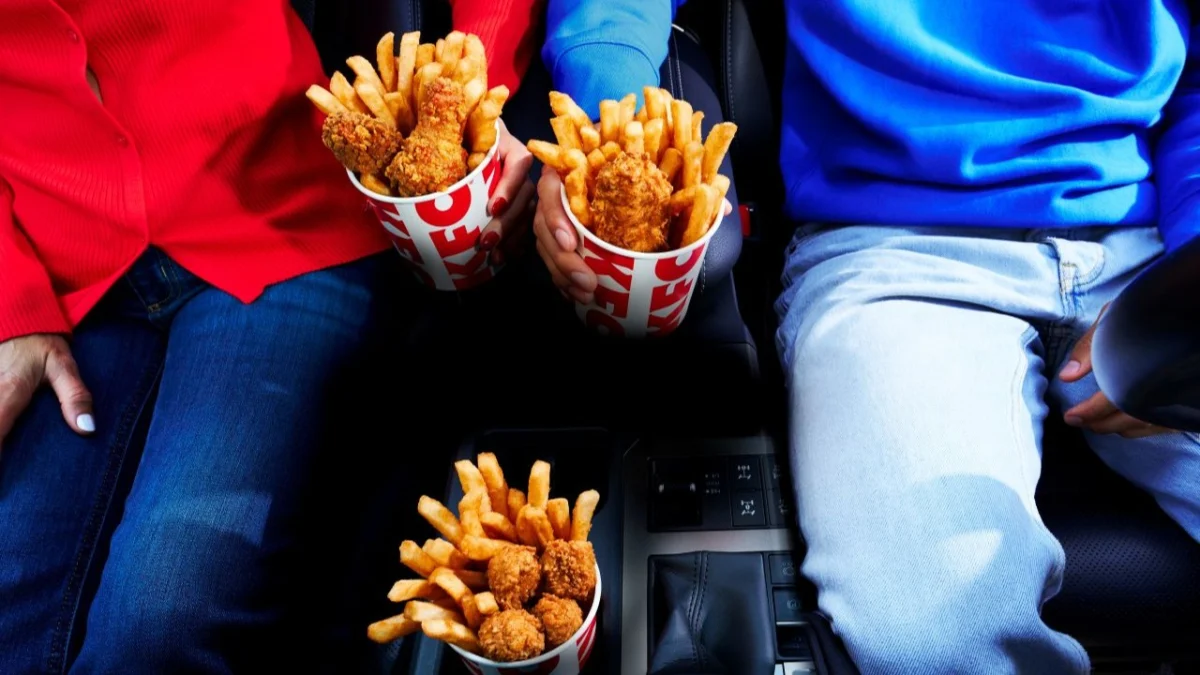
KFC U.S. has officially launched its Go Buckets, a new product line designed to meet the growing demand for convenient, portable snacking options. These compact, cupholder-friendly containers offer a selection of KFC’s popular chicken items, marking a strategic move by the fast-food giant to adapt to contemporary consumer behaviors and bolster its presence in the quick-service sector. The introduction of Go Buckets reflects a significant trend in the American dining landscape, where snacking outside of traditional meal times and the prevalence of off-premise consumption are increasingly becoming the norm.
Strategic Innovation for a Changing Market
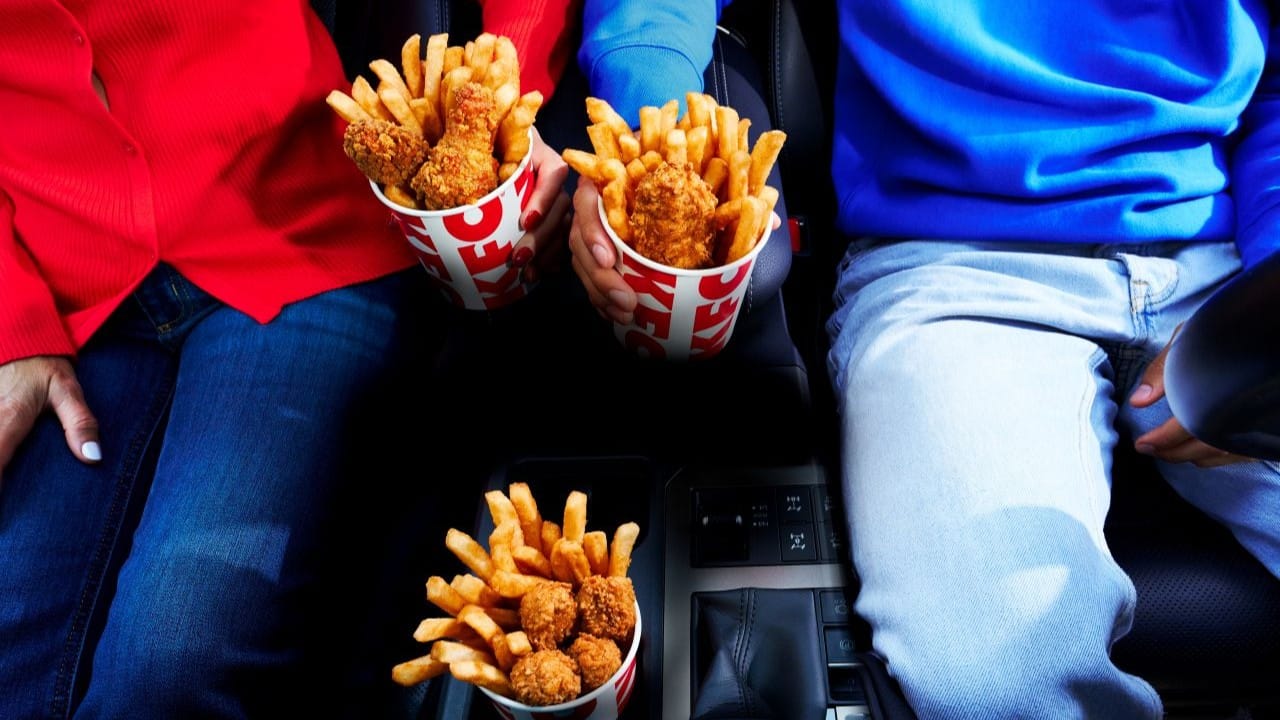
The Go Bucket offerings are designed for individual consumption or as a convenient snack for small groups. Each Go Bucket provides a choice of four nuggets, two wings, or one tender, accompanied by a side of either fries or wedges. The pricing starts at an accessible $3.49, positioning the product as an affordable option for consumers seeking a quick bite. KFC has developed six distinct combinations to provide variety and cater to a range of preferences within this new product category.
The innovation of the Go Bucket is not entirely new to KFC’s global operations. Similar snack-sized containers have been successfully integrated into the menus of KFC branches in international markets, including Australia and Canada, for several years. This international precedent provided KFC U.S. with valuable insights into consumer acceptance and operational feasibility before its domestic rollout. The product made its initial U.S. debut at KFC’s Open House prototype restaurant in McKinney, Texas, last month, serving as a testing ground for the broader national introduction.
Data-Driven Decision-Making: The Rise of Snacking and Off-Premise Dining
The timing of the Go Bucket launch is particularly astute, supported by compelling industry data. According to research from Datassential, a leading food industry analytics firm, a substantial 87% of American consumers now report engaging in snacking behaviors outside of their regular mealtimes. This widespread adoption of snacking as a dietary pattern underscores a fundamental shift in how Americans consume food, moving beyond traditional breakfast, lunch, and dinner structures.
Furthermore, the National Restaurant Association reports that nearly three out of every four restaurant orders are now taken to go. This statistic highlights the dominance of off-premise dining, encompassing drive-thru, takeout, and delivery services, as the primary mode of food consumption for many households. The Go Buckets are strategically engineered to fit comfortably within a standard car cupholder, directly addressing the need for mess-free, convenient portability that aligns with this prevalent on-the-go dining culture.
Executive Insights: Meeting Consumer Needs with Convenience
Melissa Cash, Chief Marketing Officer at KFC, emphasized the company’s strategic rationale behind the Go Bucket introduction. In a statement, Cash articulated the brand’s understanding of evolving consumer priorities: "People want food to fit into their day, not the other way around. Go Buckets open up a new snacking occasion for KFC, whether guests are grabbing one on the go or picking up a few to feed the group." This statement underscores KFC’s commitment to product development that is directly responsive to the dynamic lifestyles and consumption patterns of its customer base.
Cash further elaborated on the brand’s objective: "The brand wants to meet these changing habits and make it easier for customers to enjoy KFC." This sentiment reflects a broader industry trend where convenience and accessibility are becoming paramount drivers of consumer choice in the food service sector. By offering a product that is both portable and readily available, KFC aims to capture a larger share of the impulse snack market and reinforce its position as a go-to option for convenient meal solutions.
A Nod to Heritage: The Iconic Bucket Reimagined
The introduction of the Go Buckets also serves as a subtle yet significant homage to KFC’s iconic heritage. The original KFC bucket, a symbol of family-style meals and shared dining experiences, was first introduced in 1957. Founders Colonel Harland Sanders and Pete Harman, KFC’s inaugural franchisee, conceived the paper bucket as a convenient take-home meal package, containing 14 pieces of Kentucky Fried Chicken, five rolls, and a pint of gravy. This family-sized offering revolutionized the concept of takeout dining at the time.
The Go Bucket, in its miniaturized form, cleverly adapts this historical branding to a contemporary, individual-focused product. It allows KFC to leverage the strong brand recognition associated with its signature bucket while catering to a modern consumer who often seeks single-serving, portable options. This strategic linking of a new product to a beloved brand element can foster a sense of continuity and nostalgia, while simultaneously signaling innovation and adaptation.
Broader Implications: KFC’s U.S. Comeback Strategy
The launch of Go Buckets is an integral component of KFC’s larger revitalization efforts in the United States, a strategy that has been gaining momentum since the appointment of Catherine Tan-Gillespie as president last year. This comprehensive comeback plan aims to re-energize the brand’s domestic market presence through a multi-faceted approach that includes menu innovation, value offerings, and improved customer experience.
The Go Bucket introduction directly aligns with two key pillars of this strategy: addressing the heightened demand for snacking and portability, and reinforcing the chain’s sharpened focus on value. In recent months, KFC has introduced a series of value-oriented promotions designed to attract and retain price-conscious consumers. These include the popular "5 for $5 Tenders" deal, the customizable "$20 Build-a-Bucket," the daily " $10 Bucket of the Day," and the "Popcorn Chicken Big Box," among others.
By diversifying its menu with accessible, on-the-go options like the Go Buckets, KFC is not only catering to evolving consumer habits but also strategically positioning itself within a competitive quick-service landscape. The success of these initiatives will be critical in solidifying KFC’s market share and enhancing its brand perception as an innovative and responsive player in the fast-food industry. The company’s ability to consistently deliver on convenience, value, and taste will be paramount as it navigates the dynamic challenges and opportunities of the modern restaurant market.
Analysis of Market Impact
The Go Bucket’s success hinges on its ability to resonate with a broad demographic, particularly younger consumers who are often early adopters of new snacking trends and prioritize convenience. The product’s cupholder-friendly design and accessible price point are key differentiators that could attract customers who might otherwise opt for convenience store snacks or other quick-service alternatives.
Furthermore, the Go Bucket launch can serve as a gateway for introducing new customers to KFC’s core offerings. For individuals who may not typically order a full meal, a Go Bucket provides a low-commitment entry point to experience KFC’s chicken. This can lead to increased trial and potentially foster long-term customer loyalty.
The strategic integration of this product into KFC’s broader value menu also signals a commitment to affordability, a crucial factor in today’s economic climate. By offering a range of affordable options, KFC aims to remain competitive and accessible to a wide spectrum of consumers. The company’s continued investment in understanding and adapting to consumer trends, as demonstrated by the Go Bucket initiative, positions it well to capitalize on the enduring demand for convenient, value-driven food solutions. The long-term implications for KFC’s U.S. market share will depend on consistent execution, effective marketing, and the ongoing ability to innovate in response to consumer preferences.
About the Author:
Alicia Kelso, Executive Editor for Nation’s Restaurant News, has been covering the dynamic restaurant industry since 2010. Her extensive experience includes reporting for prominent industry publications such as QSRweb.com, FastCasual.com, and PizzaMarketplace.com. After a brief hiatus to pursue a career in higher education, Kelso returned to her passion for the restaurant sector, contributing to Restaurant Dive and serving as a senior contributor for Forbes.
Kelso’s work has garnered international recognition, appearing in publications like Forbes Asia, NPR, Bloomberg, The Seattle Times, Crain’s Chicago, Good Morning America, and Franchise Asia Magazine. She holds a degree in journalism from Bowling Green State University, where she was also a collegiate athlete. A dedicated follower of college football, Kelso resides in Louisville, Kentucky, with her wife and son. She can be followed on TikTok at @aliciakelso.
