

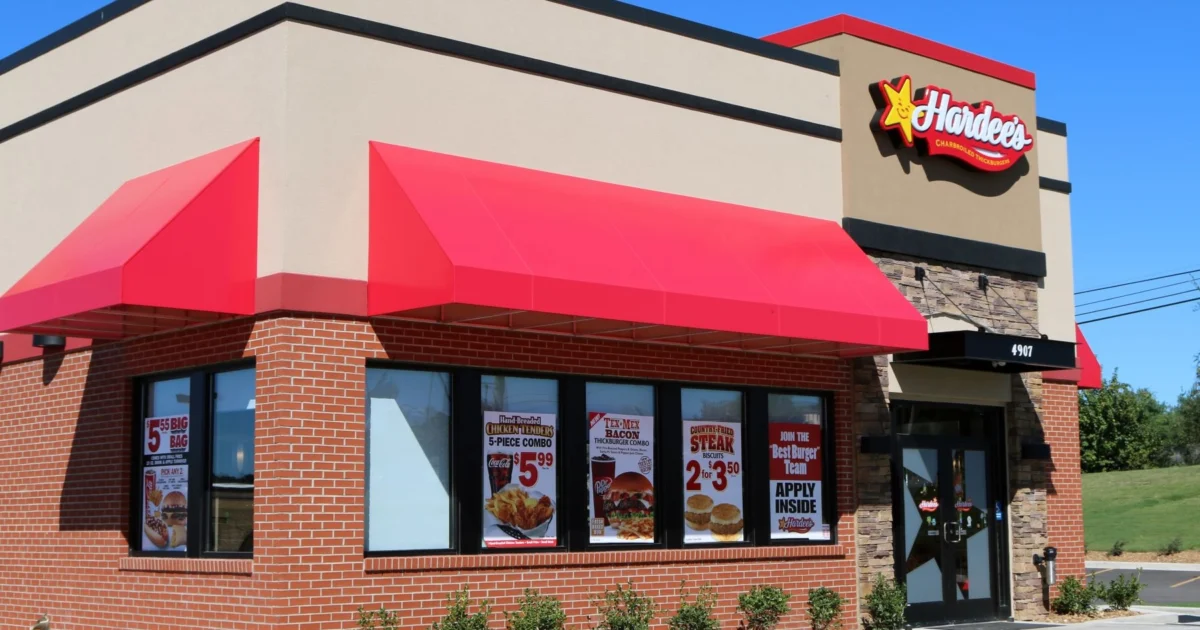
CKE Restaurants has announced the appointment of Alisa Gmelich as the new brand president of Hardee’s, a move signaling a strategic push to reignite growth, enhance the customer experience, and foster stronger alignment with its extensive franchisee network. The appointment, confirmed on Wednesday, places Gmelich at the helm of a brand that has faced significant challenges in recent years, marked by a decline in locations and system sales.
Gmelich brings a wealth of experience from her previous roles, most notably as a key executive at Sprouts Farmers Market. Prior to her tenure at Sprouts, she served as the chief brand officer for Auntie Anne’s, where she played a pivotal role in shaping brand strategy and consumer engagement. Her career trajectory also includes significant tenures at other prominent quick-service restaurant (QSR) brands, including IHOP, McDonald’s, and Burger King, providing her with a comprehensive understanding of the fast-food landscape and the intricacies of managing large-scale restaurant operations. This diverse background is expected to equip her with the necessary insights to navigate the complexities of revitalizing a legacy brand like Hardee’s.
Joe Guith, CEO of CKE Restaurants, expressed strong confidence in Gmelich’s leadership capabilities, stating in a prepared statement, "Alisa is exactly the leader Hardee’s needs right now. She brings the experience and franchise focus to strengthen the brand, support our franchisees, and deliver memorable guest experiences." This endorsement underscores CKE’s commitment to leveraging Gmelich’s expertise to address the brand’s current performance metrics and chart a new course for future success. The emphasis on "franchise focus" is particularly significant, given the critical role franchisees play in the operational and financial health of the Hardee’s system.
The Challenging Landscape for Hardee’s
The appointment of Gmelich comes at a critical juncture for Hardee’s. The brand has experienced a sustained period of contraction. As of the end of the 2025 fiscal year, Hardee’s operated fewer than 1,500 locations. This represents a substantial decrease of nearly 400 establishments compared to its footprint in 2017. The trend of store closures has been consistent for the past eight consecutive years, with the number of openings failing to offset the number of closings. This prolonged period of shrinkage has naturally impacted the brand’s overall financial performance. System-wide sales have seen a corresponding decline, dropping by approximately $300 million over the same timeframe, settling at just over $2 billion.
This data paints a clear picture of the formidable task that lies ahead for Gmelich. The revitalization strategy will need to address the root causes of this decline, which could encompass a range of factors including evolving consumer preferences, increased competition, operational inefficiencies, and the need for menu innovation or a refreshed brand image. The consistent closure of units suggests a need for a strategic re-evaluation of store performance and market saturation.
Gmelich’s Strategic Priorities and Franchisee Partnership
From Gmelich’s perspective, her immediate focus is on cultivating a robust and collaborative relationship with Hardee’s franchisees. She articulated this priority in her initial statement: "My first priority is building a strong partnership with franchisees. When we work as true partners, we will drive strong, immediate growth of a brand we can all be proud of." This statement highlights a recognition that the success of Hardee’s is intrinsically linked to the success of its franchise owners. A strong franchisee partnership is often a cornerstone of successful QSR turnarounds, as it ensures buy-in for new initiatives, fosters operational consistency, and leverages the on-the-ground knowledge of those directly managing customer interactions.
The emphasis on partnership suggests a potential shift in how CKE Restaurants engages with its franchisees, moving towards a more integrated approach where their insights and concerns are actively solicited and addressed. This could involve enhanced communication channels, more collaborative decision-making processes regarding menu development, marketing campaigns, and operational standards.
A Broader Leadership Revamp at CKE Restaurants
The appointment of Alisa Gmelich to lead Hardee’s is part of a larger strategic initiative by CKE Restaurants to strengthen its executive leadership team across its portfolio of brands. This proactive approach to leadership development and restructuring signals a commitment to driving performance improvements across the organization.
In the preceding year, CKE Restaurants appointed Iwona Alter as the president of Carl’s Jr., another of its prominent fast-food chains. This concurrent leadership change at Carl’s Jr. suggests a coordinated effort to revitalize both of the company’s flagship burger brands. The appointment of Alter, who also brings extensive QSR experience, indicates a focus on bringing in seasoned leaders with proven track records in the industry.
Further bolstering the CKE leadership team, Ben Halliwell was appointed as the chief commercial officer earlier this year. This role is crucial for driving revenue growth, developing strategic partnerships, and optimizing the commercial strategies of the brands under the CKE umbrella. Additionally, Dalton Nolan joined the company as chief financial officer. Nolan’s background includes experience with significant players in the QSR sector such as Church’s, Inspire Brands, and Wendy’s, suggesting a focus on financial stewardship and strategic resource allocation aimed at supporting growth initiatives.
The company has also made key hires in operational and strategic roles. Mauricio Sirgo joined CKE last year as chief supply chain officer, a critical position for managing costs, ensuring product quality, and optimizing logistics for a large restaurant chain. More recently, Nick Melka was named VP of strategy, indicating a focus on long-term planning, market analysis, and the development of strategic initiatives to ensure the sustained competitiveness and growth of CKE’s brands. This concerted effort to fortify the executive ranks across various functional areas underscores CKE’s intent to create a cohesive and high-performing leadership team capable of executing a comprehensive turnaround strategy.

Analyzing the Implications of the Appointment
The appointment of Alisa Gmelich to lead Hardee’s carries significant implications for the brand’s future trajectory. Her mandate to "reignite growth, elevate the guest experience, and strengthen franchisee alignment" directly addresses the core challenges that have contributed to the brand’s recent struggles.
Reigniting Growth: This objective will likely involve a multi-faceted approach. It could include strategies for increasing same-store sales, exploring new market opportunities for expansion (though the current trend suggests a focus on optimizing existing locations might be prioritized initially), and potentially menu innovation to attract new customer segments or re-engage lapsed patrons. Given the declining sales figures, aggressive marketing campaigns and promotional offers might be on the horizon to drive traffic. Furthermore, a review of the brand’s value proposition and competitive positioning within the crowded QSR market will be essential.
Elevating the Guest Experience: This aspect of Gmelich’s mandate is crucial for customer retention and brand loyalty. It could encompass improvements in service speed and quality, enhancements to the in-store ambiance, and the effective implementation of technology to streamline ordering and payment processes. A focus on staff training and empowerment to deliver exceptional service will also be paramount. In an era where customer experience is a key differentiator, investing in this area is vital for Hardee’s to stand out against competitors.
Strengthening Franchisee Alignment: As Gmelich herself emphasized, this is a top priority. Achieving strong alignment will require open communication, transparency, and a willingness to collaborate on strategies that benefit both the franchisees and the parent company. This could involve addressing concerns related to profitability, operational support, marketing initiatives, and future development plans. A satisfied and motivated franchisee base is more likely to invest in their businesses, adopt new initiatives, and become brand ambassadors, which are all critical for sustainable growth.
The success of Gmelich’s tenure will likely depend on her ability to effectively diagnose the specific issues plaguing Hardee’s, develop a clear and actionable strategic plan, and rally the support of the franchisee network behind her vision. The experience she brings from diverse QSR environments, coupled with the recent strengthening of the broader CKE leadership team, suggests that the company is committed to providing the resources and strategic direction necessary for Hardee’s to navigate its current challenges and achieve a meaningful turnaround. The coming months and years will be a critical period for observing how Gmelich and her team implement their strategies and whether they can indeed reignite the growth and appeal of the Hardee’s brand.
