

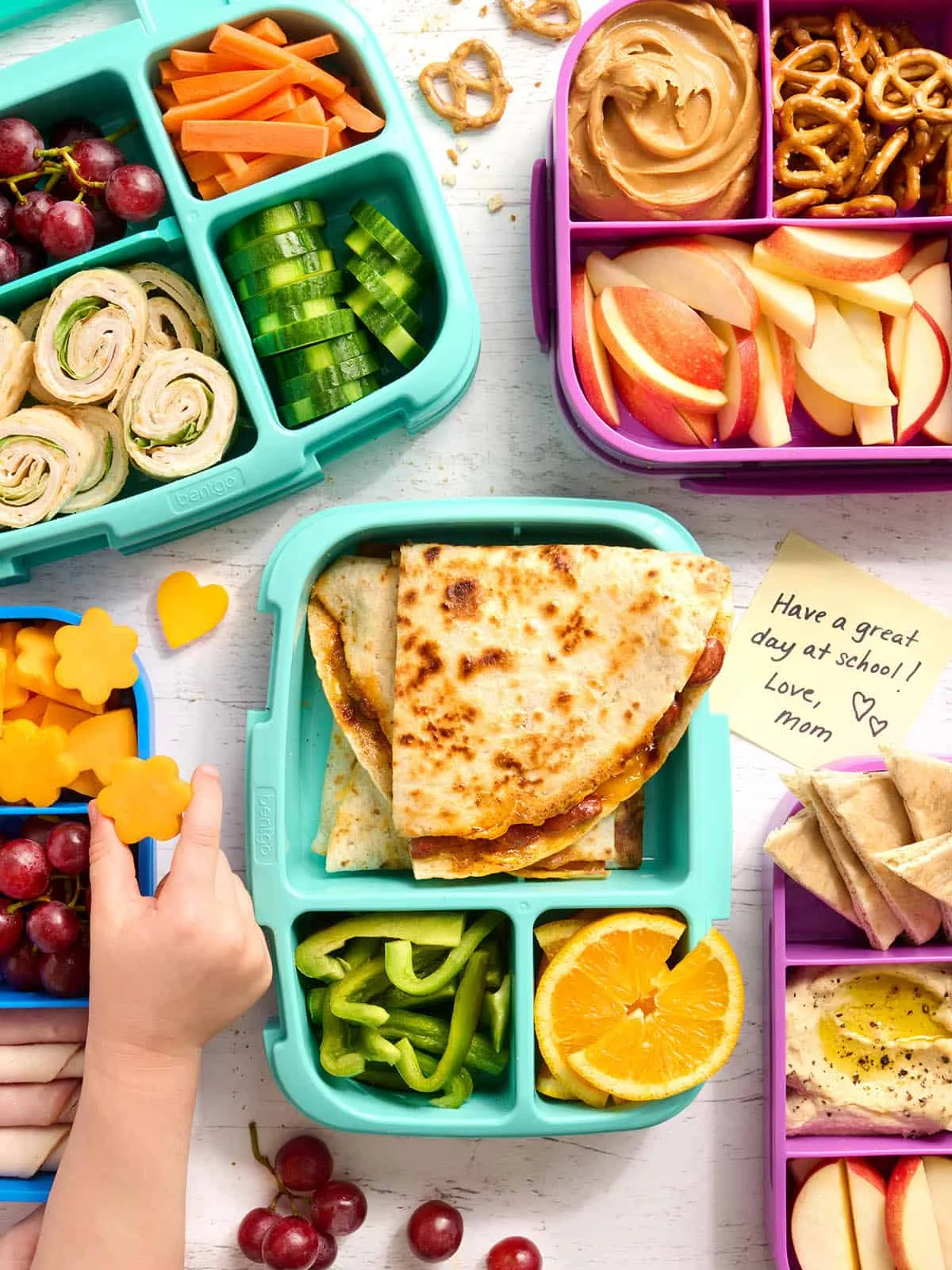
The landscape of American school nutrition is currently navigating a complex intersection of rising inflationary pressures, labor shortages in institutional kitchens, and evolving federal dietary guidelines. As of 2025, the School Nutrition Association’s Trends Report indicated that the average cost of a school cafeteria lunch reached approximately $3.09. However, economic projections for 2026 suggest that continued supply chain volatility and the expiration of various local funding subsidies may drive these costs higher, placing a renewed emphasis on the economic viability of home-packed alternatives. While the average cost of a pre-packaged or convenience-heavy home lunch has risen to $6.15 per day according to the Deloitte 2025 Back-to-School Report, new data suggests that strategic, ingredient-based meal planning can reduce this expenditure to between $1.09 and $3.83 per meal, offering a significant margin of savings for households.
The Evolution of School Nutrition Standards and Institutional Barriers
The current state of school meals is largely defined by the legacy of the Healthy, Hunger-Free Kids Act of 2010. This landmark legislation was designed to increase the presence of fruits, vegetables, and whole grains on student trays while reducing sodium and trans-fat intake. Despite these mandates, the implementation phase has faced significant headwinds in the mid-2020s. According to recent industry surveys, nearly 90% of school nutrition directors cite persistent worker shortages as a primary barrier to meeting these rigorous nutritional standards.
These labor constraints often result in a reliance on "heat-and-serve" items rather than scratch-cooked meals, leading to reduced variety and fewer opportunities for students to engage with fresh, diverse flavors. Furthermore, the tightening of free meal eligibility in the post-pandemic era has forced many families to reassess the value proposition of the school cafeteria versus the home-packed bento box. The shift toward home preparation allows for a level of customization and ingredient transparency that institutional settings, currently hampered by funding cuts and logistical hurdles, struggle to provide.
Comparative Analysis of Cost-Effective Lunchbox Solutions
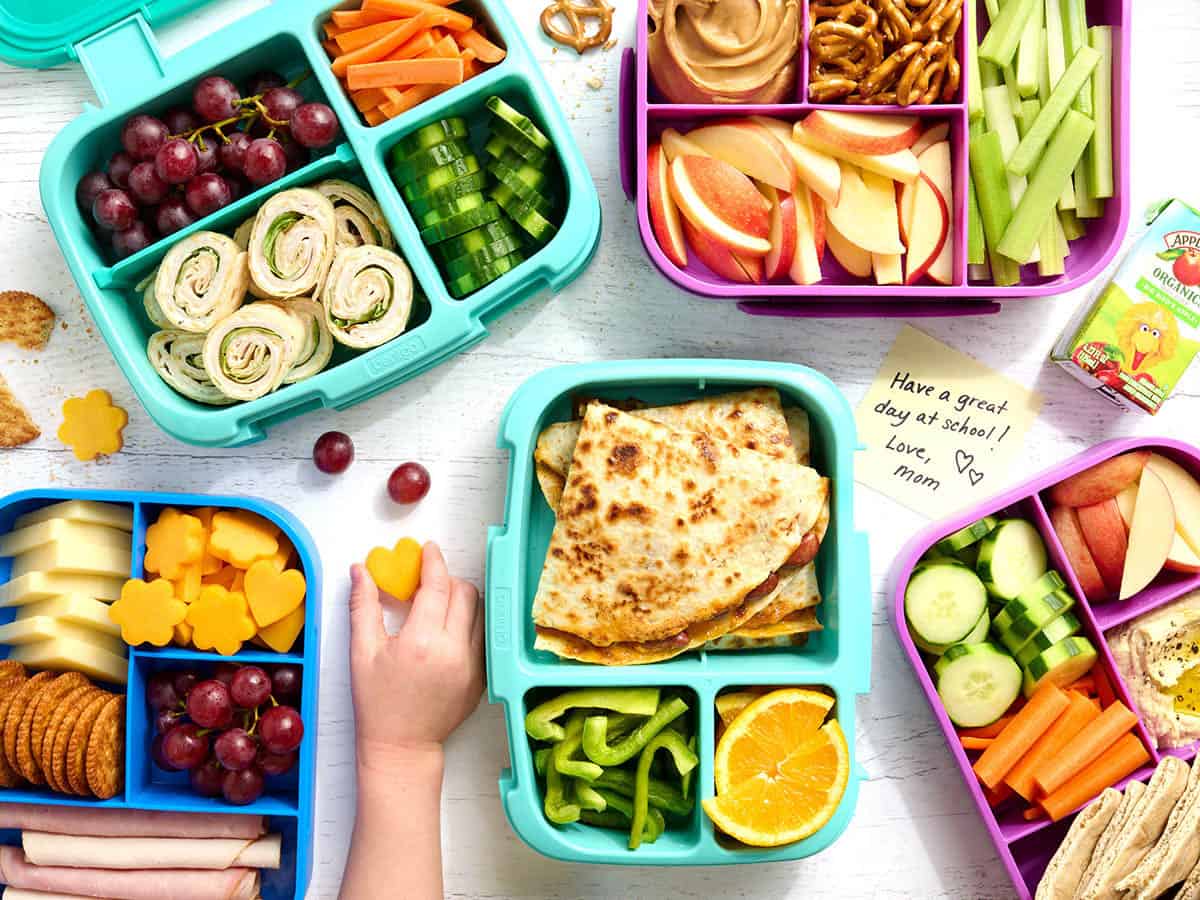
To address the dual challenges of nutritional density and budgetary constraints, a five-day rotation of "bento-style" lunch boxes has emerged as a statistically viable strategy. These configurations focus on high-yield ingredients and multi-use staples that can be integrated into broader family meal plans, thereby reducing food waste—a major contributor to household grocery overspending.
1. The Turkey Pinwheel Configuration
Estimated Cost: $3.16 – $3.83
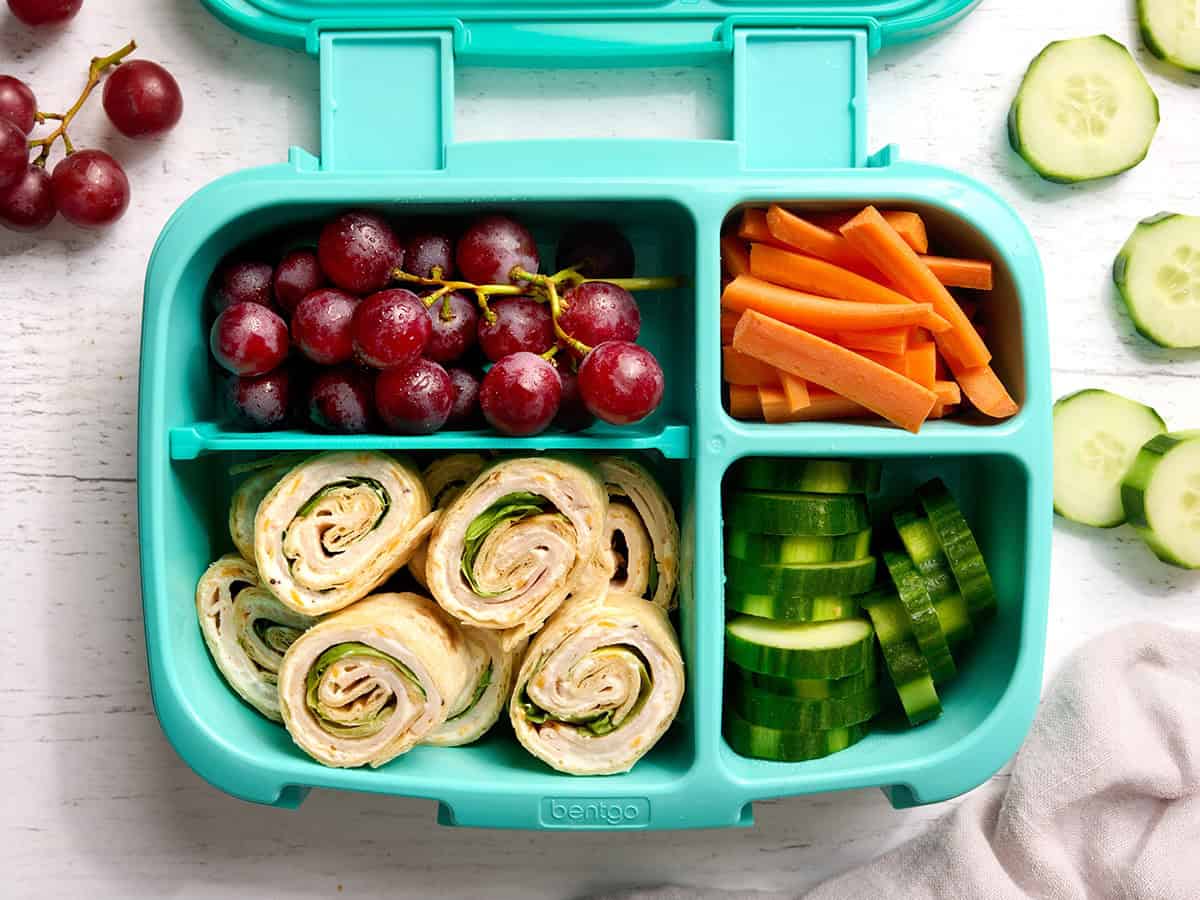
The turkey pinwheel serves as a modernized alternative to the traditional sandwich, utilizing flour tortillas, deli turkey, and cream cheese. From a structural standpoint, the cream cheese acts as a binding agent, ensuring the integrity of the meal during transit and reducing the likelihood of "soggy bread" syndrome, which often leads to food being discarded by students.
This option relies on high-yield fresh produce, such as cucumbers and carrot sticks, which are among the most cost-effective vegetables per pound in the 2026 market. By utilizing bulk-purchased tortillas and deli meats that can also serve as components for evening wraps or salads, parents can minimize the "per-unit" cost of the lunch.
2. The Modular Cheese and Cracker Box
Estimated Cost: $1.81 – $3.41
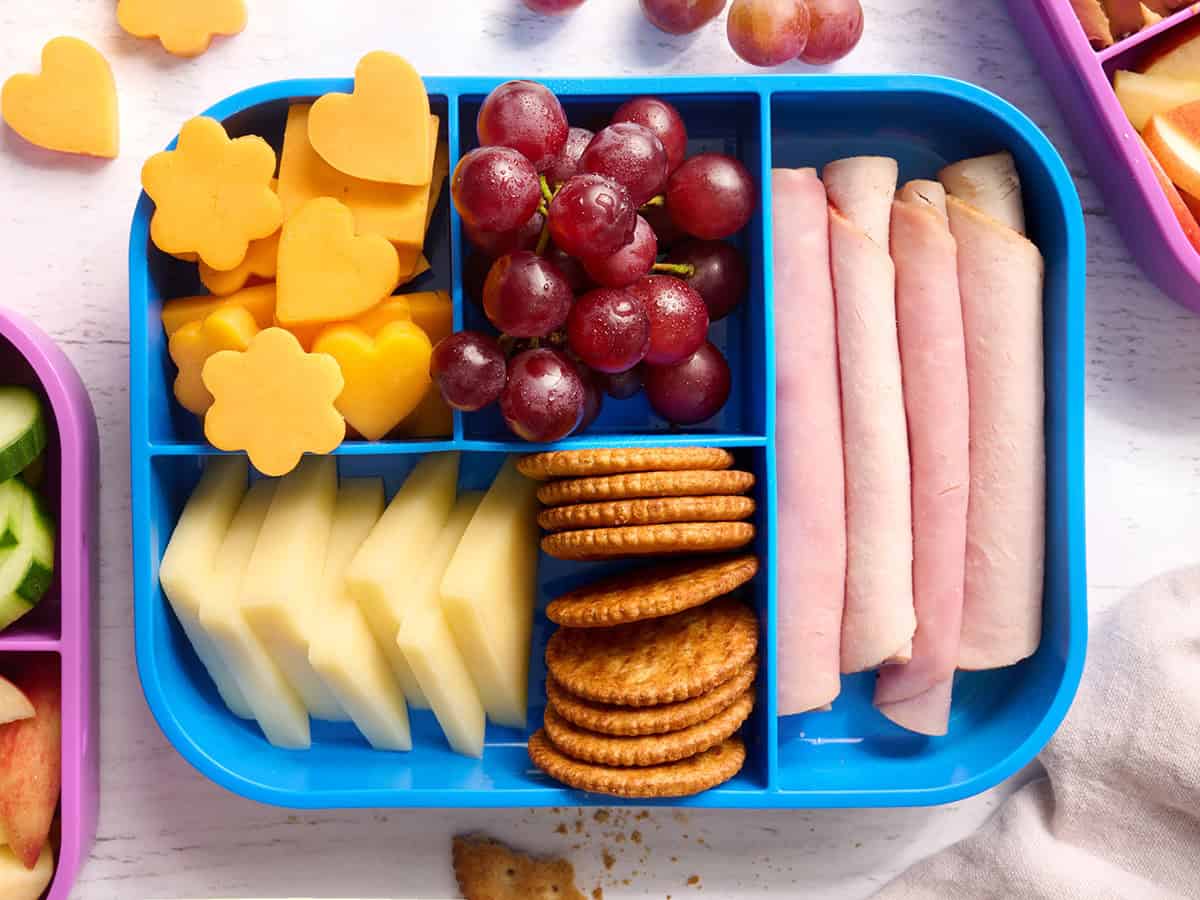
Modeled after commercial convenience kits, the homemade cheese board provides a modular eating experience. Research into child eating habits suggests that "deconstructed" meals often result in higher consumption rates among younger demographics, as they allow for autonomy and tactile engagement with food.
Economically, this configuration is a "budget hero" because it utilizes blocks of cheese—which are significantly cheaper than pre-sliced or string cheese varieties—and shelf-stable whole-grain crackers. This meal can be prepped up to 72 hours in advance, providing a logistical advantage for working parents without sacrificing the freshness of accompanying fruits like grapes or citrus segments.
3. Protein-Dense Dipper Assemblies
Estimated Cost: $1.09
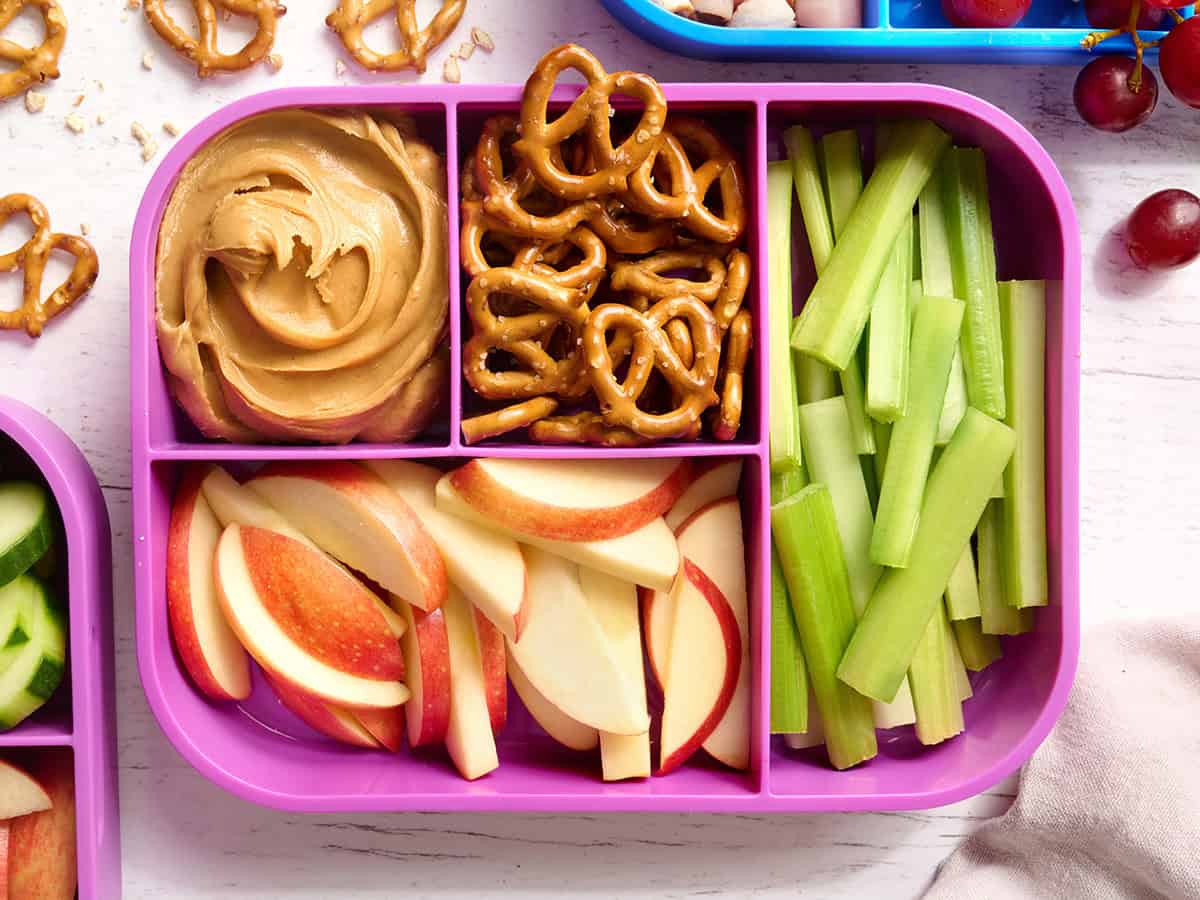
The peanut butter (or alternative seed butter) dipper box represents the most economical tier of the five-day plan. At just over one dollar per serving, this meal leverages pantry staples like pretzels and peanut butter to provide a balance of healthy fats and protein.
From a nutritional perspective, apples and celery are selected for their durability and long shelf life. To prevent enzymatic browning in sliced apples, a common deterrent for student consumption, the application of diluted lemon juice is recommended. In environments where peanuts are restricted due to allergy protocols, sunflower seed butter or almond butter serves as a nutritionally equivalent substitute, though at a slightly higher price point.
4. Plant-Based Protein: The Kidney Bean Quesadilla
Estimated Cost: $1.41
As meat prices remain sensitive to climate-related supply chain shifts, plant-based proteins have become essential for maintaining a low-cost lunch rotation. The kidney bean quesadilla utilizes canned legumes—one of the least expensive sources of iron and fiber available—and shredded cheese.
This meal is particularly effective for "cross-utilization" of ingredients; the cheese used here is often the same stock used in the cheese board box, and the tortillas are shared with the turkey pinwheels. Analysis shows that these quesadillas maintain their palatability at room temperature, eliminating the need for microwave access, which is rarely available to students in elementary and middle school settings.
5. Nutrient-Dense Hummus and Pita Trays
Estimated Cost: $1.66 – $1.91
Hummus serves as a versatile, nutrient-dense centerpiece that can be produced at a lower cost through home processing of chickpeas or purchased via store-brand bulk containers. When paired with pita triangles and remaining vegetable stocks (carrots and cucumbers), it completes a high-fiber, low-sodium meal.
The use of white bean hummus is an emerging trend for children who may find the texture of traditional chickpeas unappealing. This configuration also functions as a "zero-waste" tool, allowing parents to clear out any remaining fresh vegetables from the week’s grocery haul.
Logistical Implications of Container Technology
The success of a home-packed lunch program is heavily dependent on the hardware used for transport. The transition from single-use plastic bags to bento-style containers has significant implications for both food safety and environmental impact.
Durability and Safety: Many school districts have implemented "no-glass" policies to prevent injury in high-traffic cafeterias. Consequently, high-quality, BPA-free plastic or stainless steel containers have become the industry standard.
Portion Control: Compartmentalized boxes inherently assist in portioning according to USDA MyPlate guidelines, ensuring a balance of grains, proteins, fruits, and vegetables.
Thermal Integrity: The use of insulated lunch bags paired with reusable ice packs is critical for maintaining food temperatures below the "danger zone" (40°F) to prevent foodborne illness, particularly in meals containing dairy or poultry.
Economic and Social Impacts of Home-Packed Lunches
The decision to pack school lunches extends beyond simple cost savings. It represents a shift in household management that responds to the systemic failures currently facing the National School Lunch Program (NSLP). While the NSLP continues to provide a vital safety net for millions of children, the "worker shortage" mentioned by 90% of directors indicates a systemic fragility.
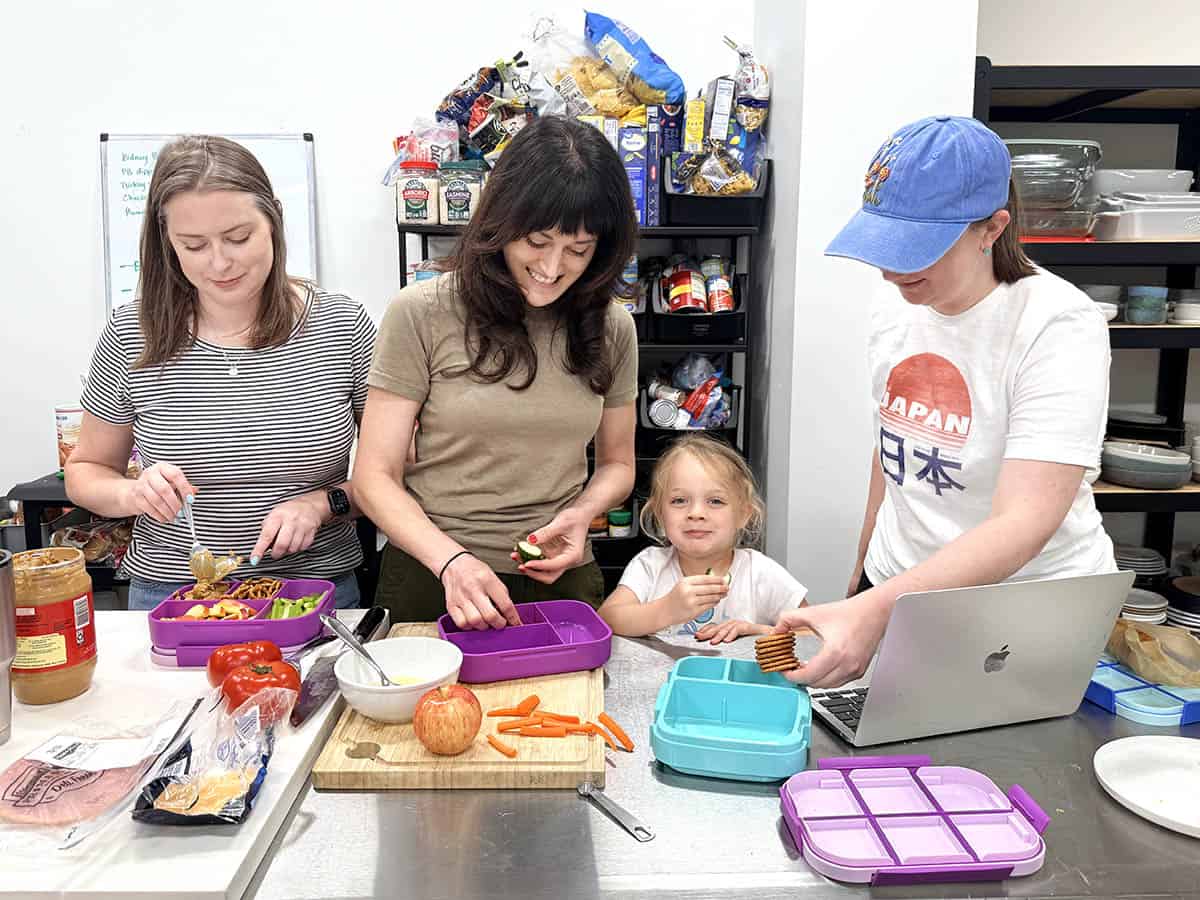
By reducing the cost of a packed lunch from the $6.15 average to a strategic $2.00–$3.00 range, a family with two children could save upwards of $1,100 per school year. Furthermore, the "Nashville Test Kitchen" approach—rigorously testing recipes for ease, affordability, and palatability—suggests that the domestic sphere is becoming a primary site for nutritional innovation.
Conclusion
As we move through 2026, the intersection of record-high inflation and school infrastructure challenges demands a more calculated approach to student nutrition. The transition to ingredient-based, bento-style lunches offers a viable path forward. By focusing on multi-use staples, plant-based proteins, and durable produce, households can achieve a level of nutritional consistency and fiscal responsibility that current institutional systems are struggling to maintain. The move toward "simple, fresh, and balanced" is not merely a culinary preference but a necessary economic adaptation in a shifting educational and financial landscape.
