

The Finnish Long Drink, known domestically as "lonkero," has transitioned from a temporary solution for Olympic hospitality into a cornerstone of Finland’s national identity and a burgeoning international export. Originally conceived as a logistical shortcut to serve massive crowds during the 1952 Summer Olympics in Helsinki, the beverage—a blend of gin and grapefruit soda—has defied its intended expiration date to become the most popular category of alcoholic drink in the Nordic nation. Today, the "long drink" is no longer confined to the Finnish archipelago; it is spearheading a new wave of ready-to-drink (RTD) cocktails across Europe, Asia, and North America, driven by a combination of historical legacy, unique flavor profiles, and a global shift in consumer preference toward convenient, low-ABV (alcohol by volume) refreshments.
The 1952 Helsinki Olympics: The Genesis of a National Icon
The origins of the Finnish Long Drink are inextricably linked to a pivotal moment in modern Finnish history. Following the hardships of World War II and the subsequent period of reconstruction, the 1952 Summer Olympics represented Finland’s "coming out party" on the global stage. However, the Finnish authorities faced a significant challenge: the state’s alcohol monopoly, Alko, and local infrastructure were ill-equipped to handle the influx of international tourists and the rapid-fire service required at Olympic venues.
To streamline service, the Finnish government commissioned the beverage company Hartwall to create a pre-mixed, bottled cocktail that could be served instantly without the need for bartenders to measure spirits and mixers. This resulted in two original variations: a brandy-based long drink (which has since become a niche product) and the gin-based "Original Long Drink."
Interestingly, the 1952 Games marked a cultural shift in the Olympic movement itself. It was the first Summer Olympics since 1912 where medals were not awarded for art competitions, a practice that had previously honored literature, music, and sculpture. While Finnish poet Aale Tynni, who won gold in 1948 for "Laurel of Hellas," was unable to defend her title, the nation found a different kind of enduring success in the Hartwall Long Drink. What was intended to be a temporary product for the summer of 1952 proved so popular among locals that production continued long after the athletes had departed.
Technical Composition and Flavor Profile
The traditional Finnish Long Drink typically maintains an alcohol content between 5.5% and 7.5% ABV. Its primary components are London Dry Gin and grapefruit soda. Unlike many modern canned cocktails that rely on malt-based fermentation to mimic the taste of spirits (often for tax purposes), the authentic Finnish lonkero is a spirit-based RTD.
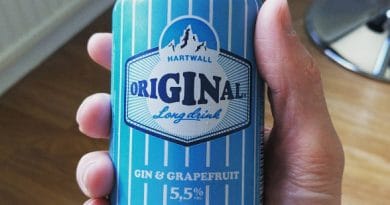
From a sensory perspective, the classic Hartwall iteration is characterized by a sophisticated balance of acidity and botanical depth. The nose is dominated by white grapefruit flesh, while the palate offers a crispness that many tasters compare to a high-quality Gin and Tonic, albeit with a more pronounced citrus backbone. The presence of juniper provides a dry finish that prevents the beverage from becoming cloyingly sweet—a common pitfall in the mass-market RTD category.
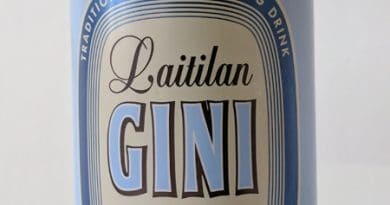
In recent decades, the market has expanded to include competitors such as Laitilan, which offers a "Gini" Long Drink. Comparative analyses suggest that while Hartwall maintains a juniper-forward, "crisp" profile, newer entrants often lean more heavily into the fruit notes, sometimes utilizing ruby red grapefruit or natural fermentation processes. These variations highlight the internal diversity of the category as it adapts to modern palates.
Chronology of Commercial Evolution and Global Expansion
The trajectory of the Finnish Long Drink from a local staple to a global contender can be mapped through several key phases:
- 1952–1970s: The Era of Monopoly and Discontinuation. For decades, the long drink was a staple of Finnish life, available exclusively through the state monopoly. In the 1970s, Hartwall briefly discontinued the product, but public outcry and a powerful sense of national nostalgia forced its return to the shelves.
- 1995: EU Integration and Market Liberalization. When Finland joined the European Union, the relaxation of certain alcohol monopolies allowed for greater competition and the entry of private breweries into the lonkero market.
- 2015: The European Push. Hartwall began aggressive international expansion, signing distribution agreements to place the "Original Long Drink" in retail markets across the Netherlands, Belgium, and Sweden. This was a strategic move to capitalize on the growing "craft" RTD trend in Western Europe.
- 2016: Entry into Asian Markets. Recognizing the Asian market’s growing appetite for premium European spirits, exporters successfully introduced the beverage to Japan, where the high-ball culture provided a natural fit for the gin-and-soda format.
- 2018–Present: North American Penetration. The brand "The Finnish Long Drink," backed by high-profile investors including actor Miles Teller and golfer Rickie Fowler, launched in the United States. While not produced by Hartwall, this brand utilized the traditional 1952 recipe and Finnish branding to introduce the concept to the American public, where it has seen rapid growth in the "Hard Seltzer" and canned cocktail segments.
Market Data and the RTD Revolution
The global expansion of the lonkero coincides with a massive surge in the Ready-To-Drink (RTD) alcoholic beverage sector. According to industry data from IWSR Drinks Market Analysis, the RTD category is expected to grow by 12% in volume between 2022 and 2027. Finland’s signature drink sits at the intersection of two major trends: the "premiumization" of canned cocktails and the "gin-naissance" that has swept the spirits world over the last decade.
In Finland, the long drink remains a dominant force. It is not merely a bar staple but a cultural fixture, ubiquitous in Finnish saunas, summer cottages, and sporting events. It is frequently the only cocktail available on draft in smaller establishments, alongside domestic lagers. This market saturation provides a stable base for Finnish companies to fund their international marketing efforts.
Consumer Adaptation and Domestic Replication
A unique aspect of the Finnish Long Drink’s global journey is the "cult following" it inspires among travelers. Because the specific type of grapefruit soda used in Finland (often less sweet and more acidic than American variants) is difficult to find abroad, a culture of DIY replication has emerged among enthusiasts.
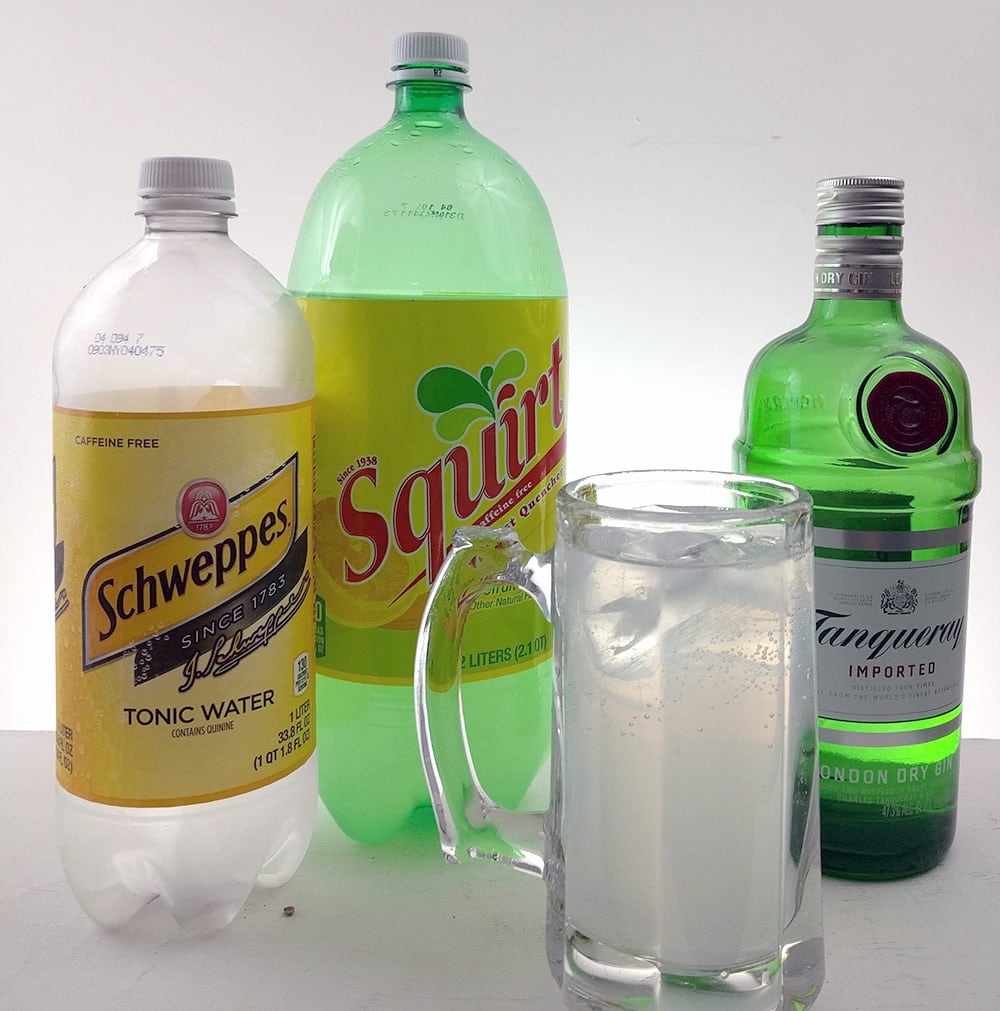
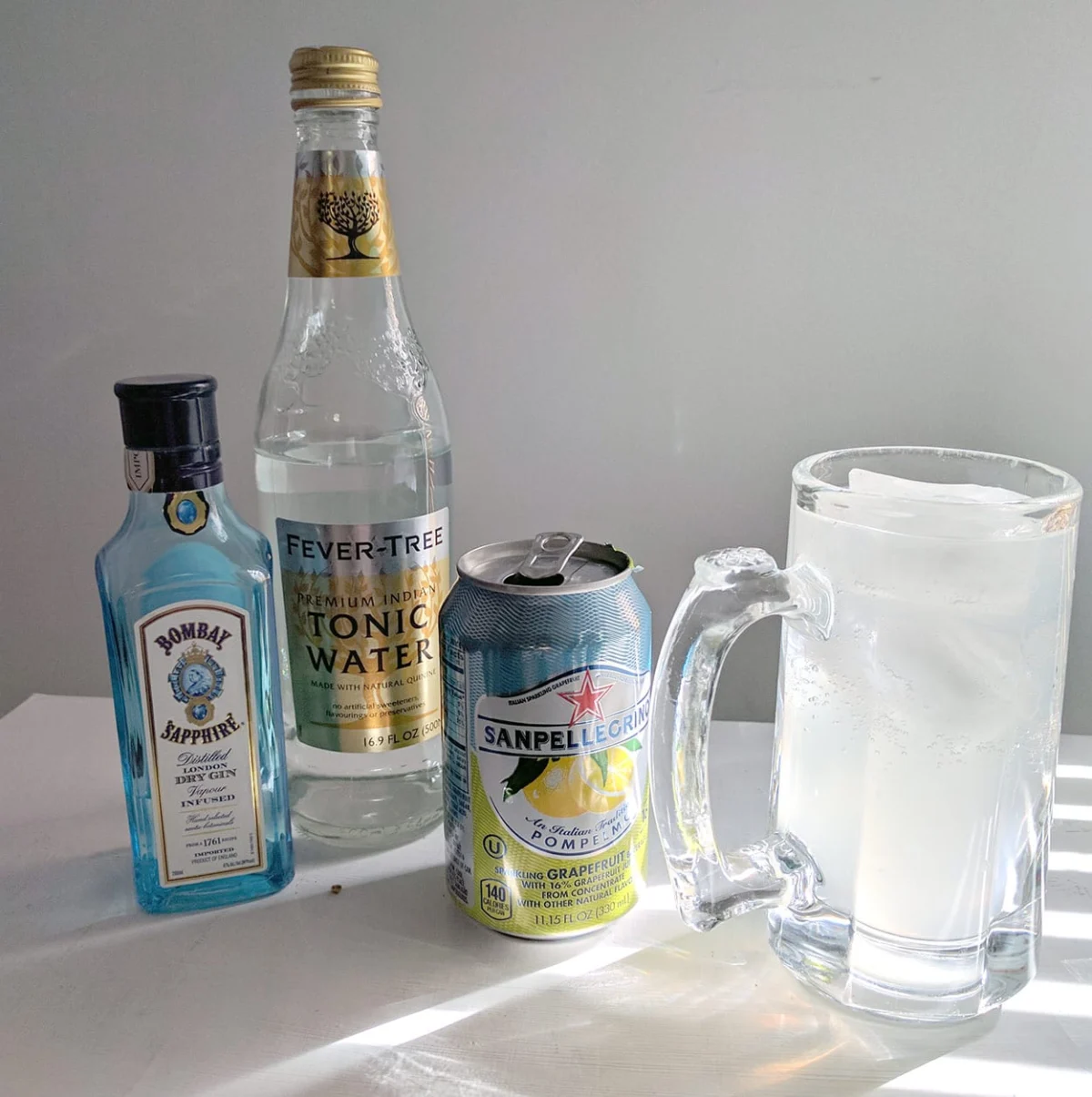
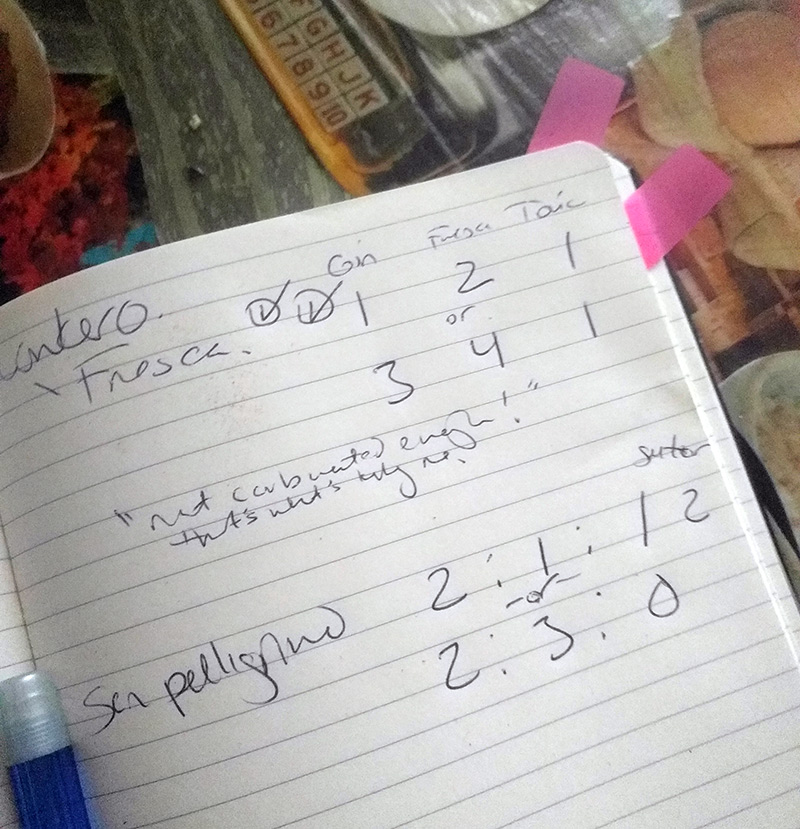
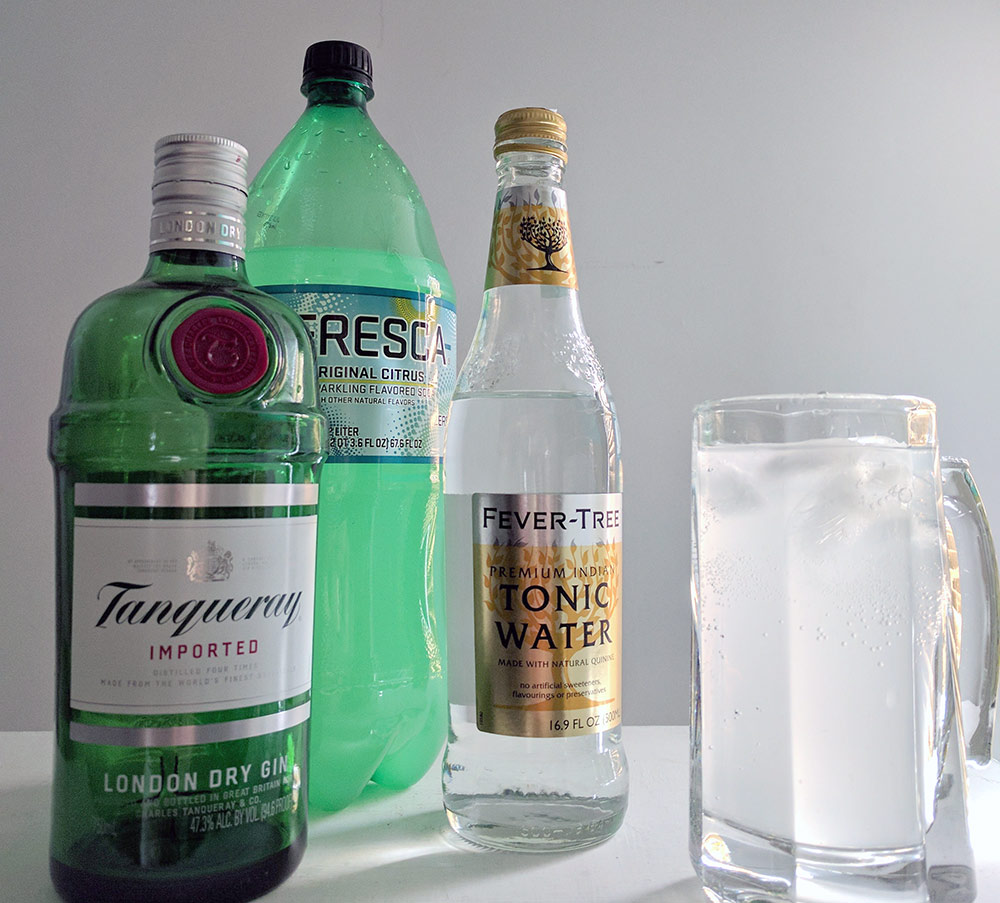
In North America, consumers seeking to recreate the experience often experiment with various mixers. Journalistic trials and consumer feedback suggest that while PepsiCo’s "Squirt" is often too sweet, Coca-Cola’s "Fresca" provides a closer approximation to the Finnish profile when paired with a juniper-forward gin like Tanqueray. Other adaptations involve the use of sparkling juices like Izze or San Pellegrino’s Pompelmo, though these often lack the specific "cloudy" aesthetic and balanced bitterness of the original.
However, industry analysts note that these DIY efforts rarely capture the precise "unreplicable note" of the Finnish grapefruit soda, which is often carbonated with a specific mineral profile and acidity level. This difficulty in replication has actually served as a market advantage for Finnish exporters, as it preserves the "authentic" status of the imported canned product.
Broader Implications and Cultural Impact
The success of the Finnish Long Drink serves as a case study in how a "utility product"—designed for speed and efficiency—can evolve into a cultural ambassador. The drink carries the "Finnishness" of its origin: it is practical, unpretentious, and resilient.
Economically, the expansion of the lonkero represents a significant opportunity for the Finnish beverage industry to diversify away from domestic consumption. By positioning the drink as a "heritage cocktail" rather than just another flavored malt beverage, Finnish brands are able to command premium pricing on international shelves.
Furthermore, the rise of the long drink has impacted the global gin market. By providing a refreshing, accessible entry point for gin consumption, it has introduced the botanical spirit to a younger demographic that might find a traditional Martini or a bitter Gin and Tonic less approachable.
Conclusion
From its birth in the logistics tents of the 1952 Olympics to its current status as a global trendsetter, the Finnish Long Drink has proven to be one of the most enduring legacies of the Helsinki Games. Its journey reflects broader shifts in global drinking habits—moving away from heavy spirits toward lighter, more refreshing, and more convenient formats. As Hartwall and its competitors continue to secure shelf space in North America and Asia, the "long drink" is poised to move from a "quirky" regional specialty to a permanent fixture in the global cocktail canon. For the Finnish people, it remains more than just a beverage; it is a liquid reminder of a moment when the world came to Helsinki, and Finland, in turn, gave the world a new way to toast.
